Top 12 Animals That Eat Bananas (With Images)
Is the banana really a monkey’s favorite food, or is the truth far more surprising? This sweet, energy-rich fruit is a treat for a wide range of animals across the tropics. The animals that eat bananas include primates, birds, bats, and even clever mammals that raid plantations for a meal. Far from a simple snack, bananas offer quick energy, sugar, and nutrients that help these creatures thrive.
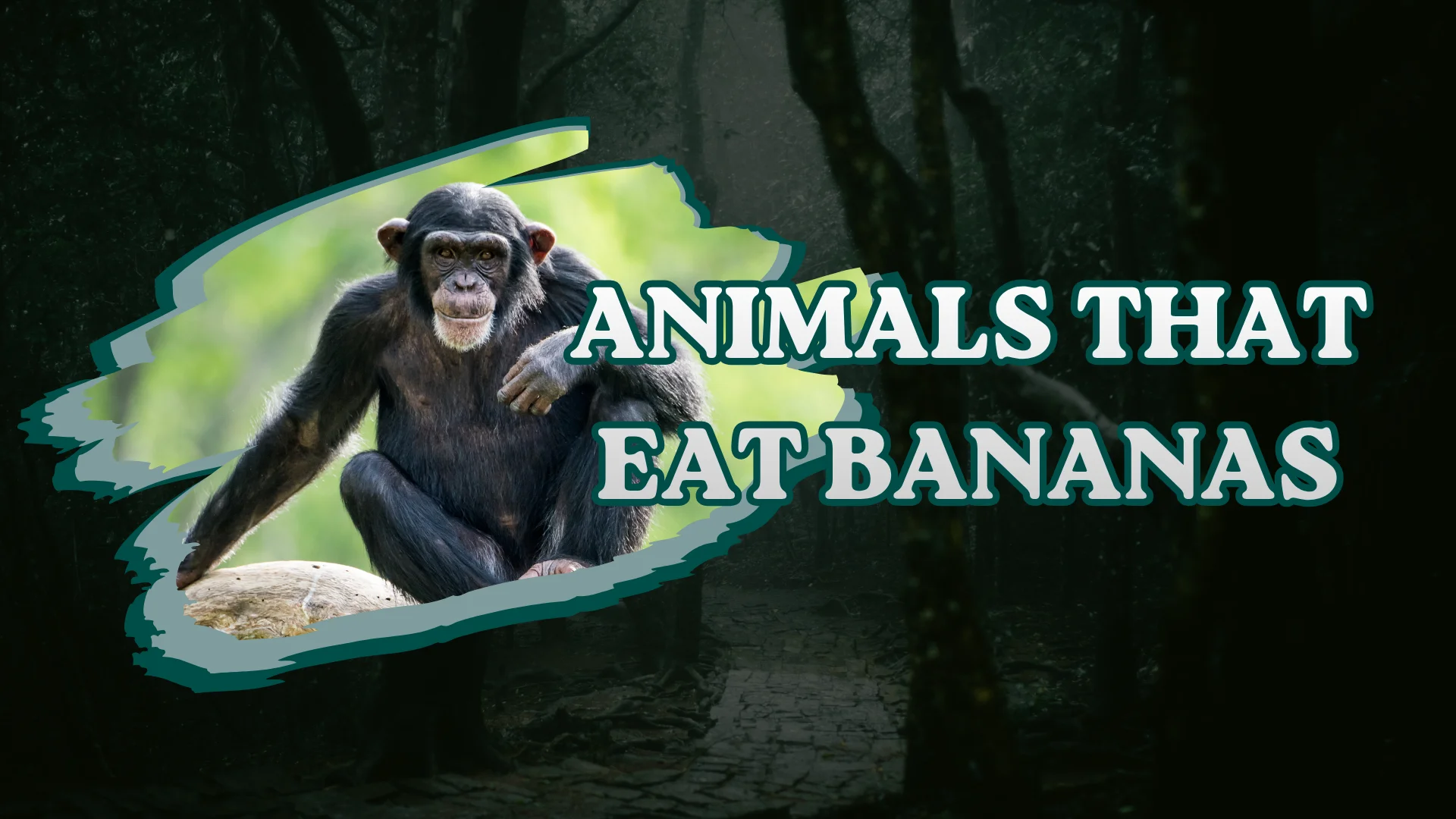
From chimpanzees peeling fruit with ease to toucans plucking it from the trees, banana-lovers come in every shape and size. Let’s explore the most fascinating animals that eat bananas and the roles this fruit plays in their diets and ecosystems.
Quick List Table
| Rank | Animal Name | Scientific Name |
|---|---|---|
| 1 | Chimpanzee | Pan troglodytes |
| 2 | Western Gorilla | Gorilla gorilla |
| 3 | Rhesus Macaque | Macaca mulatta |
| 4 | Indian Flying Fox | Pteropus giganteus |
| 5 | Asian Elephant | Elephas maximus |
| 6 | Bornean Orangutan | Pongo pygmaeus |
| 7 | Toco Toucan | Ramphastos toco |
| 8 | Olive Baboon | Papio anubis |
| 9 | Raccoon | Procyon lotor |
| 10 | Kinkajou | Potos flavus |
| 11 | Sulphur-Crested Cockatoo | Cacatua galerita |
| 12 | Eastern Gray Squirrel | Sciurus carolinensis |
Chimpanzee

Scientific Name: Pan troglodytes
Class: Mammalia
Diet: Omnivore
The chimpanzee is one of the most famous banana-eaters in the world. It readily peels and eats ripe bananas with skill. This fruit is a favorite treat wherever chimps encounter it.
Interestingly, chimpanzees are intelligent enough to peel bananas much as humans do. In the wild they eat many kinds of fruit, and bananas provide quick, easy energy. Near farms and sanctuaries, they eagerly seek them out.
Chimpanzees live in the forests and savannas of central and West Africa. As omnivores, they eat fruit, leaves, insects, and occasionally small animals.
Moreover, chimpanzees disperse seeds and shape their forest habitats. Deforestation, poaching, and disease have made them endangered.
Fun Fact: Chimpanzees peel bananas much like humans do, revealing their clever hands and minds.
Western Gorilla
Scientific Name: Gorilla gorilla
Class: Mammalia
Diet: Herbivore (mostly)
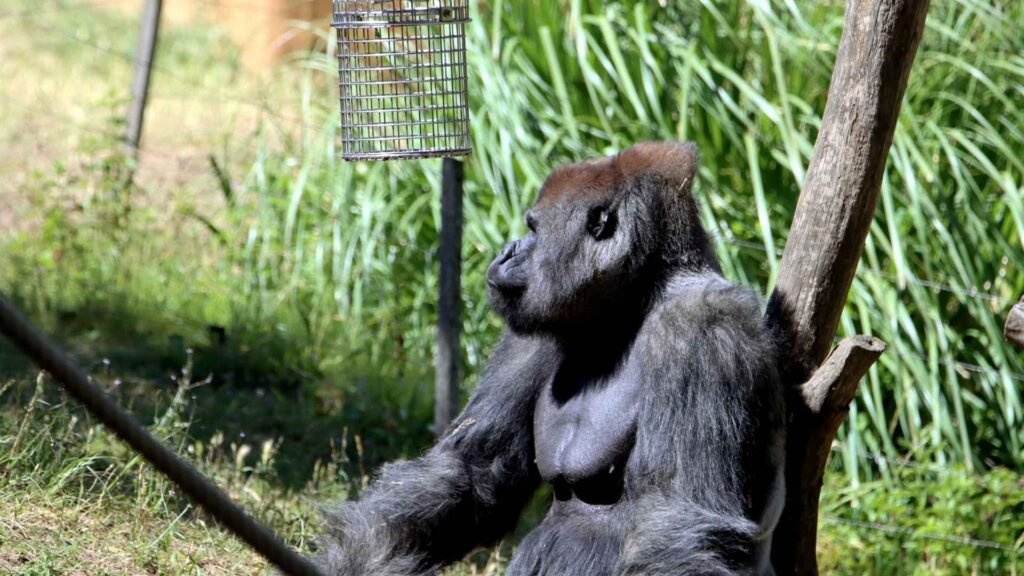
The western gorilla enjoys bananas as part of its fruit-rich diet. The largest of the great apes, it eats enormous amounts of vegetation. Ripe bananas are a welcome, energy-packed treat.
What sets the gorilla apart is its huge appetite for plants and fruit. While it eats mostly leaves, stems, and fruit in the wild, bananas offer easy sugar and nutrients. Gorillas near human areas may seek out banana plants.
Western gorillas live in the rainforests and swamps of central Africa. As herbivores, they feed mainly on fruit, leaves, and stems.
Moreover, gorillas disperse seeds and help maintain healthy forests. Poaching, disease, and habitat loss have made them critically endangered.
Rhesus Macaque
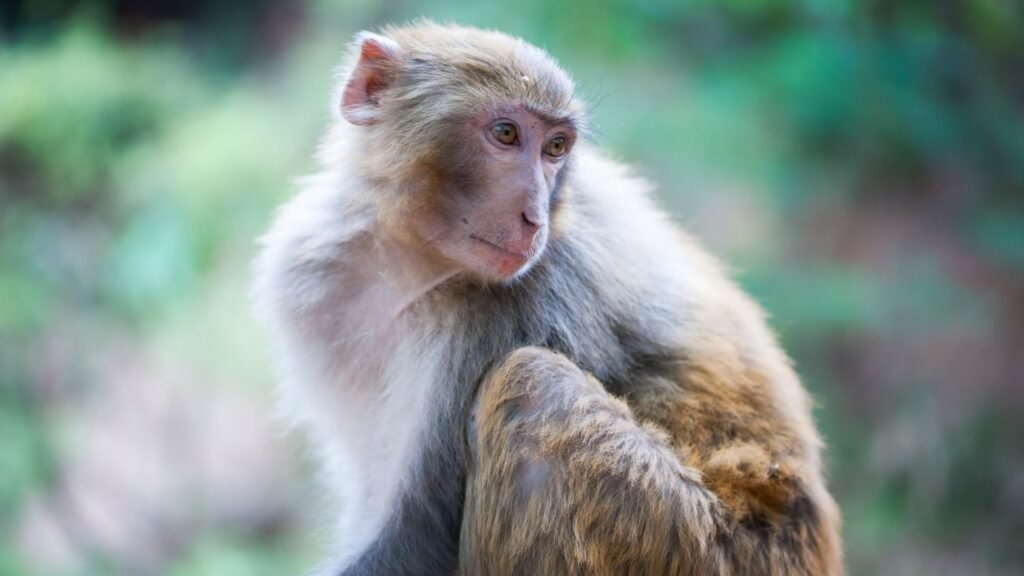
Scientific Name: Macaca mulatta
Class: Mammalia
Diet: Omnivore
The rhesus macaque is a clever monkey well known for eating bananas. Bold and adaptable, it often raids markets and farms for fruit. Bananas are among its favorite easy meals.
Interestingly, rhesus macaques thrive near humans, where bananas are readily available. Their quick minds and nimble hands make snatching and peeling fruit easy. This adaptability helps them live in cities and temples.
Rhesus macaques live across South and Southeast Asia, in forests, cities, and farmland. As omnivores, they eat fruit, seeds, insects, and human food.
Moreover, macaques disperse seeds and are deeply woven into local cultures. They remain widespread and highly adaptable.
Fun Fact: Rhesus macaques often raid markets and homes for bananas and other fruit.
Indian Flying Fox
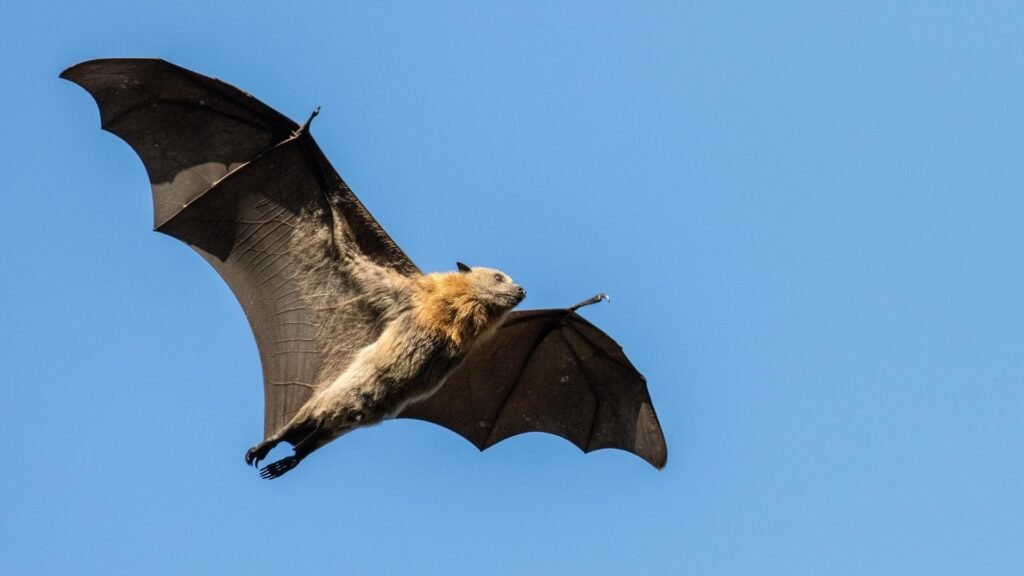
Scientific Name: Pteropus giganteus
Class: Mammalia
Diet: Herbivore (fruit, nectar)
The Indian flying fox is a large fruit bat that feasts on bananas. It uses its keen sense of smell to find ripe fruit at night. Bananas are a rich source of energy for this nocturnal flyer.
What sets the flying fox apart is its role as a night-time fruit eater. It bites into soft, ripe bananas and other fruit, drinking the juices. As it feeds, it spreads seeds and pollen across the landscape.
Indian flying foxes live across South Asia, roosting in large colonies in tall trees. As frugivores, they feed on fruit and nectar, including cultivated bananas.
Moreover, flying foxes are vital seed dispersers and pollinators. Habitat loss and persecution threaten many bat colonies.
Asian Elephant
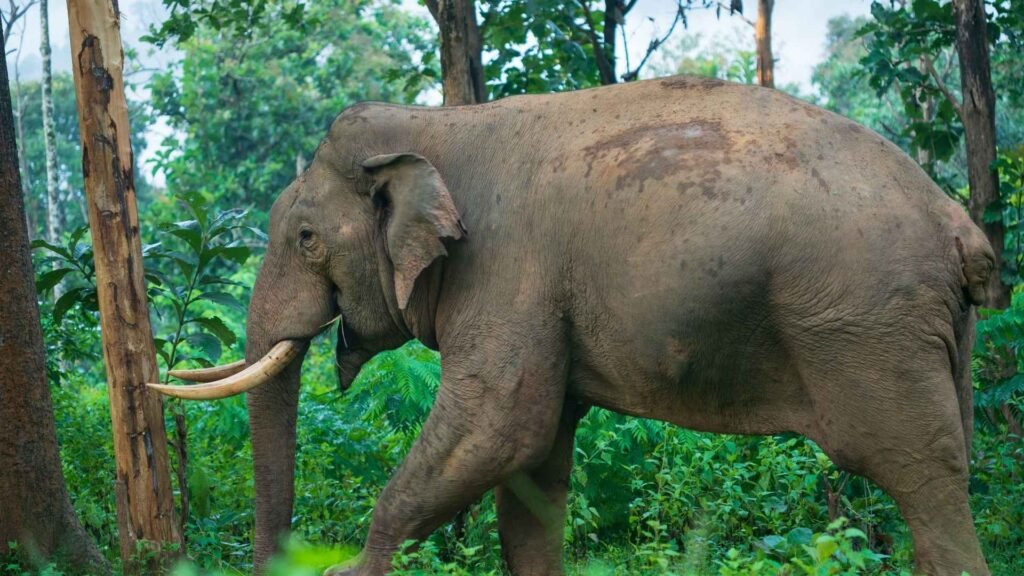
Scientific Name: Elephas maximus
Class: Mammalia
Diet: Herbivore
The Asian elephant has a well-known love of bananas. It eats not only the fruit but often the entire banana plant. This giant herbivore consumes huge quantities of vegetation daily.
Interestingly, elephants use their dexterous trunks to pluck bananas and pull down whole plants. The fruit offers a sweet, energy-rich addition to their bulky diet. Working and temple elephants are often fed bananas as treats.
Asian elephants live in the forests and grasslands of South and Southeast Asia. As herbivores, they eat grasses, leaves, bark, and fruit.
Moreover, elephants disperse seeds and shape their habitats. Habitat loss and conflict with humans have made them endangered.
Fun Fact: An Asian elephant will often eat the entire banana plant, not just the fruit.
Bornean Orangutan
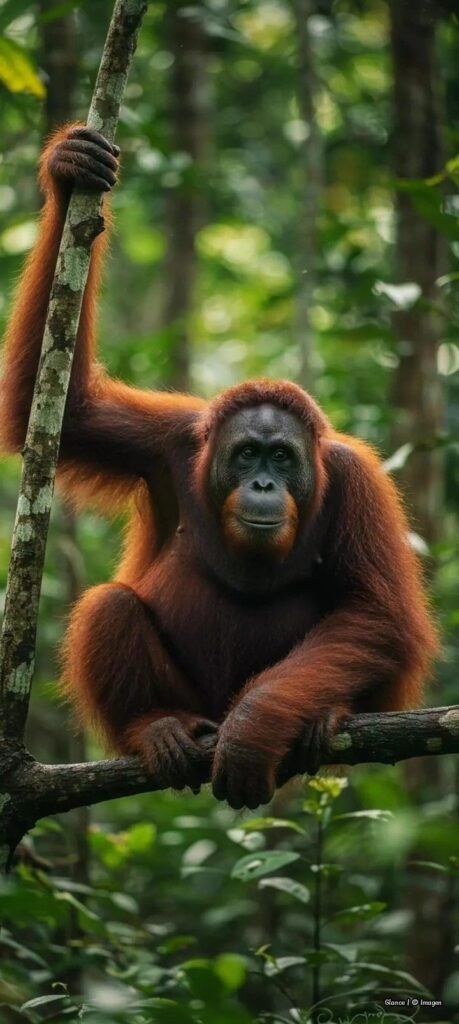
Scientific Name: Pongo pygmaeus
Class: Mammalia
Diet: Herbivore (mostly fruit)
The Bornean orangutan relishes bananas as part of its fruit-heavy diet. This great ape spends much of its life seeking out ripe fruit. Bananas offer easy, energy-rich nourishment.
What sets the orangutan apart is its deep reliance on fruit. In the wild it eats hundreds of fruit types, and bananas are a favorite where available. Its strong hands make peeling and eating simple.
Bornean orangutans live in the rainforests of Borneo. As frugivores, they feed mainly on fruit, along with leaves, bark, and insects.
Moreover, orangutans disperse seeds and shape their forest habitat. Deforestation and the palm oil industry have made them critically endangered.
Toco Toucan
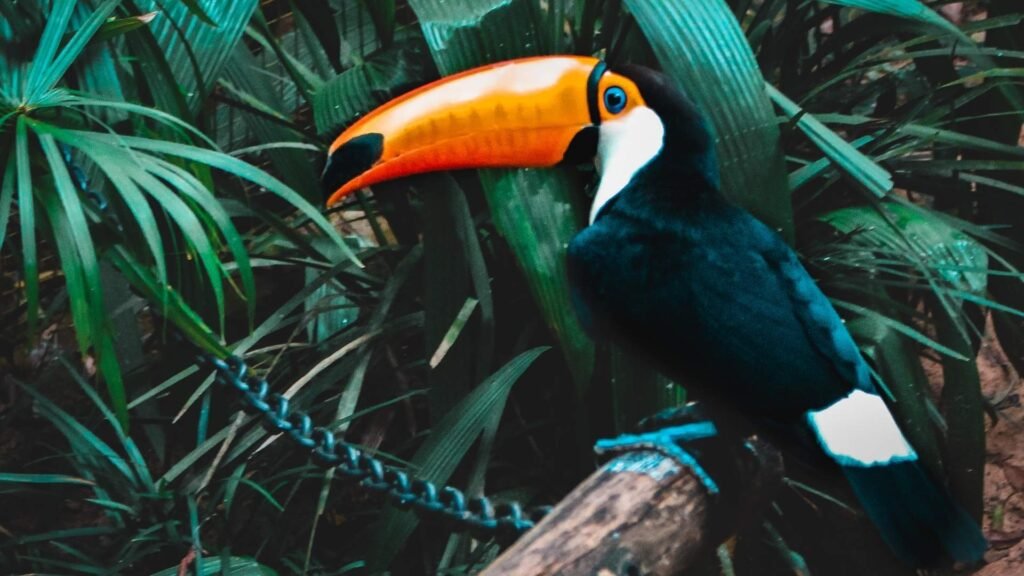
Scientific Name: Ramphastos toco
Class: Aves
Diet: Omnivore (mostly fruit)
The toco toucan uses its enormous colorful bill to eat bananas and other fruit. It plucks and swallows soft fruit with ease. Bananas are a sweet favorite of this striking bird.
Interestingly, the toucan’s huge bill helps it reach and handle fruit that other birds cannot. It tosses pieces of banana into the air and gulps them down. The fruit provides quick energy for its active life.
Toco toucans live in the forests and woodlands of South America. As omnivores, they eat mostly fruit, along with insects and small animals.
Moreover, toucans disperse seeds and support their forest ecosystems. Habitat loss and the pet trade affect some populations.
Fun Fact: A toucan tosses pieces of banana into the air before catching and swallowing them.
Olive Baboon
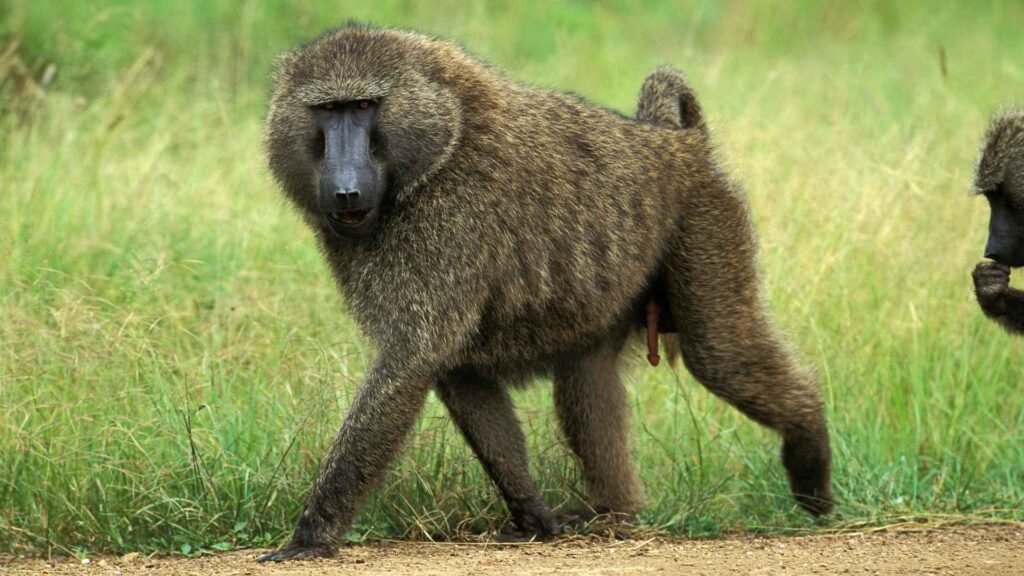
Scientific Name: Papio anubis
Class: Mammalia
Diet: Omnivore
The olive baboon is a bold, adaptable monkey that readily eats bananas. It often raids crops and gardens for fruit. Bananas are an easy, energy-rich prize.
What sets the baboon apart is its clever, opportunistic feeding. Living in large troops, baboons quickly learn where to find bananas and other tempting food. Their boldness makes them frequent visitors to farms.
Olive baboons live across the savannas and woodlands of central Africa. As omnivores, they eat fruit, seeds, insects, and small animals.
Moreover, baboons disperse seeds across their range. They remain widespread and highly adaptable.
Raccoon
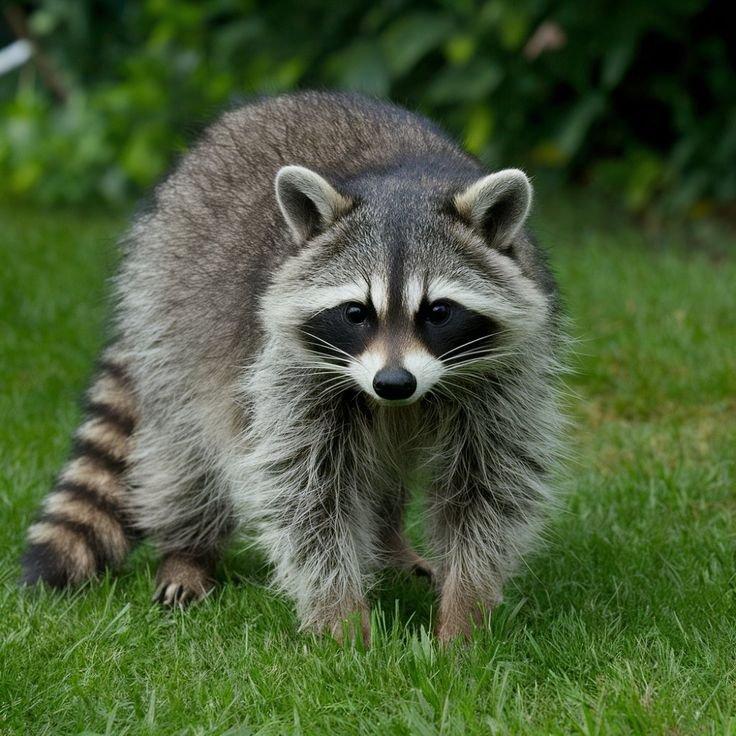
Scientific Name: Procyon lotor
Class: Mammalia
Diet: Omnivore
The raccoon is a curious, resourceful animal that happily eats bananas. With its nimble paws, it easily handles and peels the fruit. Bananas are a sweet treat in its varied diet.
Interestingly, raccoons use their sensitive, dexterous hands to open and eat almost any food. Bananas offer quick sugar and energy, and raccoons will raid kitchens and gardens for them. Their adaptability is remarkable.
Raccoons live across North America and beyond, in forests, wetlands, and cities. As omnivores, they eat fruit, insects, small animals, and scraps.
Moreover, raccoons help control insects and disperse seeds. They thrive in many environments, including urban areas.
Fun Fact: A raccoon’s nimble front paws let it peel a banana almost as neatly as a person.
Kinkajou
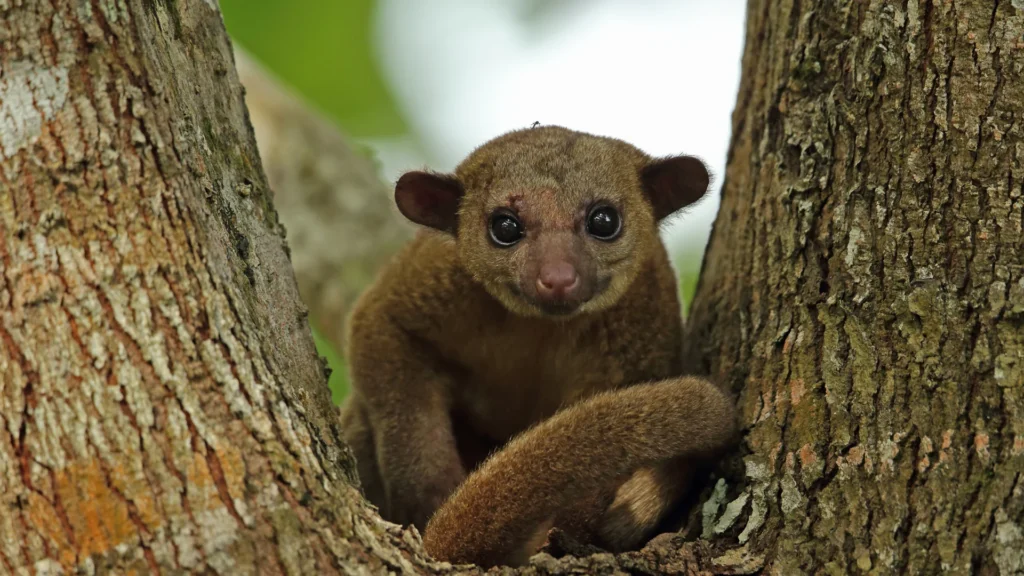
Scientific Name: Potos flavus
Class: Mammalia
Diet: Omnivore (mostly fruit)
The kinkajou is a tree-dwelling mammal with a strong taste for bananas. Active at night, it seeks out ripe, sweet fruit. Bananas are a favorite in its fruit-rich diet.
What sets the kinkajou apart is its prehensile tail and long tongue, perfect for feeding in the trees. It laps up soft fruit and nectar, and bananas offer easy energy. It rarely comes down to the ground.
Kinkajous live in the rainforests of Central and South America. As omnivores, they feed mainly on fruit, along with nectar and insects.
Moreover, kinkajous disperse seeds and pollinate flowers as they feed. Deforestation and the pet trade threaten some populations.
Sulphur-Crested Cockatoo
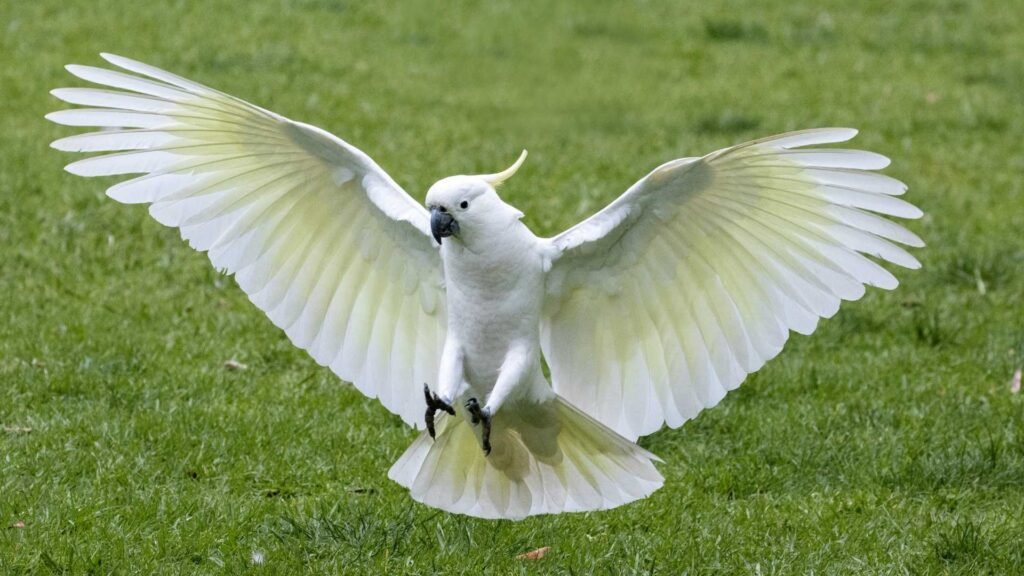
Scientific Name: Cacatua galerita
Class: Aves
Diet: Herbivore (seeds, fruit)
The sulphur-crested cockatoo is a bright, intelligent parrot that enjoys bananas. It uses its strong beak to break into soft fruit. Bananas are a sweet, energy-rich snack.
Interestingly, cockatoos are clever and dexterous, holding food in one foot while eating. Bananas provide quick sugar and nutrients for these active birds. In gardens and farms, they eagerly seek out ripe fruit.
Sulphur-crested cockatoos live in the forests and woodlands of Australia and New Guinea. As herbivores, they eat seeds, fruit, nuts, and roots.
Moreover, cockatoos disperse seeds across their range. They remain common and are a familiar sight in their habitats.
Fun Fact: Cockatoos often hold a piece of banana in one foot while nibbling it.
Eastern Gray Squirrel

Scientific Name: Sciurus carolinensis
Class: Mammalia
Diet: Omnivore
The eastern gray squirrel will happily eat bananas when it finds them. This adaptable rodent enjoys a wide range of foods. Bananas offer a sweet, energy-rich treat.
What sets the squirrel apart is its opportunistic appetite. While it favors nuts and seeds, it readily eats fruit like bananas for quick energy. In parks and gardens, squirrels often sample whatever food is available.
Eastern gray squirrels live in the woodlands, parks, and suburbs of North America and beyond. As omnivores, they eat nuts, seeds, fruit, and buds.
Moreover, squirrels plant trees by burying and forgetting nuts. They remain abundant and highly adaptable.
Read: Animals That Eat Snakes
Read: Animals That Eat Fish
Read: Animals That Look Like Dogs
Read: Animals That Look Like Cats
Read: Animals with No Teeth
Frequently Asked Questions
Conclusion
From clever chimpanzees to colorful toucans, the animals that eat bananas show how one sweet fruit can nourish a huge variety of creatures. Rich in sugar and energy, bananas provide a quick and welcome meal across the tropics, whether in the wild or near human farms. As these animals feed, many also disperse seeds and pollinate plants, supporting the ecosystems they call home.