
Top 21 Clumsy Animals in The World (With Images)
Did you know that some of nature’s most awkward-looking creatures are actually finely tuned survivors? Clumsiness on land often hides remarkable grace elsewhere beneath the waves, high in the trees, or deep in the forest. The world’s clumsy animals stumble, waddle, and tumble, yet each plays a vital role in its ecosystem, from dispersing seeds to balancing food chains.
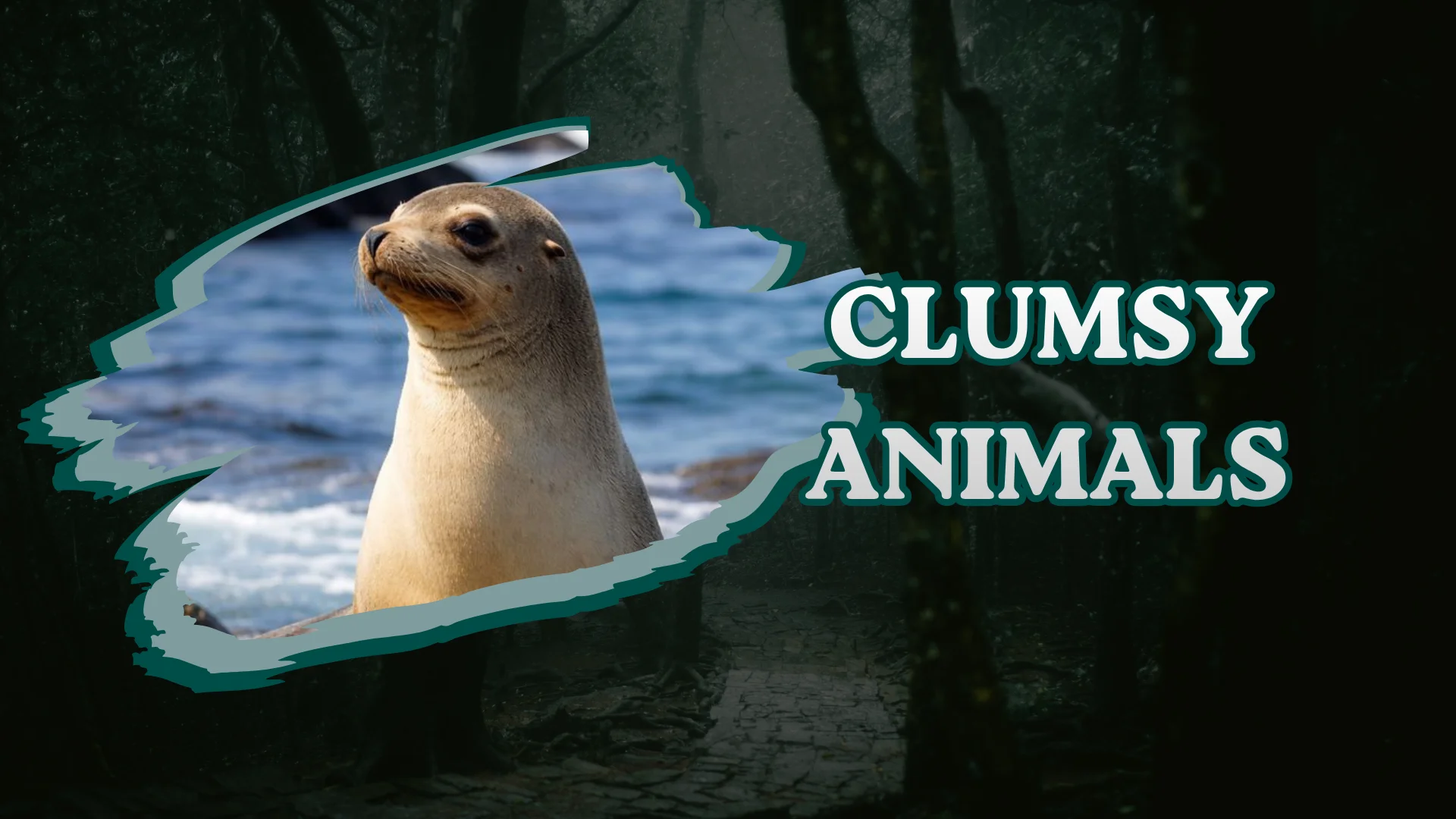
Their wobbly movements aren’t failures of evolution but clever trade-offs that make them masters of their true environment. In this guide, we’ll explore the top 21 clumsy animals in the world, uncovering the science behind their charming awkwardness and why these lovable, uncoordinated creatures deserve our attention and protection.
List of Clumsy Animals in The World
| Rank | Animal | Scientific Name |
|---|---|---|
| 1 | Giant Panda | Ailuropoda melanoleuca |
| 2 | Koala | Phascolarctos cinereus |
| 3 | Penguin | Aptenodytes forsteri |
| 4 | Sloth | Bradypus variegatus |
| 5 | Giraffe | Giraffa camelopardalis |
| 6 | Ostrich | Struthio camelus |
| 7 | Walrus | Odobenus rosmarus |
| 8 | Flamingo | Phoenicopterus ruber |
| 9 | Manatee | Trichechus manatus |
| 10 | Hippopotamus | Hippopotamus amphibius |
| 11 | Kakapo | Strigops habroptilus |
| 12 | Atlantic Puffin | Fratercula arctica |
| 13 | Frigatebird | Fregata magnificens |
| 14 | Sea Lion | Zalophus californianus |
| 15 | Wild Turkey | Meleagris gallopavo |
| 16 | Blobfish | Psychrolutes marcidus |
| 17 | Colugo | Galeopterus variegatus |
| 18 | Pelican | Pelecanus onocrotalus |
| 19 | Wombat | Vombatus ursinus |
| 20 | Giant Anteater | Myrmecophaga tridactyla |
| 21 | Peacock | Pavo cristatus |
Giant Panda
Scientific Name: Ailuropoda melanoleuca
Class: Mammalia
Diet: Herbivore
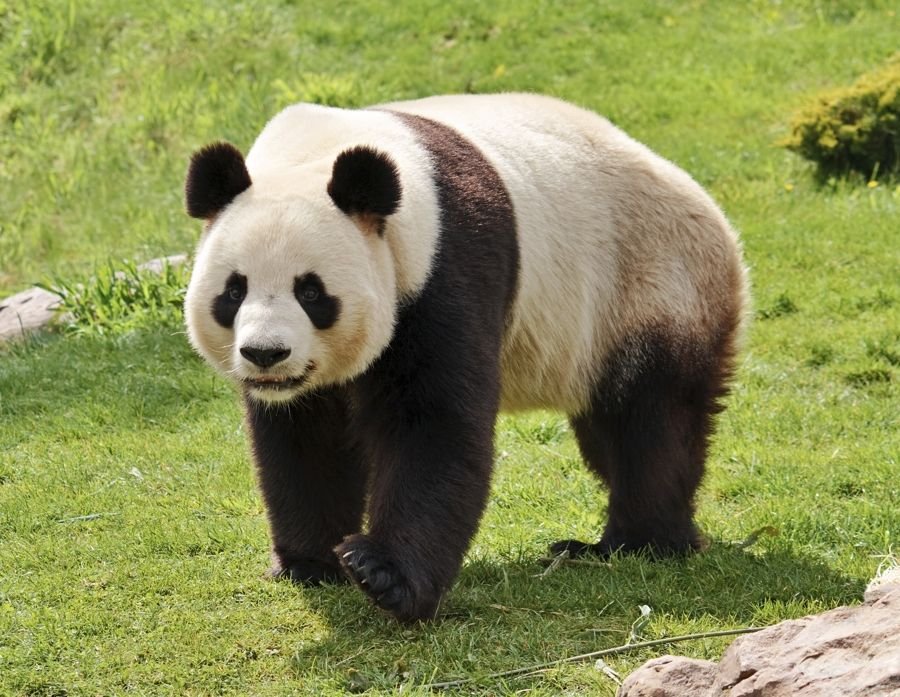
The giant panda may be one of the most beloved animals on Earth, but it is also one of the clumsiest. Weighing up to 300 pounds with a round body and a low center of gravity, pandas frequently tumble off logs, trip over their own paws, and roll down snowy slopes. Watching a panda flop onto its back mid-meal is one of nature’s most endearing spectacles.
Interestingly, this apparent clumsiness is tied to their unusual lifestyle. Pandas spend up to 14 hours a day eating bamboo, a low-energy food that leaves little fuel for graceful movement. Their tumbling and lounging help conserve precious energy between feeding sessions.
Native to the misty mountain forests of central China, giant pandas rely on dense bamboo groves for survival. As bamboo consumers, they help shape forest growth and maintain the balance of their habitat.
Once endangered, pandas were reclassified as vulnerable thanks to decades of conservation work. Yet habitat fragmentation still threatens their future, making protected reserves essential.
Fun Fact: A panda’s clumsy tumbles are so efficient at conserving energy that they rarely injure themselves — their thick fur acts like a built-in cushion.
Koala
Scientific Name: Phascolarctos cinereus
Class: Mammalia
Diet: Herbivore
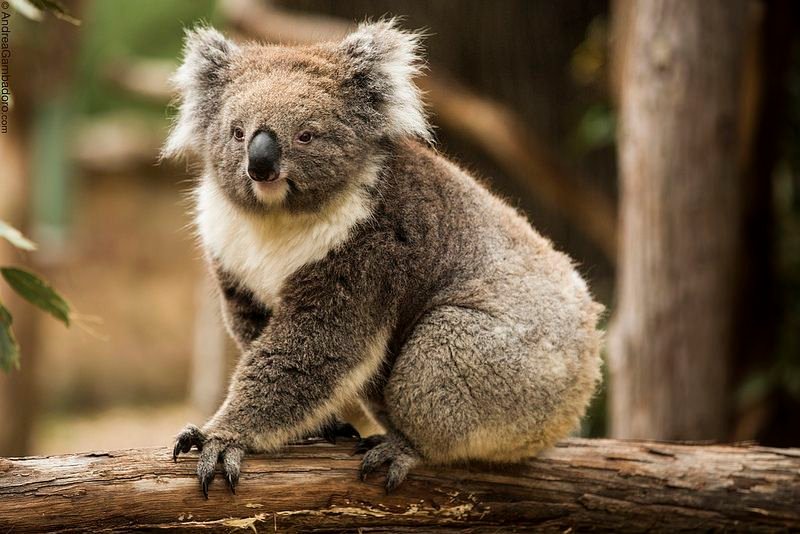
The koala is an icon of Australia and a champion of adorable awkwardness. Equipped with powerful claws built for climbing, koalas move gracefully among eucalyptus branches — but the moment they descend to the ground, their coordination vanishes. Their slow, wobbling shuffle across open land looks almost comically out of place.
What sets koalas apart is their extraordinarily low-energy lifestyle. Eucalyptus leaves are toxic and nutritionally poor, so koalas sleep up to 20 hours a day. This sluggish metabolism explains their unhurried, clumsy movements whenever they leave the safety of the trees.
Koalas inhabit the eucalyptus woodlands of eastern and southeastern Australia, where they depend almost entirely on a handful of eucalyptus species for food and moisture.
Sadly, habitat loss, bushfires, and disease have pushed koala populations into steep decline, with some regional populations now listed as endangered. Protecting their forest corridors is critical to their survival.
Fun Fact: Koalas rarely drink water — their name comes from an Aboriginal word thought to mean “no drink,” as they get most of their moisture from leaves.
Penguin
Scientific Name: Aptenodytes forsteri
Class: Aves
Diet: Carnivore
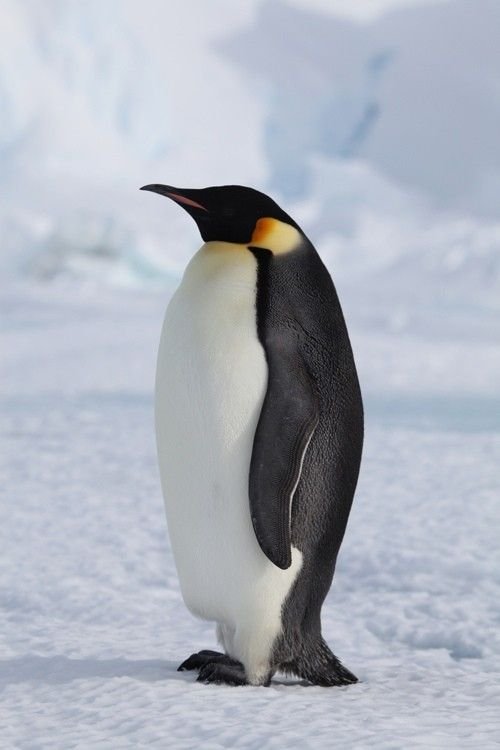
Few animals embody clumsiness on land quite like the penguin. With upright postures, heavy bodies, short legs, and flipper-like wings, penguins waddle awkwardly from side to side, often slipping and sliding across the ice. To save effort, they sometimes drop onto their bellies and toboggan across the snow.
Yet beyond their comical land movements, penguins are astonishingly graceful swimmers. Their stiff wings, useless for flight, transform into powerful paddles underwater, propelling them through the ocean with torpedo-like precision as they hunt fish, krill, and squid.
Emperor penguins, the largest species, endure the brutal Antarctic winter, huddling together in vast colonies to survive temperatures that plunge far below freezing.
As key predators and prey, penguins are vital indicators of ocean health. However, climate change and shrinking sea ice threaten their breeding grounds, making them a conservation priority in the polar regions.
Fun Fact: Emperor penguins can dive over 500 meters deep and hold their breath for more than 20 minutes while hunting.
Sloth
Scientific Name: Bradypus variegatus
Class: Mammalia
Diet: Herbivore
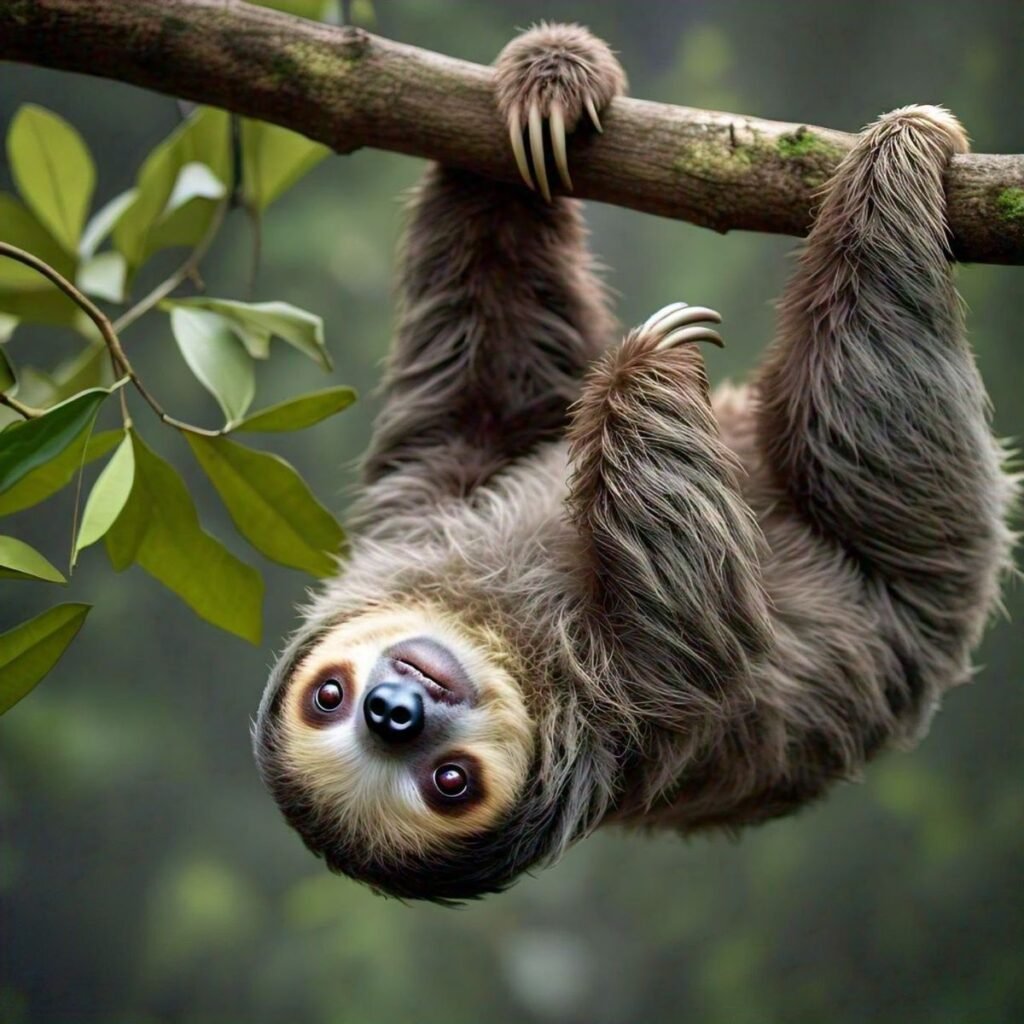
The sloth is famously among the most uncoordinated creatures on the planet. Built for hanging upside down with long limbs and curved claws, sloths become almost helpless on the ground, dragging their bodies forward in a slow, awkward crawl that leaves them vulnerable to predators.
Moreover, their extreme slowness is a survival strategy, not a flaw. Sloths move so little that algae grow on their fur, providing natural camouflage in the rainforest canopy. Their leisurely pace conserves energy from a low-calorie diet of leaves.
Three-toed sloths inhabit the tropical rainforests of Central and South America, spending nearly their entire lives high in the treetops.
As slow-moving herbivores, sloths support a tiny ecosystem of insects and algae within their own fur. Deforestation remains their greatest threat, shrinking the canopy highways they depend on to survive.
Fun Fact: Sloths only descend from the trees about once a week to relieve themselves — one of their few risky ventures to the ground.
Giraffe
Scientific Name: Giraffa camelopardalis
Class: Mammalia
Diet: Herbivore
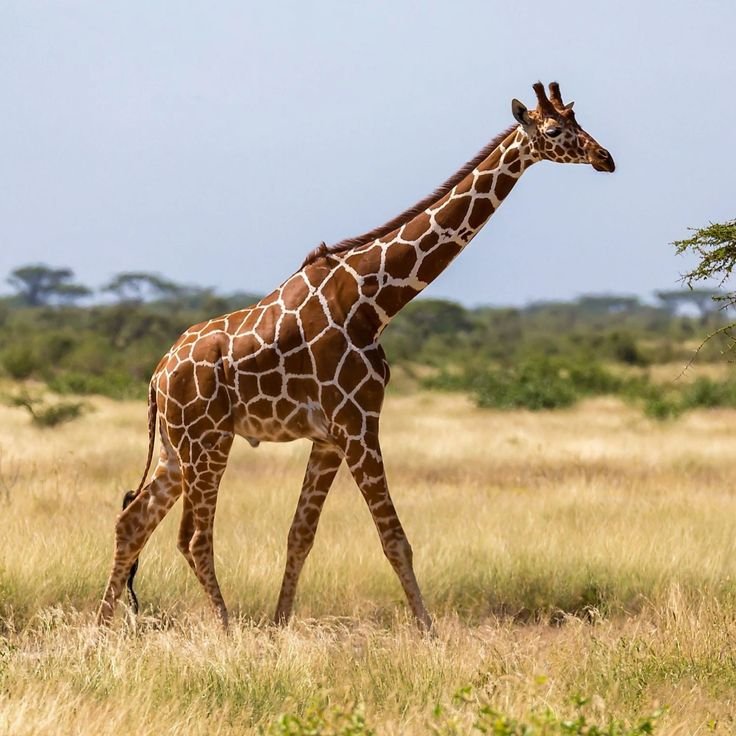
The giraffe is a study in graceful awkwardness. Towering over the savanna on impossibly long legs and necks, giraffes move with a swaying, uncoordinated gait, especially when running. Their most clumsy moment comes at the watering hole, where they must splay their front legs wide and bend down in a precarious, vulnerable stance just to drink.
Remarkably, this awkward drinking posture is supported by extraordinary biology. A network of blood vessels called the rete mirabile prevents a dangerous blood-pressure surge to the brain each time the giraffe raises or lowers its enormous head.
Giraffes roam the savannas and open woodlands of sub-Saharan Africa, browsing high foliage that few other animals can reach.
As tall browsers, giraffes shape the growth of acacia trees and help disperse seeds across the landscape. Yet their numbers have dropped nearly 30% over recent decades, and three of the four giraffe species are now considered highly threatened.
Fun Fact: Giraffes drink so infrequently — sometimes only every few days — because they absorb most of their moisture from juicy leaves.
Ostrich
Scientific Name: Struthio camelus
Class: Aves
Diet: Omnivore
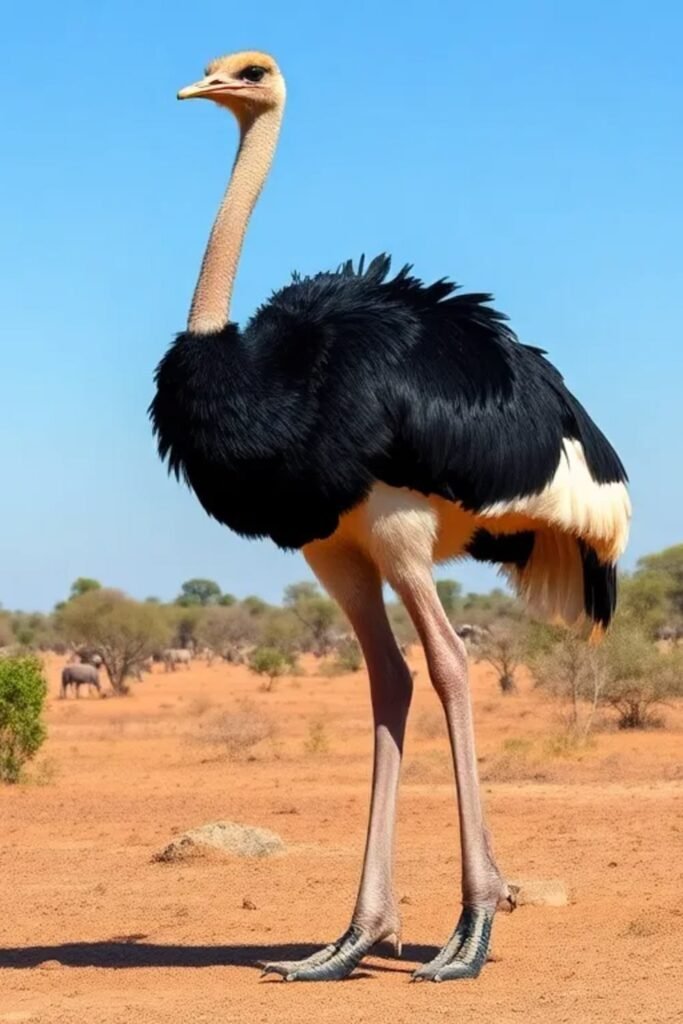
The ostrich is the world’s largest bird, and while it’s a phenomenal sprinter, it can appear remarkably clumsy in other ways. Its towering frame, long neck, and gangly legs give it an ungainly, top-heavy look, especially when it lowers its small head to the ground or shifts direction abruptly.
Interestingly, what the ostrich lacks in grace it makes up for in raw speed. Unable to fly, it can sprint up to 45 miles per hour, using its powerful legs to outrun predators across open plains.
Ostriches inhabit the savannas and semi-arid deserts of Africa, where their keen eyesight and speed keep them safe in exposed terrain.
As large omnivores, ostriches help control insect populations and disperse plant seeds. Though currently of least concern, wild populations face pressure from habitat loss and hunting in certain regions.
Fun Fact: An ostrich’s eye is bigger than its brain — one of the largest eyes of any land animal.
Walrus
Scientific Name: Odobenus rosmarus
Class: Mammalia
Diet: Carnivore
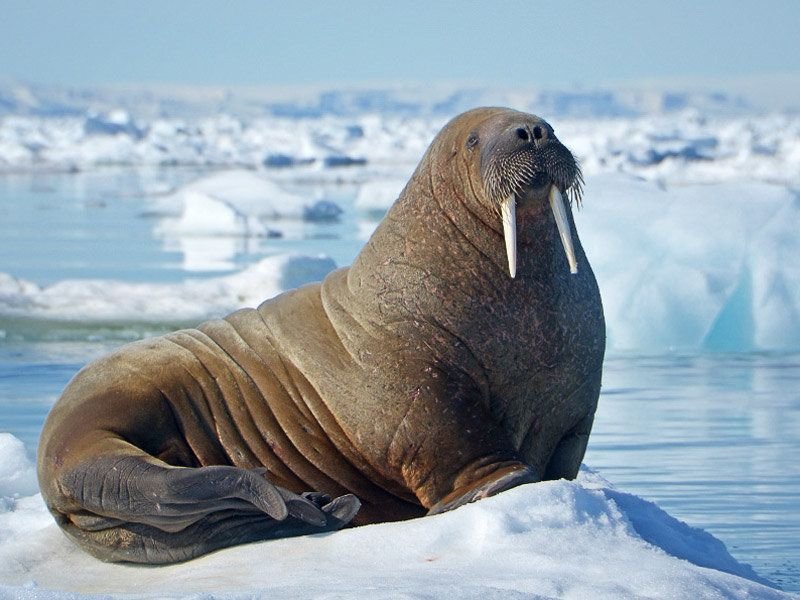
On land, the walrus is the very picture of clumsiness. Weighing up to 1.5 tons, these massive marine mammals heave and drag their blubbery bodies across ice and rocky shores, hauling themselves along with their tusks and flippers in slow, laborious movements.
Yet beyond their cumbersome land presence, walruses are surprisingly agile in the water. Their streamlined bodies and powerful flippers let them glide and dive with ease as they forage the seafloor for clams and other shellfish.
Walruses inhabit the frigid Arctic waters and ice floes of the Northern Hemisphere, relying on sea ice as resting platforms between feeding dives.
As bottom-feeders, walruses stir up nutrients from the ocean floor, supporting the wider Arctic food web. However, melting sea ice driven by climate change poses a serious and growing threat to their survival.
Fun Fact: A walrus uses the sensitive whiskers on its snout, called vibrissae, to detect shellfish buried in the dark, murky seabed.
Flamingo
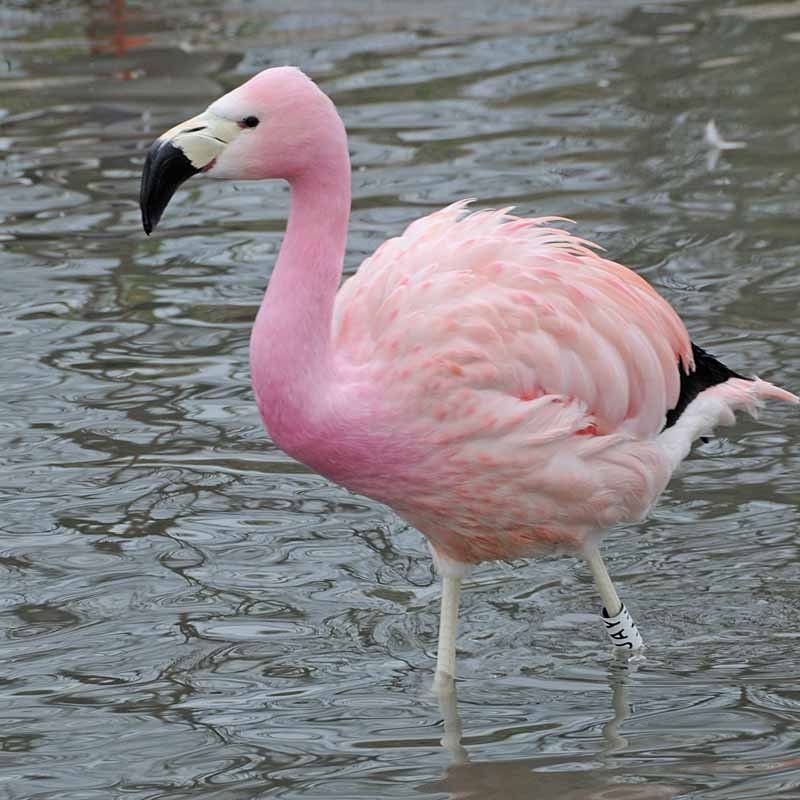
Scientific Name: Phoenicopterus ruber
Class: Aves
Diet: Omnivore
The flamingo possesses some of the thinnest legs in the animal kingdom, making balance a constant, wobbly challenge. Perched on stilt-like limbs, these pink birds often teeter and sway, and their gangly takeoffs — a clumsy running start across the water — are far from elegant.
What sets flamingos apart is their remarkable feeding technique. They hold their heads upside down in the water, filtering tiny algae and crustaceans through comb-like plates in their bills. This same diet gives them their iconic pink coloration.
Flamingos gather in enormous flocks across shallow lakes, lagoons, and mudflats in Africa, the Americas, and parts of Europe and Asia.
As filter feeders, flamingos help regulate algae and brine shrimp populations in their wetland habitats. Pollution, habitat drainage, and disturbance to their fragile breeding sites remain ongoing conservation concerns.
Fun Fact: Flamingos often stand on one leg for hours — a posture believed to help them conserve body heat in cool water.
Manatee
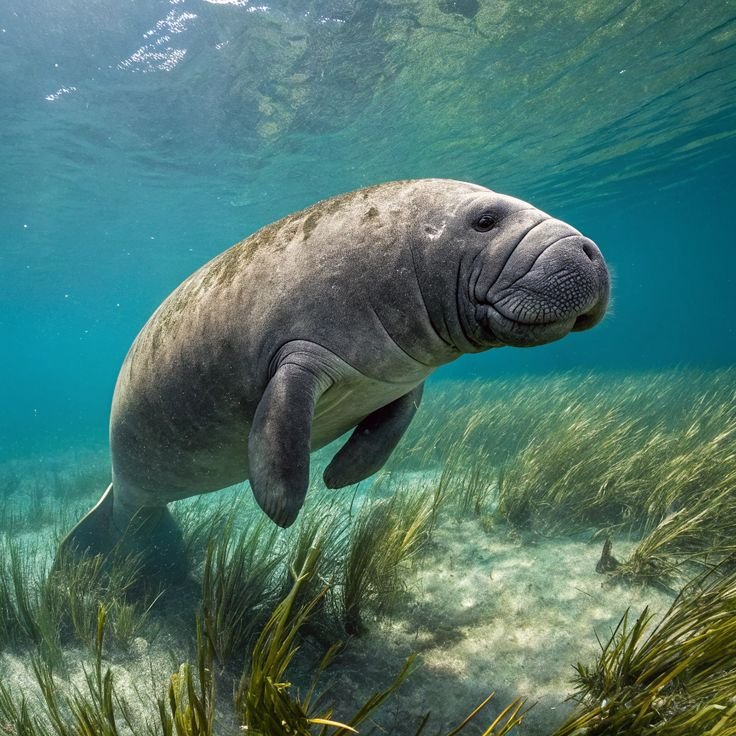
Scientific Name: Trichechus manatus
Class: Mammalia
Diet: Herbivore
Often called “sea cows,” manatees face the world with gentle, endearing awkwardness. Weighing over a thousand pounds, these slow-moving giants cruise at just 3 to 5 miles per hour and have almost no ability to steer quickly, often bumping clumsily into obstacles in shallow water.
Moreover, their leisurely pace is a natural fit for their lifestyle. With tails built for slow, steady propulsion rather than sharp turns, manatees drift peacefully through warm waters, grazing on seagrass and aquatic plants for hours each day.
Manatees inhabit the warm coastal waters, rivers, and springs of the southeastern United States, the Caribbean, and parts of South America.
As voracious grazers, manatees help keep waterways healthy by trimming aquatic vegetation. Sadly, boat collisions, habitat loss, and cold-water stress make them one of the most vulnerable marine mammals.
Fun Fact: A manatee can eat up to 10% of its body weight in vegetation every single day.
Hippopotamus

Scientific Name: Hippopotamus amphibius
Class: Mammalia
Diet: Herbivore
The hippopotamus looks the part of a clumsy animal, with its enormous barrel-shaped body, stubby legs, and slow, waddling gait on land. Its bulky frame and low posture give it an ungainly appearance as it lumbers between water and grazing grounds.
Yet, beyond that awkward exterior lies surprising power. Despite their bulk, hippos can charge at up to 19 miles per hour on land, and in water they move with unexpected buoyancy, gliding and pushing off the riverbed with grace.
Hippos inhabit the rivers, lakes, and wetlands of sub-Saharan Africa, spending their days submerged to keep cool and their nights grazing on land.
As semi-aquatic grazers, hippos enrich aquatic ecosystems by transferring nutrients between land and water. However, habitat loss and poaching for ivory tusks have left them classified as vulnerable.
Fun Fact: Hippos secrete a reddish oily substance often called “blood sweat,” which acts as a natural sunscreen and antibiotic.
Kakapo
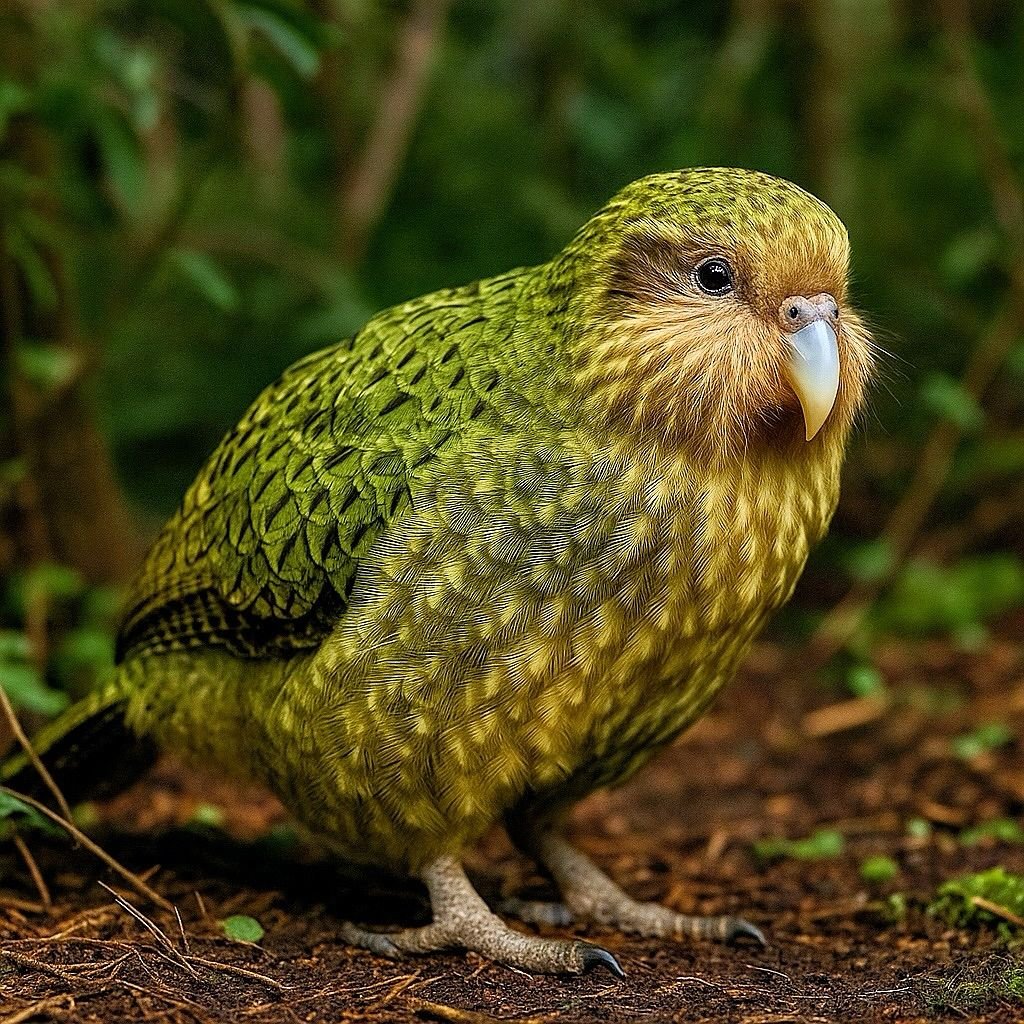
Scientific Name: Strigops habroptilus
Class: Aves
Diet: Herbivore
The kakapo is a flightless, moss-green parrot from New Zealand with a chunky build, an owl-like face, and a waddling, catlike gait. Unable to fly, it climbs trees slowly and often “parachutes” clumsily to the ground, landing with an ungraceful thump.
Interestingly, the kakapo evolved in a land without native mammalian predators, which allowed it to become heavy, ground-dwelling, and gloriously uncoordinated. Its defense strategy is to freeze and rely on camouflage rather than flee.
Kakapos once roamed across New Zealand but now survive only on a few carefully managed, predator-free islands.
As nocturnal herbivores, kakapos help disperse native plant seeds. Tragically, they are critically endangered, with only a few hundred birds remaining, making them one of the most intensively protected animals on the planet.
Fun Fact: The kakapo is the world’s heaviest parrot and can live for up to 90 years or more.
Atlantic Puffin
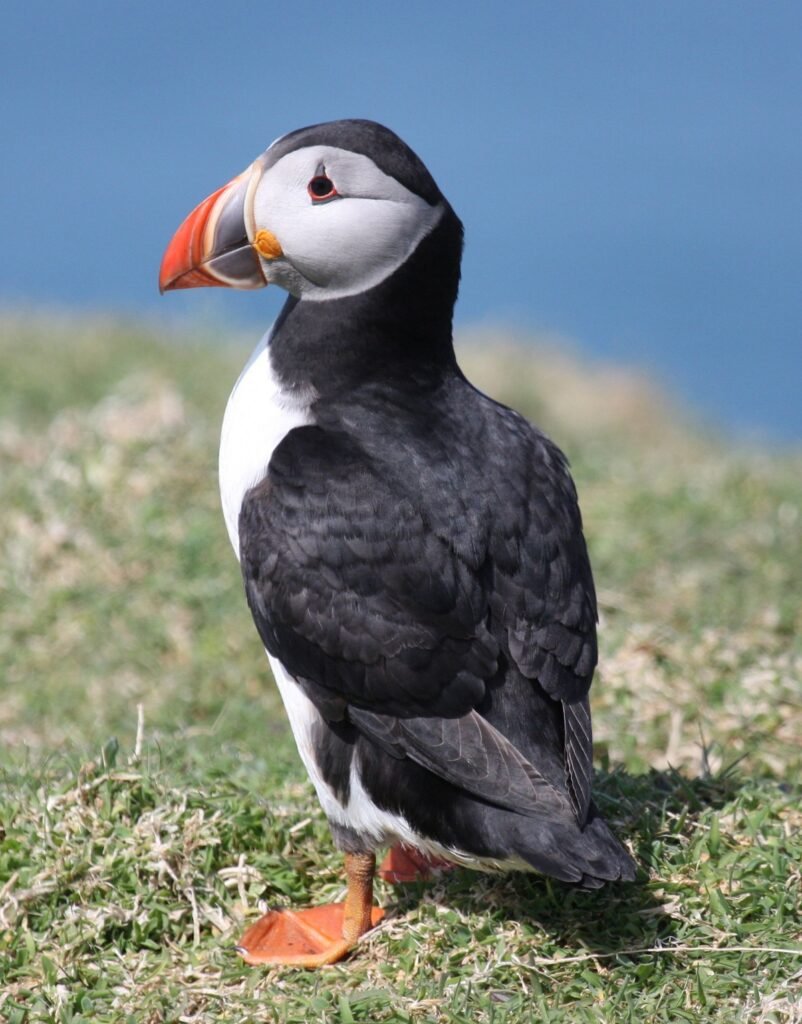
Scientific Name: Fratercula arctica
Class: Aves
Diet: Carnivore
The Atlantic puffin is an excellent swimmer and a decent flier — but landing is a disaster nearly every time. With small, narrow wings built for underwater propulsion, puffins come in too fast, misjudge cliff ledges, and either crash face-first or tumble sideways into their neighbors.
What sets puffins apart is the very trade-off that makes them clumsy. Their compact wings work wonderfully for “flying” through water to chase fish, but they make precise aerial landings almost impossible.
Puffins nest in large colonies on the rocky coastal cliffs and islands of the North Atlantic, from Iceland and Norway to the coasts of Canada and the British Isles.
As fish-eating seabirds, puffins are important indicators of a healthy marine ecosystem. Overfishing, pollution, and warming seas that reduce their prey have led to their classification as vulnerable.
Fun Fact: A puffin can hold around a dozen small fish crosswise in its colorful beak at once thanks to backward-facing spines on its tongue.
Frigatebird
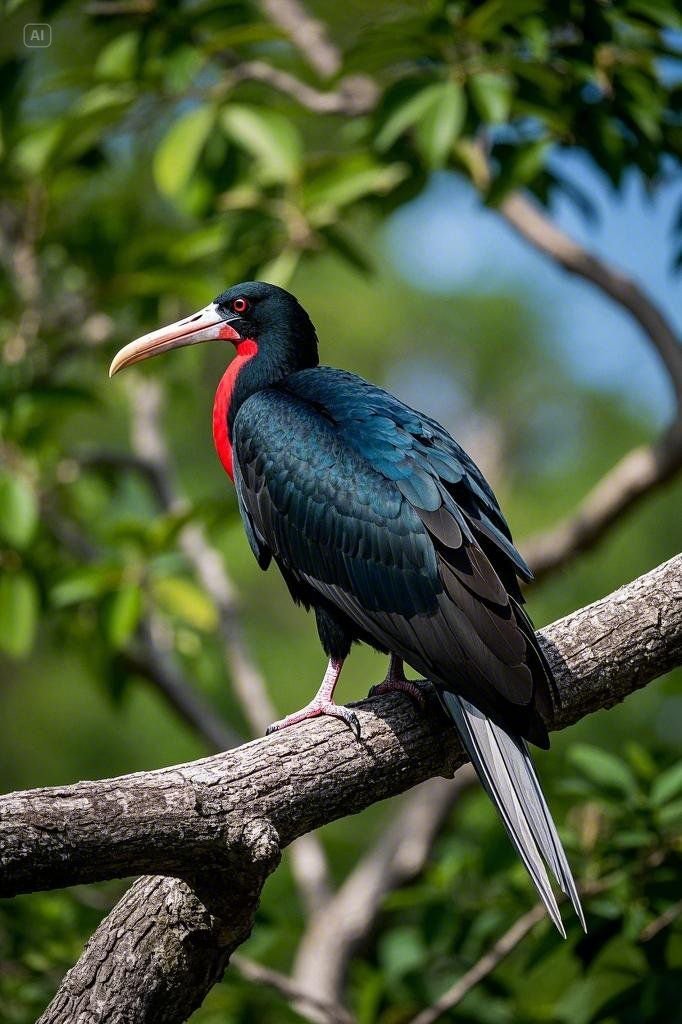
Scientific Name: Fregata magnificens
Class: Aves
Diet: Carnivore
The frigatebird is a master of the skies but a comedy of errors on land and water. With enormous wingspans and tiny legs, these seabirds can barely walk and cannot take off from flat ground or swim, making any landing an awkward, precarious affair.
Moreover, their slapstick reputation comes from their feeding habits. Frigatebirds are notorious kleptoparasites, chasing other seabirds mid-air and harassing them until they drop their catch, which the frigatebird then snatches in a chaotic aerial scramble.
Frigatebirds soar over tropical and subtropical oceans, particularly around the coasts and islands of the Americas.
As aerial predators and scavengers, they help regulate seabird dynamics across their range. Currently of least concern, they still depend on undisturbed nesting islands, where human activity can disrupt their fragile colonies.
Fun Fact: Male frigatebirds inflate a huge red throat pouch like a balloon to attract mates during the breeding season.
Sea Lion
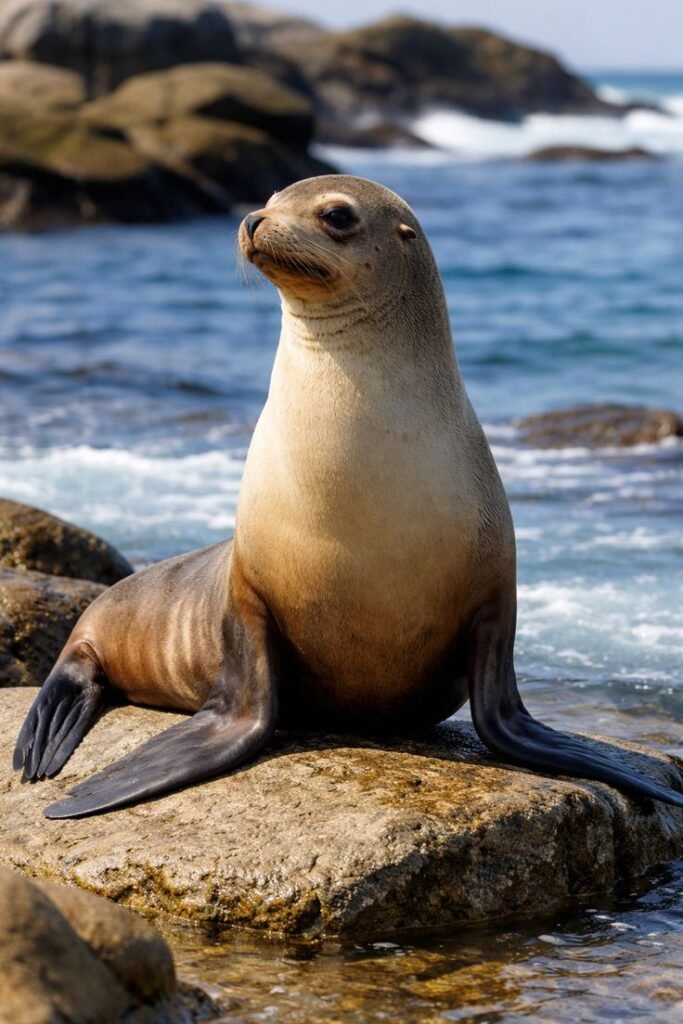
Scientific Name: Zalophus californianus
Class: Mammalia
Diet: Carnivore
On land, the sea lion shuffles and lurches with an unmistakably clumsy gait, hauling its heavy body across rocks and beaches using its flippers in a rolling, awkward motion. Their bulk and short limbs make land travel look like hard work.
Yet beyond that ungainly land movement, sea lions are extraordinarily agile underwater. They twist, dive, and dart with acrobatic ease, using their powerful front flippers to “fly” through the ocean in pursuit of fish and squid.
California sea lions inhabit the coastal waters and rocky shorelines of the eastern Pacific, often gathering in noisy colonies on docks, buoys, and beaches.
As marine predators, sea lions help balance fish populations along the coast. Though currently abundant, they remain vulnerable to ocean pollution, entanglement in fishing gear, and shifts in prey caused by warming seas.
Fun Fact: Unlike true seals, sea lions can rotate their hind flippers forward, letting them “walk” on land — though not very gracefully.
Wild Turkey
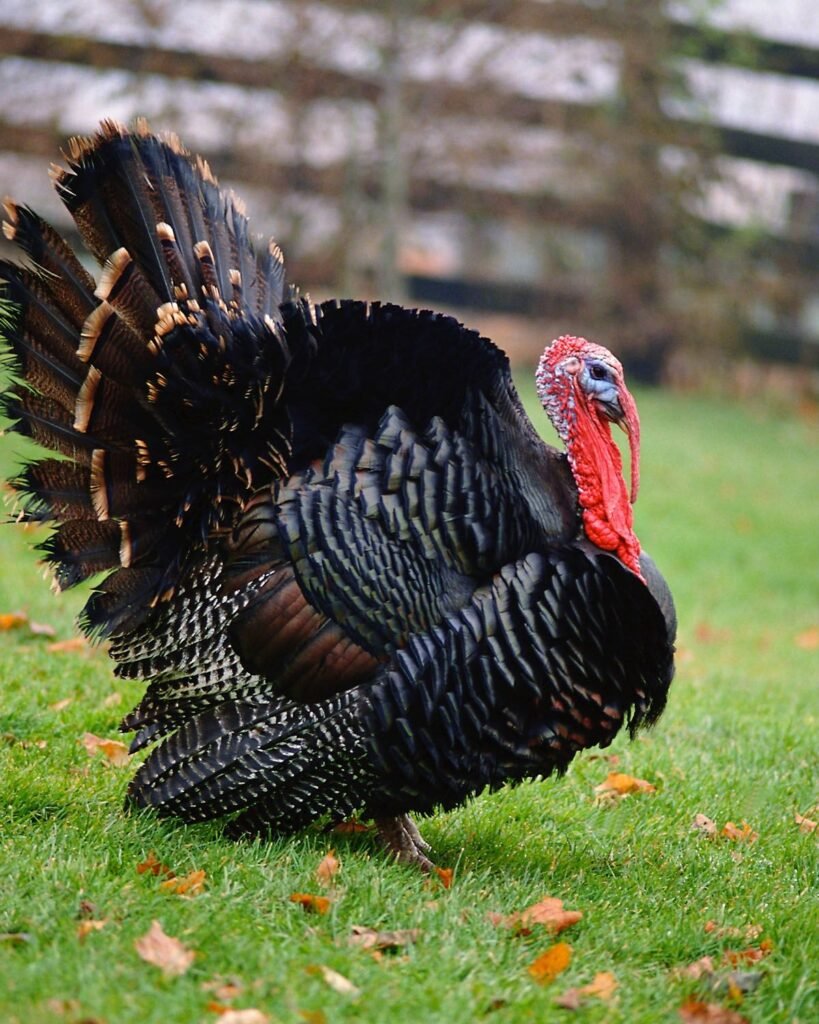
Scientific Name: Meleagris gallopavo
Class: Aves
Diet: Omnivore
The wild turkey is a large, top-heavy bird that often looks awkward as it struts, bobs, and stumbles across open ground. Its bulky body and small head give it an ungainly appearance, and its labored, noisy flights into trees are anything but graceful.
Interestingly, despite their clumsy reputation, wild turkeys are far more capable than their domestic cousins. They can run swiftly and burst into short, powerful flights to escape predators, roosting safely in trees at night.
Wild turkeys inhabit the forests, woodlands, and grasslands of North America, foraging for seeds, nuts, insects, and small reptiles.
As omnivorous foragers, turkeys help disperse seeds and control insect populations. Once nearly wiped out by overhunting, they have made a remarkable comeback thanks to successful conservation and reintroduction programs.
Fun Fact: Wild turkeys can fly for short bursts at speeds up to 55 miles per hour, despite their heavy, clumsy build.
Blobfish

Scientific Name: Psychrolutes marcidus
Class: Actinopterygii
Diet: Carnivore
The blobfish earned worldwide fame as one of the ugliest and most awkward-looking animals on Earth but this reputation is misleading. Its famous droopy, gelatinous appearance only occurs when it is hauled to the surface, where the sudden pressure change causes its body to collapse into a shapeless blob.
What sets the blobfish apart is its adaptation to extreme depths. In its natural deep-sea home, immense pressure holds its soft, low-density body in a normal fish shape, letting it drift just above the seafloor with minimal effort.
Blobfish live in the deep waters off the coasts of Australia, Tasmania, and New Zealand, hundreds of meters below the surface.
As a passive predator, the blobfish feeds on whatever edible matter floats by, helping recycle nutrients in the deep sea. Accidental capture in deep-sea trawling nets remains its greatest threat.
Fun Fact: The blobfish barely uses any energy to hunt — it simply opens its mouth and waits for food to drift in.
Colugo
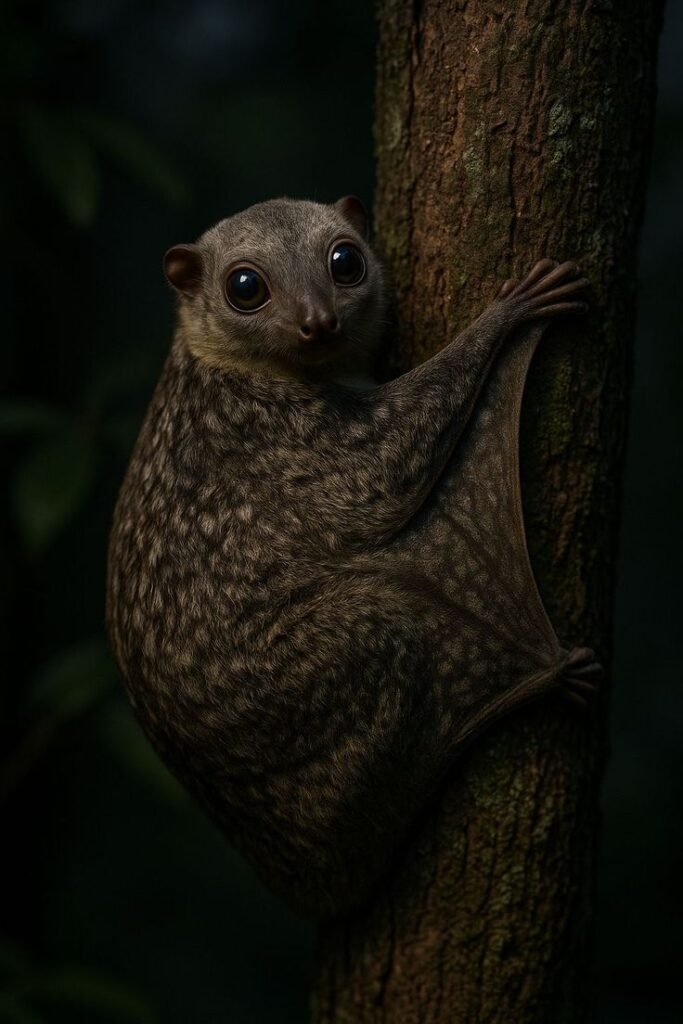
Scientific Name: Galeopterus variegatus
Class: Mammalia
Diet: Herbivore
The colugo, often called the “flying lemur,” is graceful in the air but remarkably clumsy on the ground. It cannot truly fly, and it cannot walk well either — its limbs are built for gliding and hanging, so on a flat surface it hops and drags itself along in an awkward, ungainly manner.
Moreover, once airborne, the colugo transforms. A large membrane stretching between its limbs lets it glide over 100 meters between trees, making it one of the most accomplished gliding mammals in the world.
Colugos inhabit the tropical rainforests of Southeast Asia, spending their lives among the treetops where their gliding ability shines.
As leaf- and fruit-eaters, colugos contribute to seed dispersal across the forest canopy. Deforestation and habitat loss are their primary threats, shrinking the forests they need to glide and feed.
Fun Fact: A mother colugo carries her baby on her belly, even while gliding through the air between trees.
Pelican
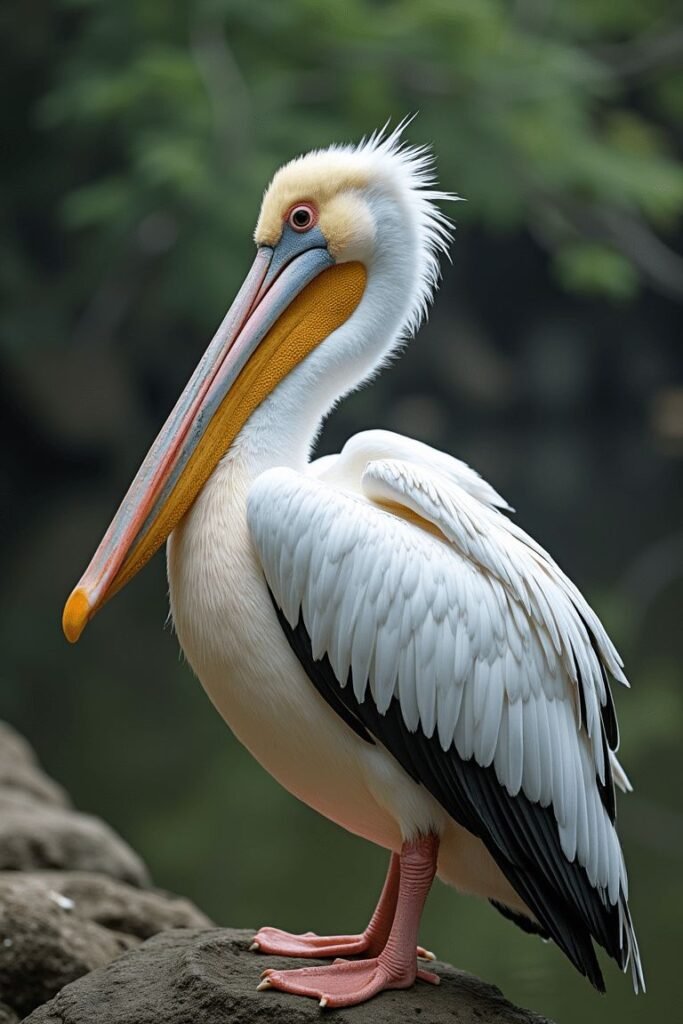
Scientific Name: Pelecanus onocrotalus
Class: Aves
Diet: Carnivore
The pelican is a large, heavy-bodied bird with short legs that make it look distinctly clumsy on land, shuffling about with an ungainly, top-heavy gait. Taking off is an even bigger struggle — without a helping wind, pelicans must run across the water’s surface, beating their huge wings and slapping their webbed feet in unison just to gain enough speed to lift off.
Yet, beyond that awkward launch, pelicans are astonishingly skilled hunters. Many species plunge-dive from the air, folding their wings and crashing into the water to scoop up fish in their enormous, stretchy throat pouches.
Pelicans inhabit coastlines, lakes, and wetlands across warm and temperate regions of the world, often gathering in large, cooperative flocks.
As fish-eating birds, pelicans help regulate fish populations and signal the health of aquatic ecosystems. Pollution, habitat loss, and declining fish stocks remain ongoing threats to several pelican species.
Fun Fact: A pelican’s throat pouch can hold up to three gallons of water — more than its own stomach can hold.
Wombat
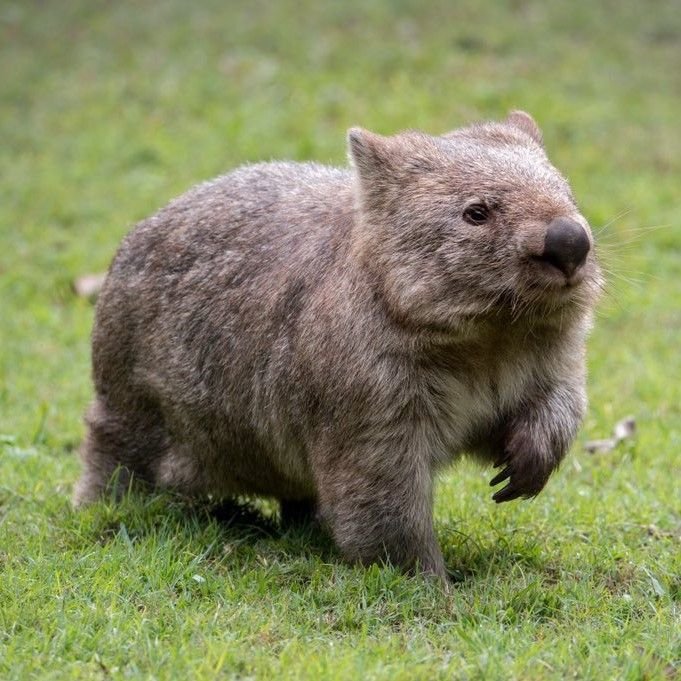
Scientific Name: Vombatus ursinus
Class: Mammalia
Diet: Herbivore
The wombat is a stocky, barrel-shaped marsupial with short legs and a heavy body, giving it a slow, rolling waddle that looks charmingly clumsy. Its sturdy, low-slung build makes it appear to lumber rather than walk as it moves across the Australian landscape.
Interestingly, this clumsy-looking body is built for power, not grace. Wombats are formidable diggers, using their strong limbs and claws to excavate extensive burrow systems, and they can put on a surprising burst of speed when threatened.
Wombats inhabit the forests, grasslands, and mountainous regions of southern and eastern Australia, spending much of their time underground in cool burrows.
As burrowing herbivores, wombats aerate the soil and create shelters used by other species. Habitat loss, road collisions, and disease pose serious threats to some wombat populations.
Fun Fact: The wombat is the only animal in the world that produces cube-shaped droppings, which help mark its territory without rolling away.
Giant Anteater
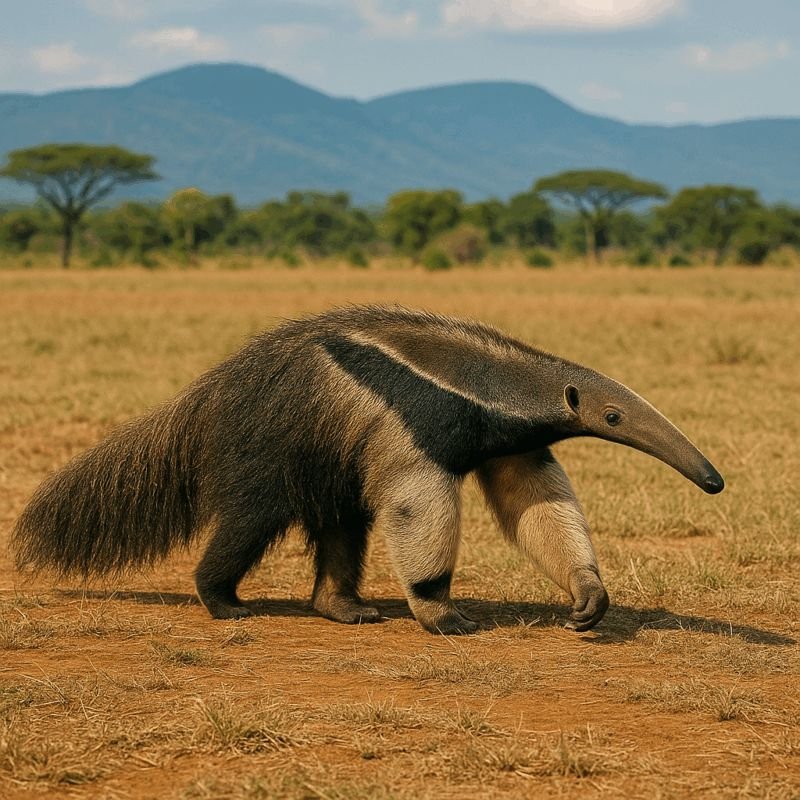
Scientific Name: Myrmecophaga tridactyla
Class: Mammalia
Diet: Insectivore
The giant anteater moves with a slow, shuffling, and decidedly awkward gait. To protect its enormous curved foreclaws, it walks on the knuckles of its front feet, creating an unusual, lumbering shuffle that makes it look clumsy and off-balance as it roams.
Moreover, what appears clumsy is actually a clever adaptation. By tucking its claws away while walking, the anteater keeps them razor-sharp for tearing open termite mounds and ant nests, its primary source of food.
Giant anteaters inhabit the grasslands, savannas, and rainforests of Central and South America, covering large areas in search of insect colonies.
As specialized insect-eaters, anteaters help control ant and termite populations across their range. Habitat destruction, wildfires, and road accidents have made the giant anteater a vulnerable species.
Fun Fact: A giant anteater’s sticky tongue can be up to 60 cm (2 feet) long and flick in and out around 150 times per minute.
Peacock
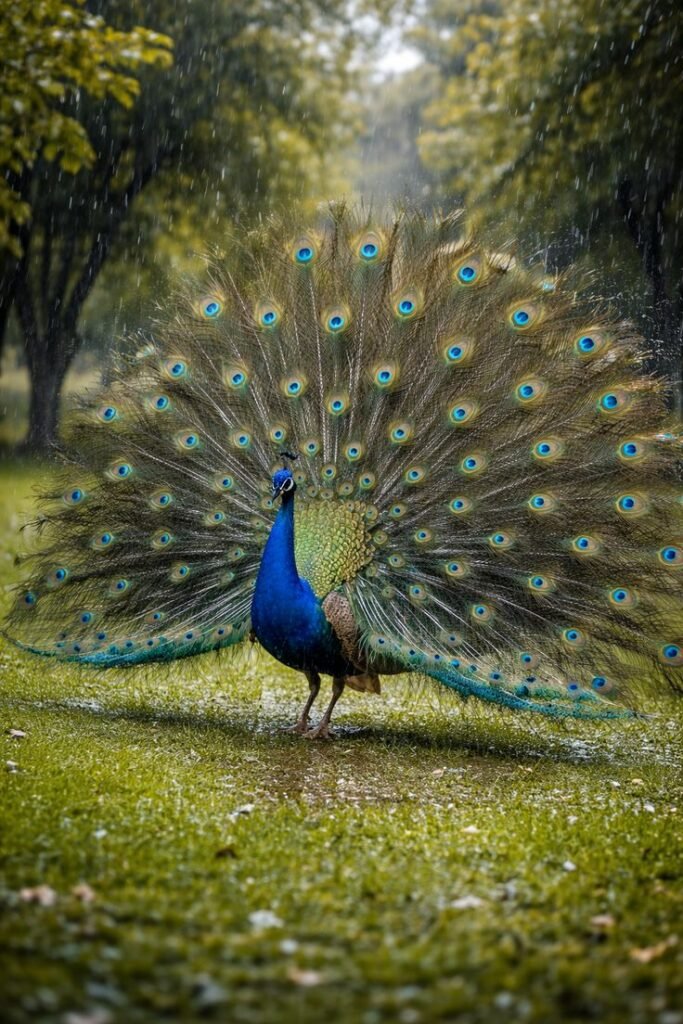
Scientific Name: Pavo cristatus
Class: Aves
Diet: Omnivore
The peacock is famous for its dazzling display, but that beauty comes at the cost of grace. Weighed down by its extravagantly long train of shimmering feathers, the peacock’s takeoffs and short flights are laboured and awkward, and it often appears top-heavy and unsteady when navigating the ground.
What sets the peacock apart is the very feature that makes it clumsy. The male’s iridescent train, which can make up more than half his body length, is a powerful tool for attracting mates through elaborate fanning displays.
Peacocks are native to the forests and grasslands of South Asia, though they are now found in parks and reserves around the world.
As omnivorous foragers, peacocks help control insects and disperse seeds. While the Indian peacock is currently of least concern, habitat loss and poaching for feathers can pressure local populations.
Fun Fact: Despite their heavy trains, peacocks can still fly short distances and often roost in tall trees at night to stay safe from predators.
Read: Animals That Eat Oranges
Read: Animals That Look Like Rats
Read: Birds With Long Necks
Read: Rarest Animals in the World
Read: Animals Like Weasels
Frequently Asked Questions
Conclusion
From tumbling pandas to belly-sliding penguins and waddling wombats, the world’s clumsy animals remind us that grace comes in many forms. Their awkward movements are rarely weaknesses instead, they reflect brilliant evolutionary trade-offs that make each species a specialist in its own environment. These lovable, uncoordinated creatures enrich our planet’s biodiversity and play essential roles in their ecosystems, from dispersing seeds to balancing food chains.
One Comment