
Top 12 Animals That Eat Cactus in The World (With Images)
Did you know that some animals happily munch through a cactus covered in sharp spines without getting hurt? In harsh, dry deserts where food and water are scarce, the cactus is a lifesaver. Packed with moisture and nutrients, it provides both a meal and a drink for creatures tough enough to get past its prickly defenses.
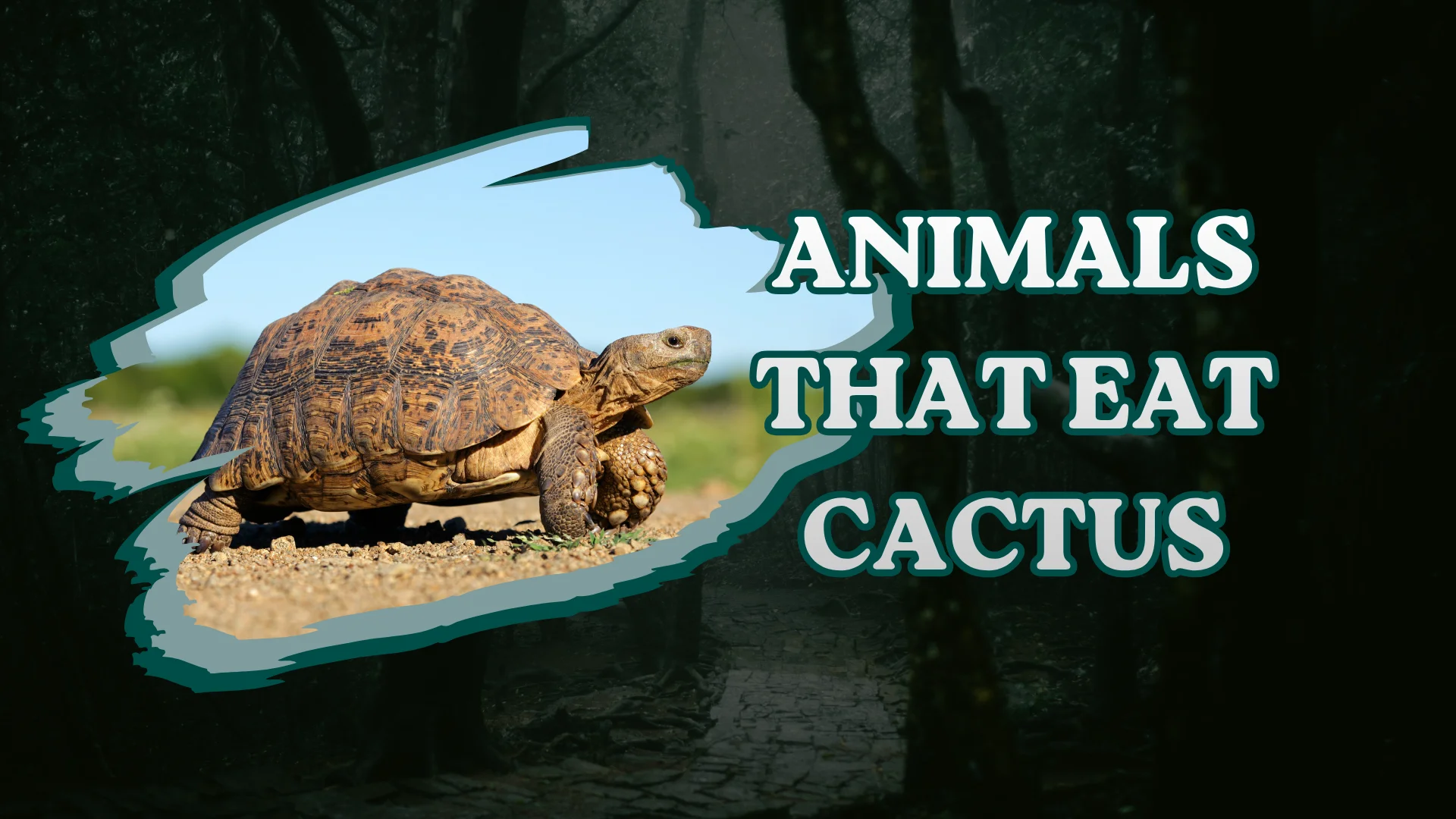
From camels and tortoises to javelinas and clever birds, a surprising range of animals rely on cactus to survive. In this guide, we’ll explore the top 12 animals that eat cactus, uncovering how they handle one of nature’s spiniest snacks.
List of Animals That Eat Cactus in The World
| Rank | Animal | Scientific Name |
|---|---|---|
| 1 | Camel | Camelus dromedarius |
| 2 | Javelina | Pecari tajacu |
| 3 | Desert Tortoise | Gopherus agassizii |
| 4 | Prairie Dog | Cynomys ludovicianus |
| 5 | Pack Rat | Neotoma |
| 6 | Ground Squirrel | Otospermophilus |
| 7 | Jackrabbit | Lepus californicus |
| 8 | Gila Woodpecker | Melanerpes uropygialis |
| 9 | Cactus Mouse | Peromyscus eremicus |
| 10 | Iguana | Iguana iguana |
| 11 | Coyote | Canis latrans |
| 12 | Tortoise Beetle | Cassidinae |
Camel
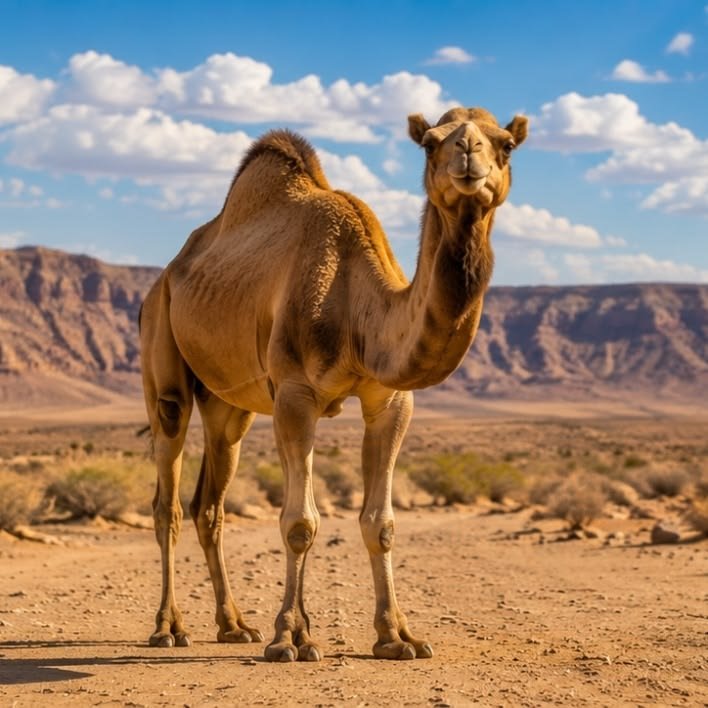
Scientific Name: Camelus dromedarius
Class: Mammalia
Diet: Herbivore
The camel is famous for eating cactus, spines and all, without any apparent discomfort. It is superbly adapted to harsh deserts.
Interestingly, the camel’s mouth is lined with tough, cone-shaped structures called papillae that help it chew spiny plants safely. These guide the sharp cactus spines down without injury.
Camels inhabit the deserts of the Middle East, Africa, and Asia, feeding on thorny plants, dry grasses, and shrubs.
As desert survivors, camels can eat plants few other animals can. Domesticated camels are widespread, while some wild relatives are endangered.
Fun Fact: A camel’s mouth is lined with tough papillae that let it chew and swallow sharp cactus spines without getting hurt.
Javelina
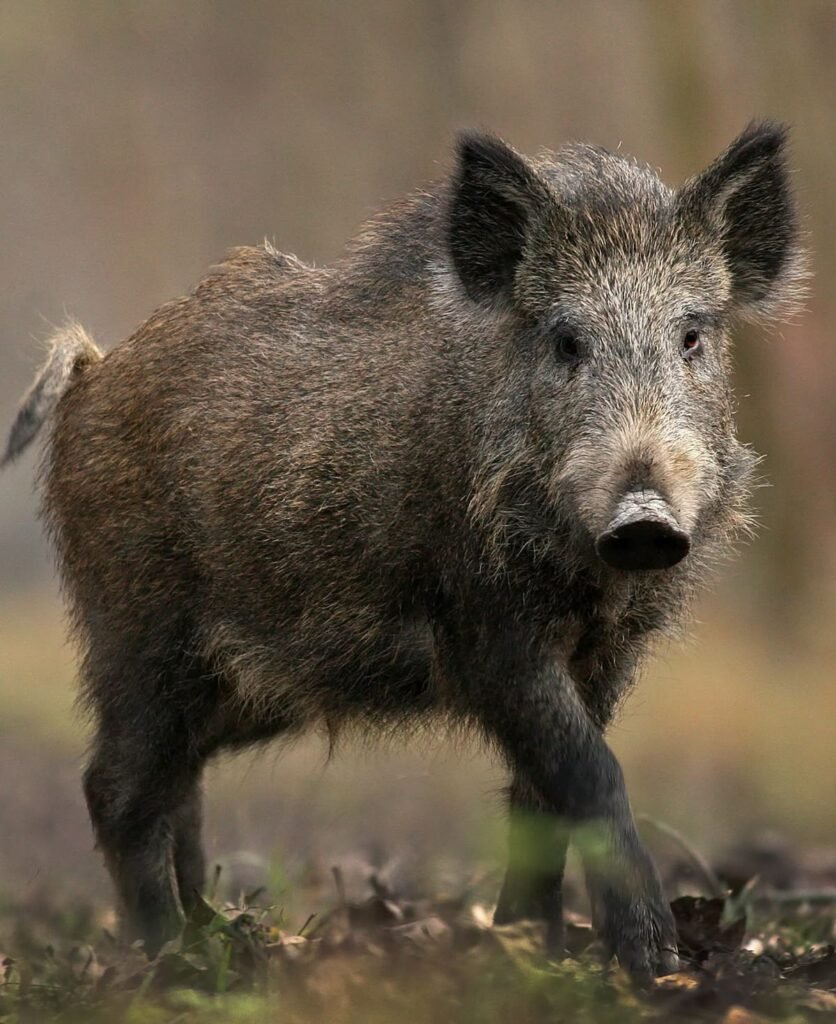
Scientific Name: Pecari tajacu
Class: Mammalia
Diet: Omnivore
The javelina, or collared peccary, is a pig-like desert animal that eats prickly pear cactus as a staple food. Cactus provides it with vital water.
Moreover, the javelina eats the pads, fruit, and even spines of the prickly pear. This cactus is such an important food that it makes up a large part of its diet.
Javelinas inhabit the deserts and scrublands of the southwestern United States and Central and South America, feeding on cactus, roots, and fruit.
As desert foragers, javelinas help disperse cactus seeds. They remain widespread and of Least Concern.
Fun Fact: Prickly pear cactus is so important to javelinas that it provides much of the water they need to survive.
Desert Tortoise
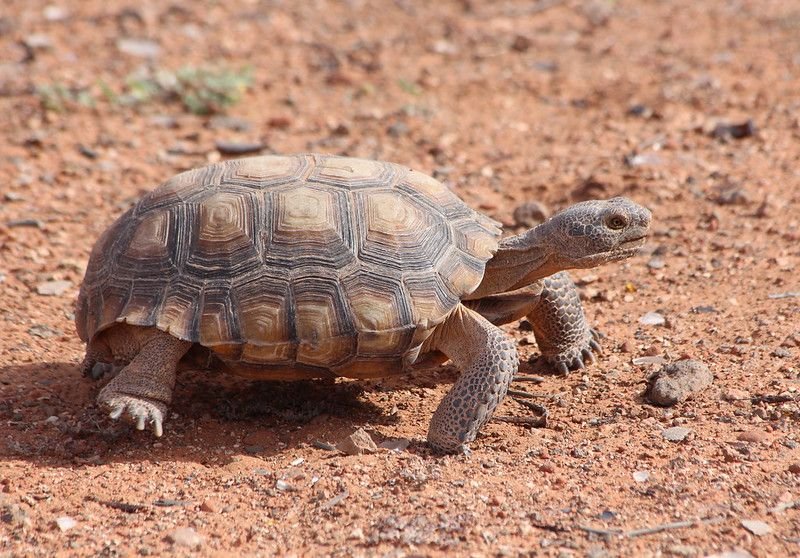
Scientific Name: Gopherus agassizii
Class: Reptilia
Diet: Herbivore
The desert tortoise feeds on cactus, especially the pads and fruit of the prickly pear. Cactus is a key source of moisture.
Interestingly, the desert tortoise gets much of its water from the juicy cactus it eats, helping it survive long dry spells. It can store water in its bladder for months.
Desert tortoises inhabit the deserts of the southwestern United States and Mexico, feeding on grasses, wildflowers, and cactus.
As herbivores, desert tortoises help disperse seeds. Habitat loss has made them Vulnerable.
Fun Fact: A desert tortoise can store water in its bladder and survive up to a year without drinking, thanks partly to juicy cactus.
Prairie Dog
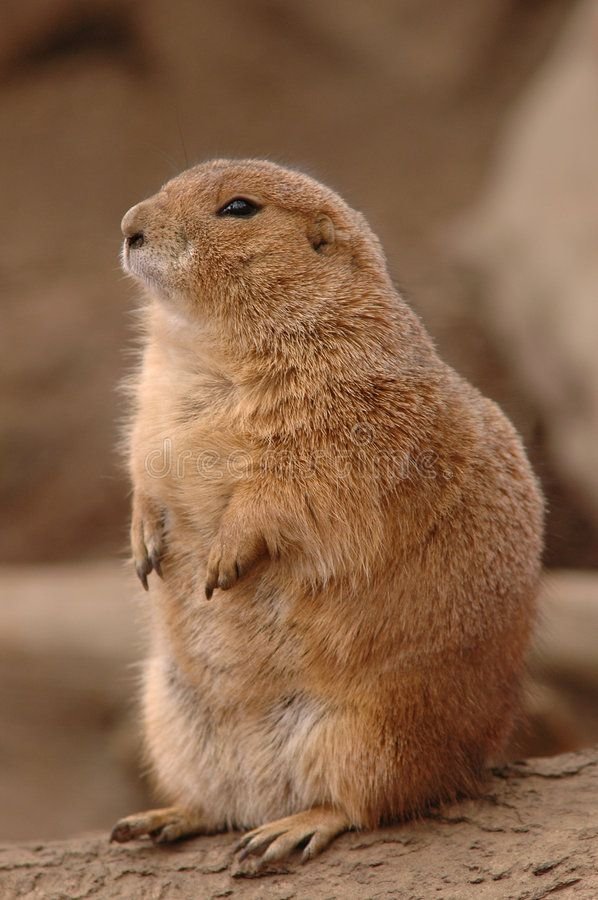
Scientific Name: Cynomys ludovicianus
Class: Mammalia
Diet: Herbivore
The prairie dog will eat cactus as part of its diet, especially in dry conditions. Cactus offers both food and moisture.
Moreover, the prairie dog nibbles on cactus pads and fruit when grasses are scarce. The plant helps it stay hydrated in dry grasslands.
Prairie dogs inhabit the grasslands and prairies of North America, living in large burrow colonies and feeding on grasses, seeds, and cactus.
As keystone species, prairie dogs support many other animals. Habitat loss has reduced their numbers in some areas.
Fun Fact: Prairie dogs turn to cactus for both food and water during dry spells when their usual grasses wither.
Pack Rat
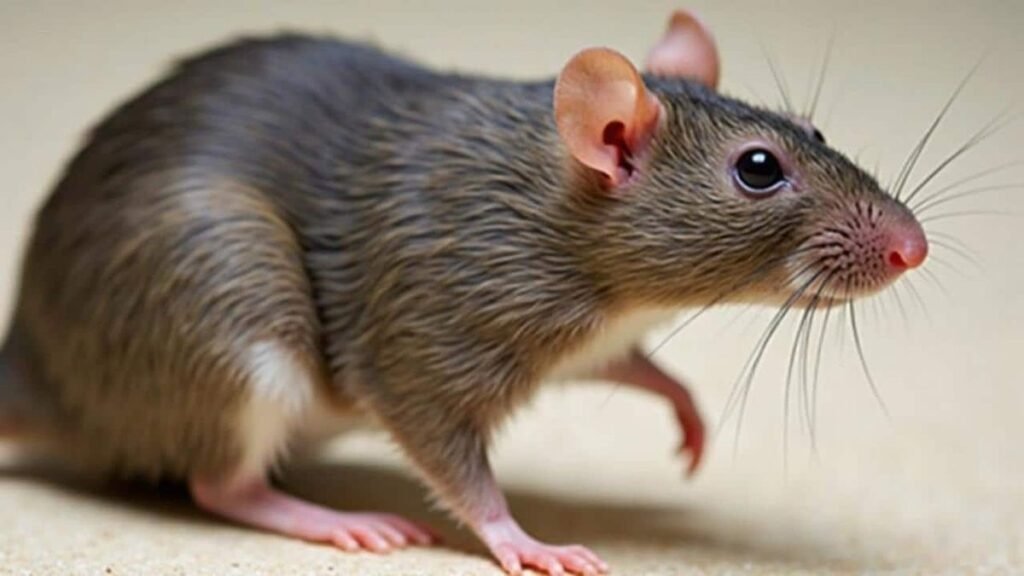
Scientific Name: Neotoma
Class: Mammalia
Diet: Herbivore
The pack rat, or wood rat, feeds on cactus and uses its spiny pads to protect its nest. It is a clever desert survivor.
Interestingly, the pack rat eats juicy cactus for food and moisture, and piles cactus spines around its den for defense. This prickly barrier keeps predators away.
Pack rats inhabit the deserts and scrublands of North America, feeding on cactus, seeds, and plants.
As foragers, pack rats help disperse seeds. They remain widespread and common.
Fun Fact: Pack rats build fortresses of cactus spines around their nests to keep hungry predators from getting in.
Ground Squirrel
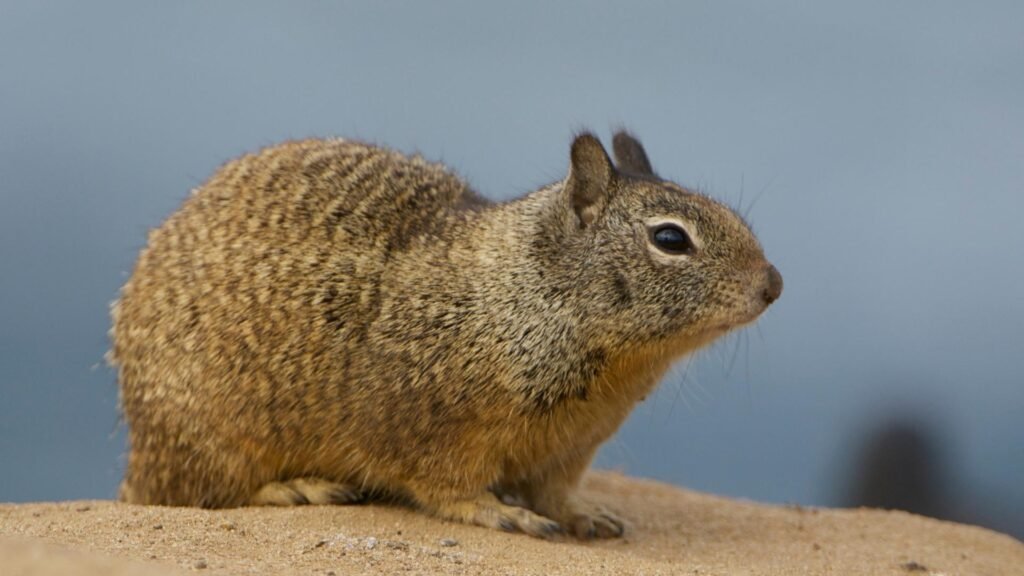
Scientific Name: Otospermophilus
Class: Mammalia
Diet: Omnivore
The ground squirrel eats cactus fruit and pads, especially in the dry desert heat. Cactus helps keep it hydrated.
Moreover, the ground squirrel gnaws into cactus to reach the moist flesh and sweet fruit. It is a common sight climbing on prickly pear and other desert plants.
Ground squirrels inhabit deserts and grasslands across North America, feeding on seeds, plants, and cactus.
As foragers, ground squirrels help disperse cactus seeds. They are widespread and common.
Fun Fact: Ground squirrels often climb right onto prickly pear cactus to feast on the ripe, juicy fruit.
Jackrabbit
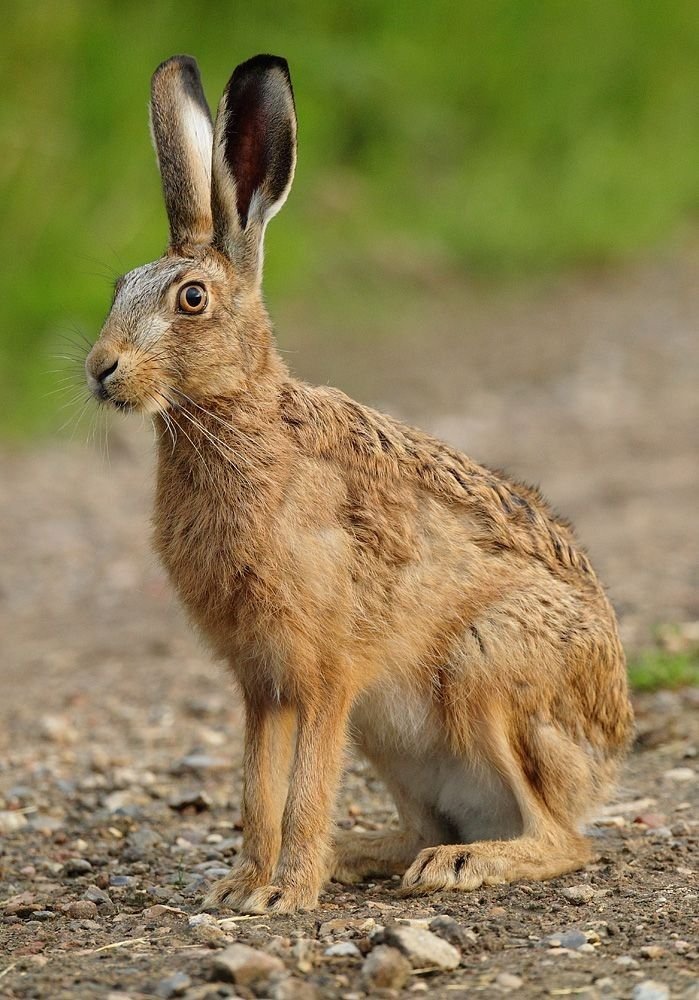
Scientific Name: Lepus californicus
Class: Mammalia
Diet: Herbivore
The jackrabbit eats cactus to survive the dry desert, getting both food and water from the juicy pads. It is well adapted to heat.
Interestingly, the jackrabbit chews through cactus for its moisture, helping it go long periods without drinking. Its large ears also help it stay cool in the desert heat.
Jackrabbits inhabit the deserts and grasslands of North America, feeding on grasses, shrubs, and cactus.
As desert herbivores, jackrabbits are important prey for many predators. They remain widespread and common.
Fun Fact: A jackrabbit gets much of its water from juicy cactus, letting it survive where standing water is rare.
Gila Woodpecker
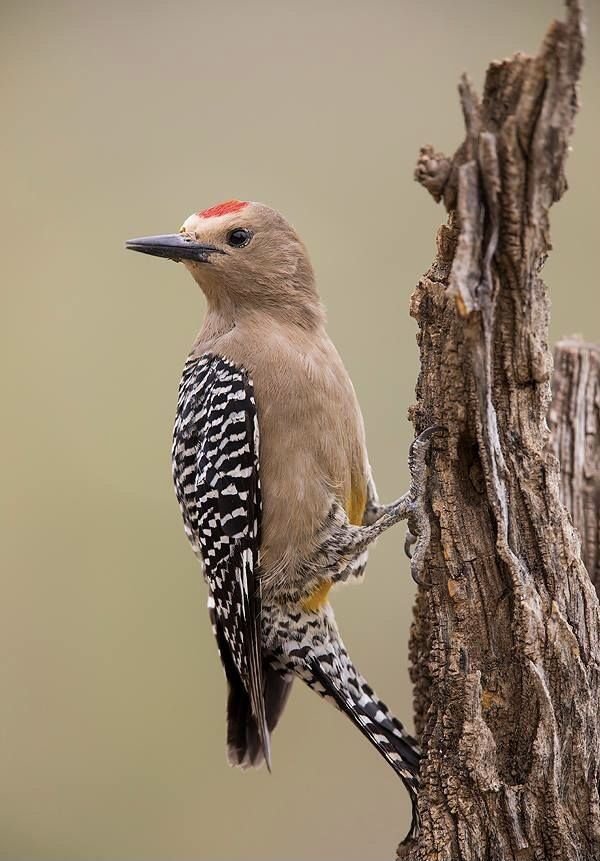
Scientific Name: Melanerpes uropygialis
Class: Aves
Diet: Omnivore
The Gila woodpecker feeds on cactus fruit and nests inside the giant saguaro cactus. It has a close bond with desert cacti.
Moreover, the Gila woodpecker eats the fruit and pulp of cactus and drills nest holes into the saguaro. These abandoned holes later shelter other desert animals.
Gila woodpeckers inhabit the deserts of the southwestern United States and Mexico, feeding on insects, fruit, and cactus.
As cactus dwellers, Gila woodpeckers create homes for many other species. They remain widespread in their range.
Fun Fact: Gila woodpeckers carve nest holes in giant saguaro cacti, and these holes later become homes for owls and other birds.
Cactus Mouse
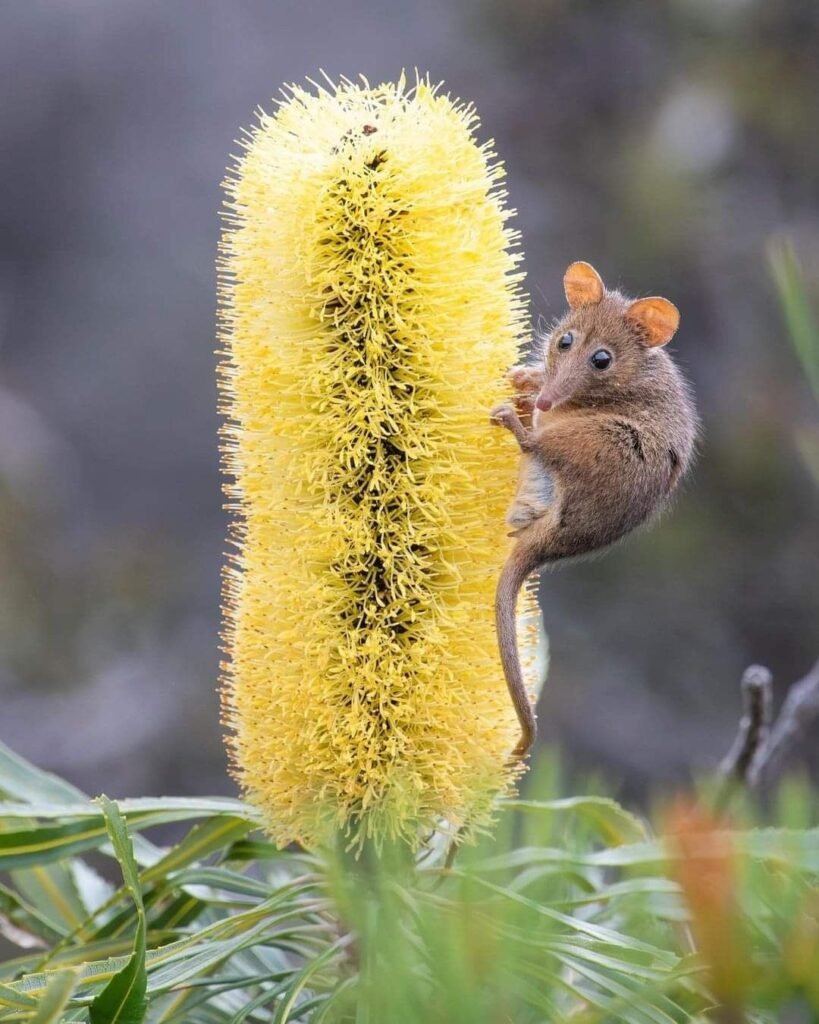
Scientific Name: Peromyscus eremicus
Class: Mammalia
Diet: Omnivore
The cactus mouse is a tiny desert rodent named for its close association with cactus. It feeds on cactus seeds and fruit.
Interestingly, the cactus mouse gets much of its water from cactus and other plants, rarely needing to drink. It is superbly adapted to hot, dry conditions.
Cactus mice inhabit the deserts of the southwestern United States and Mexico, feeding on seeds, fruit, and cactus.
As foragers, cactus mice help disperse seeds. They remain widespread and common.
Fun Fact: The cactus mouse is so well adapted to the desert it can survive on the moisture from cactus and seeds alone.
Green Iguana
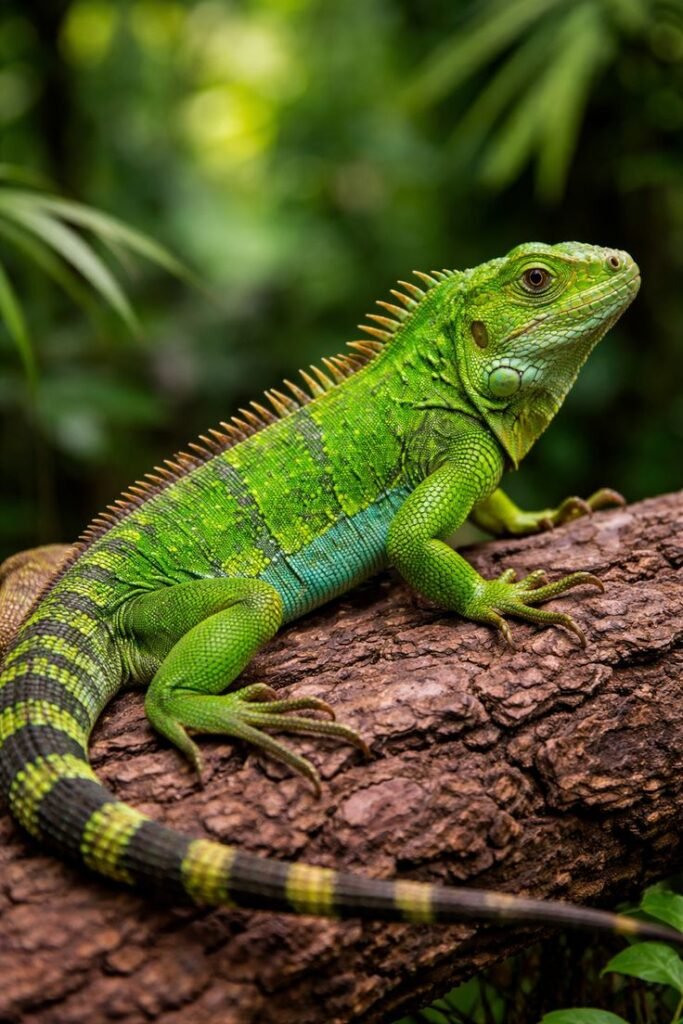
Scientific Name: Iguana iguana
Class: Reptilia
Diet: Herbivore
The iguana eats cactus pads and fruit as part of its plant-based diet. Cactus offers both nutrition and moisture.
Moreover, the iguana munches on the fleshy pads and sweet fruit of cactus, especially the prickly pear. It relishes the juicy flesh in dry conditions.
Iguanas inhabit the forests, deserts, and scrublands of the Americas, feeding on leaves, fruit, and flowers.
As herbivores, iguanas help disperse seeds. Many species remain common, though some face threats.
Fun Fact: Iguanas love the fruit of the prickly pear cactus, sometimes turning their skin and droppings a reddish color.
Coyote
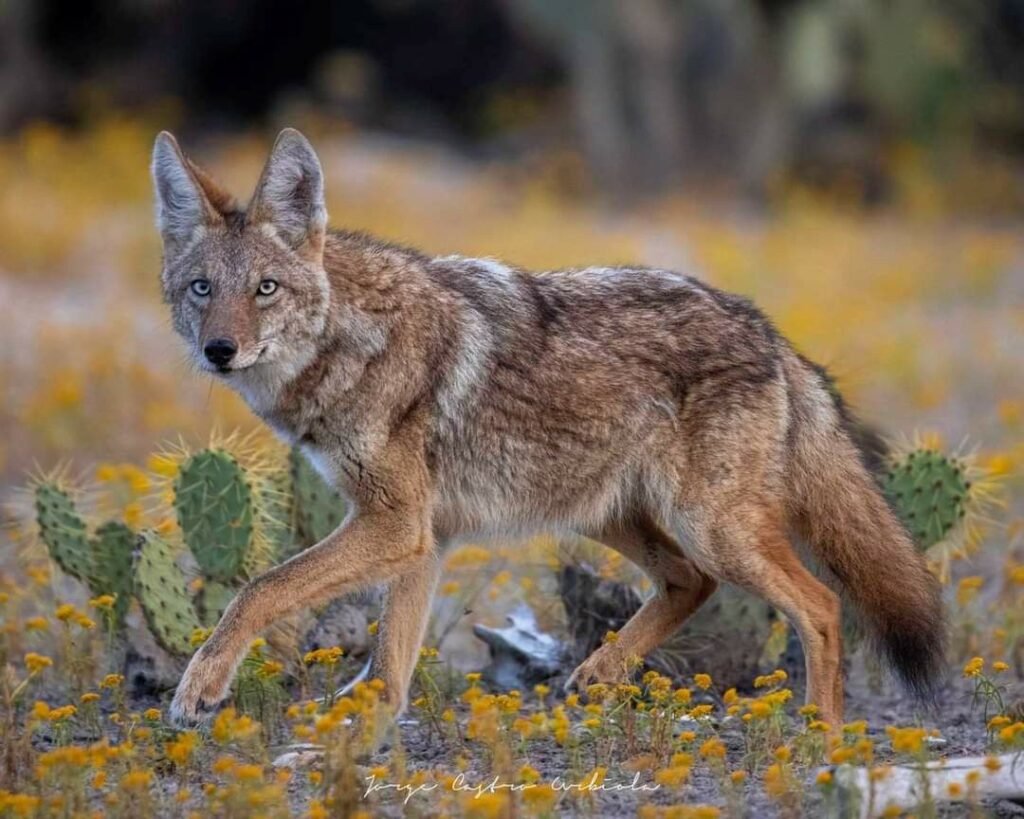
Scientific Name: Canis latrans
Class: Mammalia
Diet: Omnivore
The coyote will eat cactus fruit, especially prickly pear, as part of its highly varied diet. It is an opportunistic feeder.
Interestingly, the coyote eats the sweet, juicy fruit of the prickly pear when other food is scarce. This adds both nutrition and moisture to its diet in the dry desert.
Coyotes inhabit a huge range across North and Central America, feeding on rodents, fruit, and almost anything else.
As versatile omnivores, coyotes help disperse cactus seeds through their droppings. They are widespread and thriving.
Fun Fact: Coyotes help spread prickly pear cactus by eating the fruit and depositing the seeds far and wide.
Cactus Beetle
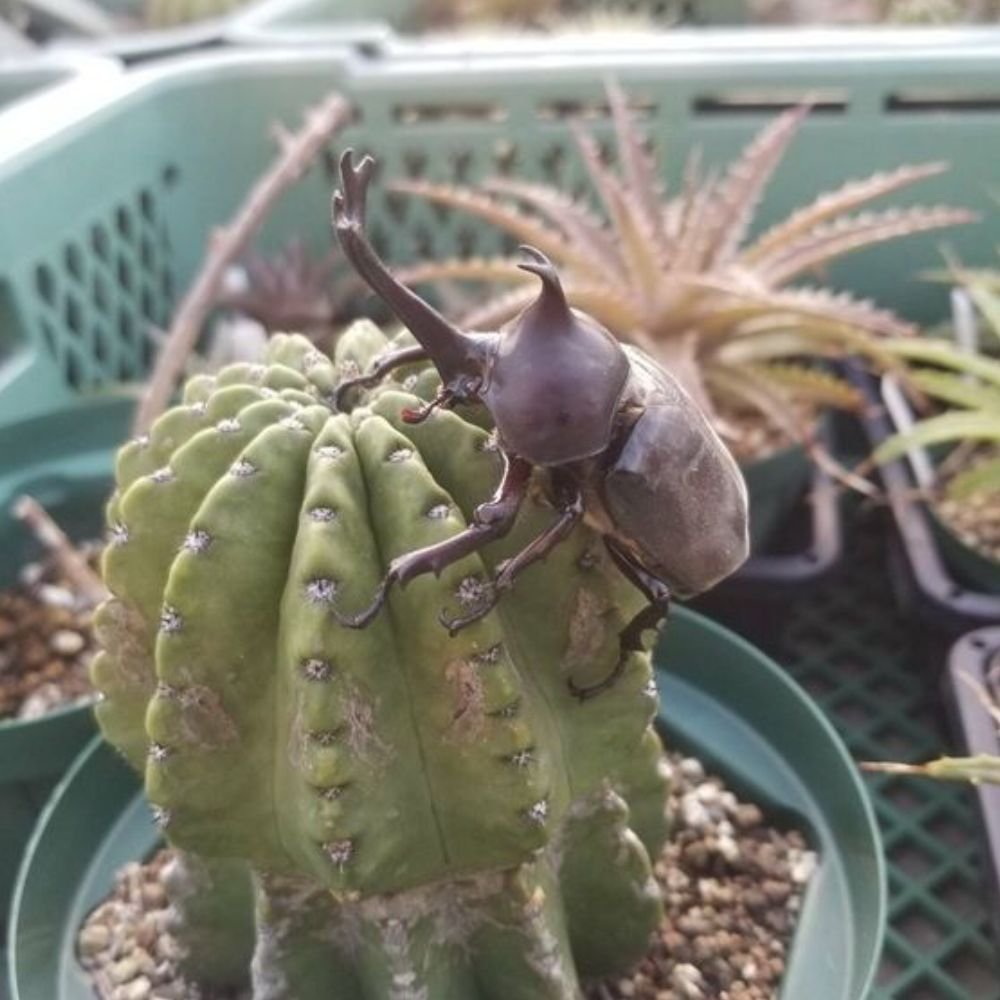
Scientific Name: Cassidinae
Class: Insecta
Diet: Herbivore
The cactus beetle and related insects feed directly on cactus pads and tissue. Some specialize entirely on cactus.
Moreover, these beetles chew into the fleshy pads to eat the moist inner tissue. Certain species, like the cactus-feeding cochineal insect, live their whole lives on the plant.
Cactus-feeding beetles inhabit deserts and dry regions where cacti grow, feeding on cactus tissue.
As plant-eaters, these insects are part of the desert food web and can even help control invasive cactus. They are widespread where cacti grow.
Fun Fact: The cochineal insect that lives on cactus was once crushed to make a bright red dye prized around the world.
Read: Animals With No Tails
Read: How High Can a Golden Eagle Fly
Read: Badgers in Maine
Read: Loyal Animals in the World
Read: Animals That Live in Swamps
Frequently Asked Questions
Conclusion
In the harsh, dry deserts of the world, the cactus is a true lifesaver, offering both food and precious water to animals tough enough to eat it. From spine-chewing camels and cactus-loving javelinas to desert tortoises, jackrabbits, and clever woodpeckers, a remarkable range of creatures depend on this prickly plant. Many have evolved special adaptations, like tough mouths or careful eating techniques, to enjoy cactus safely.
One Comment