
Top 12 Loyal Animals in the World (With Images)
Is loyalty something only humans feel, or does it run deep in the animal kingdom too? Across the natural world, countless creatures form bonds so strong they last a lifetime. The most loyal animals in the world stay faithful to their mates, their families, and sometimes even to us. Far from mere sentiment, this devotion strengthens social groups, protects the young, and boosts survival.
From dogs that never leave our side to birds that mate for life, these animals show that loyalty is one of nature’s greatest strengths. Let’s explore the most devoted animals on Earth and the powerful bonds that hold their worlds together.
Quick List Table
| Rank | Animal Name | Scientific Name |
|---|---|---|
| 1 | Dog | Canis lupus familiaris |
| 2 | Gray Wolf | Canis lupus |
| 3 | African Elephant | Loxodonta africana |
| 4 | Horse | Equus caballus |
| 5 | Bottlenose Dolphin | Tursiops truncatus |
| 6 | Mute Swan | Cygnus olor |
| 7 | Gentoo Penguin | Pygoscelis papua |
| 8 | Lar Gibbon | Hylobates lar |
| 9 | Prairie Vole | Microtus ochrogaster |
| 10 | Wandering Albatross | Diomedea exulans |
| 11 | Beaver | Castor canadensis |
| 12 | Bald Eagle | Haliaeetus leucocephalus |
Dog
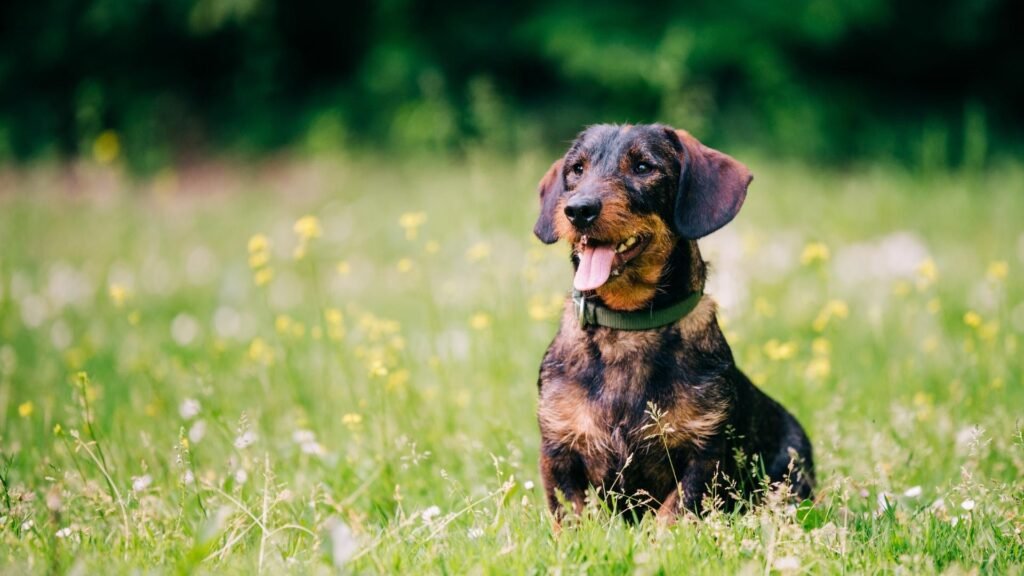
Scientific Name: Canis lupus familiaris
Class: Mammalia
Diet: Omnivore
The dog is the ultimate symbol of loyalty across cultures and history. Bonded to humans for thousands of years, it offers unwavering devotion. No animal is more famous for its faithfulness.
Interestingly, dogs form deep emotional attachments to their owners, often staying by their side through everything. Stories abound of dogs waiting for lost owners for years. This loyalty grew from generations of close partnership with people.
Domestic dogs live alongside humans across the entire globe. As omnivores, they thrive on balanced diets and fill countless roles, from companions to working partners.
Moreover, dogs serve as service animals, rescuers, and loyal guardians. As a species they flourish worldwide, their bond with humans one of the closest in nature.
Fun Fact: The famous dog Hachikō waited at a train station for his owner every day for nearly ten years.
Gray Wolf

Scientific Name: Canis lupus
Class: Mammalia
Diet: Carnivore
The gray wolf is deeply loyal to its pack, which is really a close-knit family. Wolves cooperate, protect one another, and share food. Their loyalty is the foundation of pack life.
What sets the wolf apart is its devotion to the group. Pack members hunt together, care for pups as a team, and defend their territory side by side. Breeding pairs often stay together for years.
Gray wolves range across North America, Europe, and Asia, in forests, tundra, and mountains. As carnivores, they hunt large prey through cooperation and stamina.
Moreover, wolves are keystone predators whose teamwork shapes entire ecosystems. Once nearly wiped out in many areas, they have recovered in some through conservation.
African Elephant
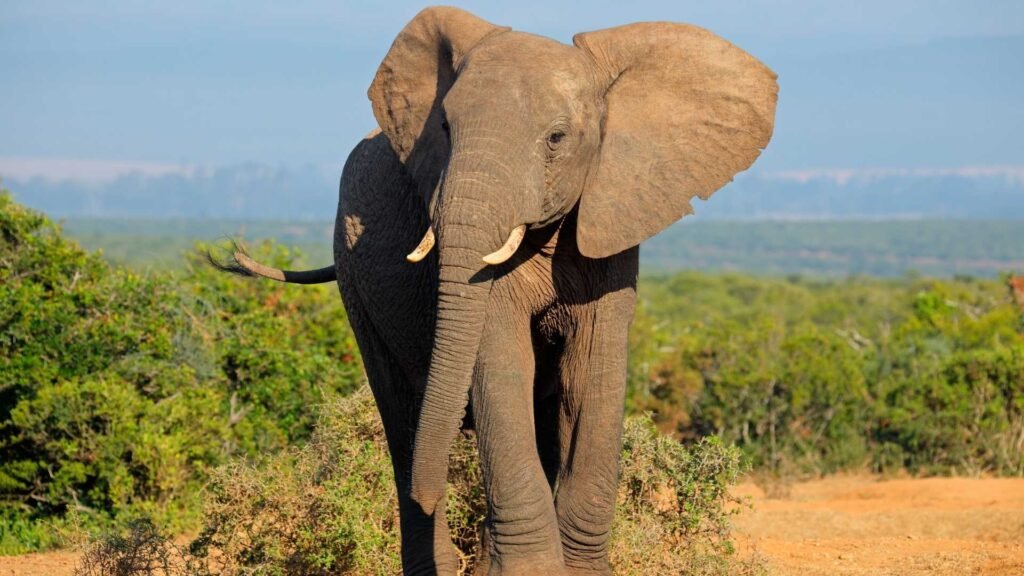
Scientific Name: Loxodonta africana
Class: Mammalia
Diet: Herbivore
The African elephant displays some of the strongest family loyalty in the animal kingdom. Herds are led by a matriarch and bound by deep affection. Elephants care for one another throughout their lives.
Interestingly, elephants comfort distressed relatives, protect their calves as a group, and even appear to mourn their dead. They remember family members across years and great distances. Their loyalty runs unusually deep.
African elephants roam the savannas, forests, and grasslands of sub-Saharan Africa. As herbivores, they travel far to find food and water, staying close as a family.
Moreover, elephants are ecosystem engineers that create water holes and disperse seeds. Poaching and habitat loss have made them endangered.
Fun Fact: Elephants have been observed gently touching and lingering over the bones of lost relatives.
Horse
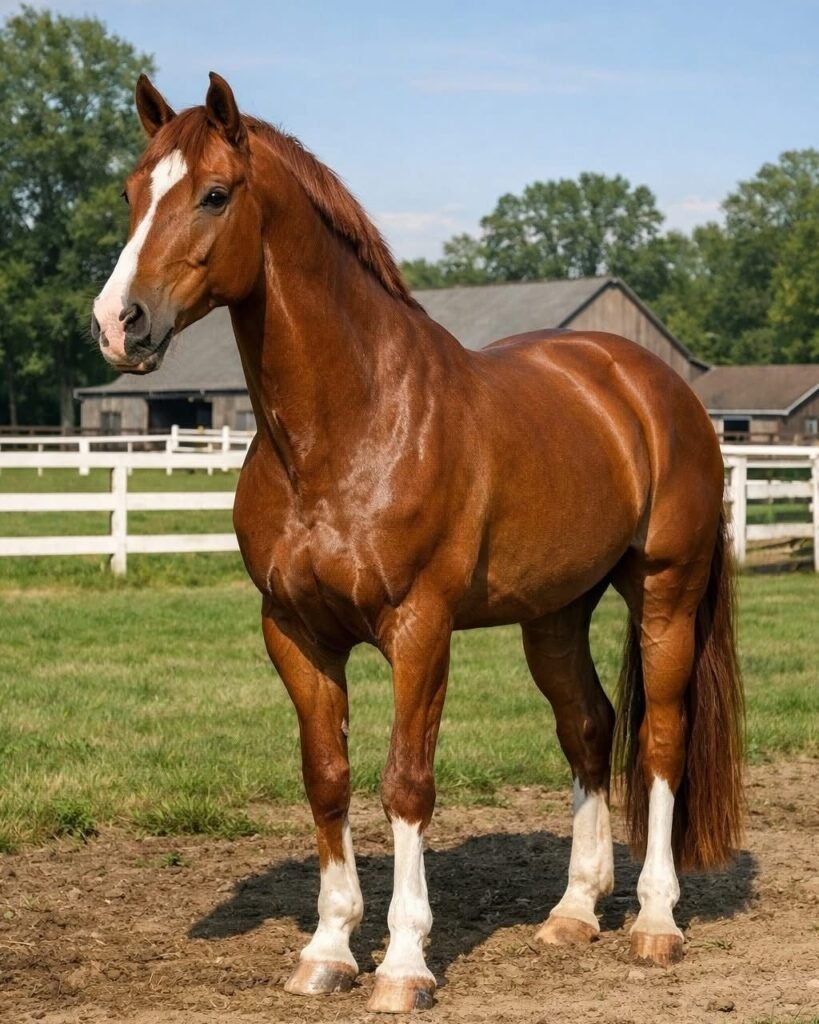
Scientific Name: Equus caballus
Class: Mammalia
Diet: Herbivore
The horse forms loyal bonds with both its herd and its human companions. Sensitive and social, it remembers those who treat it well. Its steady devotion has served humans for millennia.
What sets the horse apart is its trust and memory. Horses recognize individual people and other horses, forming lasting friendships. A well-bonded horse will seek out and follow a trusted companion.
Domestic horses live worldwide, from open ranches to stables in every climate. As grazers, they feed on grass and hay, spending much of the day in the company of their herd.
Moreover, horses have shaped human history through travel, farming, and companionship. Wild and feral herds also persist where open habitat allows.
Bottlenose Dolphin
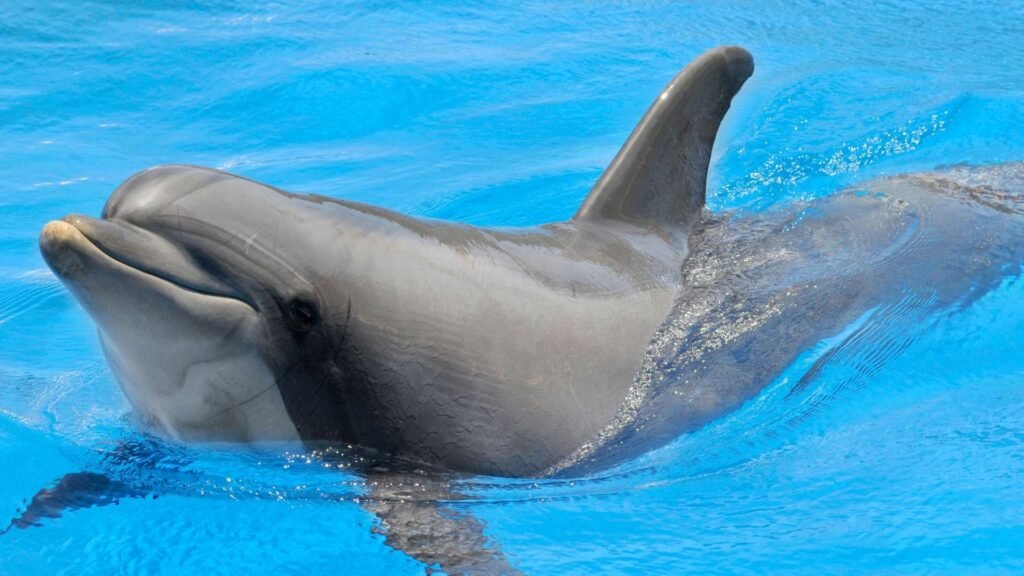
Scientific Name: Tursiops truncatus
Class: Mammalia
Diet: Carnivore (fish, squid)
The bottlenose dolphin shows remarkable loyalty within its close-knit pods. Dolphins support injured companions and form lasting friendships. Their social bonds are among the strongest in the ocean.
Interestingly, dolphins have been seen helping sick or struggling pod members reach the surface to breathe. They form alliances that can last for years and recognize one another by signature whistles. Loyalty is central to their society.
Bottlenose dolphins live in temperate and tropical oceans worldwide. As carnivores, they hunt fish and squid, often working together to herd prey.
Moreover, dolphins are top predators that reflect the health of marine ecosystems. Pollution, fishing nets, and noise remain ongoing threats.
Mute Swan
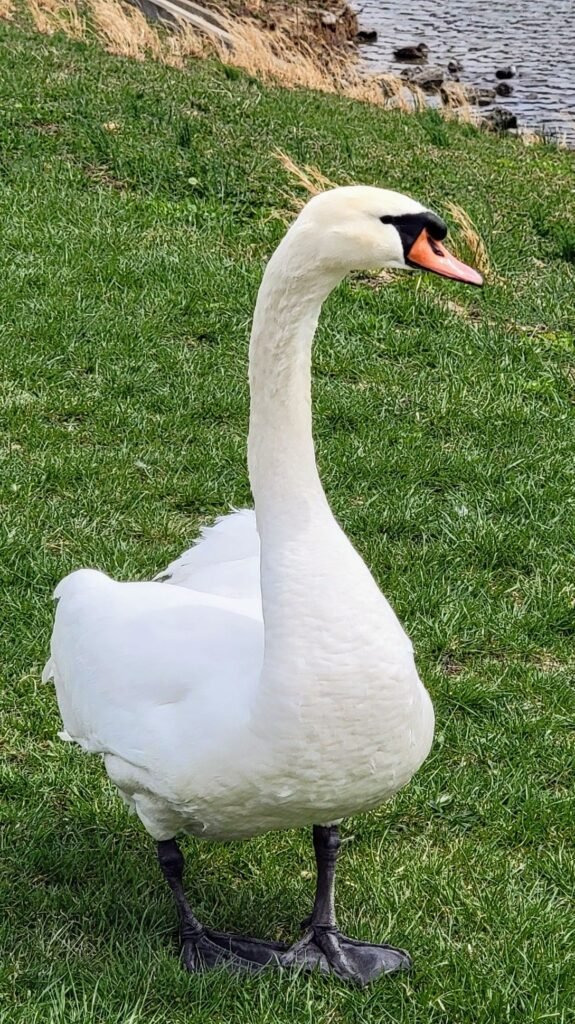
Scientific Name: Cygnus olor
Class: Aves
Diet: Herbivore (aquatic plants)
The mute swan is a famous symbol of lifelong love and loyalty. Pairs typically stay together for many years, often for life. Their devotion has inspired art and legend for centuries.
What sets the swan apart is its strong pair bond. Mated swans raise their young together, defend their nest fiercely, and reunite each breeding season. Their entwined necks form a heart-shaped symbol of loyalty.
Mute swans live on lakes, rivers, and ponds across Europe, Asia, and beyond. As herbivores, they feed on aquatic plants, grazing gracefully on the water.
Moreover, swans help shape wetland vegetation and are cherished across many cultures. They remain widespread in suitable habitats.
Fun Fact: A pair of swans facing each other forms a natural heart shape with their curved necks.
Gentoo Penguin
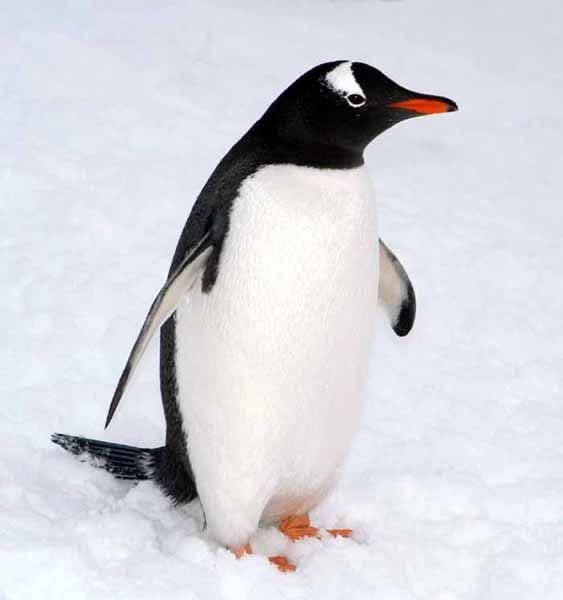
Scientific Name: Pygoscelis papua
Class: Aves
Diet: Carnivore (fish, krill)
The gentoo penguin is known for its strong loyalty to its mate and colony. Pairs often reunite season after season. Their teamwork in raising chicks reflects deep devotion.
Interestingly, gentoo penguins share the duties of incubating eggs and feeding chicks. Males famously offer pebbles to their partners as tokens during courtship. Many pairs stay faithful across breeding seasons.
Gentoo penguins live on the Antarctic Peninsula and nearby sub-Antarctic islands. As carnivores, they hunt fish, krill, and squid in cold coastal waters.
Moreover, penguins are indicators of the health of the Southern Ocean. Climate change and food shortages pose growing threats to their colonies.
Fun Fact: A male gentoo penguin often gives his mate a smooth pebble as a token of loyalty.
Lar Gibbon
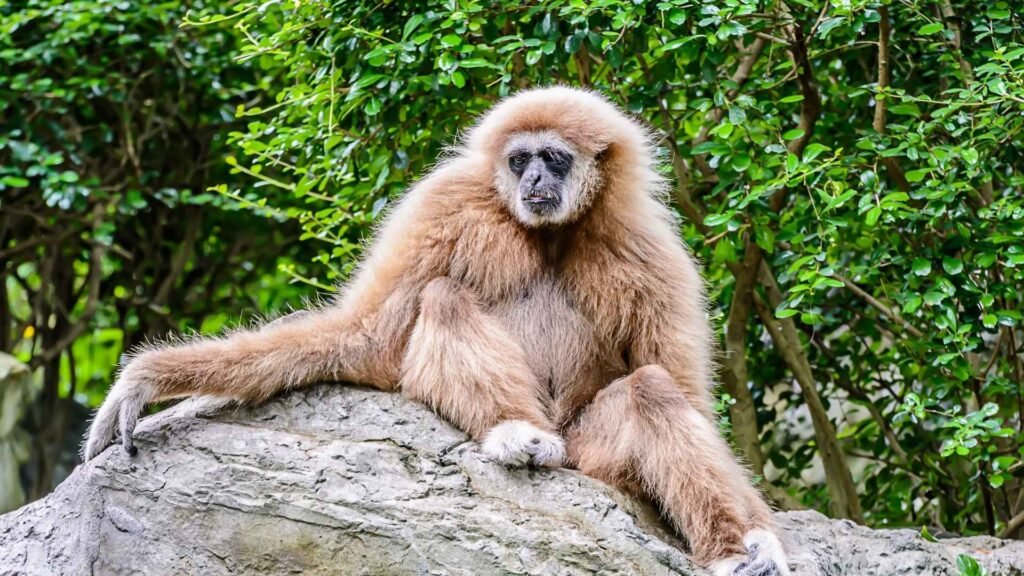
Scientific Name: Hylobates lar
Class: Mammalia
Diet: Herbivore (fruit, leaves)
The lar gibbon forms strong, lasting pair bonds in the treetops. Mated pairs live together and defend a shared territory. Their devotion is expressed through daily duets.
What sets the gibbon apart is its beautiful morning song. Pairs sing together in coordinated calls that strengthen their bond and mark their territory. They travel and raise their young as a devoted family.
Lar gibbons live in the rainforests of Southeast Asia. As frugivores, they feed mainly on fruit, along with leaves and insects, swinging swiftly through the canopy.
Moreover, gibbons disperse seeds and help maintain healthy forests. Deforestation and the pet trade have made them endangered.
Prairie Vole
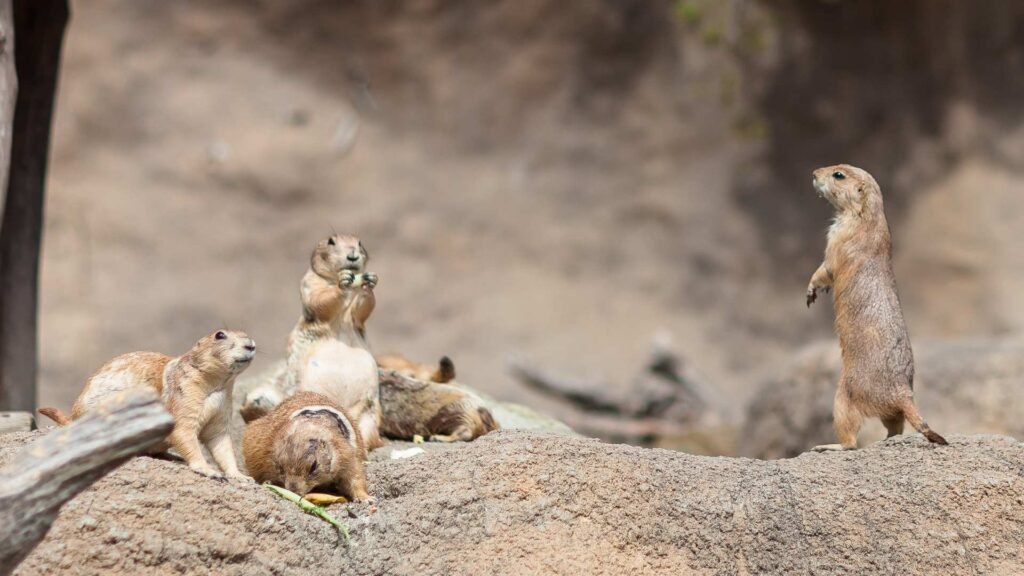
Scientific Name: Microtus ochrogaster
Class: Mammalia
Diet: Herbivore
The prairie vole is a tiny rodent famous among scientists for its loyalty. Unlike most small mammals, it forms lifelong pair bonds. It has become a model for studying devotion in animals.
Interestingly, prairie vole pairs share a nest, raise their young together, and prefer each other’s company for life. Researchers study the brain chemistry behind this bond to understand loyalty itself. Such faithfulness is rare among rodents.
Prairie voles live in the grasslands and prairies of central North America. As herbivores, they feed on grasses, seeds, and roots.
Moreover, prairie voles are an important food source for many predators. They remain common across their grassland range.
Fun Fact: Prairie voles are studied by scientists to understand the biology of lifelong bonding.
Wandering Albatross
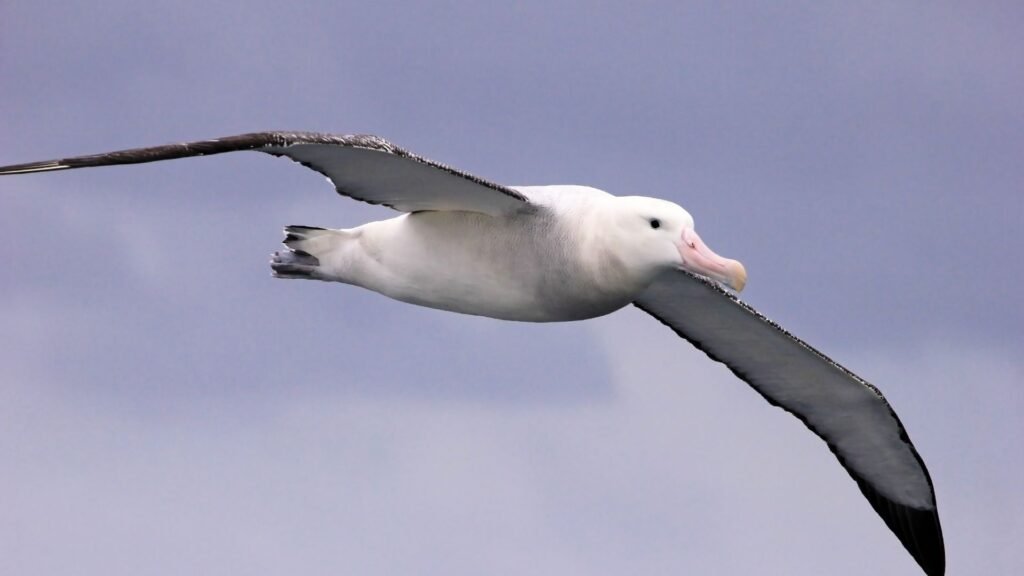
Scientific Name: Diomedea exulans
Class: Aves
Diet: Carnivore (fish, squid)
The wandering albatross forms one of the most enduring partnerships in nature. Pairs mate for life and reunite across vast oceans. Their loyalty spans decades of long-distance travel.
What sets the albatross apart is its lifelong devotion despite months apart at sea. Pairs perform elaborate courtship dances and return to the same partner year after year. They share the long task of raising a single chick.
Wandering albatrosses roam the open Southern Ocean, with the largest wingspan of any bird. As carnivores, they feed on fish and squid caught at the surface.
Moreover, albatrosses are icons of the open sea. Longline fishing and plastic pollution have made many albatross species threatened.
Fun Fact: Wandering albatrosses can live over 50 years, staying loyal to the same partner.
Beaver
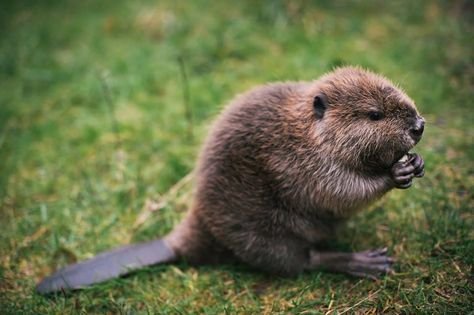
Scientific Name: Castor canadensis
Class: Mammalia
Diet: Herbivore
The beaver is a devoted animal that typically mates for life. Family groups work together to build and maintain their homes. Their loyalty is woven into their industrious lifestyle.
Interestingly, beaver pairs raise their young over several years, with older offspring helping care for younger siblings. Together they build dams and lodges that shelter the whole family. This teamwork reflects strong family bonds.
Beavers live in rivers, streams, and ponds across North America. As herbivores, they feed on bark, leaves, and aquatic plants, felling trees to build dams.
Moreover, beavers are ecosystem engineers whose dams create wetlands for countless species. They have recovered strongly after past overhunting.
Bald Eagle
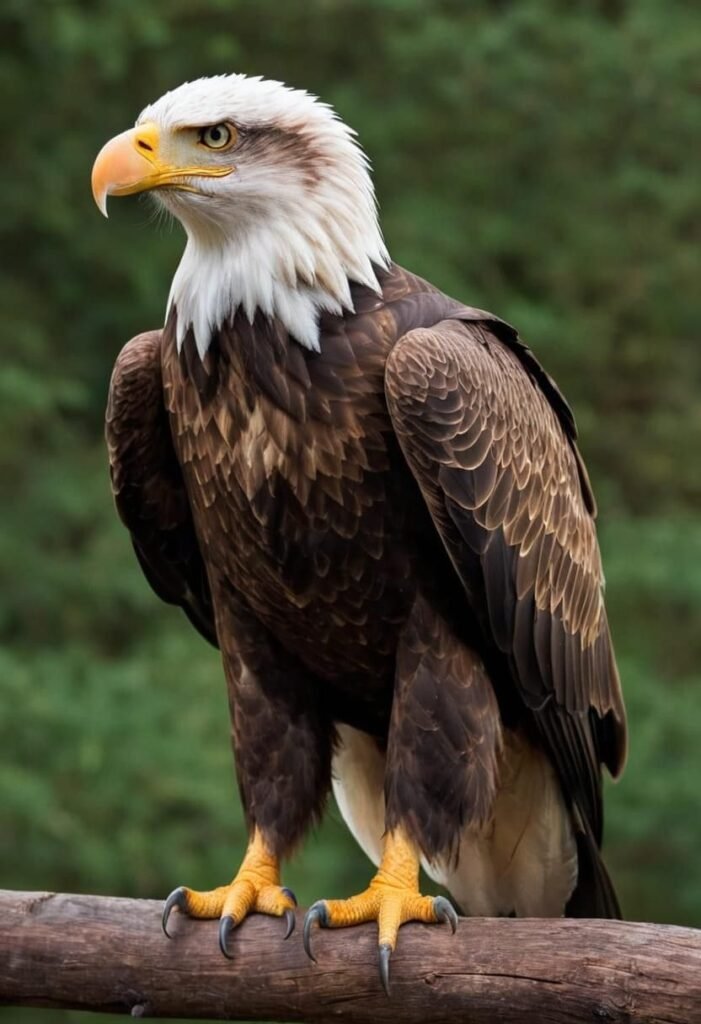
Scientific Name: Haliaeetus leucocephalus
Class: Aves
Diet: Carnivore (fish, birds)
The bald eagle forms loyal partnerships that often last a lifetime. Pairs return to the same nest year after year. Their devotion is matched by their majestic presence.
What sets the bald eagle apart is its long-term bond and shared parenting. Pairs build enormous nests together and both defend and feed their young. They typically reunite with the same mate each breeding season.
Bald eagles live near rivers, lakes, and coasts across North America. As carnivores, they hunt fish and birds and also scavenge when the chance arises.
Moreover, bald eagles are a powerful symbol and a conservation success. Once endangered, they have made a remarkable recovery.
Fun Fact: Bald eagle pairs build some of the largest nests of any bird, reusing them for years.
Read: Animals That Live in Swamps
Read: Animals with Wings That Can’t Fly
Read: Animals That Can’t Swim
Read: Quiet Animals in the World
Read: Greedy Animals in the World
Frequently Asked Questions
Conclusion
From the faithful dog to the lifelong albatross, the most loyal animals in the world show that devotion runs deep throughout nature. Their strong bonds help them raise their young, defend their families, and survive in a challenging world. Loyalty, it turns out, is not just a human virtue but a powerful force that shapes animal societies.
2 Comments