
Top 15 Animals Like Foxes in The World (With Images)
Did you know that the fox belongs to the same family as wolves, jackals, and even your pet dog? With its slender body, pointed muzzle, bushy tail, and erect ears, the fox has many relatives and look-alikes across the globe. Most belong to the dog family, sharing the fox’s clever, adaptable nature, while a few simply resemble it.
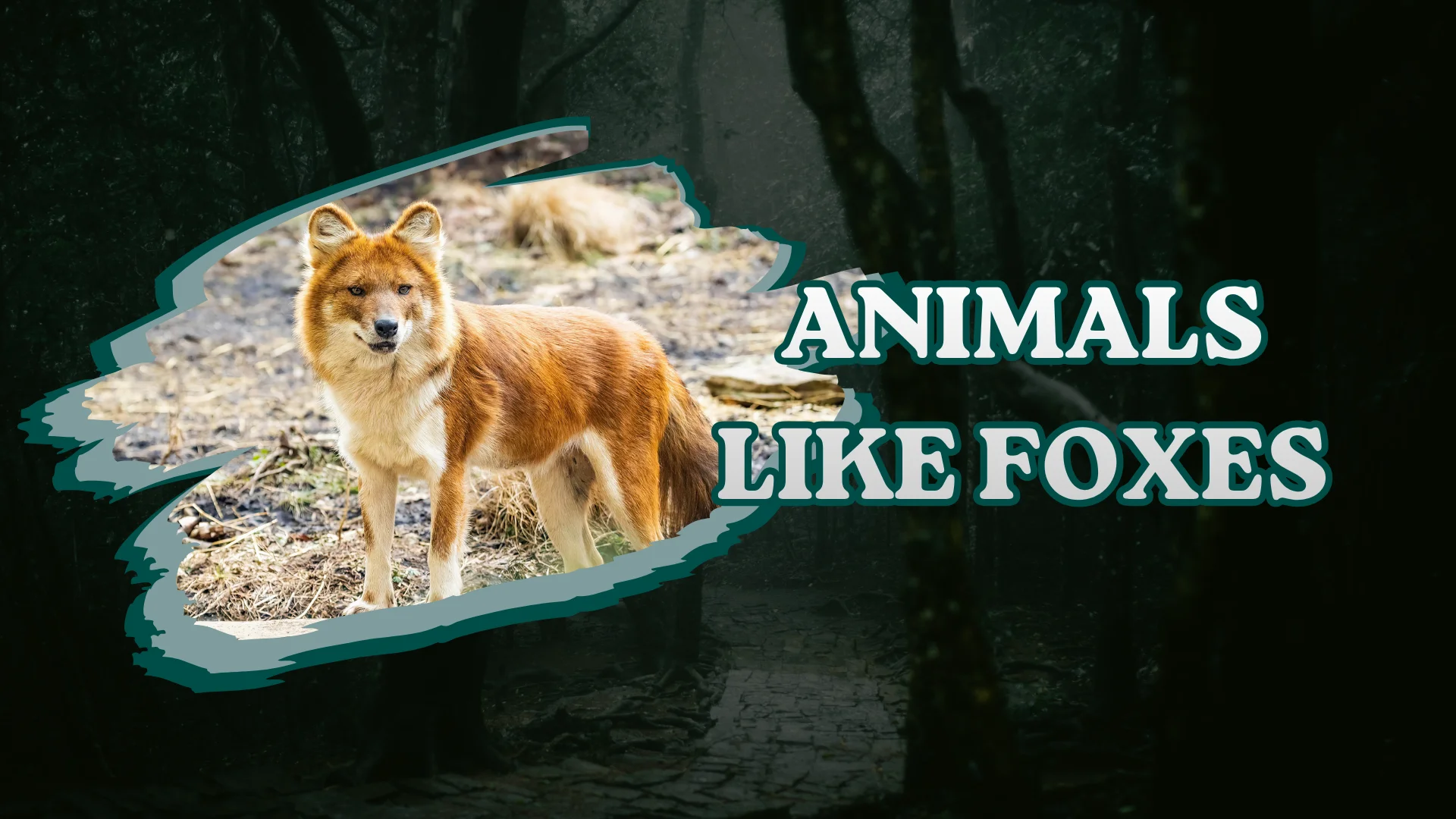
These agile, intelligent canids are found on nearly every continent. In this guide, we’ll explore the top 15 animals like foxes, uncovering how they compare and why so many creatures share the fox’s cunning, graceful design.
List of Animals Like Foxes
| Rank | Animal | Scientific Name |
|---|---|---|
| 1 | Coyote | Canis latrans |
| 2 | Golden Jackal | Canis aureus |
| 3 | Maned Wolf | Chrysocyon brachyurus |
| 4 | Raccoon Dog | Nyctereutes procyonoides |
| 5 | Dhole | Cuon alpinus |
| 6 | African Wild Dog | Lycaon pictus |
| 7 | Bat-eared Fox | Otocyon megalotis |
| 8 | Dingo | Canis lupus dingo |
| 9 | Bush Dog | Speothos venaticus |
| 10 | Culpeo | Lycalopex culpaeus |
| 11 | Gray Wolf | Canis lupus |
| 12 | Ethiopian Wolf | Canis simensis |
| 13 | Corsac Fox | Vulpes corsac |
| 14 | Gray Fox | Urocyon cinereoargenteus |
| 15 | Black-backed Jackal | Lupulella mesomelas |
Coyote
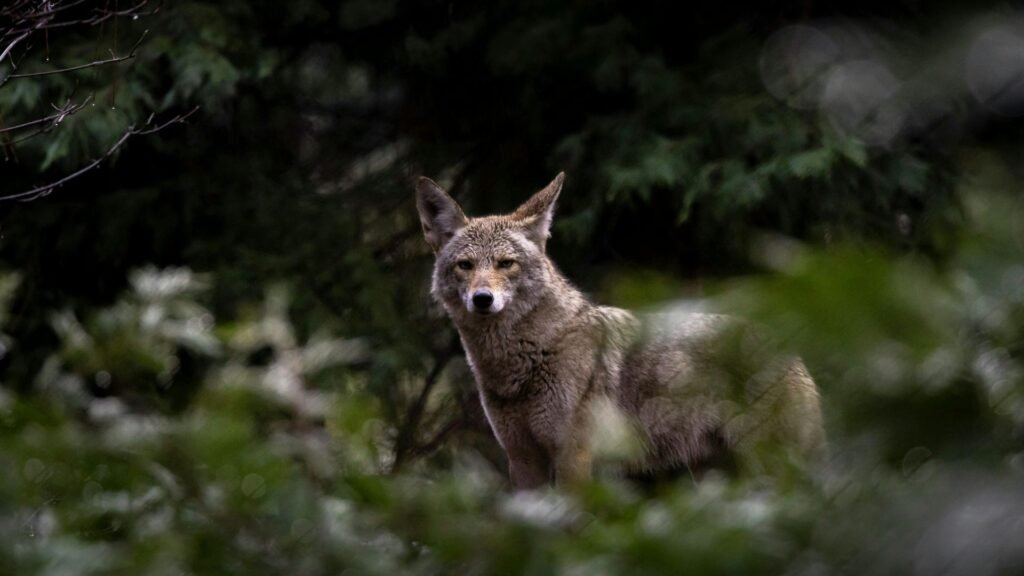
Scientific Name: Canis latrans
Class: Mammalia
Diet: Omnivore
The coyote is one of the animals most similar to a fox, sharing the same slender body, bushy tail, and keen hunting instincts. It is a close member of the dog family.
Interestingly, like the fox, the coyote is clever and highly adaptable, thriving everywhere from deserts to cities. It hunts small mammals and scavenges with fox-like resourcefulness.
Coyotes inhabit forests, deserts, grasslands, and urban areas across North America, feeding on small mammals, fruit, insects, and carrion.
As adaptable predators, coyotes help control rodent populations. Highly successful, they are of Least Concern.
Fun Fact: The coyote’s howls and yips are a signature sound of the North American wilderness at dusk.
Golden Jackal
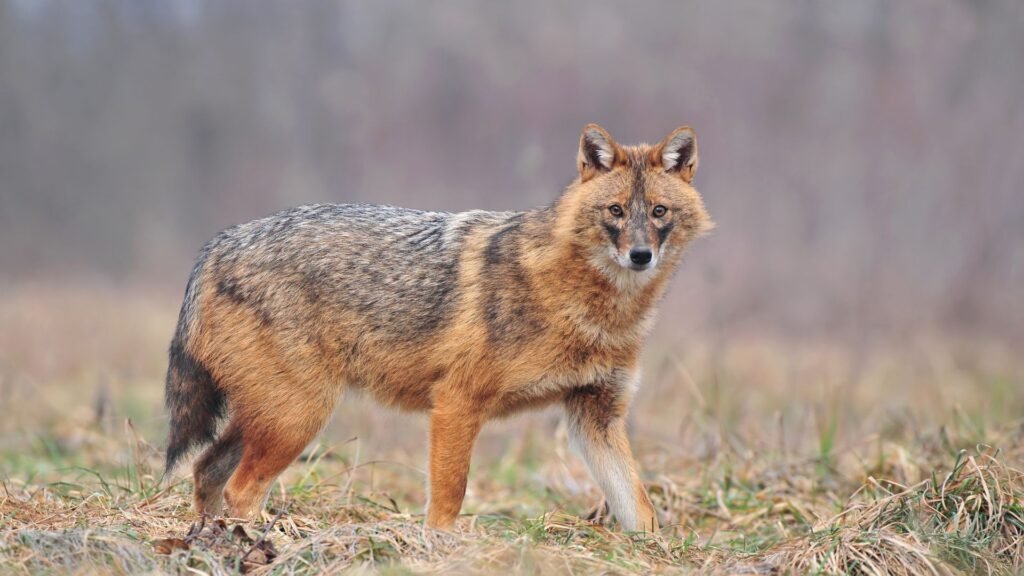
Scientific Name: Canis aureus
Class: Mammalia
Diet: Omnivore
The golden jackal looks like a cross between a fox and a small wolf, with a slender build and a bushy, fox-like tail. It shares the fox’s cunning and adaptability.
Moreover, like the fox, the golden jackal is an opportunistic omnivore, hunting small prey and scavenging whatever it can find. It is clever, versatile, and quick.
Golden jackals inhabit grasslands, forests, and scrublands across Africa, the Middle East, and Asia, feeding on small animals, fruit, and carrion.
As adaptable predators and scavengers, jackals help clean up and control populations. Widespread and successful, they are of Least Concern.
Fun Fact: Golden jackals often mate for life and work together as a pair to hunt and raise their young.
Maned Wolf
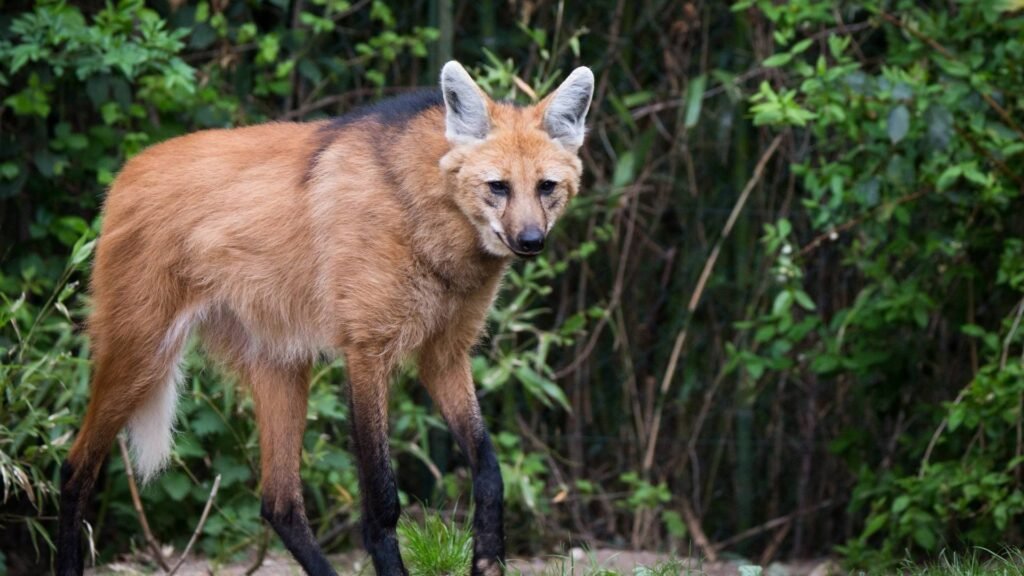
Scientific Name: Chrysocyon brachyurus
Class: Mammalia
Diet: Omnivore
The maned wolf looks like a giant fox on stilts, with a reddish coat, large ears, and a fox-like face. Despite its name, it is neither a true wolf nor a fox.
Interestingly, like the fox, the maned wolf is a solitary, omnivorous hunter that eats both small animals and fruit. Its long legs help it see over the tall grasslands.
Maned wolves inhabit the grasslands and scrublands of South America, feeding on small animals, insects, and fruit.
As omnivores, maned wolves help disperse seeds and control pests. Habitat loss has made them Near Threatened.
Fun Fact: The maned wolf’s territory-marking scent is so distinctive it is often said to smell like skunk or cannabis.
Raccoon Dog
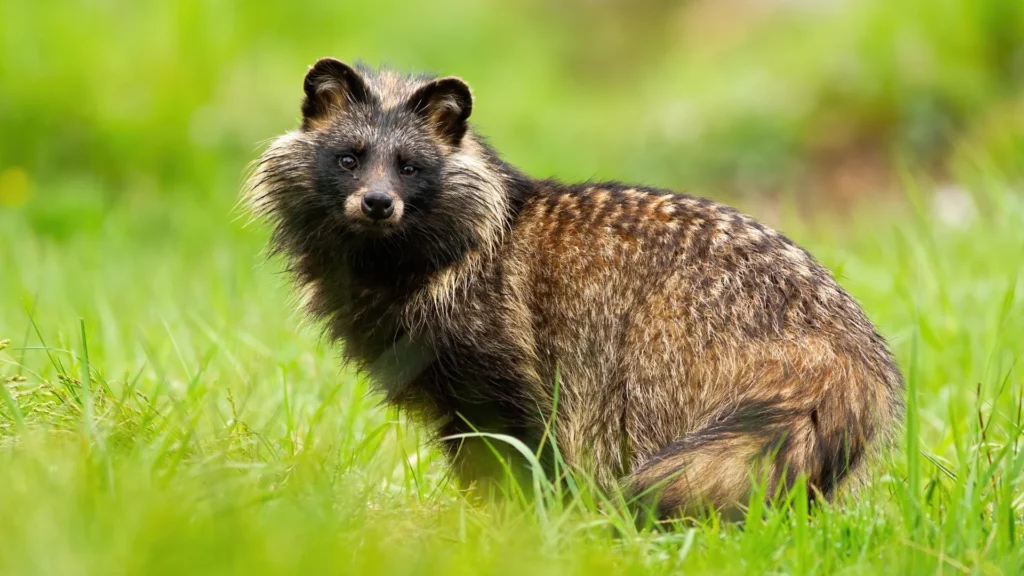
Scientific Name: Nyctereutes procyonoides
Class: Mammalia
Diet: Omnivore
The raccoon dog, or tanuki, is a fox relative in the dog family, though its masked face makes it look like a raccoon. It shares the fox’s adaptable, omnivorous nature.
Moreover, like the fox, the raccoon dog forages for a wide range of foods and is highly adaptable. Remarkably, it is the only member of the dog family that hibernates.
Raccoon dogs inhabit forests and wetlands across East Asia and parts of Europe, feeding on insects, fruit, small animals, and scraps.
As adaptable omnivores, raccoon dogs help control pests and disperse seeds. They are widespread and of Least Concern.
Fun Fact: The raccoon dog is the only canid known to hibernate through the coldest part of winter.
Dhole
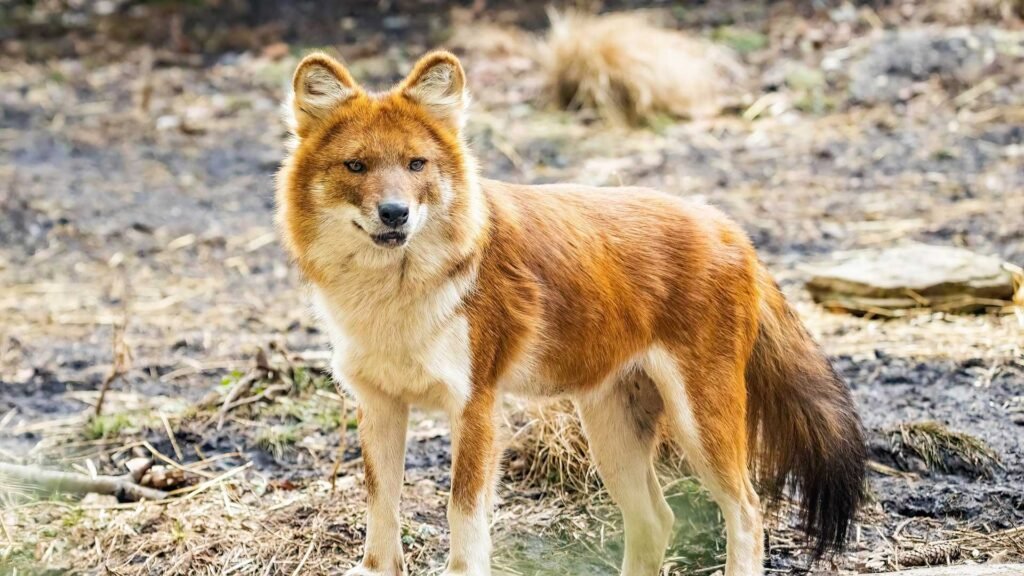
Scientific Name: Cuon alpinus
Class: Mammalia
Diet: Carnivore
The dhole, or Asiatic wild dog, has a reddish coat and bushy tail that give it a fox-like appearance. It is a close member of the dog family.
Interestingly, unlike the solitary fox, the dhole is a highly social pack hunter. It communicates with unusual whistles, earning it the nickname “the whistling dog.”
Dholes inhabit the forests and grasslands of Asia, hunting deer and other prey in coordinated packs.
As pack predators, dholes help balance their ecosystems. Habitat loss and dwindling prey have made them Endangered.
Fun Fact: The dhole communicates with eerie whistles, giving it the nickname “the whistling dog.”
African Wild Dog
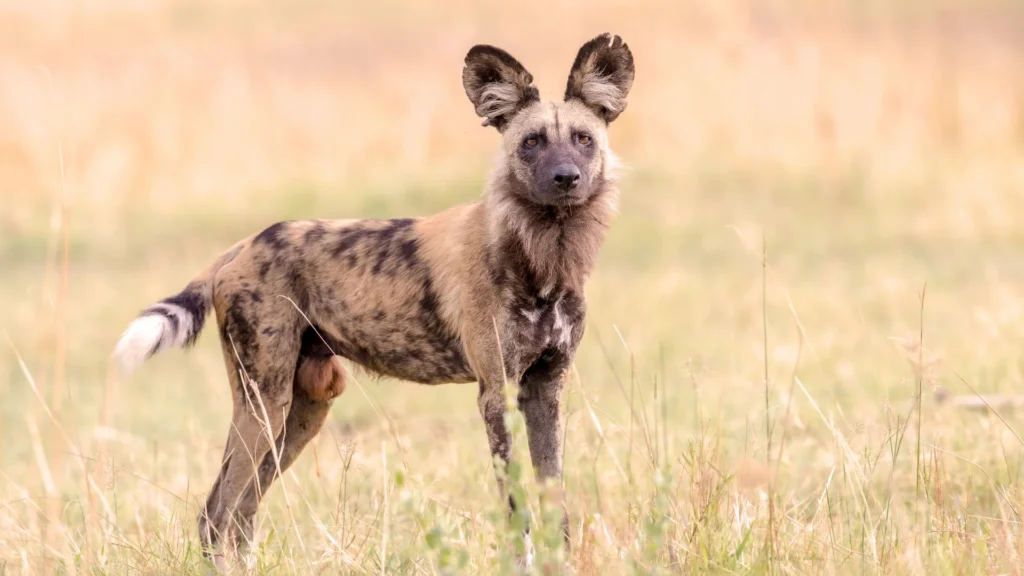
Scientific Name: Lycaon pictus
Class: Mammalia
Diet: Carnivore
The African wild dog, or painted wolf, is a canid relative of the fox with large ears and a lean, agile body. Its mottled coat makes it unmistakable.
Moreover, unlike the solitary fox, the wild dog hunts in highly coordinated packs. It boasts one of the highest hunting success rates of any predator.
African wild dogs inhabit the savannas and open woodlands of sub-Saharan Africa, hunting antelope and other prey.
As efficient predators, wild dogs help keep herbivore numbers in check. Habitat fragmentation and disease have made them Endangered.
Fun Fact: African wild dogs “vote” on when to hunt by sneezing, and the more sneezes, the more likely the pack sets off.
Bat-eared Fox
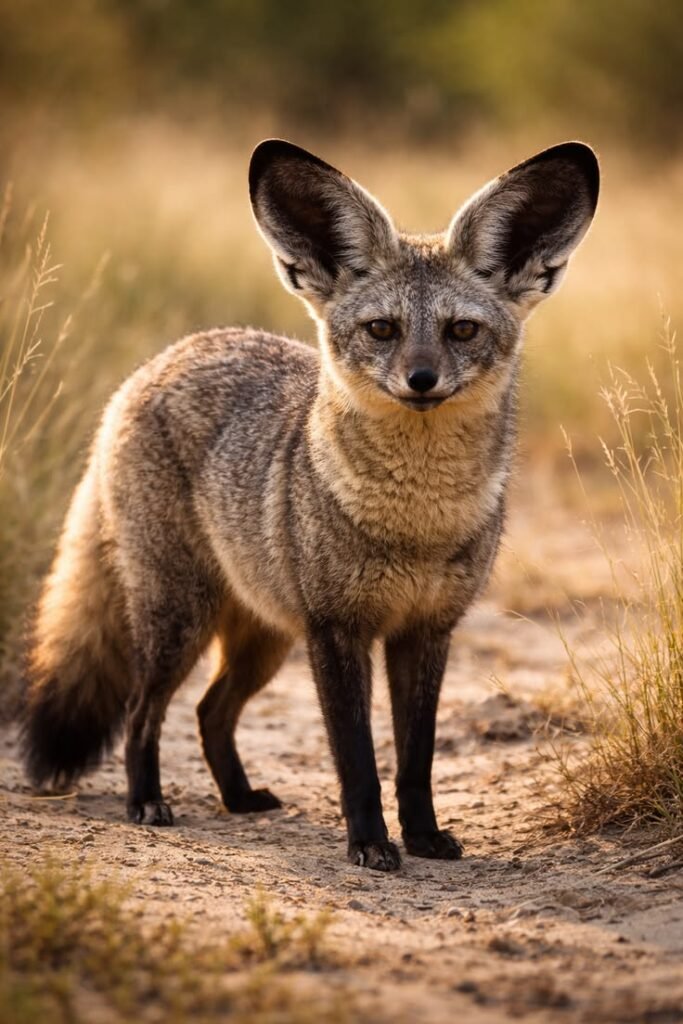
Scientific Name: Otocyon megalotis
Class: Mammalia
Diet: Insectivore
The bat-eared fox is a true fox relative with enormous, distinctive ears. Its small, slender body and bushy tail are very fox-like.
Interestingly, unlike most foxes, the bat-eared fox feeds mainly on insects, especially termites. It uses its huge ears to detect prey moving underground.
Bat-eared foxes inhabit the grasslands and savannas of Africa, feeding mostly on insects.
As insect specialists, bat-eared foxes help control termite populations. Widespread across their range, they are of Least Concern.
Fun Fact: A bat-eared fox can eat over a million termites in a single year, guided almost entirely by its ears.
Dingo
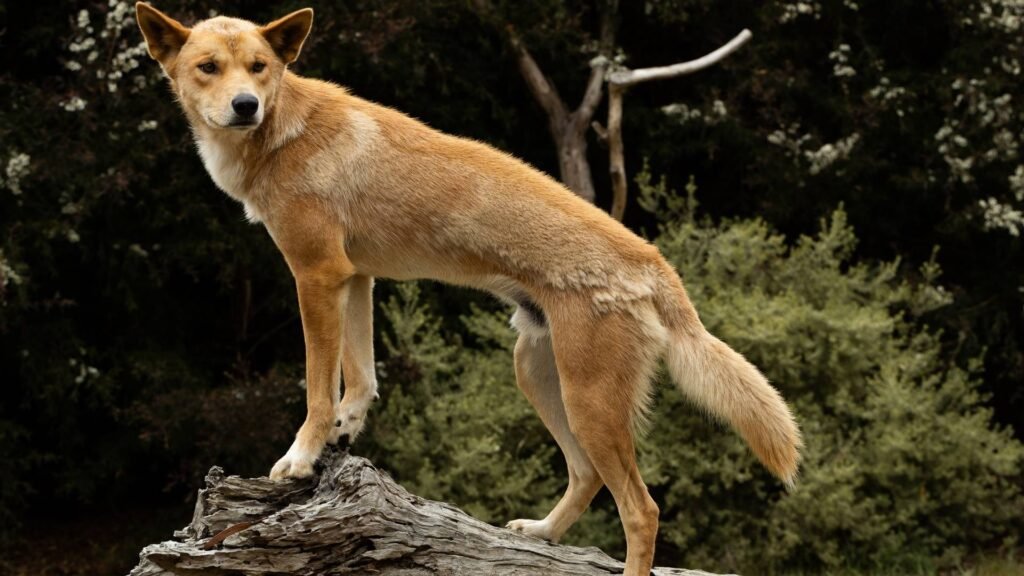
Scientific Name: Canis lupus dingo
Class: Mammalia
Diet: Carnivore
The dingo is a wild dog of Australia with a sandy coat and lean build that recall a large fox. It is closely related to wolves and domestic dogs.
Moreover, like the fox, the dingo is a clever, adaptable hunter. It lives alone or in small packs and preys on a wide range of animals.
Dingoes inhabit the deserts, grasslands, and forests of Australia, hunting rabbits, rodents, and larger prey.
As Australia’s top land predator, the dingo helps control prey and invasive species. It is considered Vulnerable due to interbreeding with domestic dogs.
Fun Fact: Dingoes can rotate their wrists like a fox, allowing them to climb and even open gates and doors.
Bush Dog
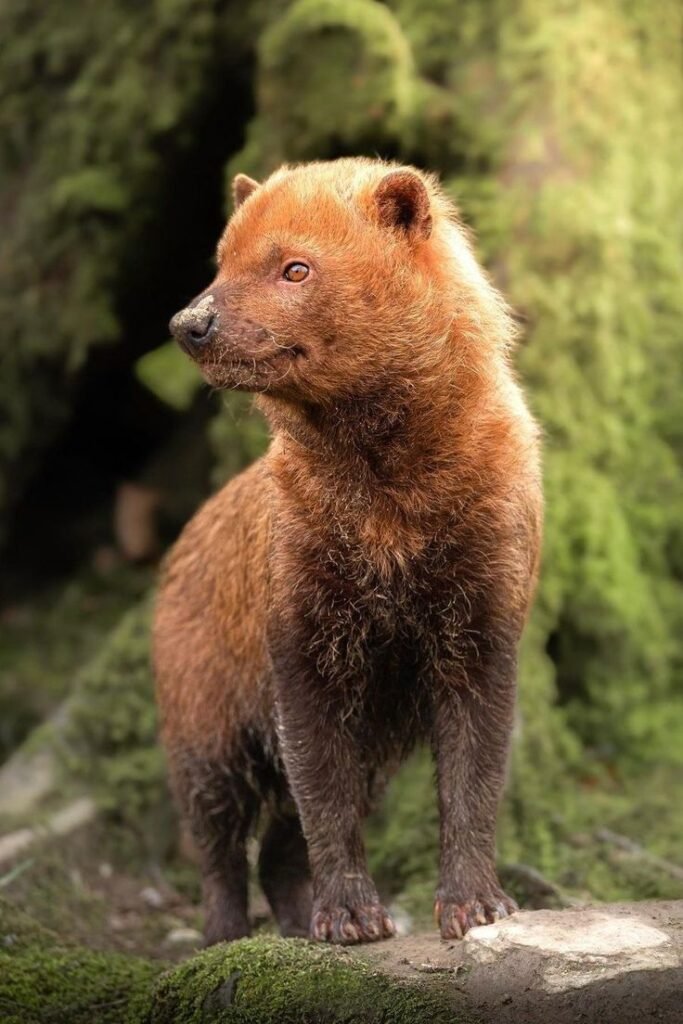
Scientific Name: Speothos venaticus
Class: Mammalia
Diet: Carnivore
The bush dog is a small, stocky South American canid related to the fox, though its short legs and body make it look quite different. It is a rare and secretive animal.
Interestingly, unlike the solitary fox, the bush dog hunts in cooperative packs. Its partially webbed feet make it a strong swimmer, and it even chases prey into water.
Bush dogs inhabit the rainforests and wetlands of Central and South America, hunting rodents and other small animals.
As pack predators, bush dogs help control prey populations. Habitat loss has made them Near Threatened.
Fun Fact: The bush dog has webbed feet and is an excellent swimmer, often pursuing prey right into the water.
Culpeo
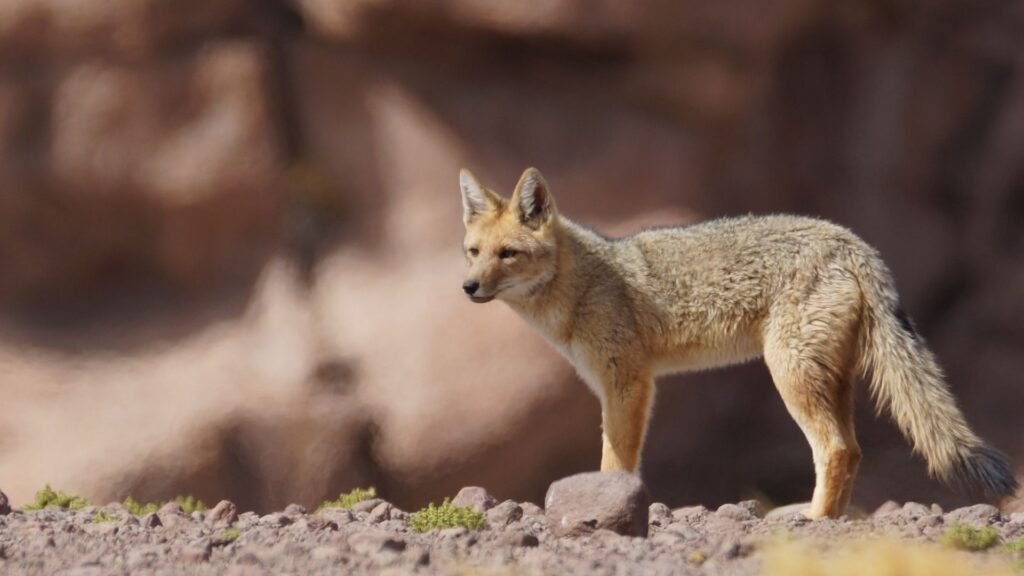
Scientific Name: Lycalopex culpaeus
Class: Mammalia
Diet: Omnivore
The culpeo, or Andean fox, is a South American canid that looks very much like a large red fox. It is one of the biggest fox-like animals in South America.
Moreover, like the fox, the culpeo is a clever, adaptable omnivore. It hunts rodents and rabbits and also eats fruit and carrion across its mountainous range.
Culpeos inhabit the grasslands, deserts, and mountains of South America, feeding on small animals, birds, and plants.
As adaptable predators, culpeos help control rodent populations. Widespread across their range, they are of Least Concern.
Fun Fact: Despite its fox-like looks, the culpeo is more closely related to wolves and jackals than to true foxes.
Gray Wolf

Scientific Name: Canis lupus
Class: Mammalia
Diet: Carnivore
The gray wolf is the largest member of the dog family and a distant relative of the fox. Both share the family’s pointed muzzle, bushy tail, and sharp senses.
Interestingly, unlike the solitary fox, the wolf is a highly social pack animal. It hunts large prey together and communicates with far-carrying howls.
Gray wolves inhabit forests, tundra, and mountains across North America, Europe, and Asia, preying on deer, elk, and other large mammals.
As apex predators, wolves shape entire ecosystems by controlling prey. Recovering in some regions, they remain threatened elsewhere.
Fun Fact: All domestic dogs, and even foxes’ distant cousins, trace back to wild wolf ancestors.
Ethiopian Wolf
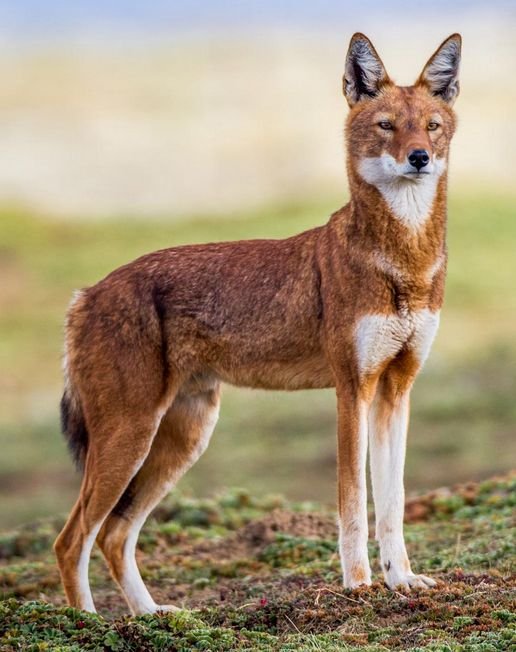
Scientific Name: Canis simensis
Class: Mammalia
Diet: Carnivore
The Ethiopian wolf looks strikingly like a large red fox, with a slender body, reddish coat, and pointed muzzle. It is one of the rarest canids on Earth.
Moreover, like the fox, the Ethiopian wolf is a specialized hunter of small mammals, especially rodents. It hunts alone but lives in social family packs.
Ethiopian wolves inhabit the high mountain grasslands of Ethiopia, hunting mainly rodents.
As specialized predators, Ethiopian wolves help control rodent populations. Habitat loss and disease have made them Endangered, with very few remaining.
Fun Fact: The Ethiopian wolf is Africa’s most endangered carnivore, with only a few hundred left in the wild.
Corsac Fox
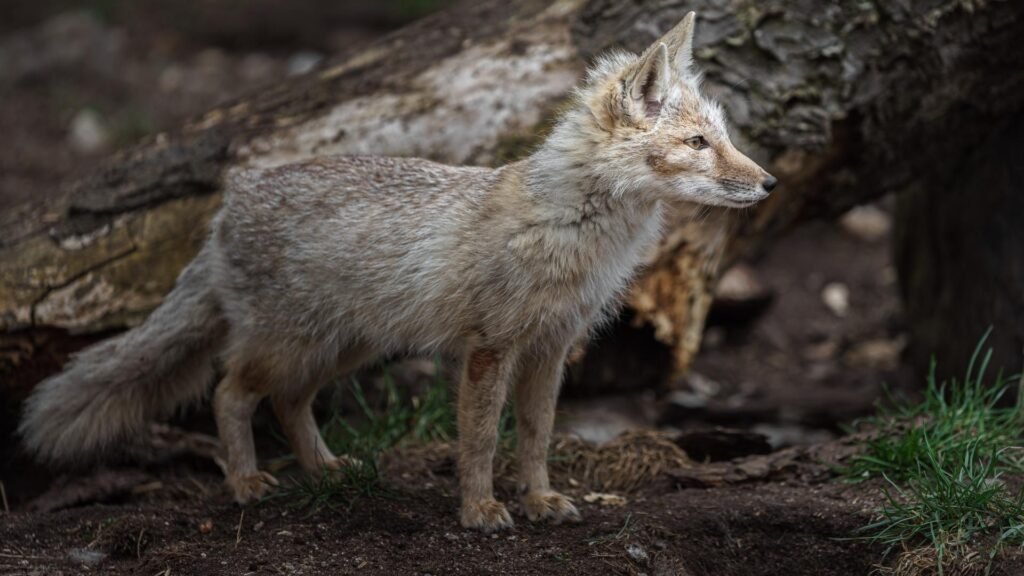
Scientific Name: Vulpes corsac
Class: Mammalia
Diet: Omnivore
The corsac fox is a true fox of the Central Asian steppes, with a pale coat and classic fox features. It is well adapted to open, dry grasslands.
Interestingly, unlike many foxes, the corsac is quite social and sometimes lives in small groups. It is also a skilled digger and a surprisingly good climber.
Corsac foxes inhabit the steppes and semi-deserts of Central Asia, feeding on rodents, insects, and plants.
As adaptable predators, corsac foxes help control rodent populations. Widespread across their range, they are of Least Concern.
Fun Fact: The corsac fox can go long periods without water, getting most of its moisture from its prey.
Gray Fox
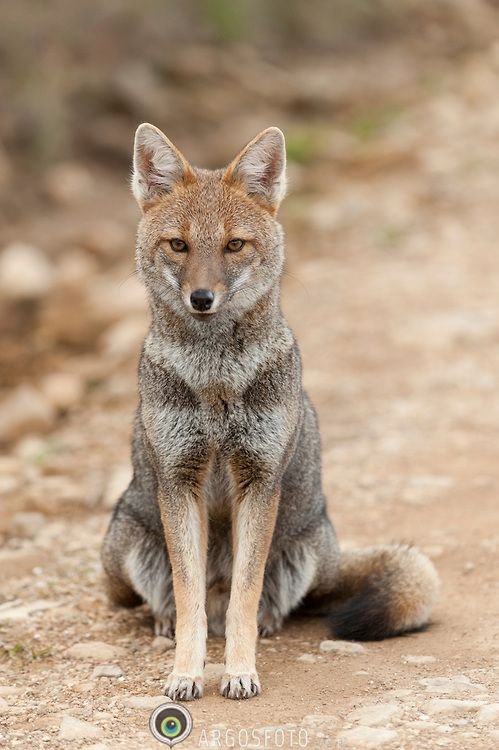
Scientific Name: Urocyon cinereoargenteus
Class: Mammalia
Diet: Omnivore
The gray fox is a true fox with a remarkable and unusual talent among canids. Unlike most of its relatives, it can climb trees with ease.
Moreover, like other foxes, the gray fox is a clever, adaptable omnivore. Its strong, curved claws let it scramble up trunks to escape predators or find food.
Gray foxes inhabit forests, woodlands, and scrublands across the Americas, feeding on small animals, fruit, and insects.
As adaptable predators, gray foxes help control rodent populations. Widespread and thriving, they are of Least Concern.
Fun Fact: The gray fox is one of the only members of the dog family that can climb trees like a cat.
Black-backed Jackal
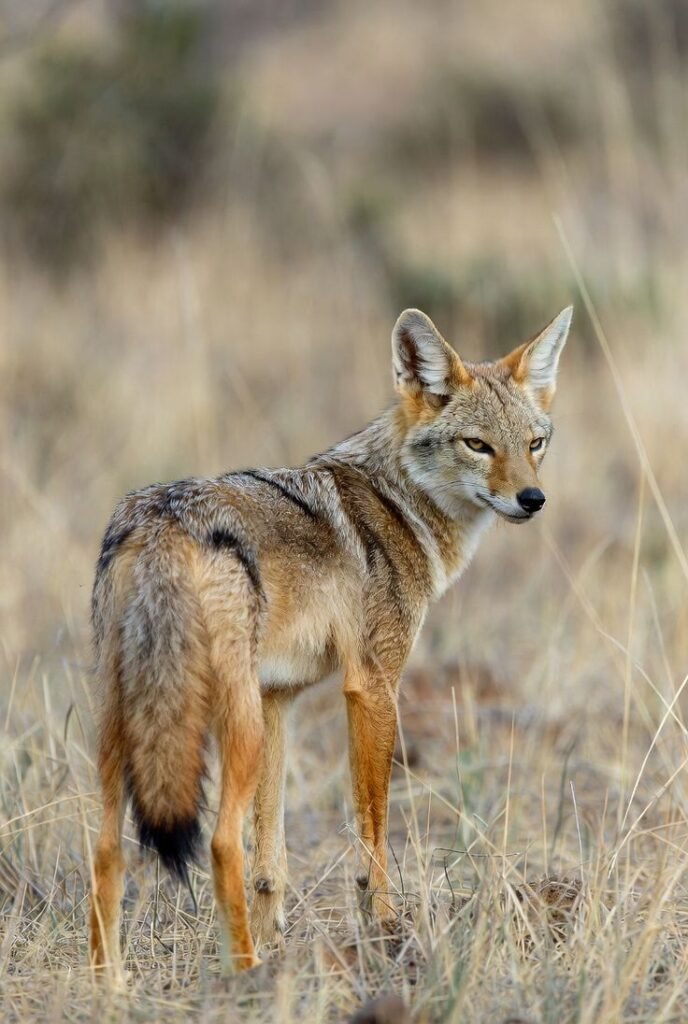
Scientific Name: Lupulella mesomelas
Class: Mammalia
Diet: Omnivore
The black-backed jackal is a slender African canid with a fox-like face and bushy tail, marked by a dark “saddle” on its back. It shares the fox’s cunning nature.
Interestingly, like the fox, the black-backed jackal is a resourceful omnivore, hunting small prey and scavenging kills. It is bold enough to snatch food from much larger predators.
Black-backed jackals inhabit the savannas and grasslands of eastern and southern Africa, feeding on small animals, insects, fruit, and carrion.
As adaptable predators and scavengers, jackals help clean up and control populations. Widespread and successful, they are of Least Concern.
Fun Fact: Black-backed jackals often shadow lions and hyenas, darting in to steal scraps from their kills.
Read: Animals That Eat Snakes
Read: Animals That Eat Fish
Read: Animals That Look Like Dogs
Read: Animals That Look Like Cats
Read: Animals Like Ferrets in The World
Frequently Asked Questions
Conclusion
From the clever coyote to the towering maned wolf, the world is full of animals that resemble the fox. Each species whether a whistling dhole, a termite-eating bat-eared fox, or a tree-climbing gray fox shares the fox’s slender body, pointed face, and sharp, adaptable mind. Most are fellow members of the dog family, while a few simply evolved a similar look and lifestyle.


One Comment