
Top 12 Rarest Animals in the World (With Images)
What if some of the world’s most extraordinary animals could vanish forever within our lifetime? Across the planet, a handful of species cling to survival with only a few individuals left. The rarest animals in the world are living reminders of nature’s fragility and the urgent need to protect it.
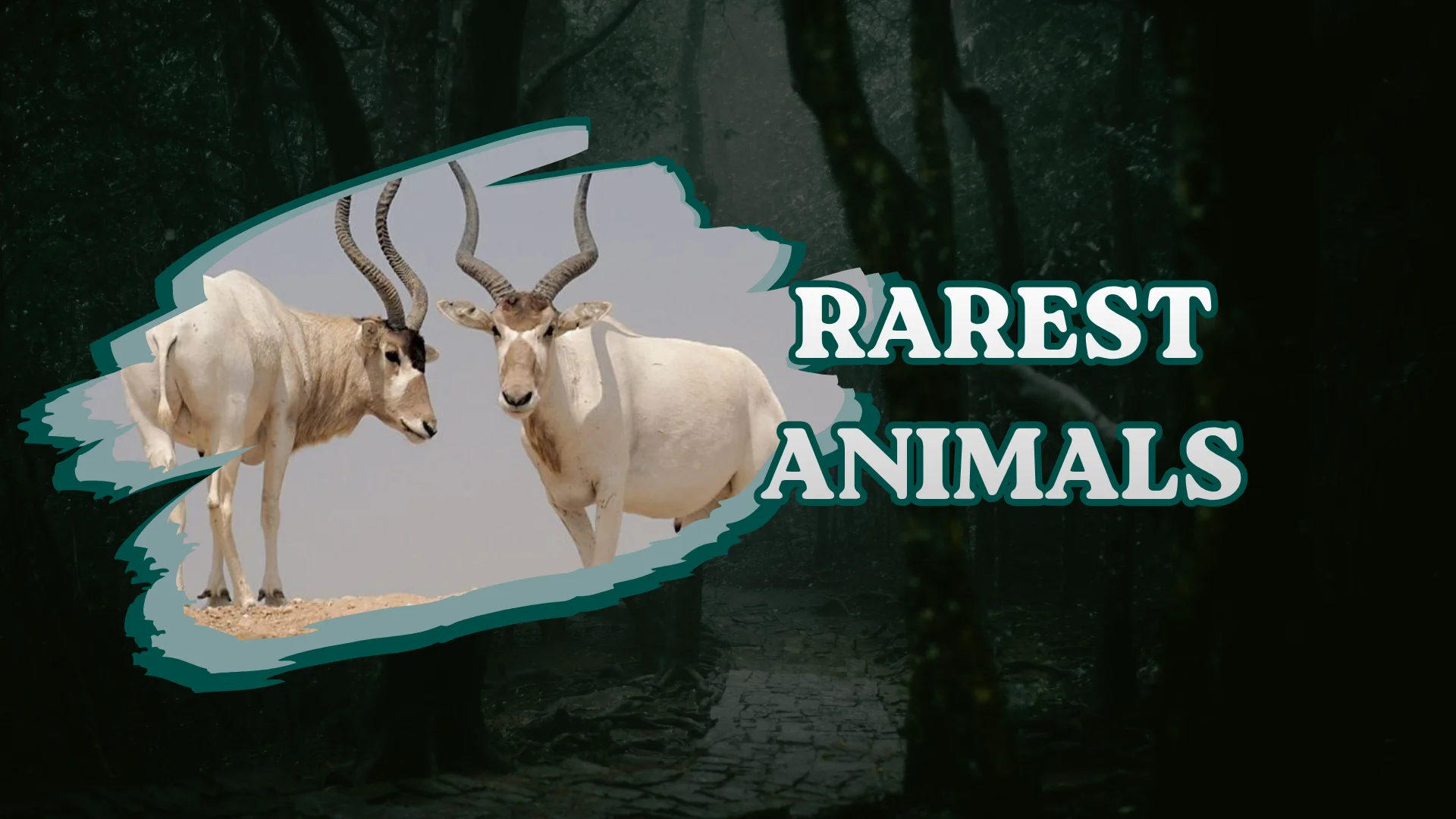
Each one plays a unique role in its ecosystem, and losing it would leave a gap that can never be filled. From a tiny porpoise on the brink of extinction to a flightless parrot brought back from the edge, these animals tell stories of both loss and hope. Let’s explore the rarest creatures on Earth and why their survival matters to us all.
Quick List Table
| Rank | Animal Name | Scientific Name |
|---|---|---|
| 1 | Vaquita | Phocoena sinus |
| 2 | Javan Rhino | Rhinoceros sondaicus |
| 3 | Amur Leopard | Panthera pardus orientalis |
| 4 | Saola | Pseudoryx nghetinhensis |
| 5 | Sumatran Rhino | Dicerorhinus sumatrensis |
| 6 | Kakapo | Strigops habroptilus |
| 7 | Northern White Rhino | Ceratotherium simum cottoni |
| 8 | Yangtze Giant Softshell Turtle | Rafetus swinhoei |
| 9 | Hainan Gibbon | Nomascus hainanus |
| 10 | Addax | Addax nasomaculatus |
| 11 | Cross River Gorilla | Gorilla gorilla diehli |
| 12 | California Condor | Gymnogyps californianus |
Vaquita
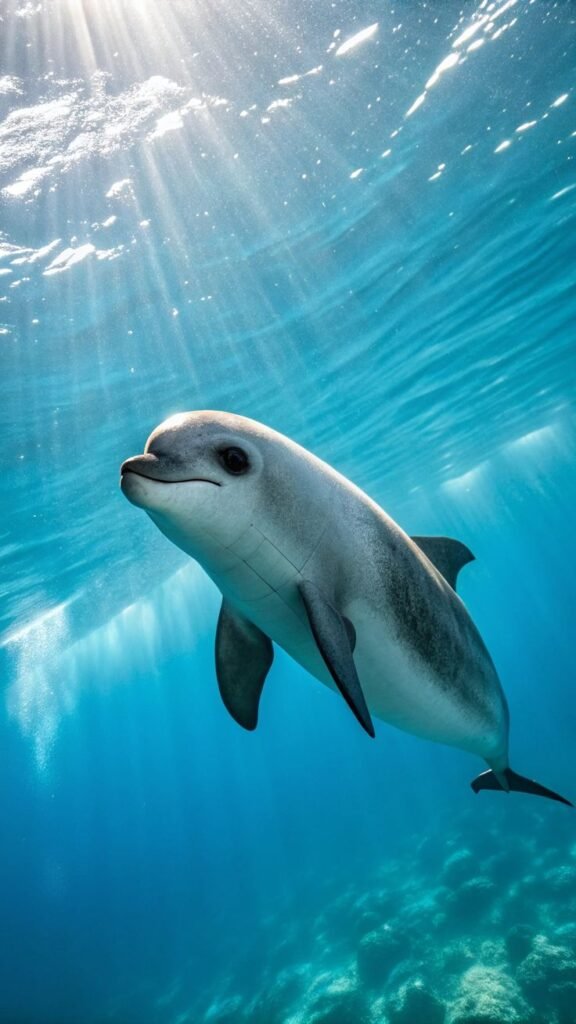
Scientific Name: Phocoena sinus
Class: Mammalia
Diet: Carnivore (fish, squid)
The vaquita is the rarest marine mammal on Earth, with only about ten individuals believed to remain. This tiny porpoise, marked by dark rings around its eyes, is teetering on the very edge of extinction. It is a heartbreaking symbol of how quickly a species can disappear.
Interestingly, the vaquita is the smallest of all porpoises, growing to just about 1.5 meters long. Shy and elusive, it avoids boats and is rarely seen. Its dramatic decline is driven almost entirely by a single deadly threat.
Vaquitas live only in the northern Gulf of California in Mexico, one of the smallest ranges of any marine mammal. As carnivores, they feed on small fish and squid in these shallow, productive waters.
Moreover, the vaquita’s collapse is caused by illegal gillnets set for another fish, in which the porpoises drown. Urgent efforts to ban these nets offer the only hope of saving them.
Fun Fact: The vaquita was only discovered by science in 1958, yet may vanish within our lifetime.
Javan Rhino
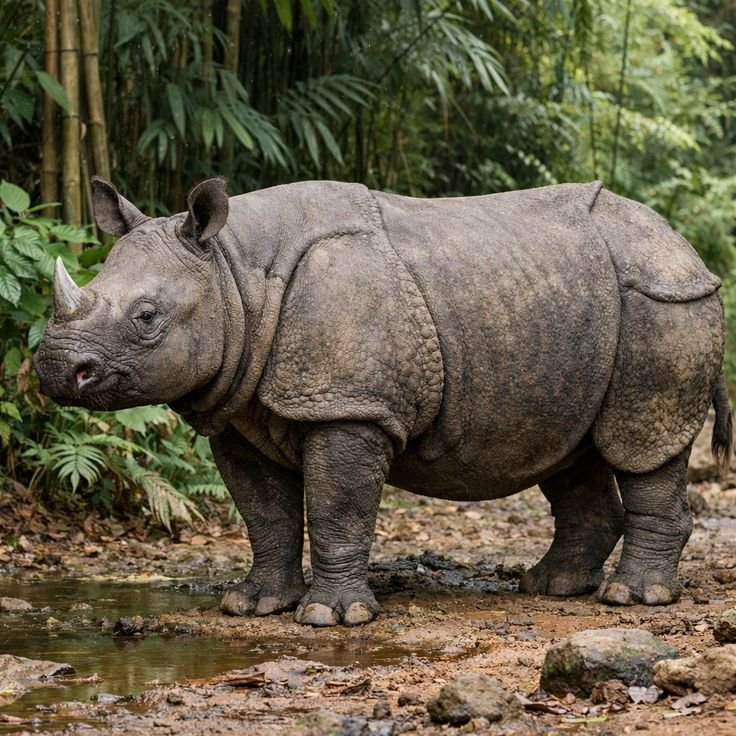
Scientific Name: Rhinoceros sondaicus
Class: Mammalia
Diet: Herbivore
The Javan rhino is one of the rarest large mammals in the world, with only a few dozen surviving. Once widespread across Southeast Asia, it now clings to a single protected forest. Its survival hangs by the thinnest of threads.
What sets the Javan rhino apart is its single horn and loose, armor-like skin folds. Shy and solitary, it favors dense lowland rainforest and wallows in mud to stay cool. Unlike other rhinos, females often lack a horn entirely.
Javan rhinos survive only in Ujung Kulon National Park on the Indonesian island of Java. As herbivores, they browse on leaves, shoots, and fallen fruit in the tropical forest.
Beyond their rarity, Javan rhinos shape their forest by dispersing seeds and clearing vegetation. Poaching and a single, vulnerable location make them critically endangered.
Amur Leopard
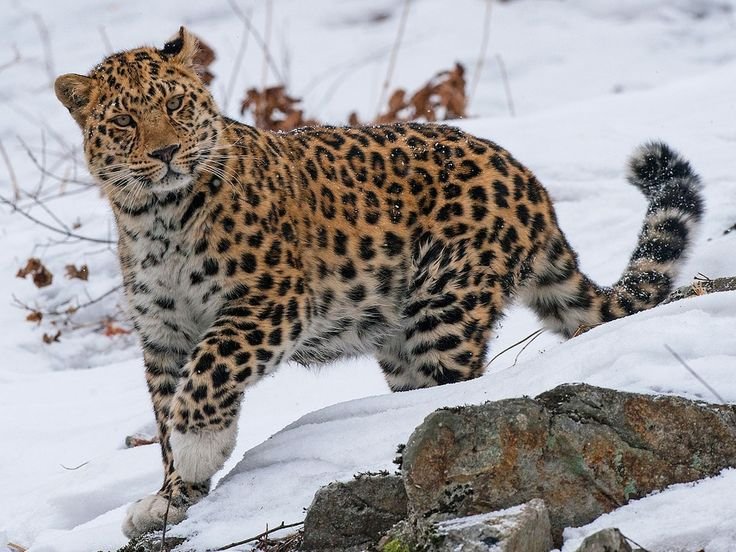
Scientific Name: Panthera pardus orientalis
Class: Mammalia
Diet: Carnivore
The Amur leopard is one of the rarest big cats in the world, with roughly a hundred left in the wild. Adapted to cold northern forests, it is a ghostly and elusive predator. Its beauty and scarcity make it a powerful conservation icon.
Interestingly, the Amur leopard has thick fur and long legs suited to deep snow and freezing winters. A solitary and secretive hunter, it can leap great distances and run at high speed. Each leopard’s rosette pattern is entirely unique.
Amur leopards live in the temperate forests of far-eastern Russia and northeastern China. As carnivores, they hunt deer, hares, and other mammals across their snowy range.
Moreover, the Amur leopard is a top predator that helps keep its forest ecosystem in balance. Poaching, habitat loss, and a tiny population have made it critically endangered, though numbers are slowly rising.
Fun Fact: The Amur leopard can leap more than 5 meters horizontally in a single bound.
Saola
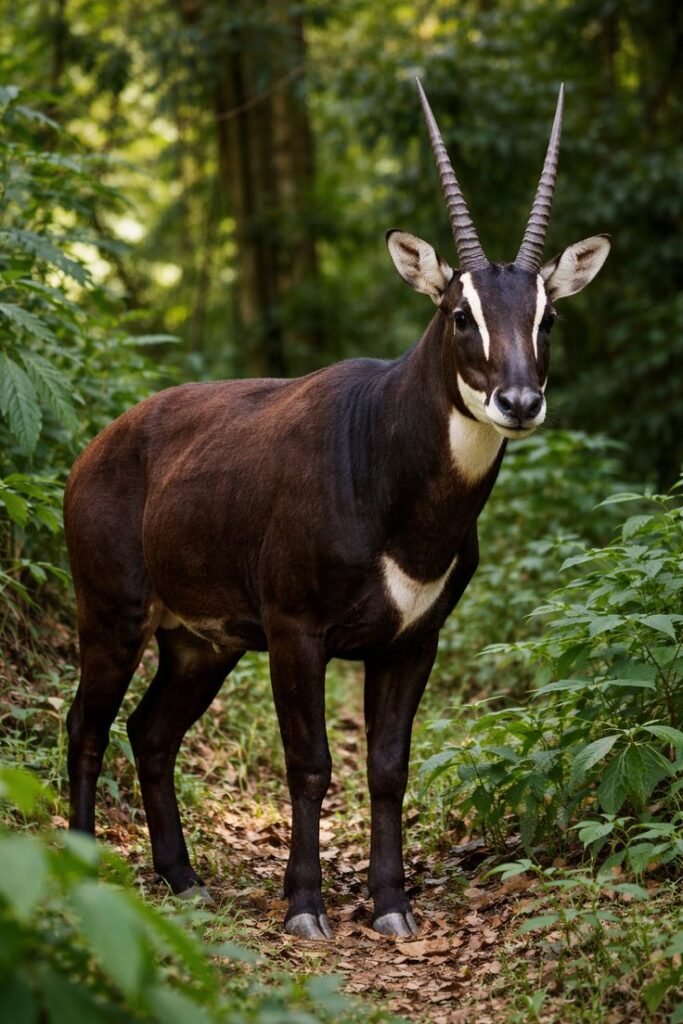
Scientific Name: Pseudoryx nghetinhensis
Class: Mammalia
Diet: Herbivore
The saola, often called the “Asian unicorn,” is so rare it has almost never been seen alive by scientists. Discovered only in 1992, this elusive forest dweller remains deeply mysterious. Its very existence feels like a living legend.
What sets the saola apart is its striking pair of long, parallel horns and white facial markings. Extremely shy, it hides in remote mountain forests and avoids all human contact. So few have ever been observed that much of its life remains unknown.
Saolas live only in the Annamite Mountains along the border of Vietnam and Laos. As herbivores, they browse on leafy vegetation along forest streams and rivers.
Moreover, the saola is a symbol of the hidden biodiversity still awaiting discovery. Snaring and habitat loss have pushed it to the brink, and it may be one of the rarest large animals alive.
Sumatran Rhino
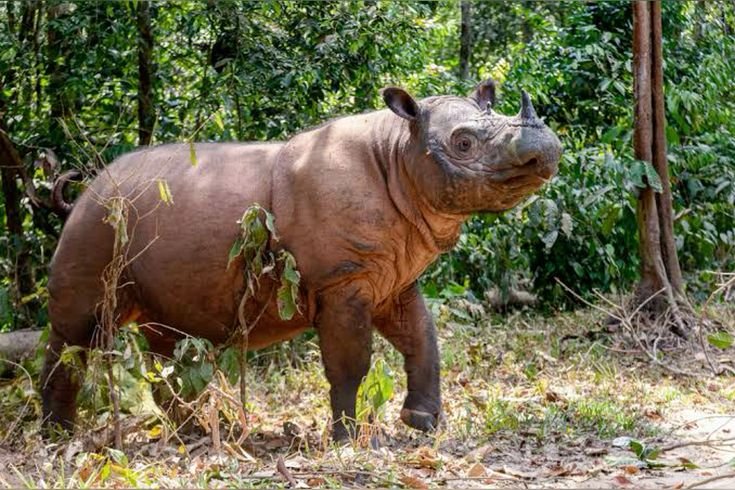
Scientific Name: Dicerorhinus sumatrensis
Class: Mammalia
Diet: Herbivore
The Sumatran rhino is the smallest and hairiest of all rhinos, with fewer than 50 believed to survive. A relic of prehistoric times, it is the closest living relative of the extinct woolly rhino. Its dwindling numbers make every individual precious.
Interestingly, the Sumatran rhino is covered in a coat of reddish hair, unusual among modern rhinos. Shy and solitary, it communicates through whistles and songs and wallows in mud to protect its skin. It is a gentle browser of dense forest.
Sumatran rhinos survive in scattered pockets of rainforest on Sumatra and Borneo. As herbivores, they feed on leaves, twigs, and fruit deep within the tropical forest.
Beyond their rarity, these rhinos disperse seeds and maintain forest health. Habitat loss and isolation, which prevents breeding, have made them critically endangered.
Fun Fact: The Sumatran rhino “sings,” producing sounds similar to those of whales.
Kakapo
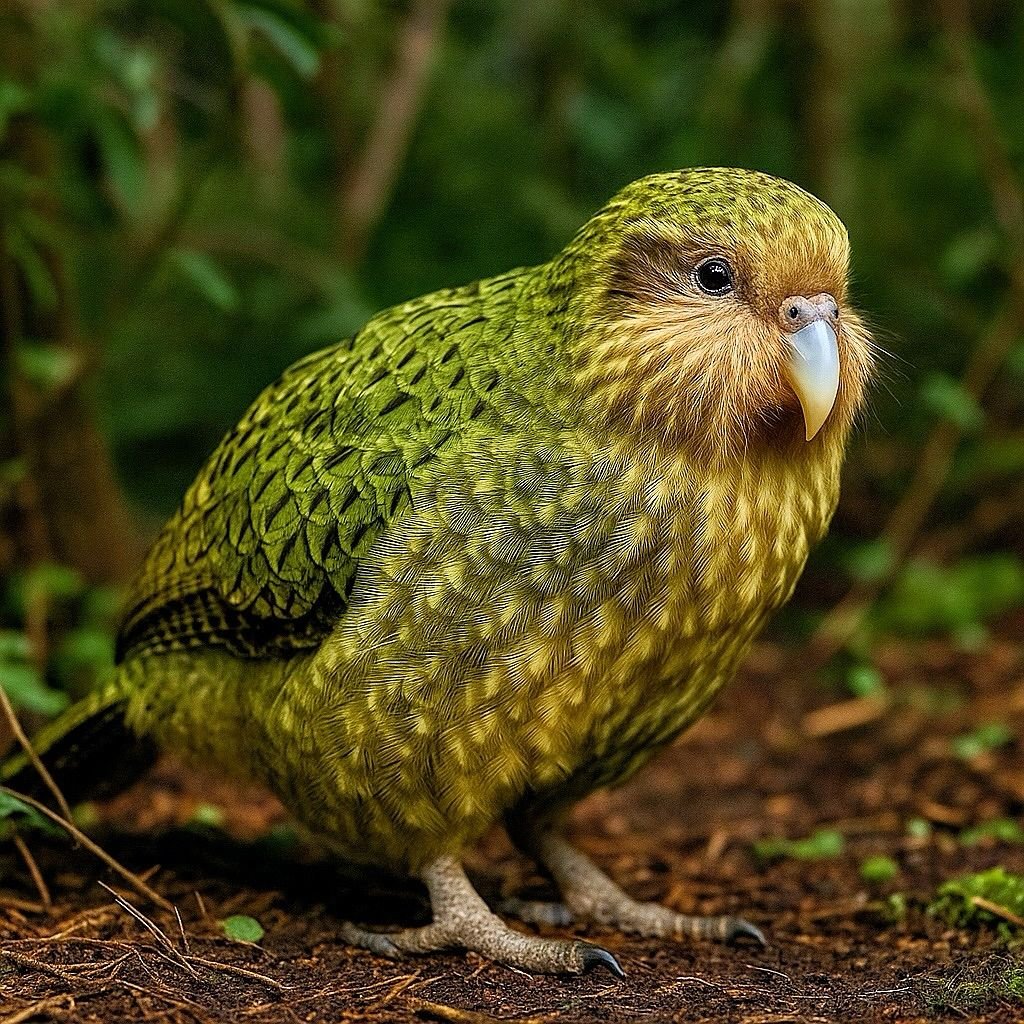
Scientific Name: Strigops habroptilus
Class: Aves
Diet: Herbivore
The kakapo is a rare and remarkable flightless parrot found only in New Zealand. The heaviest parrot in the world, it is nocturnal and cannot fly. Once nearly extinct, it has become a symbol of conservation hope.
What sets the kakapo apart is its unusual biology. It climbs trees using its beak and claws, freezes to avoid detection, and breeds only every few years when certain trees fruit. Males produce a deep booming call to attract mates.
Kakapos survive only on a few predator-free islands off New Zealand, under intensive protection. As herbivores, they feed on native plants, seeds, fruits, and roots.
Moreover, the kakapo is a flagship of New Zealand’s conservation efforts. Introduced predators nearly wiped it out, but careful management has slowly increased its tiny population.
Northern White Rhino
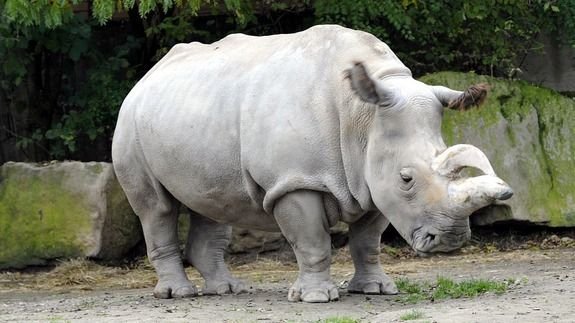
Scientific Name: Ceratotherium simum cottoni
Class: Mammalia
Diet: Herbivore
The northern white rhino is one of the rarest animals on Earth, with only two individuals remaining, both female. Functionally extinct, it survives only through extraordinary scientific efforts. Its story is among the most sobering in conservation.
Interestingly, with no males left, the subspecies cannot reproduce naturally. Scientists are now attempting advanced techniques like in vitro fertilization using preserved genetic material. The last two females live under constant, round-the-clock protection.
The final northern white rhinos live in a conservancy in Kenya. As herbivores, they graze on grasses in the protected savanna where they are carefully guarded.
Moreover, the northern white rhino’s fate is a stark warning about poaching and habitat loss. Its near-total loss underscores the urgent need to protect the world’s remaining rhinos.
Fun Fact: The last two northern white rhinos are guarded around the clock by armed rangers.
Yangtze Giant Softshell Turtle
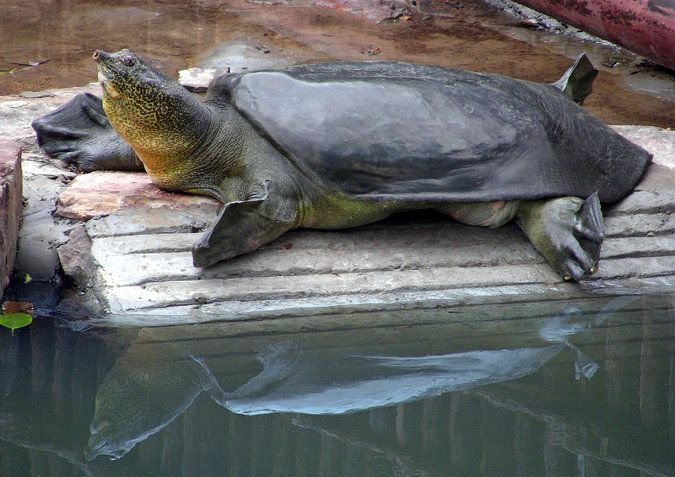
Scientific Name: Rafetus swinhoei
Class: Reptilia
Diet: Carnivore (fish, crustaceans)
The Yangtze giant softshell turtle is considered the rarest turtle in the world, with only a tiny number known to survive. It is also one of the largest freshwater turtles on the planet. Its critical status makes each individual extraordinarily valuable.
What sets this turtle apart is its enormous size, soft leathery shell, and pig-like snout. It spends much of its time buried in mud or submerged, surfacing only to breathe. Very few living individuals are known to science.
Yangtze giant softshell turtles live in rivers and wetlands of China and Vietnam. As carnivores, they feed on fish, crabs, and other aquatic animals in their freshwater homes.
Moreover, this turtle is a symbol of the freshwater biodiversity crisis. Habitat destruction, hunting, and pollution have driven it to the very edge of extinction.
Hainan Gibbon
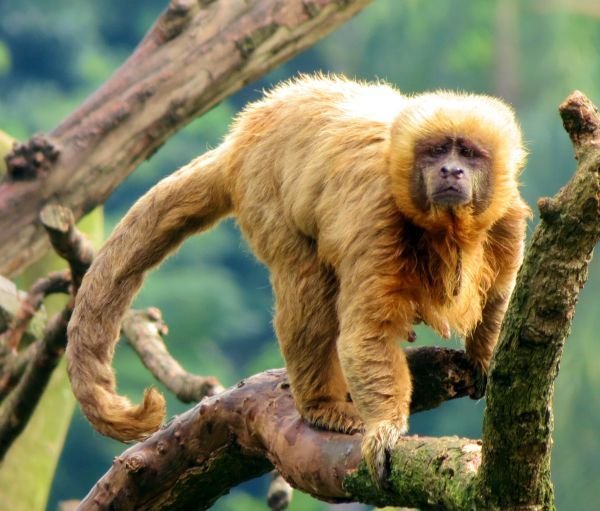
Scientific Name: Nomascus hainanus
Class: Mammalia
Diet: Herbivore (fruit, leaves)
The Hainan gibbon is the rarest primate in the world, with only around 40 individuals remaining. Found on a single Chinese island, it survives in one small patch of forest. Its tiny population makes it one of the most endangered animals alive.
Interestingly, Hainan gibbons live in small family groups and are known for their haunting, musical calls. Agile and acrobatic, they swing swiftly through the canopy without ever touching the ground. Their songs echo across the forest each morning.
Hainan gibbons survive only in a protected reserve on Hainan Island in southern China. As frugivores, they feed mainly on fruit, along with leaves and flowers high in the trees.
Beyond their rarity, these gibbons disperse seeds and help maintain their forest. Habitat loss reduced them to a single population, making their protection critically urgent.
Fun Fact: All surviving Hainan gibbons live in just one forest reserve on a single island.
Addax
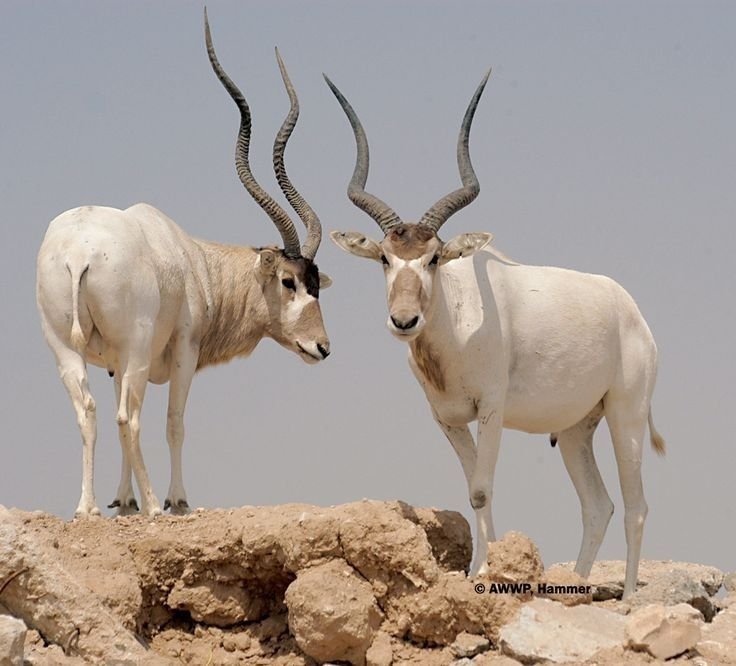
Scientific Name: Addax nasomaculatus
Class: Mammalia
Diet: Herbivore
The addax, or white antelope, is one of the rarest large mammals of the desert, with very few left in the wild. Superbly adapted to the Sahara, it can survive where almost nothing else can. Its wild population has collapsed to a critical low.
What sets the addax apart is its remarkable desert survival. It can go long periods without drinking, obtaining moisture from the plants it eats. Its coat turns nearly white in summer to reflect the sun’s heat.
Addax once roamed across the Sahara but now survive in tiny numbers in remote parts of Niger and Chad. As herbivores, they feed on desert grasses and shrubs across the sand.
Moreover, the addax is a keystone of the desert ecosystem and a target of reintroduction programs. Overhunting and habitat disturbance have made it critically endangered.
Cross River Gorilla

Scientific Name: Gorilla gorilla diehli
Class: Mammalia
Diet: Herbivore
The Cross River gorilla is the rarest of all gorillas, with only around 300 individuals left. Living in remote highland forests, it is so elusive that it is rarely seen. Its small, scattered population makes it critically endangered.
Interestingly, Cross River gorillas are shy and wary of humans, keeping to rugged, hard-to-reach terrain. They live in small groups led by a dominant male and communicate through calls and gestures. Their caution has helped them survive in a dangerous world.
Cross River gorillas live along the border of Nigeria and Cameroon, in forested hills and mountains. As herbivores, they feed on fruit, leaves, and stems throughout their forest home.
Beyond their rarity, these gorillas disperse seeds and shape the forest they inhabit. Poaching and habitat loss have fragmented their population, making conservation essential.
Fun Fact: Cross River gorillas are so elusive that most are known only from camera-trap photos.
California Condor
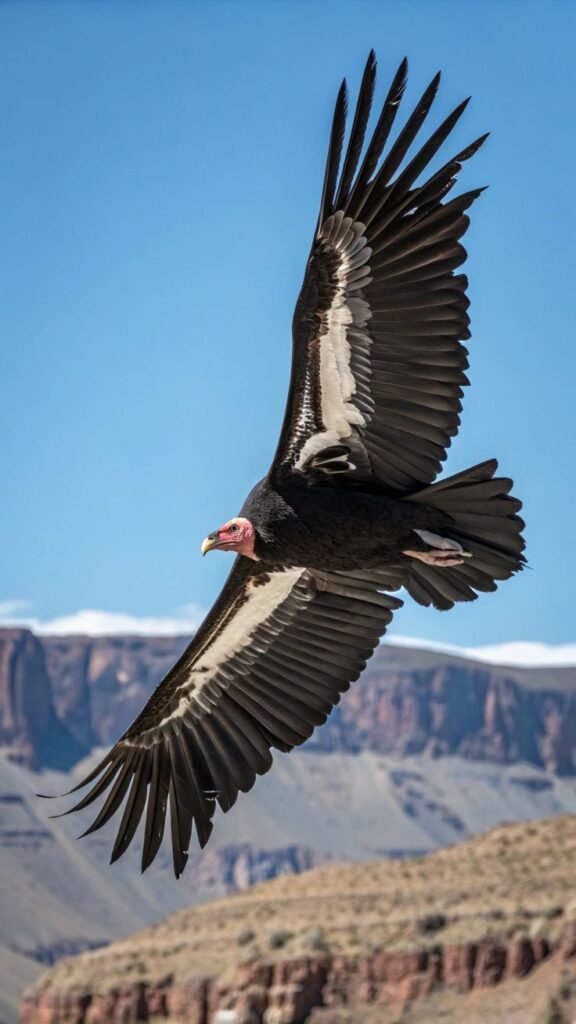
Scientific Name: Gymnogyps californianus
Class: Aves
Diet: Carnivore (carrion)
The California condor is one of the rarest birds in the world and North America’s largest flying bird. Once reduced to just 27 individuals, it was saved from the brink through captive breeding. Its slow recovery is a landmark conservation story.
What sets the condor apart is its immense wingspan, reaching nearly three meters. Soaring for hours on rising air, it can travel vast distances in search of food. It is a scavenger, feeding on the carcasses of large animals.
California condors live in parts of California, Arizona, Utah, and Baja California. As scavengers, they feed on carrion, playing a vital role in cleaning the landscape.
Moreover, the condor’s recovery shows what dedicated conservation can achieve. Lead poisoning from ammunition in carcasses remains a serious ongoing threat to its survival.
Fun Fact: The California condor can soar for hours without a single flap, riding warm air currents.
Read: Animals Like Weasels
Read: Scavenger Birds in The World
Read: Animals Like Groundhogs
Read: Animals Like Foxes in The World
Read: Animals Like Ferrets in The World
Read: Scary Animals in The World
Frequently Asked Questions
Conclusion
From the tiny vaquita to the towering California condor, the rarest animals in the world remind us how fragile life on Earth can be. Each of these species holds a unique place in its ecosystem, and their loss would echo far beyond their vanishing numbers. Yet their stories are not only about decline the kakapo and condor prove that recovery is possible when people act. Poaching, habitat loss, and human pressure remain the greatest threats to their survival.
One Comment