
Top 18 Animals With Webbed Feet in The World (With Images)
Did you know that webbed feet have evolved separately in birds, mammals, reptiles, and amphibians, all for the same reason? Webbed feet are one of nature’s most brilliant swimming tools, with skin stretched between the toes to form built-in paddles. This clever design lets animals push against more water, swimming faster and with less effort.
From paddling ducks to diving platypuses, animals with webbed feet dominate the world’s waters. In this guide, we’ll explore the top 18 animals with webbed feet, uncovering how these natural flippers work and why they are so vital for life in and around water.
List of Animals With Webbed Feet
| Rank | Animal | Scientific Name |
|---|---|---|
| 1 | Mallard Duck | Anas platyrhynchos |
| 2 | Platypus | Ornithorhynchus anatinus |
| 3 | Beaver | Castor canadensis |
| 4 | Eurasian Otter | Lutra lutra |
| 5 | Common Frog | Rana temporaria |
| 6 | Mute Swan | Cygnus olor |
| 7 | Canada Goose | Branta canadensis |
| 8 | Great White Pelican | Pelecanus onocrotalus |
| 9 | Emperor Penguin | Aptenodytes forsteri |
| 10 | Atlantic Puffin | Fratercula arctica |
| 11 | Flamingo | Phoenicopterus roseus |
| 12 | Sea Turtle | Chelonia mydas |
| 13 | Capybara | Hydrochoerus hydrochaeris |
| 14 | Newfoundland Dog | Canis lupus familiaris |
| 15 | Newt | Lissotriton vulgaris |
| 16 | Muskrat | Ondatra zibethicus |
| 17 | Seagull | Larus argentatus |
| 18 | Cormorant | Phalacrocorax carbo |
Mallard Duck
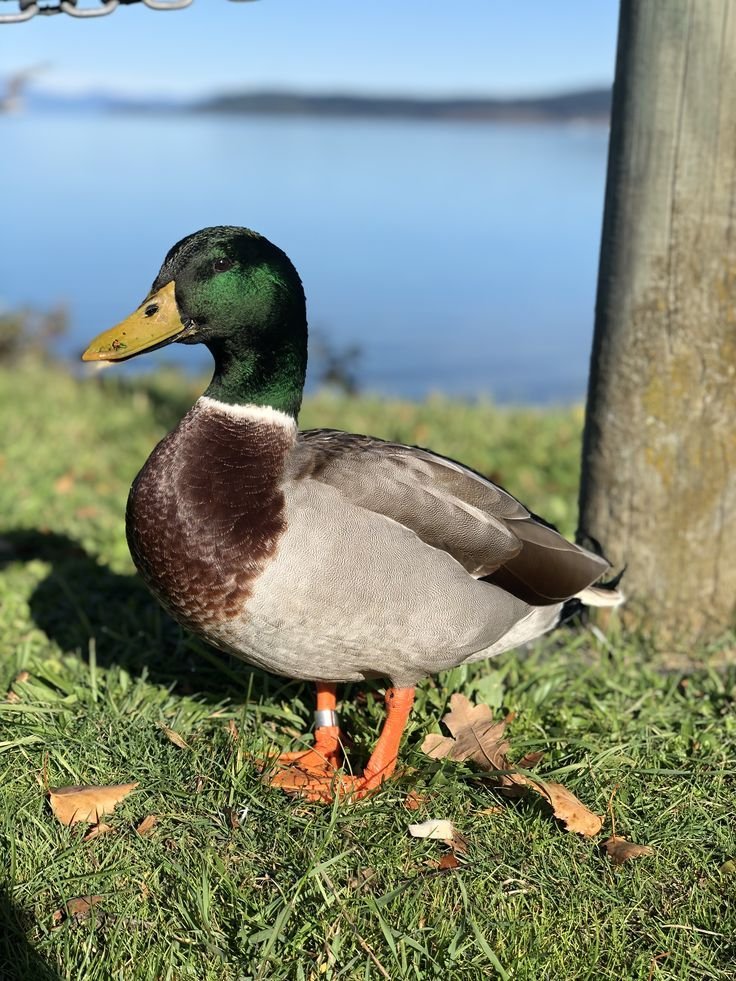
Scientific Name: Anas platyrhynchos
Class: Aves
Diet: Omnivore
The mallard duck is the classic example of an animal with webbed feet. Its wide, flat webbing makes it an excellent swimmer in lakes, rivers, and ponds.
Interestingly, the duck’s webbed feet act like paddles, pushing against the water to power it forward. On land, the webbing folds away, letting the duck waddle about with ease.
Mallard ducks inhabit wetlands, lakes, and rivers across much of the world, feeding on plants, insects, and small aquatic creatures.
As waterfowl, ducks help shape their wetland habitats. Widespread and highly adaptable, they are of Least Concern.
Fun Fact: A duck’s webbed feet have no nerves or blood vessels near the surface, so it can paddle in icy water without feeling cold.
Platypus
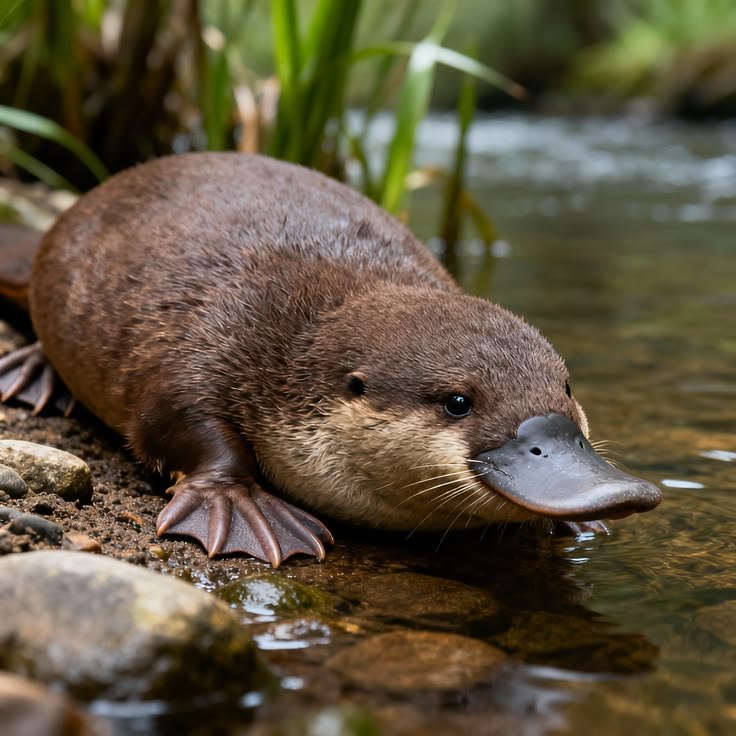
Scientific Name: Ornithorhynchus anatinus
Class: Mammalia
Diet: Carnivore
The platypus has webbed feet like an otter’s, perfect for its semi-aquatic life. Its front feet are especially broad, acting as powerful paddles.
Moreover, the platypus swims by paddling with its webbed front feet and steering with its hind feet and flat tail. On land, it tucks away the webbing to reveal claws for digging burrows.
Platypuses inhabit the freshwater rivers and streams of eastern Australia, feeding on insects, larvae, and small crustaceans.
As freshwater foragers, platypuses reflect the health of their waterways. Habitat loss and drought have made them Near Threatened.
Fun Fact: The platypus folds back the webbing on its front feet to reveal claws for digging when it comes ashore.
Beaver
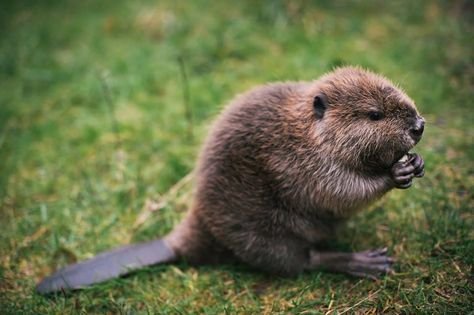
Scientific Name: Castor canadensis
Class: Mammalia
Diet: Herbivore
The beaver has large, webbed hind feet that make it a superb swimmer. These broad paddles propel it through rivers and ponds as it works.
Interestingly, the beaver uses its webbed hind feet for power and its flat tail as a rudder. Its front paws stay small and nimble for handling branches and building dams.
Beavers inhabit rivers, streams, and wetlands across North America and Eurasia, feeding on bark, leaves, and aquatic plants.
As nature’s engineers, beavers build dams that create wetlands supporting countless species. Widespread today, they are of Least Concern.
Fun Fact: A beaver even has a special split claw on its webbed hind foot that it uses like a comb to groom its fur.
Eurasian Otter
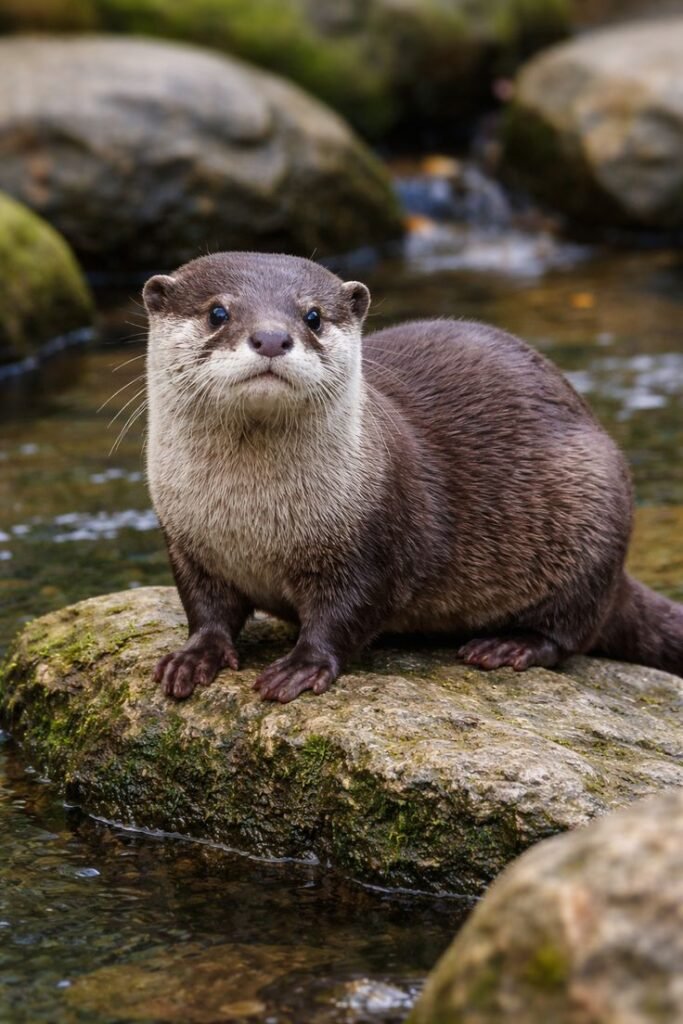
Scientific Name: Lutra lutra
Class: Mammalia
Diet: Carnivore
The Eurasian otter has webbed feet that make it one of the fastest swimmers among river mammals. It can reach speeds of about seven miles per hour in the water.
Moreover, the otter’s webbed feet, streamlined body, and powerful tail let it dive as deep as 60 feet. These paddles make it an agile and efficient underwater hunter.
Eurasian otters inhabit the rivers, lakes, and coasts of Europe, Asia, and North Africa, feeding on fish, amphibians, and crustaceans.
As agile predators, otters help balance aquatic ecosystems and signal clean water. Pollution and habitat loss have made them Near Threatened.
Fun Fact: An otter can close its ears and nostrils and dive underwater for several minutes while hunting on its webbed feet.
Common Frog
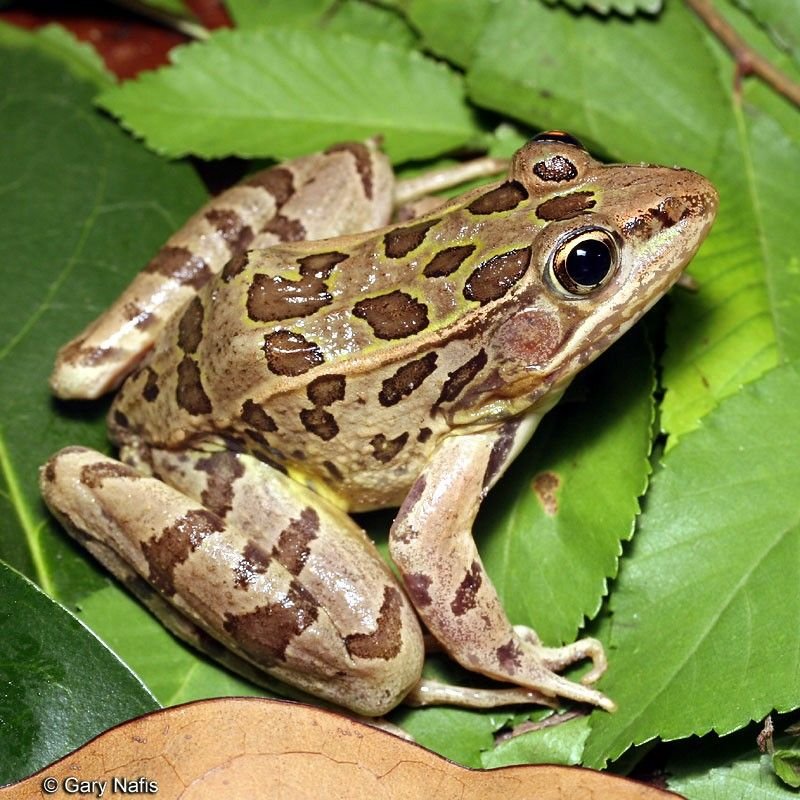
Scientific Name: Rana temporaria
Class: Amphibia
Diet: Carnivore
The common frog has strongly webbed back feet that make it an excellent swimmer. These webbed feet let it move swiftly through ponds, streams, and wetlands.
Interestingly, the frog’s webbed hind feet push back against the water to create swirling “vortex rings” that propel it forward. This makes its powerful kicks remarkably efficient.
Common frogs inhabit ponds, wetlands, and damp areas across much of Europe, feeding on insects, worms, and other small invertebrates.
As both predator and prey, frogs are important indicators of environmental health. Pollution and habitat loss threaten many amphibians.
Fun Fact: A frog’s webbed feet create swirling rings of water with each kick, pushing it forward like tiny underwater jets.
Mute Swan
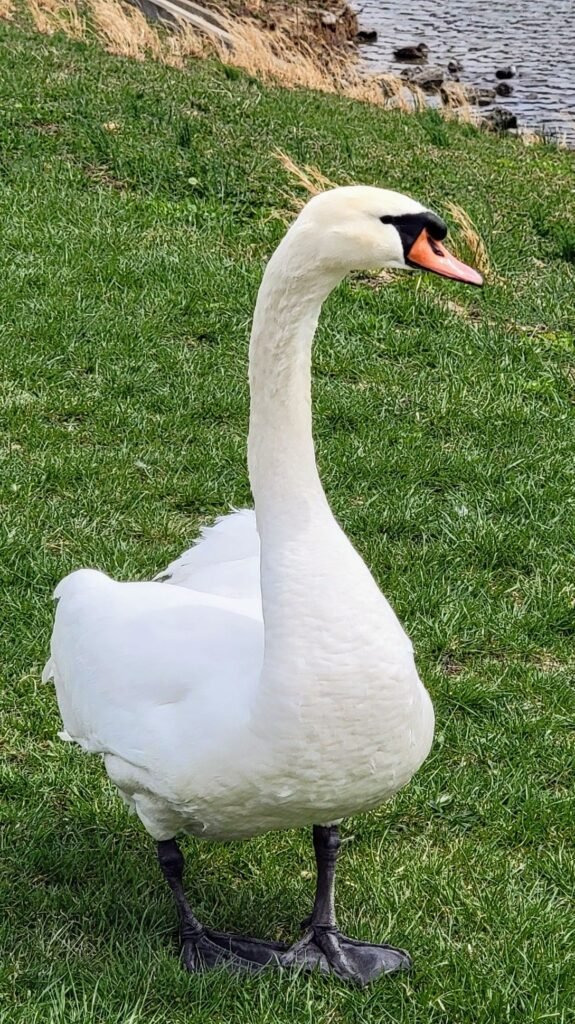
Scientific Name: Cygnus olor
Class: Aves
Diet: Herbivore
The mute swan glides gracefully across the water using its large, powerful webbed feet. These broad paddles move its heavy body with surprising ease.
Moreover, the swan uses its webbed feet to propel and steer while floating serenely on the surface. The same feet also help it run across the water to take off into flight.
Mute swans inhabit lakes, rivers, and ponds across Europe and Asia, feeding on aquatic plants and grasses.
As waterfowl, swans help shape their wetland habitats. Widespread and often introduced worldwide, they are of Least Concern.
Fun Fact: A swan must run and paddle across the water’s surface with its webbed feet to gain enough speed for takeoff.
Canada Goose
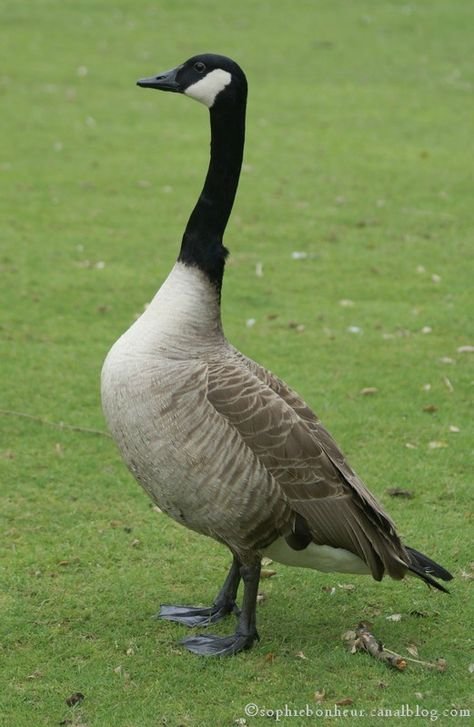
Scientific Name: Branta canadensis
Class: Aves
Diet: Herbivore
The Canada goose has strong webbed feet that make it a capable swimmer and a powerful walker. These paddles serve it well both in water and on land.
Interestingly, the goose uses its webbed feet to swim across lakes and to grip slippery, muddy shorelines. The webbing helps it move efficiently whether feeding on water plants or grazing on grass.
Canada geese inhabit lakes, rivers, and grasslands across North America and beyond, feeding on grasses, grains, and aquatic plants.
As grazers, geese help shape their wetland and grassland habitats. Widespread and highly adaptable, they are of Least Concern.
Fun Fact: Canada geese can migrate thousands of miles, their webbed feet ready for every lake and river along the way.
Great White Pelican
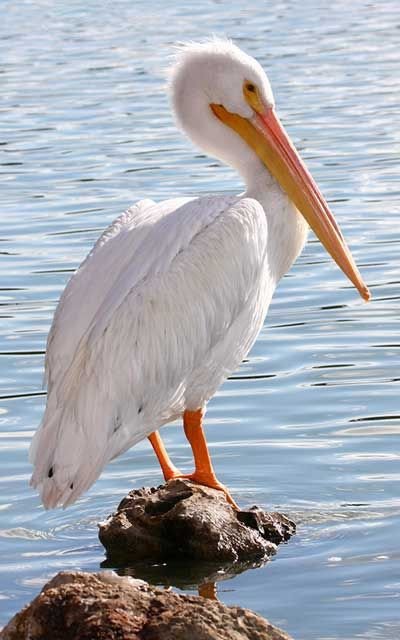
Scientific Name: Pelecanus onocrotalus
Class: Aves
Diet: Carnivore
The great white pelican has fully webbed feet in which all four toes are connected, a rare feature called “totipalmate.” This gives it exceptionally large, powerful paddles.
Moreover, the pelican uses these big webbed feet to swim strongly and to help it take off from the water. The extra webbing gives it a powerful push against the surface.
Pelicans inhabit lakes, wetlands, and coastlines across warm regions of the world, feeding mainly on fish.
As fish-eating birds, pelicans help regulate fish populations and signal healthy waters. Pollution and habitat loss threaten some populations.
Fun Fact: The pelican is one of the few birds with all four toes joined by webbing, giving it extra-large paddles.
Emperor Penguin
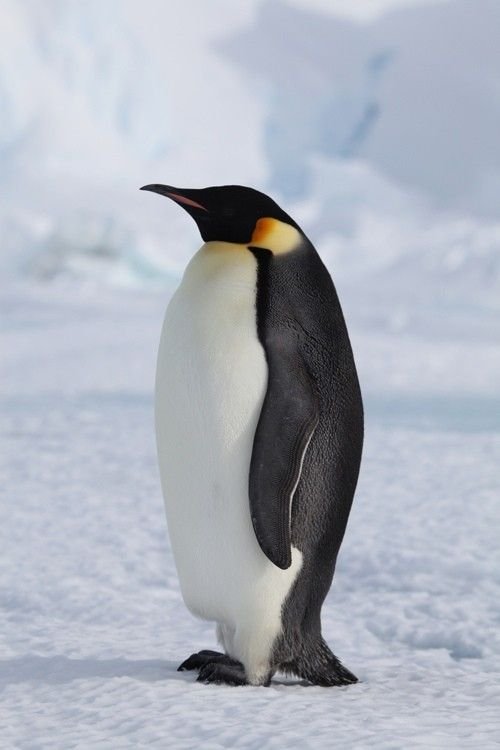
Scientific Name: Aptenodytes forsteri
Class: Aves
Diet: Carnivore
The emperor penguin has webbed feet that help it steer and power through the freezing Antarctic waters. These feet work together with its flipper-like wings.
Interestingly, while the penguin “flies” underwater using its wings, its webbed feet act as rudders to steer and brake. On land, the same feet help it waddle and toboggan across the ice.
Emperor penguins inhabit the sea ice and frigid waters of Antarctica, diving deep to hunt fish, squid, and krill.
As key predators, penguins are important indicators of ocean health. Climate change and shrinking sea ice have made them Near Threatened.
Fun Fact: An emperor penguin uses its webbed feet to steer as it dives over 500 meters deep in search of food.
Atlantic Puffin
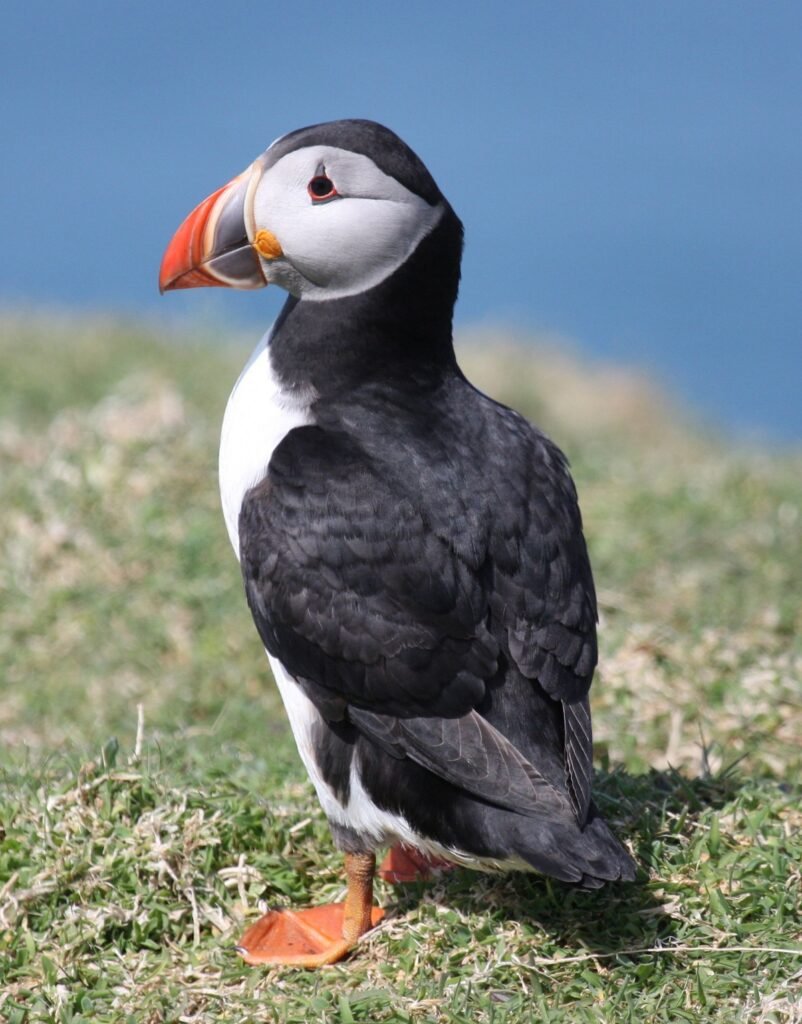
Scientific Name: Fratercula arctica
Class: Aves
Diet: Carnivore
The Atlantic puffin has bright orange webbed feet that make it a strong swimmer and diver. These paddles help it chase fish underwater.
Moreover, the puffin uses its webbed feet along with its wings to “fly” through the water in pursuit of prey. The webbing also helps it brake and land, though its landings are famously clumsy.
Atlantic puffins nest on the rocky coastal cliffs and islands of the North Atlantic, feeding on small fish.
As fish-eating seabirds, puffins are important indicators of a healthy marine ecosystem. Overfishing and warming seas have made them Vulnerable.
Fun Fact: A puffin uses its webbed feet as air brakes and rudders, helping it steer during its notoriously bumpy landings.
Flamingo
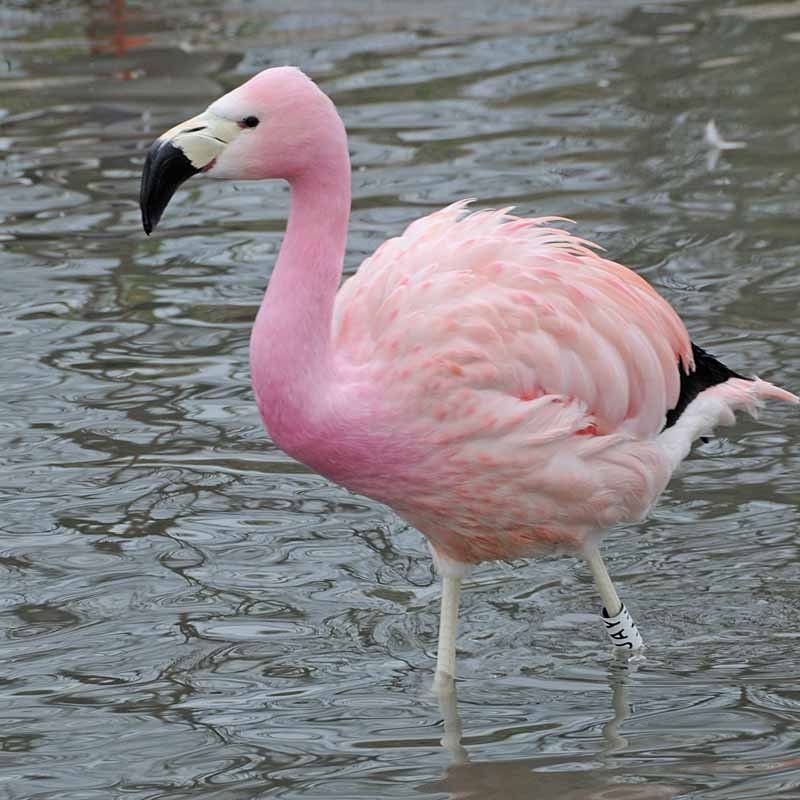
Scientific Name: Phoenicopterus roseus
Class: Aves
Diet: Omnivore
The flamingo has webbed feet that help it navigate the soft mud and shallow water where it feeds. The webbing keeps it from sinking into the ooze.
Interestingly, the flamingo uses its webbed feet to stir up mud, churning the bottom to bring up the tiny algae and shrimp it eats. The webbing also helps it swim in deeper water when needed.
Flamingos gather in large flocks across shallow lakes and lagoons in Africa, the Americas, Europe, and Asia.
As filter feeders, flamingos help regulate algae and brine shrimp populations. Pollution and habitat loss threaten some colonies.
Fun Fact: A flamingo stamps its webbed feet in the mud to stir up food before filtering it from the water.
Sea Turtle
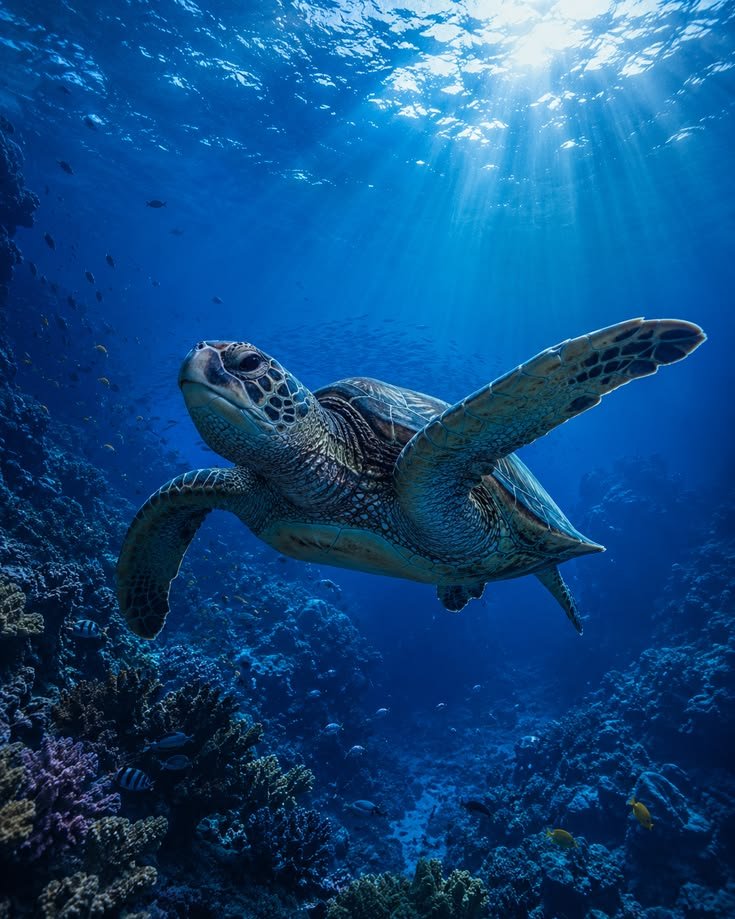
Scientific Name: Chelonia mydas
Class: Reptilia
Diet: Herbivore
The sea turtle has webbed, flipper-like feet perfectly built for a life at sea. Its front limbs are broad paddles that power its graceful swimming.
Moreover, the sea turtle uses its webbed front flippers to “fly” through the water and its hind feet to steer. On land, females use these same feet to dig nests in the sand.
Green sea turtles inhabit tropical and subtropical seas worldwide, grazing on seagrass and algae in warm coastal waters.
As grazers, sea turtles keep seagrass meadows healthy. Sadly, green sea turtles are Endangered, threatened by fishing nets, pollution, and habitat loss.
Fun Fact: A sea turtle can travel thousands of miles across the ocean, powered by its webbed, wing-like flippers.
Capybara
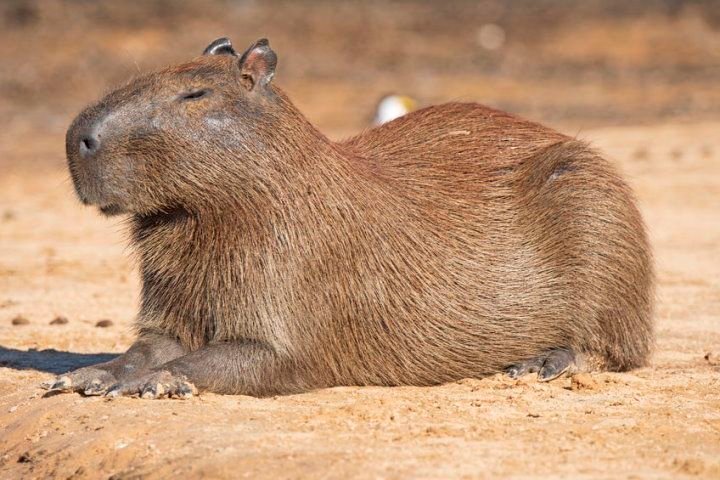
Scientific Name: Hydrochoerus hydrochaeris
Class: Mammalia
Diet: Herbivore
The capybara is the world’s largest rodent and has partially webbed feet suited to its semi-aquatic life. The webbing helps it move easily through water.
Interestingly, the capybara’s webbed feet make it an excellent swimmer, able to cross rivers and dive to escape predators. It can even sleep in water with just its nose poking out.
Capybaras inhabit the wetlands, rivers, and grasslands of South America, feeding on grasses and aquatic plants.
As grazers and prey, capybaras are central to their ecosystems. Currently of Least Concern, they depend on healthy wetlands and waterways.
Fun Fact: A capybara can stay underwater for up to five minutes, using its webbed feet to hide from predators.
Newfoundland Dog
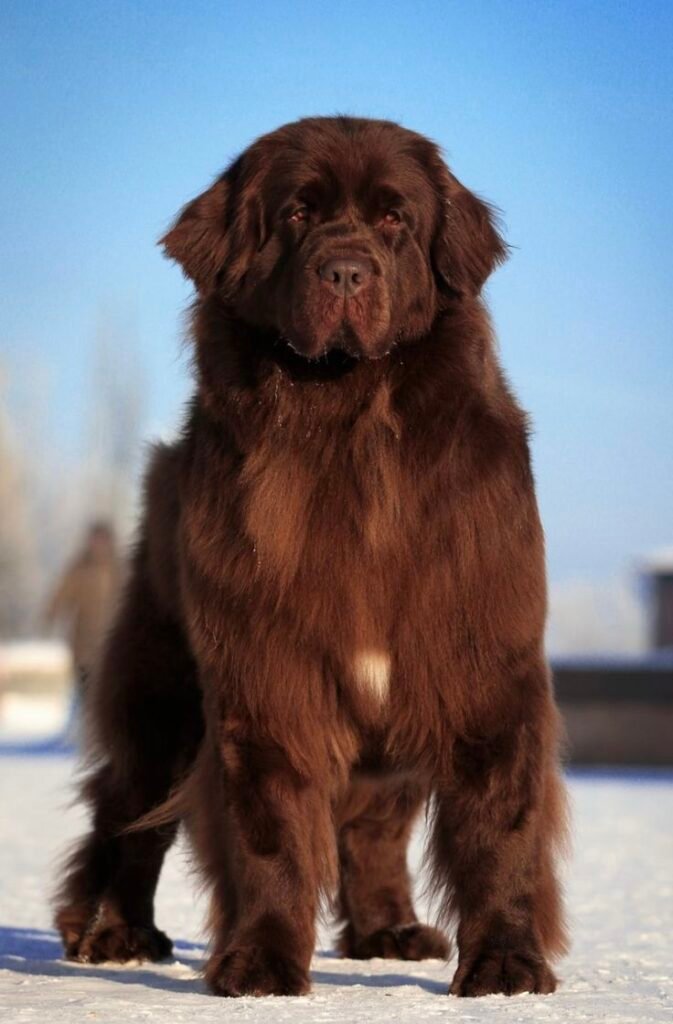
Scientific Name: Canis lupus familiaris
Class: Mammalia
Diet: Omnivore
The Newfoundland is a giant dog breed famous for its webbed feet, which make it a powerful swimmer. These natural paddles are perfect for its history as a water-rescue dog.
Moreover, the Newfoundland’s webbed feet, along with its water-resistant coat, let it swim strongly in cold, rough water. It has been used for centuries to rescue drowning people at sea.
Newfoundland dogs are kept worldwide as companion and working dogs, bred originally in Canada.
As a domesticated breed, the Newfoundland shows how webbed feet can be selected for swimming ability. Gentle and loyal, it makes a devoted family pet.
Fun Fact: The webbed feet of the Newfoundland dog make it such a strong swimmer that it is used for water rescues.
Newt
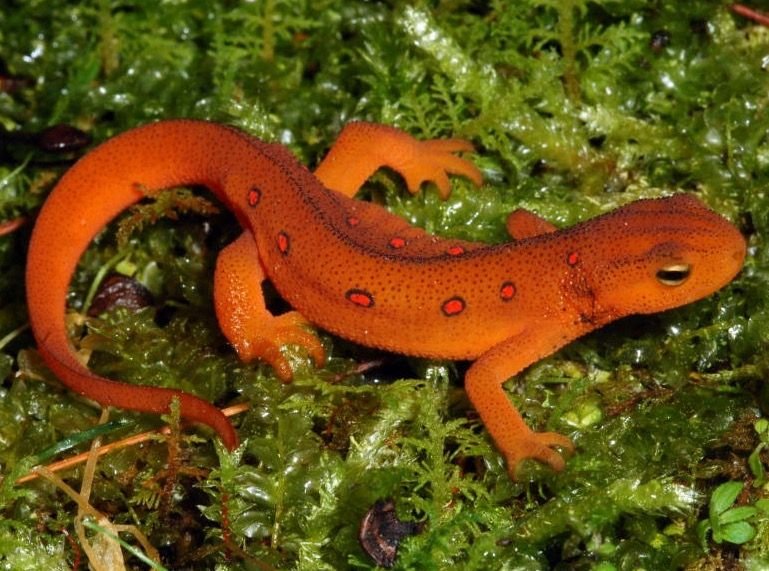
Scientific Name: Lissotriton vulgaris
Class: Amphibia
Diet: Carnivore
The newt develops webbing on its feet during its aquatic breeding season, helping it swim. This gives it extra paddling power in the water.
Interestingly, the newt is a semi-aquatic amphibian, and males grow more prominent webbing and crests when breeding. Combined with its flattened tail, the webbing makes it a graceful swimmer.
Newts inhabit ponds, wetlands, and damp woodlands across Europe and Asia, feeding on insects, worms, and other small invertebrates.
As both predator and prey, newts are important indicators of a healthy environment. Pollution and habitat loss threaten many amphibians.
Fun Fact: A male newt grows extra webbing and a wavy crest during breeding season to attract mates in the water.
Muskrat
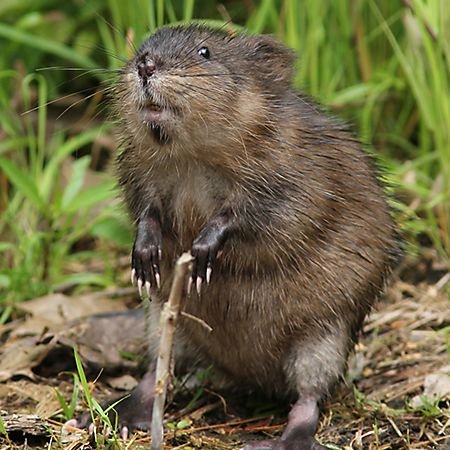
Scientific Name: Ondatra zibethicus
Class: Mammalia
Diet: Herbivore
The muskrat has partially webbed hind feet that make it a strong swimmer in ponds and marshes. These paddles help power its semi-aquatic lifestyle.
Moreover, the muskrat uses its webbed hind feet to swim and its flattened tail as a rudder. This lets it forage underwater and build its dome-shaped homes in the water.
Muskrats inhabit the wetlands, ponds, and rivers of North America and parts of Eurasia, feeding on aquatic plants and small animals.
As wetland dwellers, muskrats help shape their marshy habitats. Widespread and adaptable, they are of Least Concern.
Fun Fact: A muskrat can swim backward as well as forward and stay underwater for up to 15 minutes.
Seagull

Scientific Name: Larus argentatus
Class: Aves
Diet: Omnivore
The seagull has webbed feet that make it equally at home swimming on the sea and walking on land. These versatile paddles suit its coastal lifestyle.
Interestingly, the seagull uses its webbed feet to float and paddle on the water while resting or feeding. On land, the webbing even helps it stamp on the ground to imitate rain and lure up worms.
Seagulls inhabit coastlines, harbors, and increasingly inland cities across much of the world, feeding on a huge range of foods.
As opportunistic scavengers, seagulls help clean up waste and carrion. Highly adaptable, most species are widespread and of Least Concern.
Fun Fact: Some seagulls drum their webbed feet on the ground to trick earthworms into surfacing.
Cormorant
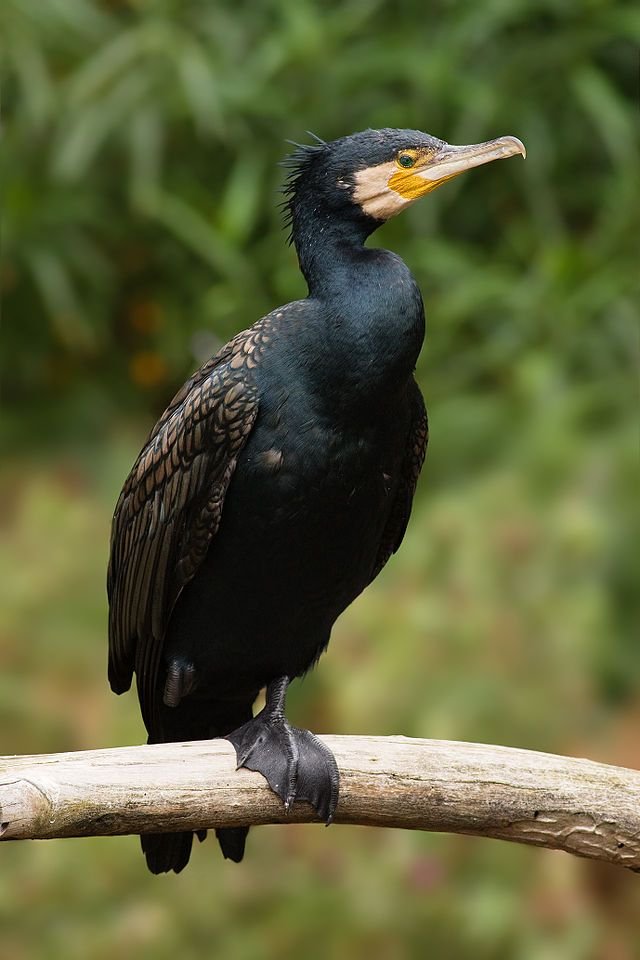
Scientific Name: Phalacrocorax carbo
Class: Aves
Diet: Carnivore
The cormorant has fully webbed feet, with all four toes connected, making it an outstanding underwater hunter. These large paddles propel it after fish.
Moreover, the cormorant uses its powerful webbed feet to chase fish through the water with speed and agility. Unlike many water birds, its feathers are not fully waterproof, which helps it dive deeper.
Cormorants inhabit coasts, rivers, and lakes across much of the world, feeding mainly on fish.
As fish-eating birds, cormorants help balance aquatic ecosystems. Widespread and adaptable, they are of Least Concern.
Fun Fact: After diving, a cormorant spreads its wings out to dry because its feathers are not fully waterproof.
Frequently Asked Questions
Conclusion
From paddling ducks to diving platypuses, the world’s animals with webbed feet are perfectly built for life in and around water. Each species whether a fish-chasing cormorant, a mud-stirring flamingo, or a rescue-swimming Newfoundland dog relies on its natural paddles to move swiftly through the water. Remarkably, this same clever design has evolved again and again across birds, mammals, reptiles, and amphibians, a stunning example of convergent evolution.
One Comment