
Top 16 Stubborn Animals in The World (With Images)
Did you know that the animal famous for being “stubborn” is actually one of the smartest and most cautious creatures around? In the animal kingdom, stubbornness is rarely simple defiance it is often a clever mix of intelligence, independence, and a powerful instinct for self-preservation. From mules that freeze on shaky bridges to camels that lie down to conserve energy, these strong-willed animals refuse to be pushed around.
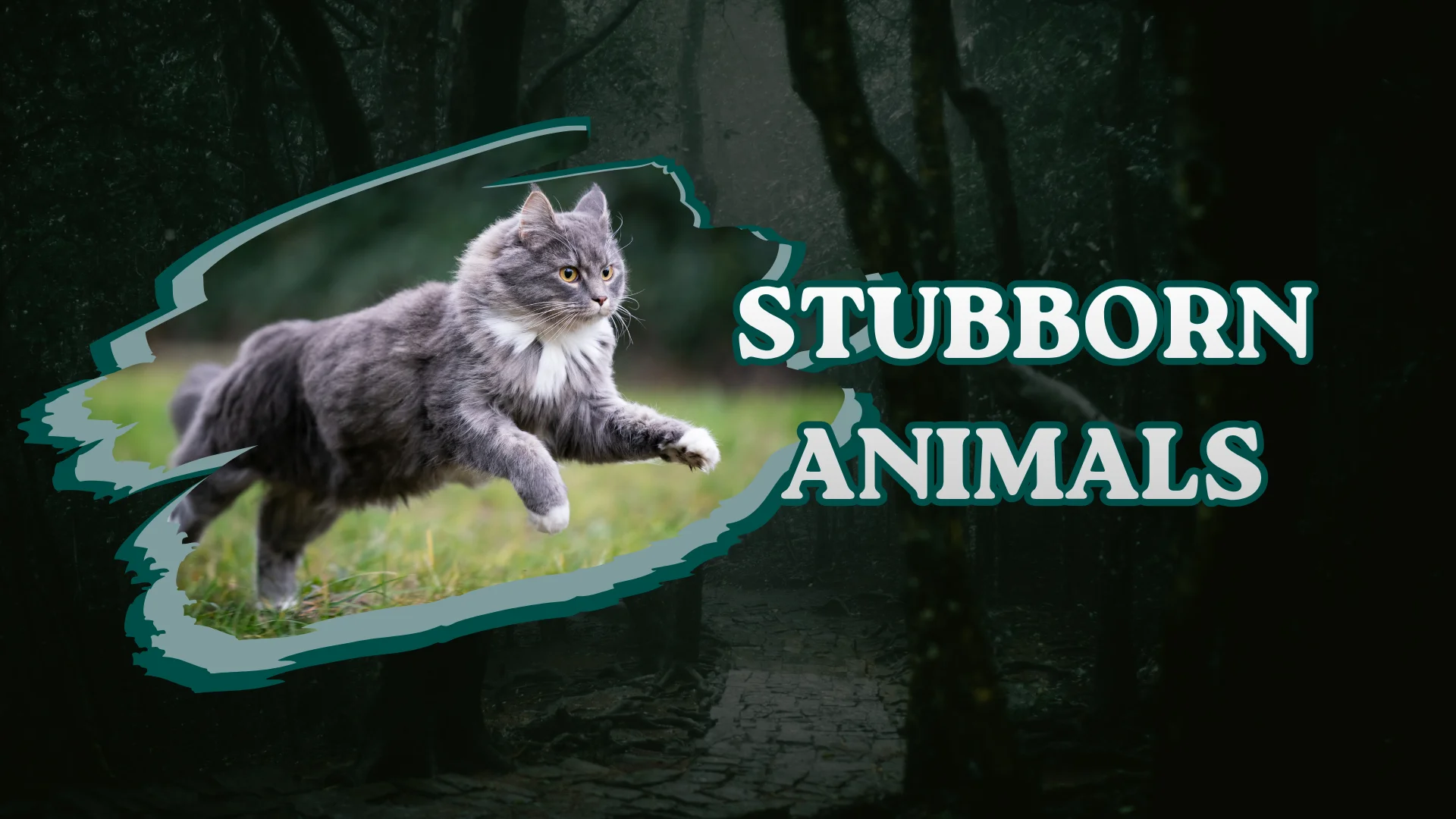
Their headstrong behavior has fascinated and frustrated humans for centuries. In this guide, we’ll explore the top 16 stubborn animals in the world, uncovering the real reasons behind their willful natures and why they deserve our understanding and respect.
List of Stubborn Animals in The World
| Rank | Animal | Scientific Name |
|---|---|---|
| 1 | Mule | Equus mulus |
| 2 | Donkey | Equus asinus |
| 3 | Goat | Capra aegagrus hircus |
| 4 | Honey Badger | Mellivora capensis |
| 5 | Cat | Felis catus |
| 6 | Pig | Sus scrofa domesticus |
| 7 | Camel | Camelus dromedarius |
| 8 | Rhinoceros | Ceratotherium simum |
| 9 | Elephant | Loxodonta africana |
| 10 | Cow | Bos taurus |
| 11 | Wolverine | Gulo gulo |
| 12 | Sheep | Ovis aries |
| 13 | Bulldog | Canis lupus familiaris |
| 14 | Horse | Equus caballus |
| 15 | Llama | Lama glama |
| 16 | Cape Buffalo | Syncerus caffer |
Mule
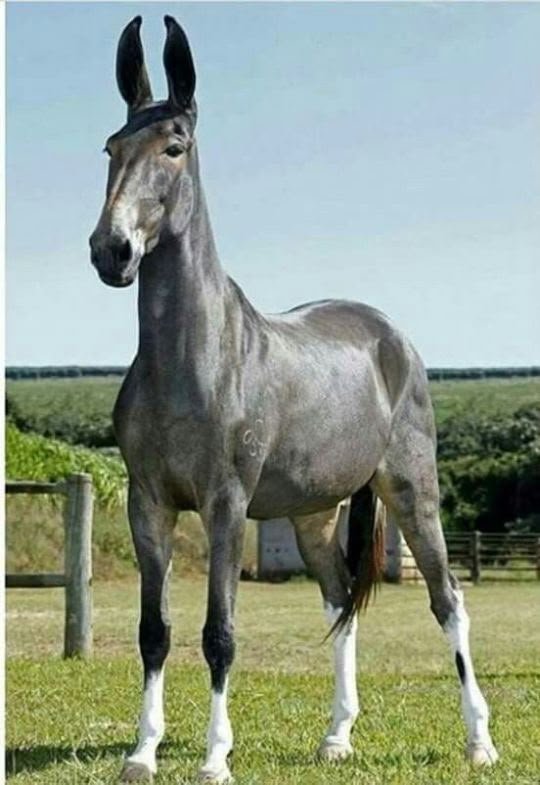
Scientific Name: Equus mulus
Class: Mammalia
Diet: Herbivore
The mule is the world’s most famously stubborn animal, a hybrid born from a horse and a donkey. When it feels unsafe, it will plant its feet and refuse to budge, no matter how hard it is urged.
Interestingly, this “stubbornness” is really intelligence and caution. A mule has a strong sense of self-preservation and will pause to assess danger rather than blindly obey, protecting itself from harm.
Mules are used worldwide as pack animals, especially in mountainous regions where their sure-footedness and stamina are invaluable.
As hardy working animals, mules have supported human travel and trade for centuries. Their careful nature makes them safer, not less capable, in difficult terrain.
Fun Fact: A mule’s refusal to move is often a sign of good judgment — it simply won’t take a risk it senses is dangerous.
Donkey
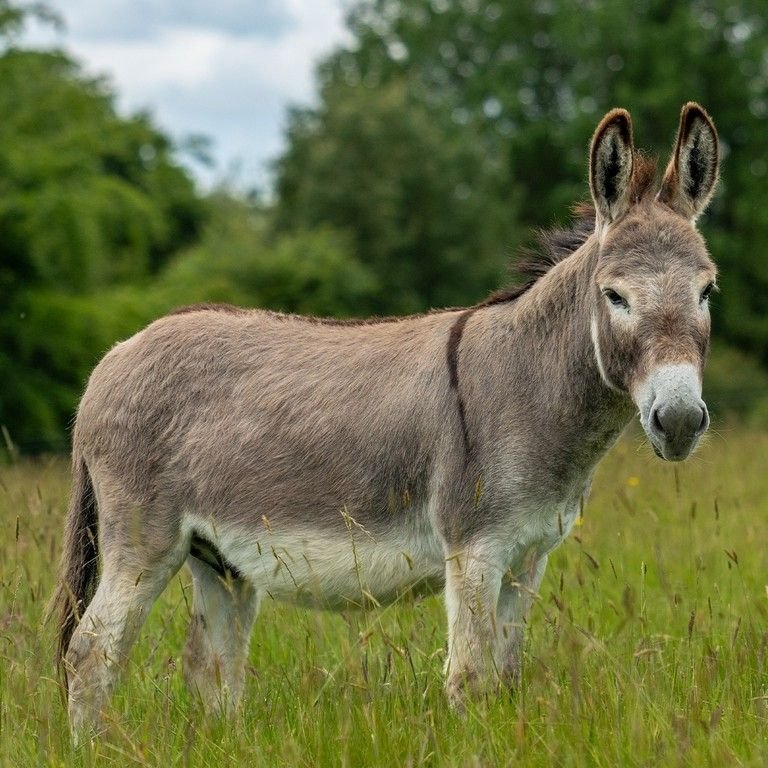
Scientific Name: Equus asinus
Class: Mammalia
Diet: Herbivore
The donkey is another legendary symbol of stubbornness, known to freeze completely and refuse to move when it senses danger. Unlike a horse, it rarely panics and flees.
Moreover, this behavior reflects the donkey’s cautious, thoughtful nature. Rather than bolting from a threat, it stands its ground and evaluates the situation, a survival strategy from its desert-dwelling ancestors.
Donkeys are found worldwide as working and companion animals, thriving in dry, rugged environments and grazing on tough vegetation.
As dependable working animals, donkeys have served humans for thousands of years. Their steady, careful temperament makes them excellent guardians for other livestock.
Fun Fact: Donkeys form strong bonds and are often used to guard sheep and goats from predators.
Goat
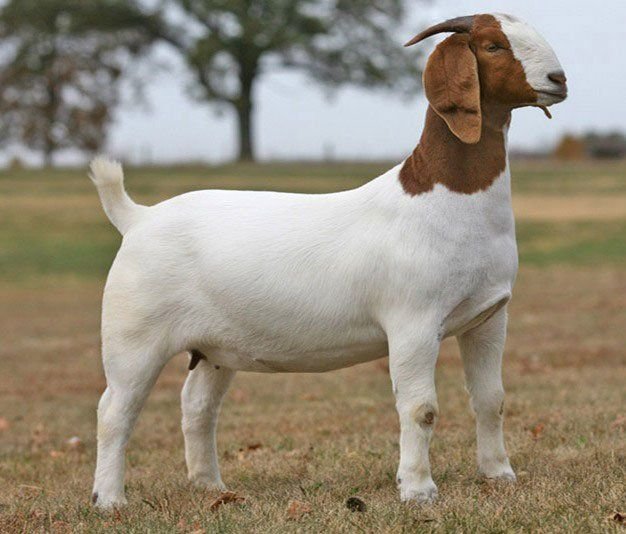
Scientific Name: Capra aegagrus hircus
Class: Mammalia
Diet: Herbivore
The goat is famously headstrong, endlessly testing fences and challenging boundaries. Curious and independent, it seems determined to go wherever it pleases.
Interestingly, this willful streak is rooted in survival. As natural browsers in rugged terrain, goats must wander widely and think independently to find scattered food, so they instinctively resist limits.
Goats are found worldwide, from farms to steep mountains, feeding on leaves, shrubs, and grasses.
As hardy grazers, goats have supported human life for thousands of years. Their inquisitive, boundary-testing nature is simply a reflection of their clever survival instincts.
Fun Fact: Goats are expert escape artists, famous for finding gaps in almost any fence or enclosure.
Honey Badger
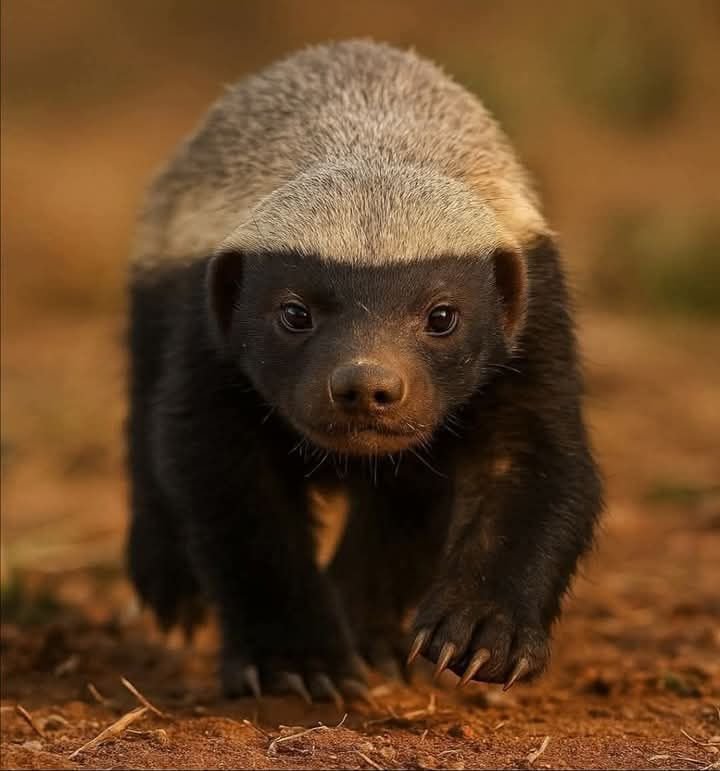
Scientific Name: Mellivora capensis
Class: Mammalia
Diet: Carnivore
The honey badger is often called the most stubborn animal of all, thanks to its fearless refusal to back down. It will stand its ground against animals far larger and more dangerous than itself.
Moreover, the honey badger’s stubbornness is relentless persistence. It will dig, climb, and fight tirelessly to reach food or escape, rarely giving up once it sets its mind to something.
Honey badgers inhabit the savannas, grasslands, and forests of Africa, the Middle East, and Asia, eating a huge variety of foods.
As bold, opportunistic hunters, honey badgers help control insects, snakes, and rodents. Widespread and adaptable, they are of Least Concern.
Fun Fact: The honey badger’s thick, loose skin lets it twist around to bite back even when gripped by a predator.
Cat
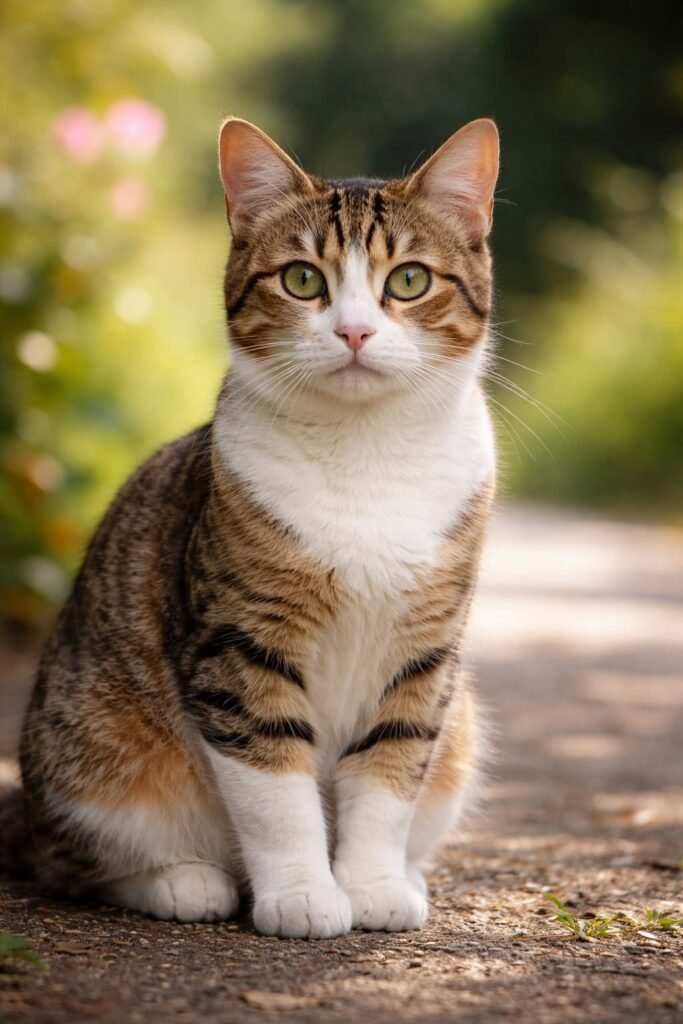
Scientific Name: Felis catus
Class: Mammalia
Diet: Carnivore
The cat is a master of stubborn independence, often ignoring commands entirely and doing exactly as it pleases. It interacts with humans strictly on its own terms.
Interestingly, this aloofness comes from the cat’s solitary, self-reliant ancestry. Unlike pack animals, cats evolved to hunt and survive alone, so they feel little instinct to obey.
Domestic cats live worldwide as beloved companions, descended from wild hunters and retaining their independent streak.
As skilled hunters, cats have long helped humans control rodents. Their stubborn independence is simply the legacy of their self-sufficient wild ancestors.
Fun Fact: A cat may ignore your call for hours, then suddenly become affectionate the moment it decides the time is right.
Pig
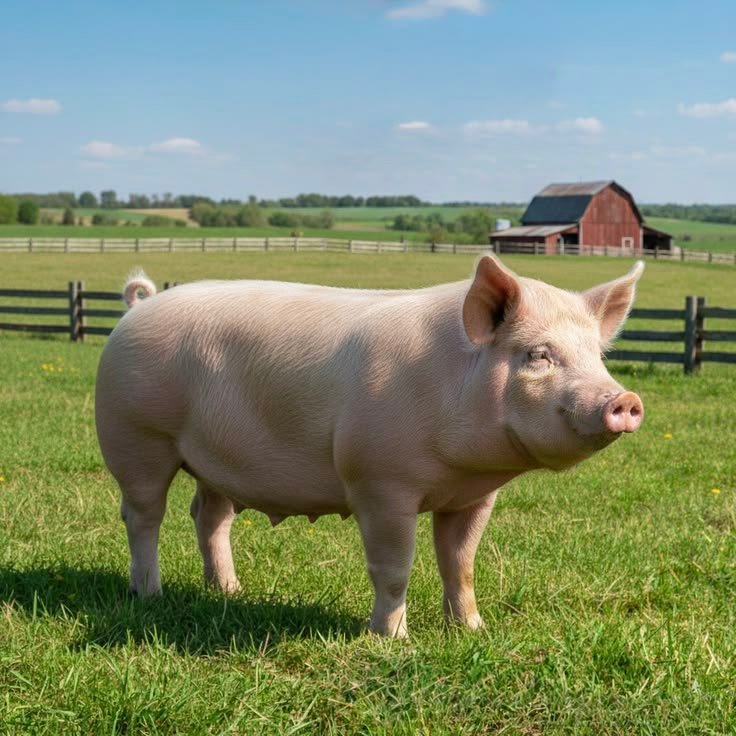
Scientific Name: Sus scrofa domesticus
Class: Mammalia
Diet: Omnivore
The pig can be remarkably stubborn, largely because it is so intelligent and curious. With its own strong ideas about what it wants, it often resists being told otherwise.
Moreover, the pig’s willfulness is a sign of its cleverness. Highly smart and food-motivated, it will hold out for what it wants and cannot easily be forced against its will.
Domestic pigs are raised worldwide, descended from wild boar, and thrive on grains, vegetables, and scraps.
As intelligent omnivores, pigs have lived alongside humans for millennia. Their stubborn streak reflects a mind that likes to make its own decisions.
Fun Fact: Pigs are considered smarter than dogs and can quickly learn tricks, puzzles, and even their own names.
Camel
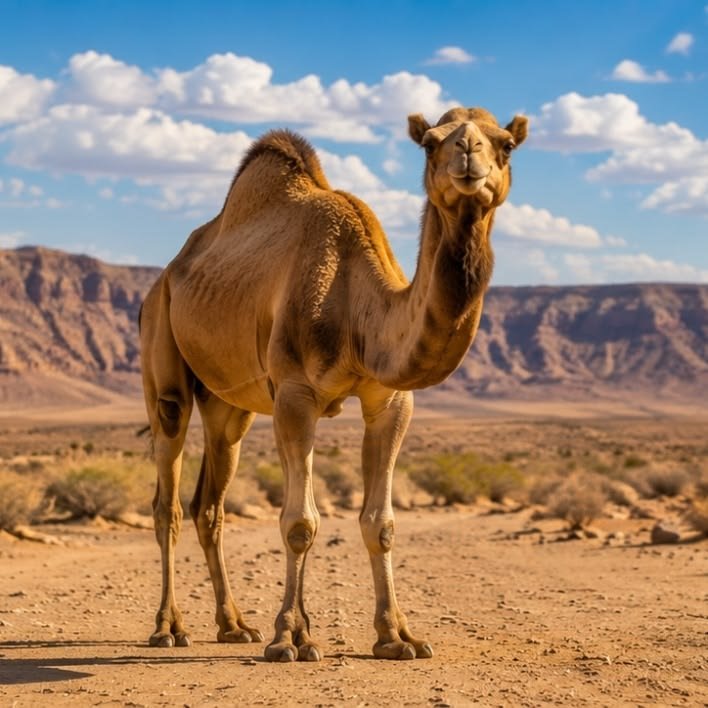
Scientific Name: Camelus dromedarius
Class: Mammalia
Diet: Herbivore
The camel has a strong reputation for obstinacy, often lying down and refusing to move. To a frustrated handler, it can seem like the definition of stubbornness.
Interestingly, this behavior is usually smart survival, not defiance. When a camel lies down and refuses to budge, it is often conserving energy or coping with extreme heat and exhaustion in the harsh desert.
Camels inhabit the deserts of Africa, the Middle East, and Asia, feeding on dry grasses, shrubs, and thorny plants.
As legendary desert travelers, camels have carried people and goods for thousands of years. Their willful pauses are a wise response to a brutal environment.
Fun Fact: A camel can go for over a week without water, thanks to remarkable adaptations for desert survival.
Rhinoceros
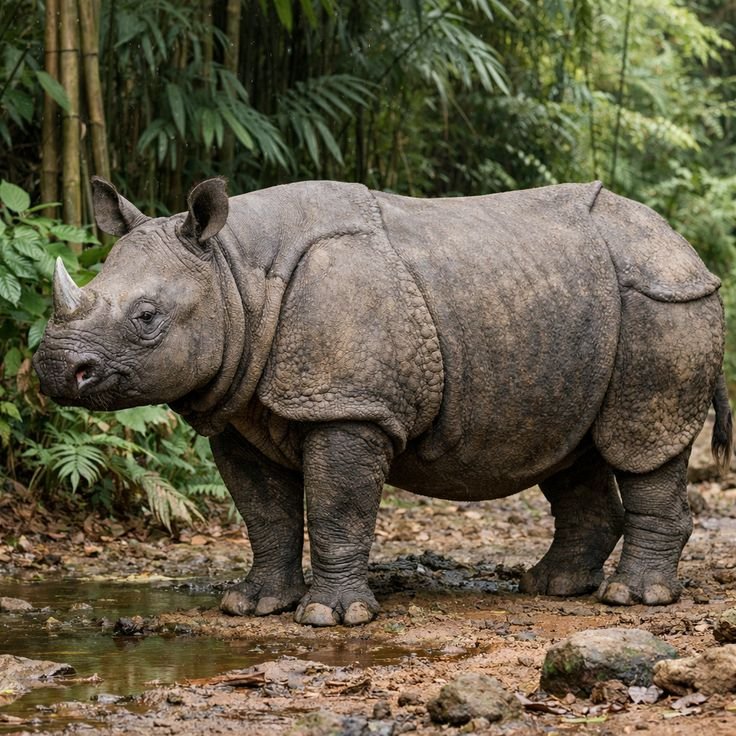
Scientific Name: Ceratotherium simum
Class: Mammalia
Diet: Herbivore
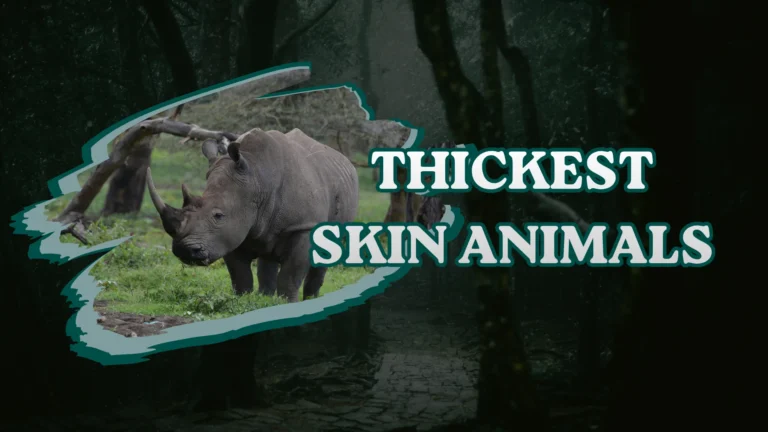
The rhinoceros is a powerful, headstrong animal that does exactly what it wants and is nearly impossible to redirect. Its massive size and determination make it truly unstoppable.
Moreover, the rhino’s stubbornness shows in its bold, unyielding behavior. When it decides to charge or hold its ground, little can stand in its way, and it rarely retreats from a challenge.
Rhinoceroses inhabit the grasslands and savannas of Africa and parts of Asia, grazing on grasses and browsing on shrubs.
As large grazers, rhinos shape their landscapes and support entire ecosystems. Poaching for their horns has left several rhino species threatened.
Fun Fact: Despite weighing over two tons, a rhino can charge at speeds of more than 30 miles per hour.
Elephant
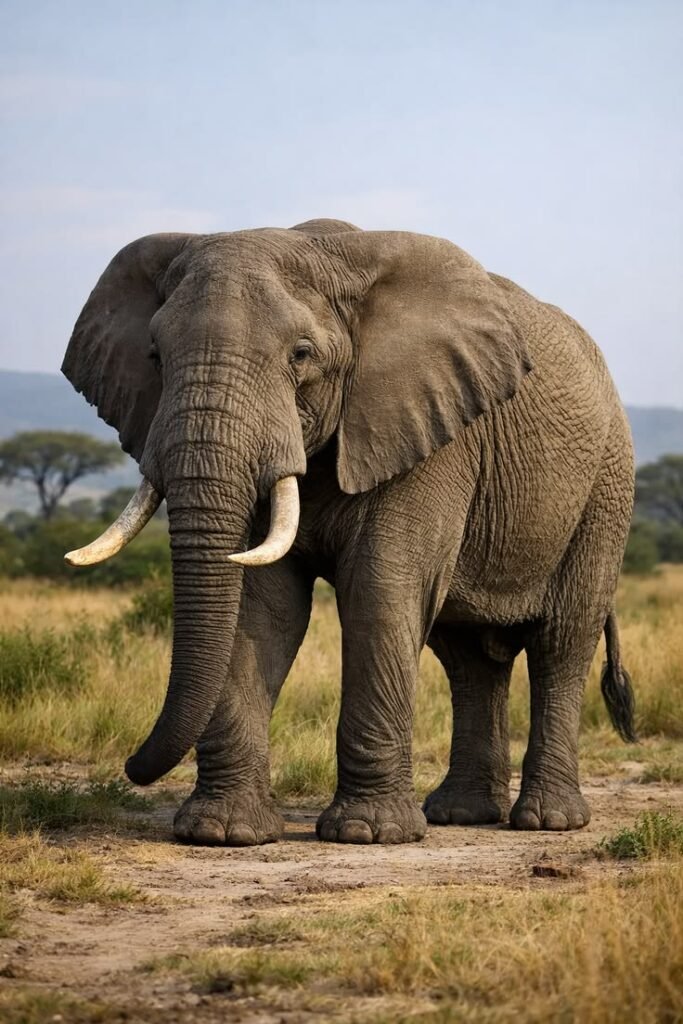
Scientific Name: Loxodonta africana
Class: Mammalia
Diet: Herbivore
The elephant is highly intelligent and can be remarkably stubborn, especially when it has made up its mind. Once determined, this giant is almost impossible to force into anything.
Interestingly, an elephant’s willfulness comes from its intelligence and strong memory. It weighs situations carefully and will firmly resist actions it distrusts or dislikes, relying on experience.
Elephants inhabit the savannas, forests, and grasslands of Africa, feeding on grasses, leaves, bark, and fruit.
As keystone species, elephants shape entire landscapes by dispersing seeds and clearing paths. Habitat loss and poaching have made African elephants Endangered.
Fun Fact: Elephants have exceptional memories and can remember people, places, and events for decades.
Cow
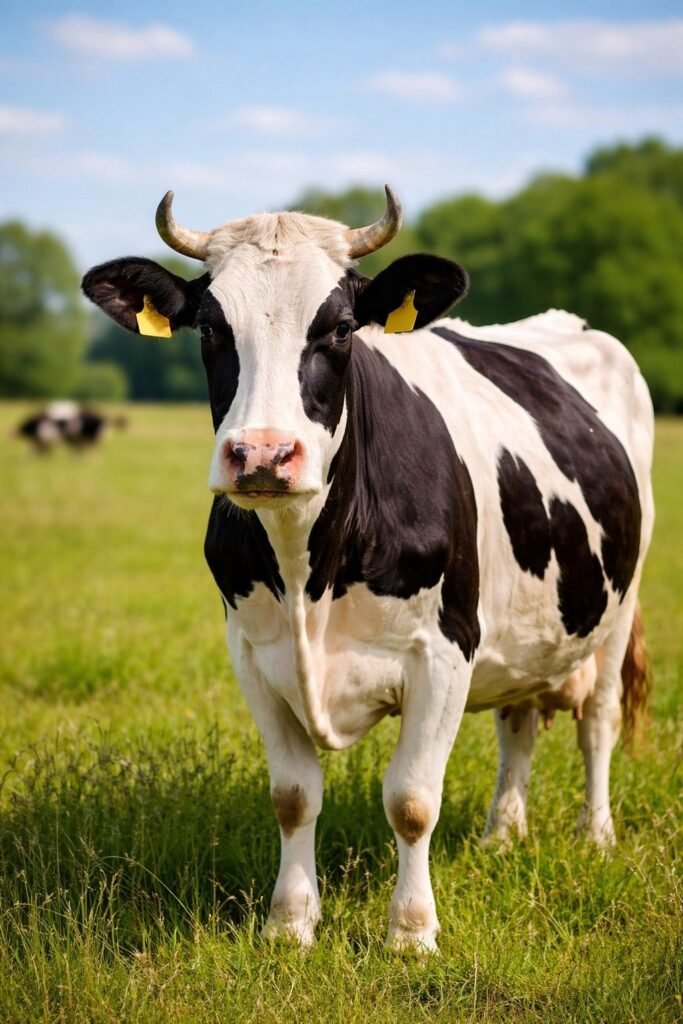
Scientific Name: Bos taurus
Class: Mammalia
Diet: Herbivore
The cow may seem gentle and easygoing, but it can be surprisingly stubborn when it wants to be. Once a cow decides to stand still or head a certain way, moving it can be a real challenge.
Moreover, cattle are creatures of habit with strong preferences. They resist being pushed out of routine and will dig in their heels, especially when separated from the herd or led somewhere unfamiliar.
Cows are raised worldwide as livestock, grazing on grasses and other vegetation across farms and pastures.
As domesticated grazers, cows have supported human societies for thousands of years. Their stubbornness reflects their strong herd instincts and love of routine.
Fun Fact: Cows form close friendships and can become stressed when separated from their preferred companions.
Wolverine
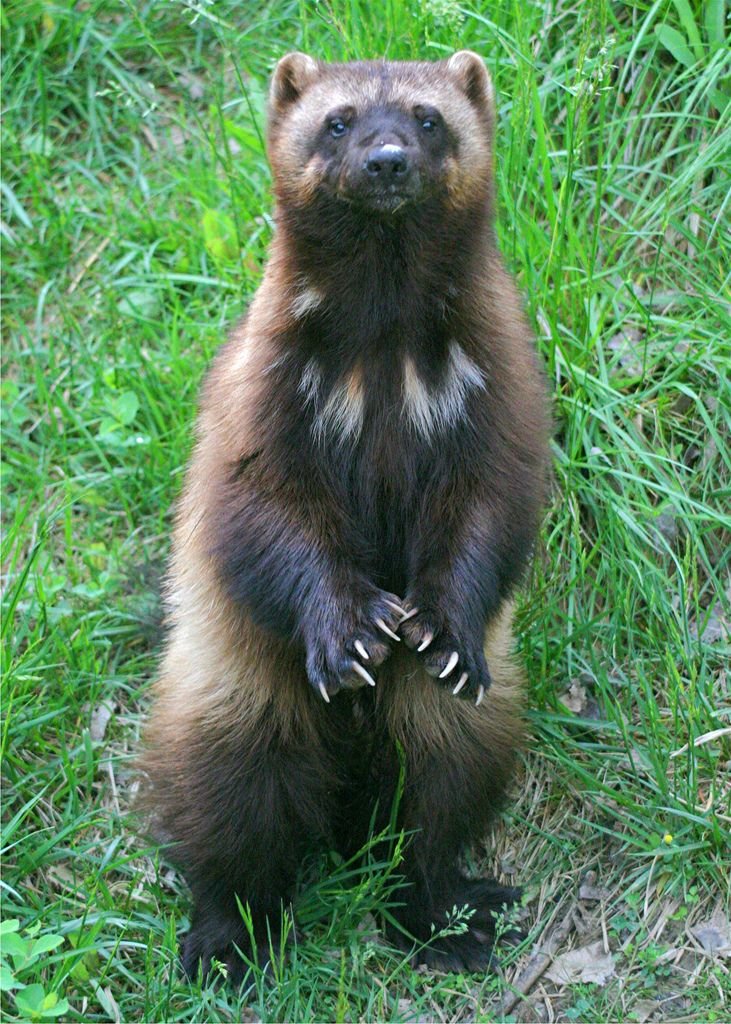
Scientific Name: Gulo gulo
Class: Mammalia
Diet: Carnivore
The wolverine is a fierce, stubborn predator that refuses to back down, even from animals far larger than itself. Its relentless determination is legendary in the northern wilderness.
Interestingly, the wolverine’s stubbornness is pure tenacity. It will fight tirelessly to defend a meal or take down prey, driven by an unyielding, never-surrender attitude.
Wolverines inhabit the remote forests and tundra of the Northern Hemisphere, roaming vast territories in search of food.
As scavengers and predators, wolverines help clean up carcasses and control prey. Habitat loss and climate change threaten their cold, wild homes.
Fun Fact: A wolverine can drive much larger predators, even bears, away from a hard-won meal.
Sheep
Scientific Name: Ovis aries
Class: Mammalia
Diet: Herbivore
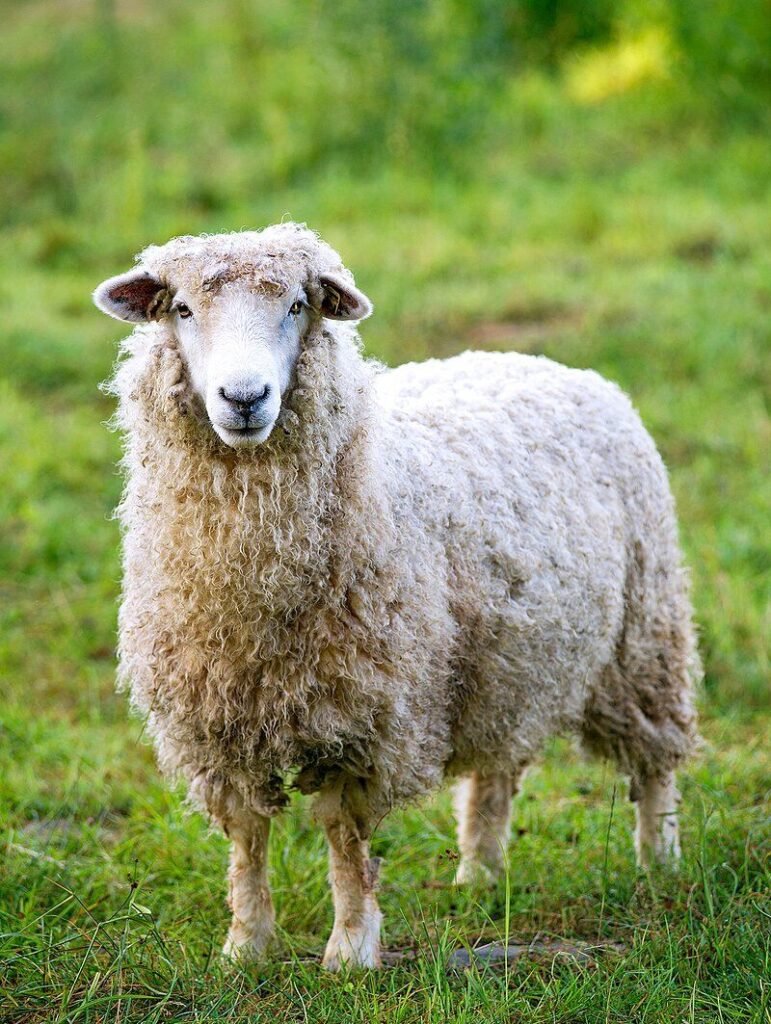
The sheep is often seen as a follower, yet it can be quietly stubborn, especially when frightened or separated from the flock. A determined sheep can be very hard to move alone.
Moreover, a sheep’s stubbornness comes from its powerful flocking instinct. It feels safest in a group and will resist being singled out, refusing to go anywhere without its companions.
Sheep are raised worldwide as livestock, grazing on grasses and other low vegetation across pastures and hillsides.
As domesticated grazers, sheep have provided wool and food for thousands of years. Their stubborn refusal to leave the flock is a vital survival instinct.
Fun Fact: Sheep have excellent memories and can recognize the faces of dozens of other sheep and humans.
Bulldog

Scientific Name: Canis lupus familiaris
Class: Mammalia
Diet: Omnivore
The bulldog is a famously stubborn dog breed, known for its independent streak and determined attitude. It will often resist commands if it sees no good reason to obey.
Interestingly, the bulldog’s stubbornness reflects its strong will rather than a lack of intelligence. Calm and self-assured, it prefers to do things at its own pace and on its own terms.
Bulldogs are kept worldwide as companion dogs, bred originally from hardy, tenacious working ancestors.
As loyal companions, bulldogs are affectionate despite their stubborn side. Patient, reward-based training works far better than force with this headstrong breed.
Fun Fact: Bulldogs are known for planting themselves firmly in place and refusing to walk when they simply don’t feel like it.
Horse
Scientific Name: Equus caballus
Class: Mammalia
Diet: Herbivore
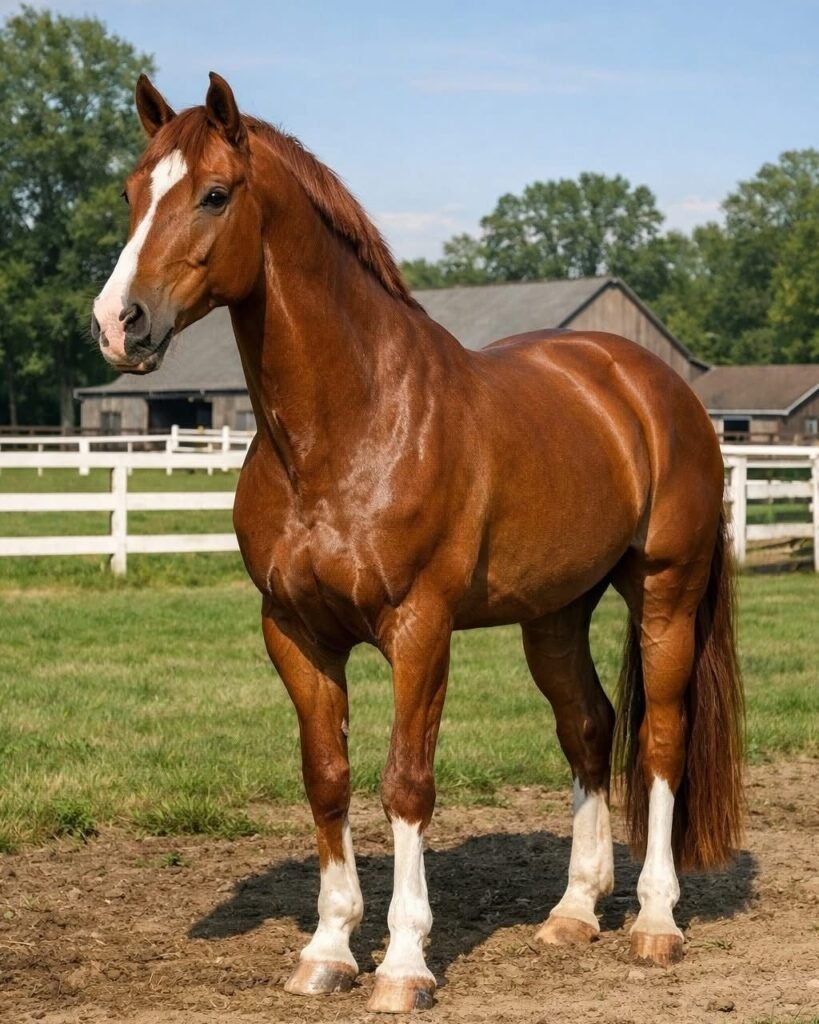
The horse can be surprisingly stubborn, especially when it feels afraid, unsure, or distrustful. A spooked or unwilling horse may refuse to move or balk at obstacles.
Moreover, a horse’s stubbornness is often rooted in fear or discomfort. As prey animals, horses are naturally cautious, and refusing to proceed is their way of avoiding perceived danger.
Horses are kept worldwide for work, sport, and companionship, grazing on grasses and hay across pastures and stables.
As partners to humans for thousands of years, horses respond best to trust and patience. Their occasional stubbornness is usually a sign that something feels wrong to them.
Fun Fact: Horses can read human emotions and body language, adjusting their behavior to the person handling them.
Llama
Scientific Name: Lama glama
Class: Mammalia
Diet: Herbivore
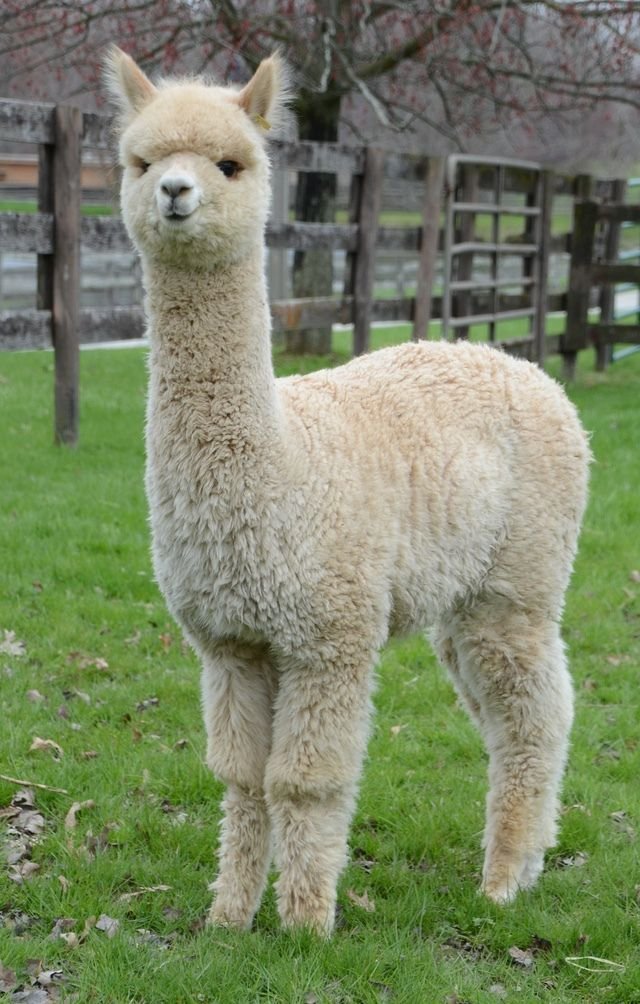
The llama is known for its calm demeanor but also for a stubborn streak, particularly when overloaded or pushed too hard. It will simply sit down and refuse to move.
Interestingly, this behavior is a smart form of self-preservation. If a llama feels it is carrying too much or being treated unfairly, it stops and holds its ground until the situation changes.
Llamas inhabit the high mountains of South America and are kept worldwide as pack animals and companions, grazing on grasses and shrubs.
As sure-footed working animals, llamas have carried loads across the Andes for centuries. Their stubbornness helps prevent them from being overworked or injured.
Fun Fact: An overloaded llama may lie down, spit, or refuse to move until its burden is lightened.
Cape Buffalo
Scientific Name: Syncerus caffer
Class: Mammalia
Diet: Herbivore
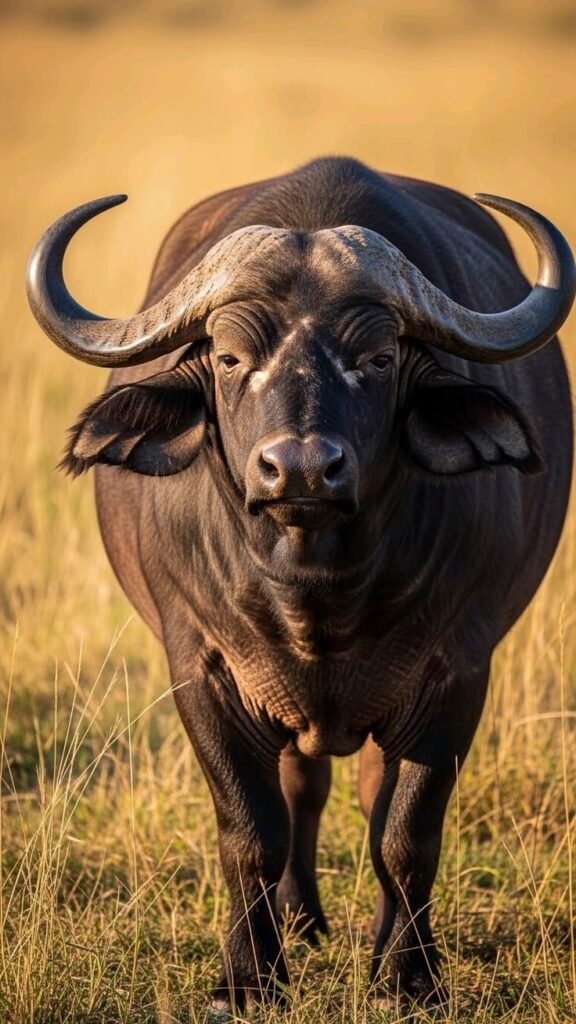
The Cape buffalo is one of the most stubborn and unpredictable animals in Africa, refusing to be intimidated by predators or humans. Once provoked, it is famously unyielding.
Moreover, the buffalo’s stubbornness makes it extremely dangerous. It is known to hold grudges, stand its ground against lions, and even turn the tables on those who threaten it or its herd.
Cape buffalo inhabit the savannas, grasslands, and wetlands of sub-Saharan Africa, grazing on grasses in large herds.
As powerful grazers, buffalo shape their landscapes and support predators. Currently Near Threatened, they depend on healthy, protected habitats.
Fun Fact: The Cape buffalo is nicknamed the “widowmaker” for its fierce, determined defense against threats.
Read: Mischievous Animals in The World
Read: Most Docile Animals in the World
Read: Clumsy Animals in The World
Read: Animals That Eat Oranges
Read: Animals That Look Like Rats
Frequently Asked Questions
Conclusion
From cautious mules to fearless honey badgers, the world’s stubborn animals reveal that willfulness is often a sign of intelligence, independence, and survival instinct rather than mere defiance. Each species whether a boundary-testing goat, an energy-conserving camel, or a grudge-holding buffalo has a clever reason behind its headstrong behavior. Understanding these reasons helps us appreciate just how smart and self-aware many animals truly are.
One Comment