
Top 12 Most Colorful Animals in the World (With Images)
What if nature painted some of its creatures in every color of the rainbow? Across reefs, rainforests, and skies, a dazzling array of animals shows off colors so vivid they seem almost unreal. The most colorful animals in the world use their brilliant hues to attract mates, warn off predators, and blend into vibrant surroundings. Far from mere decoration, these colors are powerful tools shaped by evolution.
From a fish that glows with electric blue to a bird cloaked in every shade imaginable, these animals turn the natural world into a living canvas. Let’s explore the most colorful animals on Earth and the fascinating reasons behind their beauty.
Quick List Table
| Rank | Animal Name | Scientific Name |
|---|---|---|
| 1 | Mandarinfish | Synchiropus splendidus |
| 2 | Indian Peafowl | Pavo cristatus |
| 3 | Scarlet Macaw | Ara macao |
| 4 | Panther Chameleon | Furcifer pardalis |
| 5 | Mandarin Duck | Aix galericulata |
| 6 | Blue Poison Dart Frog | Dendrobates tinctorius |
| 7 | Rainbow Lorikeet | Trichoglossus moluccanus |
| 8 | Peacock Mantis Shrimp | Odontodactylus scyllarus |
| 9 | Nudibranch | Order Nudibranchia |
| 10 | Gouldian Finch | Chloebia gouldiae |
| 11 | Painted Bunting | Passerina ciris |
| 12 | Lilac-Breasted Roller | Coracias caudatus |
Mandarinfish
Scientific Name: Synchiropus splendidus
Class: Actinopterygii
Diet: Carnivore (tiny crustaceans)
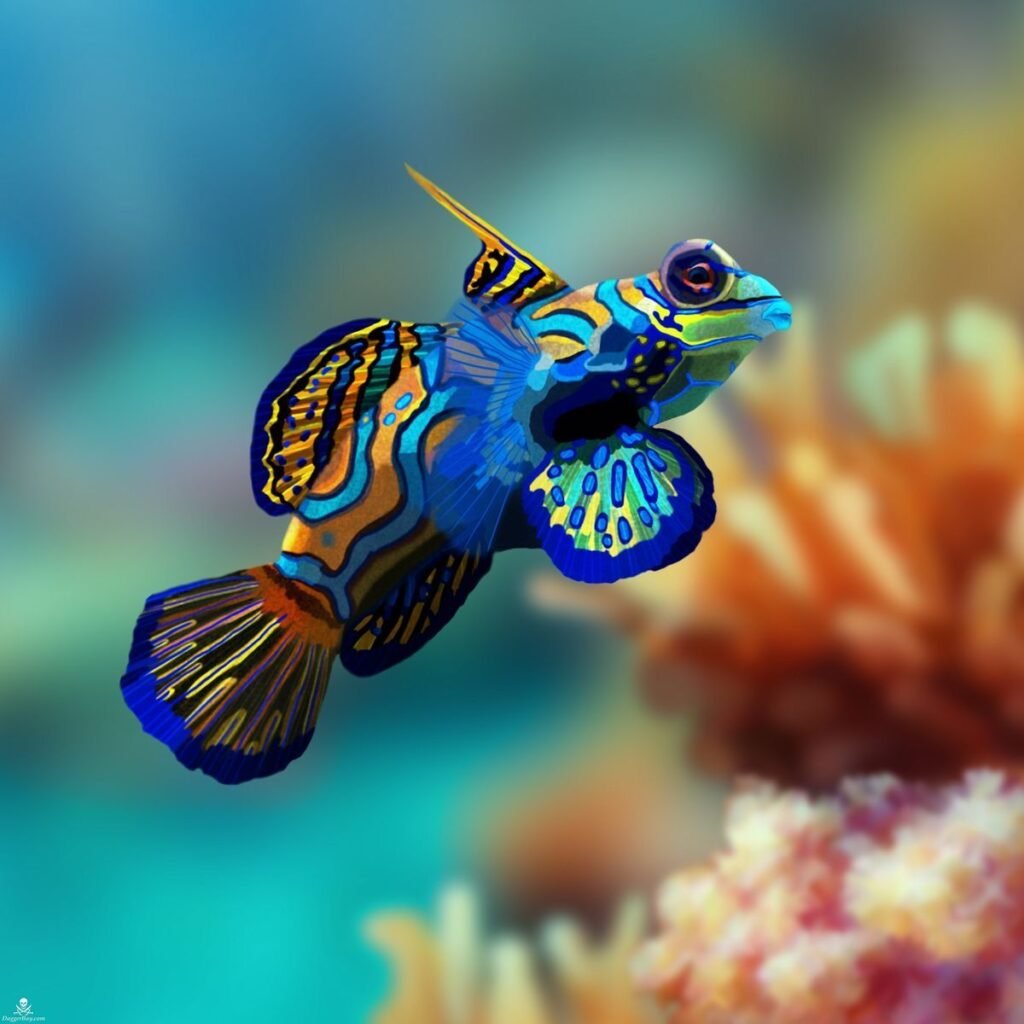
The mandarinfish is one of the most vividly colored fish in the ocean. Its body swirls with electric blue, orange, and green patterns. Few animals match its psychedelic beauty.
Interestingly, the mandarinfish is one of the very few animals whose blue color comes from actual blue pigment, not light tricks. Its bright patterns help it recognize mates and warn of a foul-tasting, mucus-covered body. This keeps many predators away.
Mandarinfish live among the coral reefs of the western Pacific Ocean. As carnivores, they feed on tiny crustaceans and other small prey.
Moreover, mandarinfish are part of healthy reef ecosystems. Reef degradation and collection for aquariums can affect them.
Fun Fact: The mandarinfish is one of the only animals with true blue pigment in its skin.
Indian Peafowl
Scientific Name: Pavo cristatus
Class: Aves
Diet: Omnivore
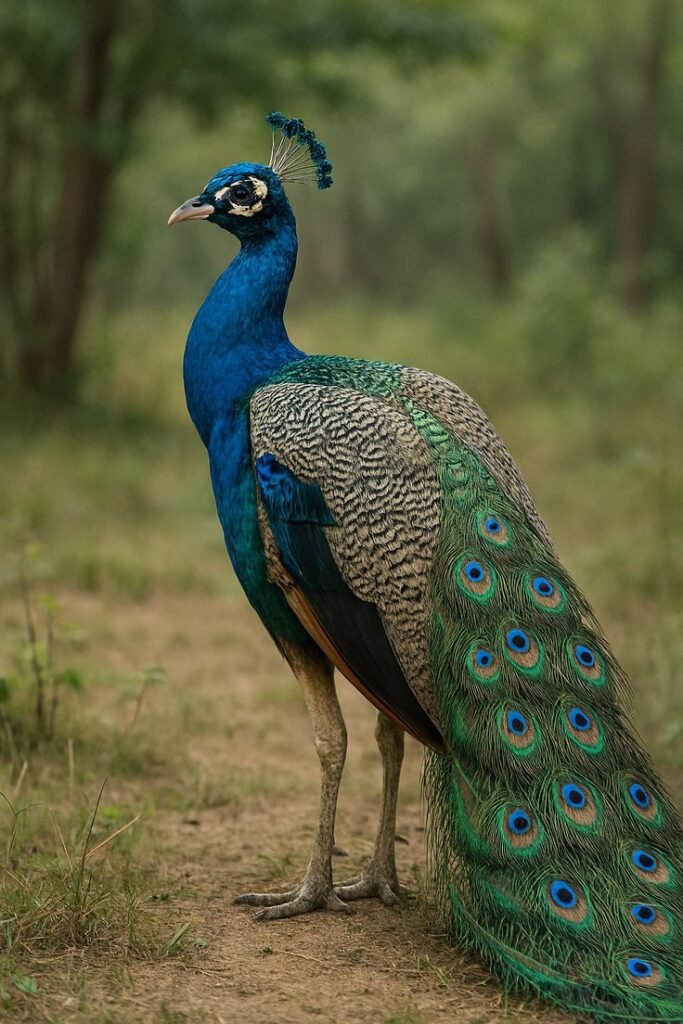
The Indian peafowl, or peacock, is famous for its shimmering, iridescent tail. The male fans out a train of blue, green, and gold “eyes.” It is one of the most spectacular displays in nature.
What sets the peacock apart is how its colors are made. Tiny structures in its feathers scatter light to create shimmering, shifting hues rather than simple pigment. The male displays this train to attract females.
Indian peafowl live in the forests and farmlands of South Asia. As omnivores, they eat seeds, insects, fruit, and small animals.
Moreover, peafowl help control insects and disperse seeds. They remain common and admired for their dazzling beauty.
Fun Fact: A peacock’s shimmering colors come from tiny structures that scatter light, not pigment.
Scarlet Macaw
Scientific Name: Ara macao
Class: Aves
Diet: Herbivore (seeds, fruit)
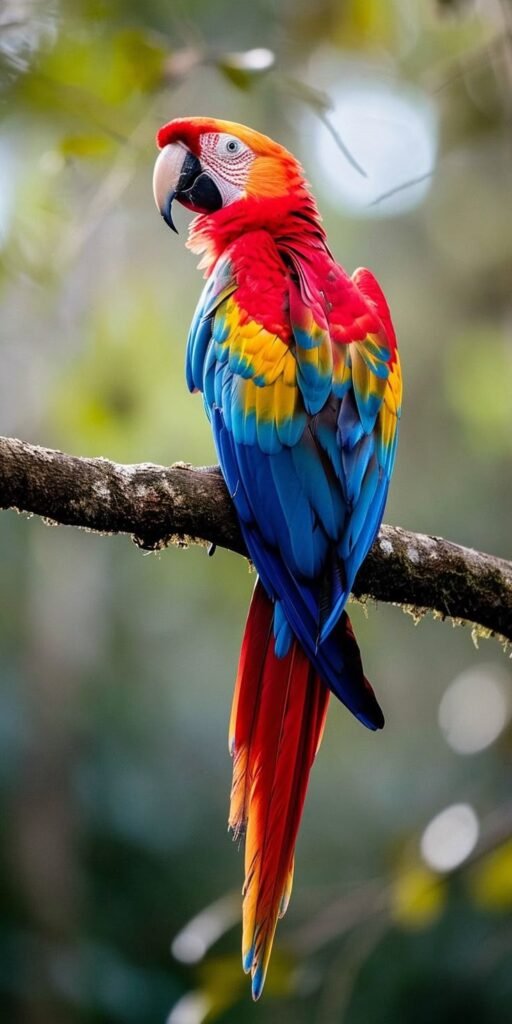
The scarlet macaw is a large parrot ablaze with red, yellow, and blue feathers. Its brilliant plumage makes it one of the most colorful birds alive. It is a living rainbow of the rainforest.
Interestingly, the macaw’s bright colors help it recognize others of its kind and attract mates. In the dappled forest, its vivid feathers can even help it blend among colorful fruit and flowers. It forms strong, lifelong pair bonds.
Scarlet macaws live in the rainforests of Central and South America. As herbivores, they eat seeds, fruit, and nuts.
Moreover, macaws disperse seeds and support their forest ecosystems. Habitat loss and the pet trade threaten some populations.
Fun Fact: Scarlet macaws often mate for life and can live for more than 50 years.
Panther Chameleon
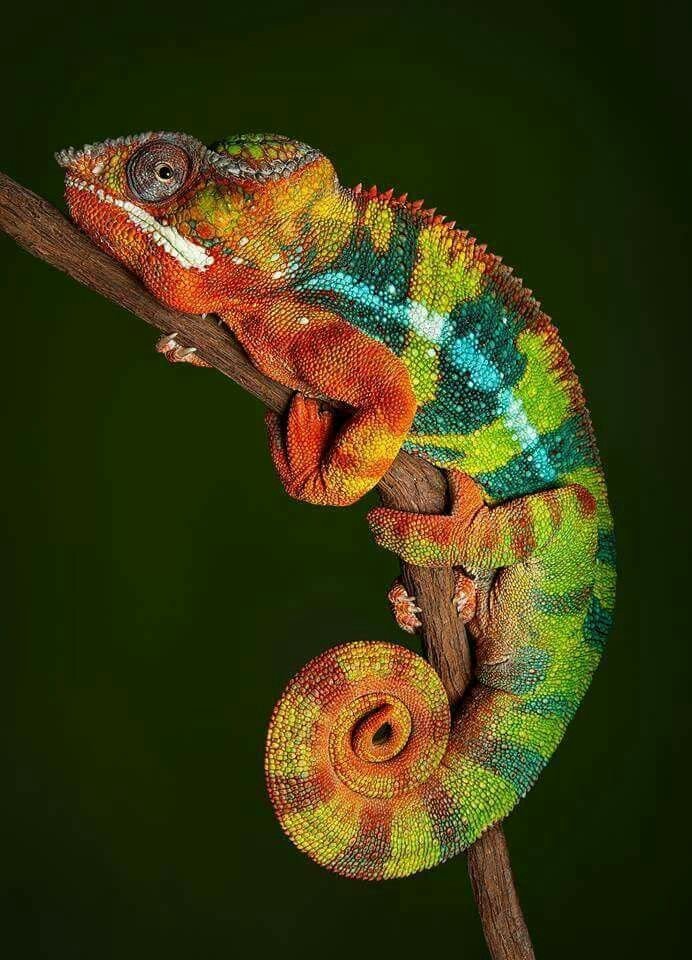
Scientific Name: Furcifer pardalis
Class: Reptilia
Diet: Carnivore (insects)
The panther chameleon is a living kaleidoscope, shifting through brilliant reds, blues, greens, and yellows. Its colors can change in moments. It is one of the most colorful reptiles on Earth.
What sets the chameleon apart is how it changes color. Special cells with tiny crystals rearrange to reflect different colors, driven by mood, temperature, and communication. Bright displays signal courtship or rivalry.
Panther chameleons live in the tropical forests of Madagascar. As insectivores, they ambush insects with a lightning-fast tongue.
Moreover, chameleons help control insect populations. Deforestation and the pet trade pressure many chameleon species.
Fun Fact: A chameleon changes color mainly to communicate and control its temperature.
Mandarin Duck
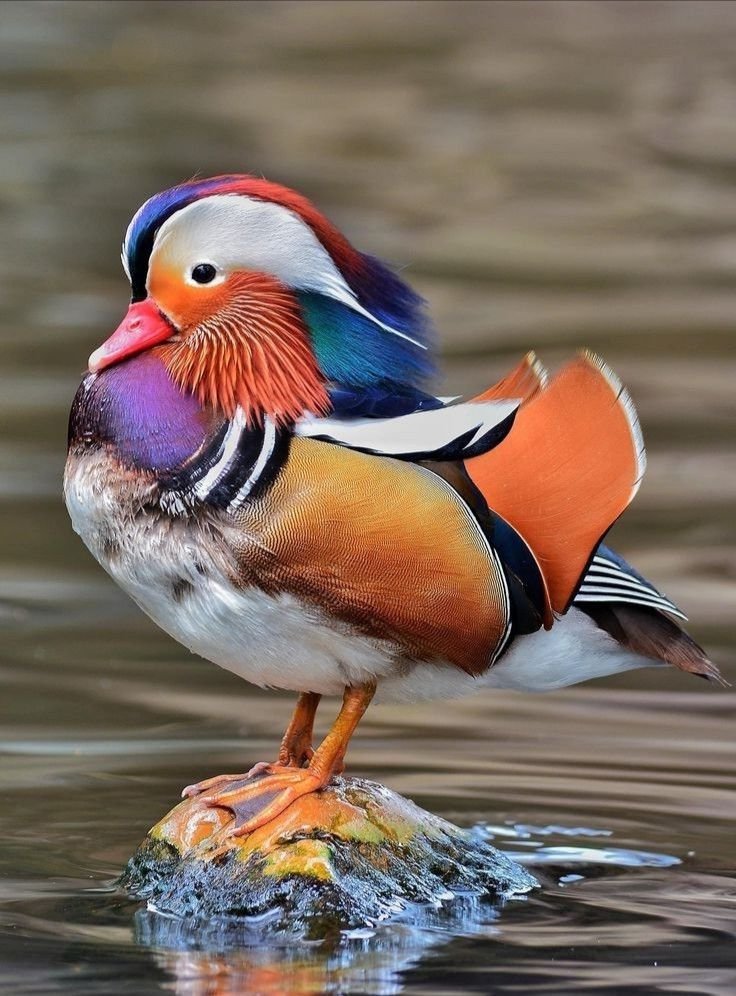
Scientific Name: Aix galericulata
Class: Aves
Diet: Omnivore
The mandarin duck is widely considered the most colorful duck in the world. The male sports orange “sail” feathers, a purple chest, and intricate patterns. It looks almost too beautiful to be real.
Interestingly, the male’s dazzling colors are used to attract a mate during courtship. After breeding season, he molts into a plainer coat. The mandarin duck is a symbol of love and beauty in many cultures.
Mandarin ducks live near ponds, lakes, and rivers in East Asia and beyond. As omnivores, they eat seeds, plants, insects, and small aquatic creatures.
Moreover, mandarin ducks are part of healthy wetland ecosystems. They remain fairly widespread, admired around the world.
Fun Fact: The mandarin duck is a symbol of love and devotion in many East Asian cultures.
Blue Poison Dart Frog
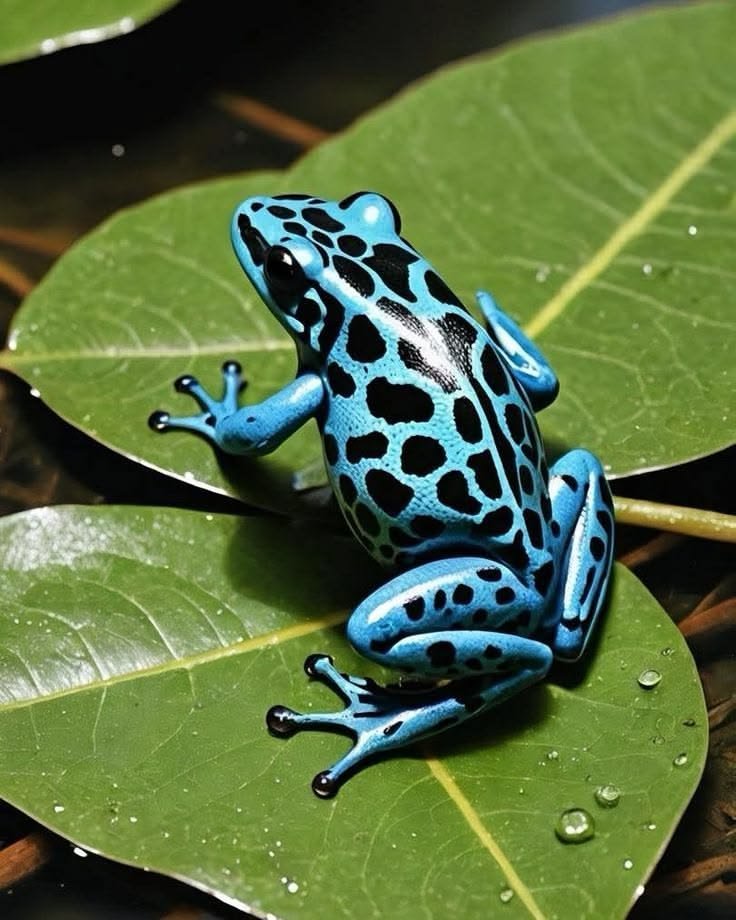
Scientific Name: Dendrobates tinctorius
Class: Amphibia
Diet: Carnivore (insects)
The blue poison dart frog glows a stunning electric blue. Its vivid color is impossible to miss. Yet this beauty carries a clear warning.
What sets this frog apart is that its bright color is a warning of toxicity. Predators learn that its striking blue means danger and leave it alone. This defense, called aposematism, keeps it safe in the open.
Blue poison dart frogs live in the rainforests of South America. As carnivores, they eat tiny insects, which are linked to their toxicity in the wild.
Moreover, poison dart frogs are part of healthy rainforest ecosystems. Habitat loss threatens many species.
Fun Fact: The frog’s brilliant blue color warns predators that it is toxic to eat.
Rainbow Lorikeet
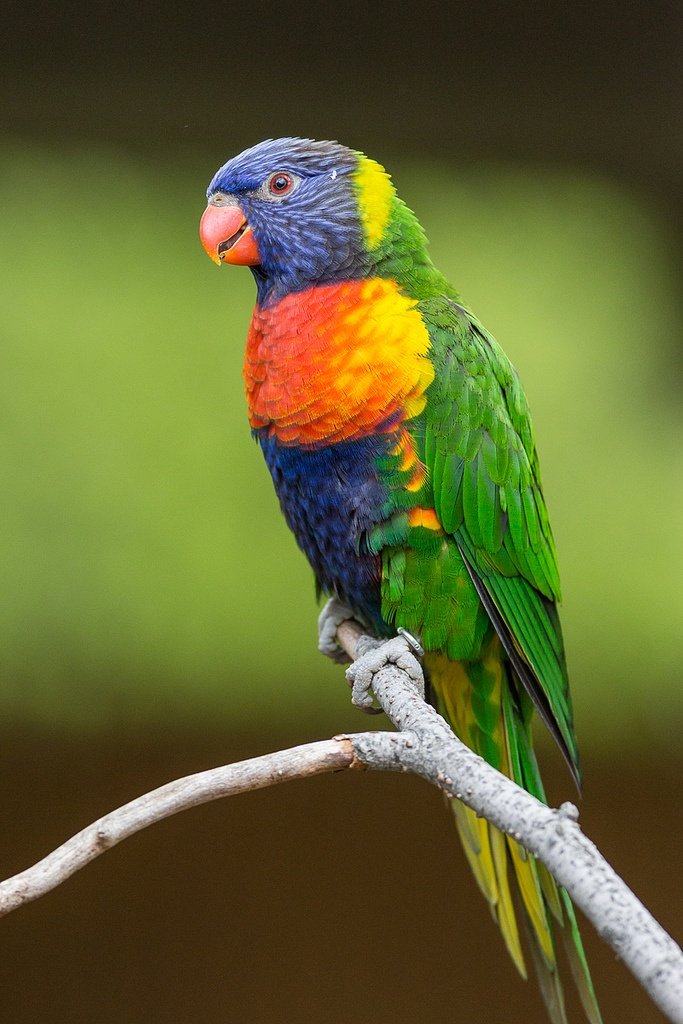
Scientific Name: Trichoglossus moluccanus
Class: Aves
Diet: Herbivore (nectar, fruit)
The rainbow lorikeet is a parrot painted in nearly every color imaginable. Its blue head, orange chest, and green wings make it a flying rainbow. It is one of the most colorful birds in the world.
Interestingly, the lorikeet’s bright colors help it recognize others and attract mates. Its brush-tipped tongue is specially adapted for feeding on nectar. Its dazzling plumage stands out even among tropical flowers.
Rainbow lorikeets live in the forests and gardens of Australia and nearby regions. As nectar feeders, they eat pollen, nectar, and fruit.
Moreover, lorikeets are important pollinators as they feed. They remain common across their range.
Fun Fact: The rainbow lorikeet has a brush-tipped tongue perfect for lapping up nectar.
Peacock Mantis Shrimp
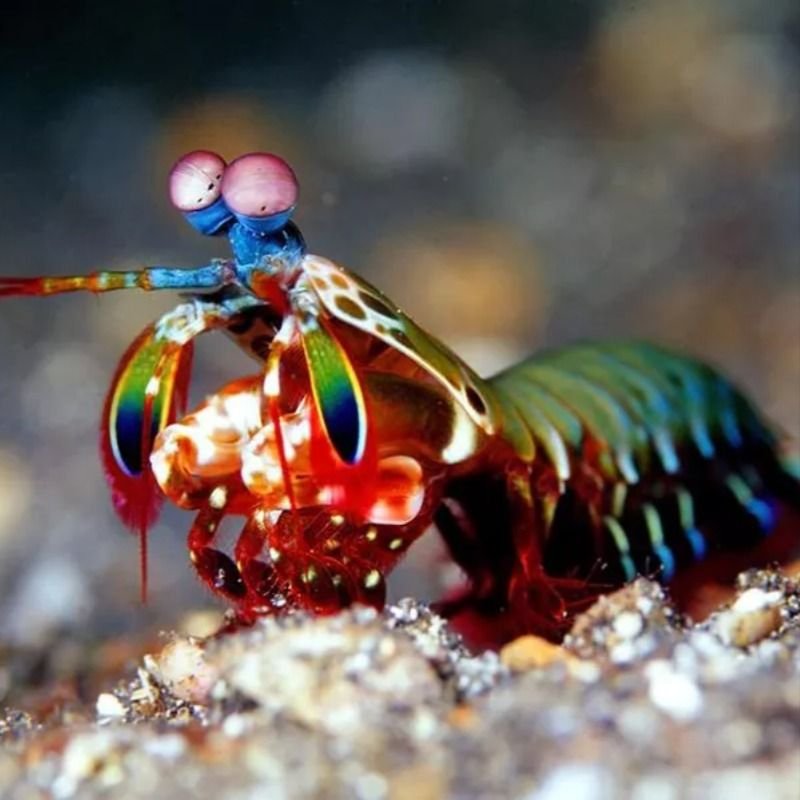
Scientific Name: Odontodactylus scyllarus
Class: Malacostraca
Diet: Carnivore (mollusks, crustaceans)
The peacock mantis shrimp is a small marine animal covered in a rainbow of colors. Its shell gleams with green, red, orange, and blue. It is as dazzling as it is deadly.
What sets the mantis shrimp apart is its incredible eyes and powerful strike. It has some of the most complex eyes in the animal kingdom, seeing colors we cannot imagine. Its club-like limbs strike with astonishing force to smash shells.
Peacock mantis shrimp live among the coral reefs of the Indo-Pacific. As carnivores, they hunt mollusks and crustaceans.
Moreover, mantis shrimp help balance reef life. They remain fairly common in their tropical habitats.
Fun Fact: The mantis shrimp’s punch is so fast it can briefly boil the water around it.
Nudibranch
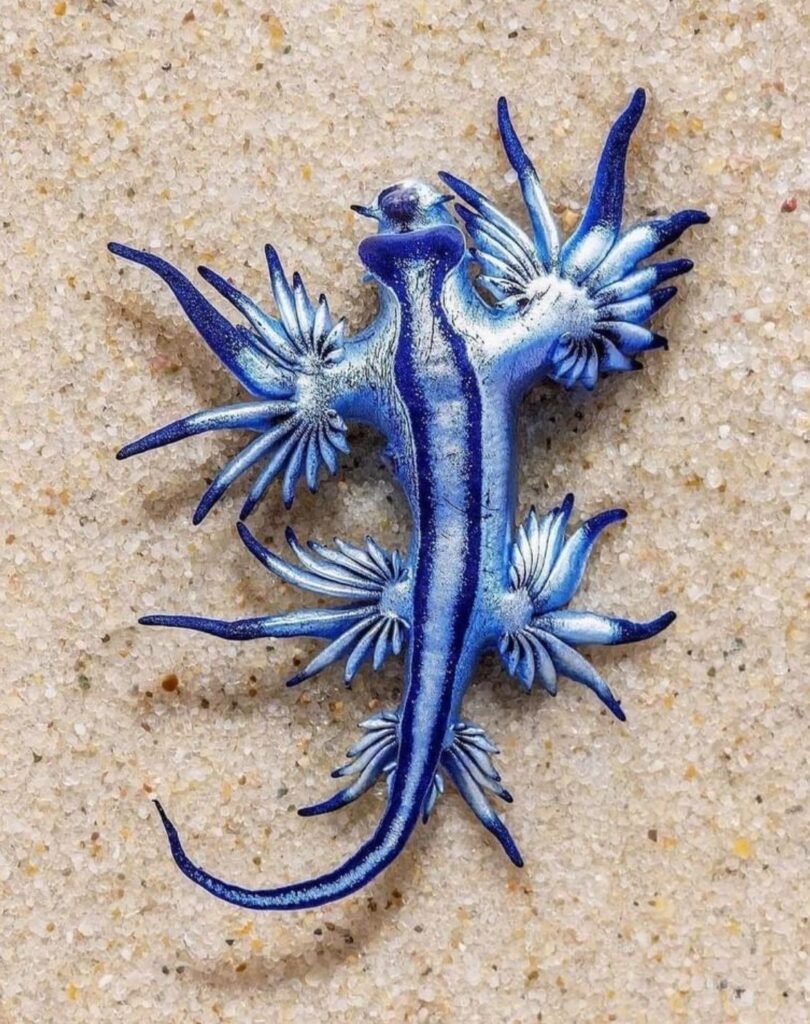
Scientific Name: Order Nudibranchia
Class: Gastropoda
Diet: Carnivore (sponges, hydroids)
The nudibranch, or sea slug, comes in a breathtaking array of colors and patterns. These jewel-like creatures glow with vivid hues. They are among the most colorful animals in the sea.
Interestingly, a nudibranch’s bright colors often warn predators that it is toxic or foul-tasting. Some get their colors and even defenses from the prey they eat. Their beauty is both dazzling and protective.
Nudibranchs live in oceans worldwide, from shallow reefs to the deep sea. As carnivores, they feed on sponges, anemones, and other stationary prey.
Moreover, nudibranchs are prized by divers for their stunning variety. Reef degradation can affect their specialized habitats.
Fun Fact: Some nudibranchs steal the stinging cells of their prey for their own defense.
Gouldian Finch
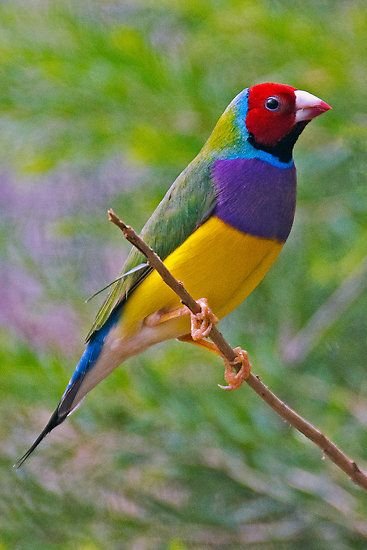
Scientific Name: Chloebia gouldiae
Class: Aves
Diet: Herbivore (seeds)
The Gouldian finch is a small bird splashed with vivid purple, yellow, green, and red. Its colors look almost hand-painted. It is one of the most beautiful finches in the world.
What sets the Gouldian finch apart is its patchwork of bright colors, including different head colors among individuals. These colors play a role in attracting mates. Its beauty has made it beloved by bird keepers.
Gouldian finches live in the grasslands and woodlands of northern Australia. As seed-eaters, they feed mainly on grass seeds.
Moreover, Gouldian finches help disperse seeds. Habitat change has made the wild population a species of concern.
Fun Fact: Gouldian finches can have red, black, or yellow heads, even within the same flock.
Painted Bunting
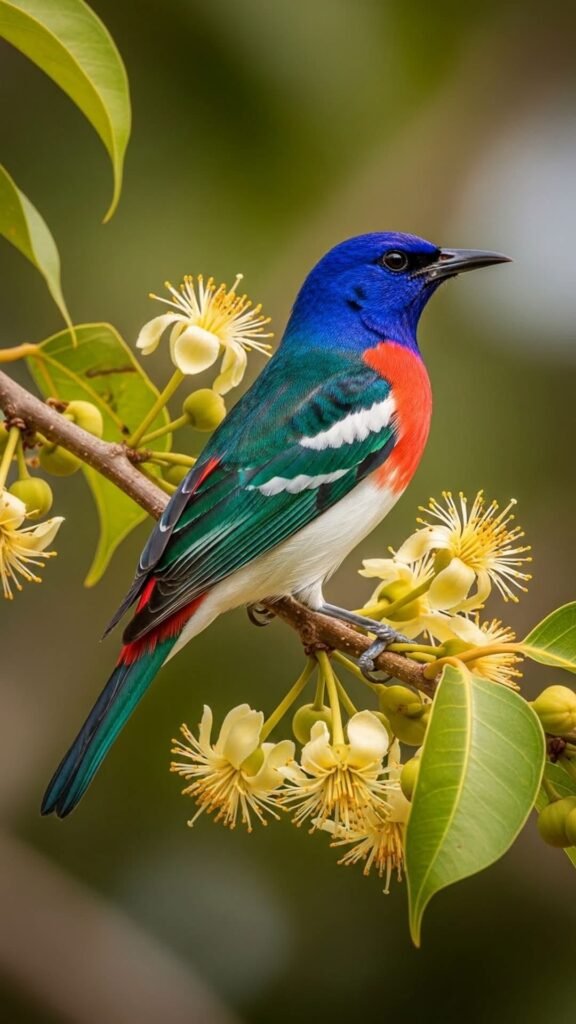
Scientific Name: Passerina ciris
Class: Aves
Diet: Omnivore (seeds, insects)
The painted bunting is a small songbird so colorful it looks unreal. The male blazes with blue, green, red, and yellow. It is often called the most beautiful bird in North America.
Interestingly, the male’s brilliant colors help attract females and defend territory. Young males and females wear a more camouflaged green. The vivid male plumage takes time to fully develop.
Painted buntings live in the woodlands and brush of the southern United States and Mexico. As omnivores, they eat seeds and insects.
Moreover, painted buntings help control insects and disperse seeds. Habitat loss has made them a species of concern.
Fun Fact: The male painted bunting is often called the most colorful bird in North America.
Lilac-Breasted Roller
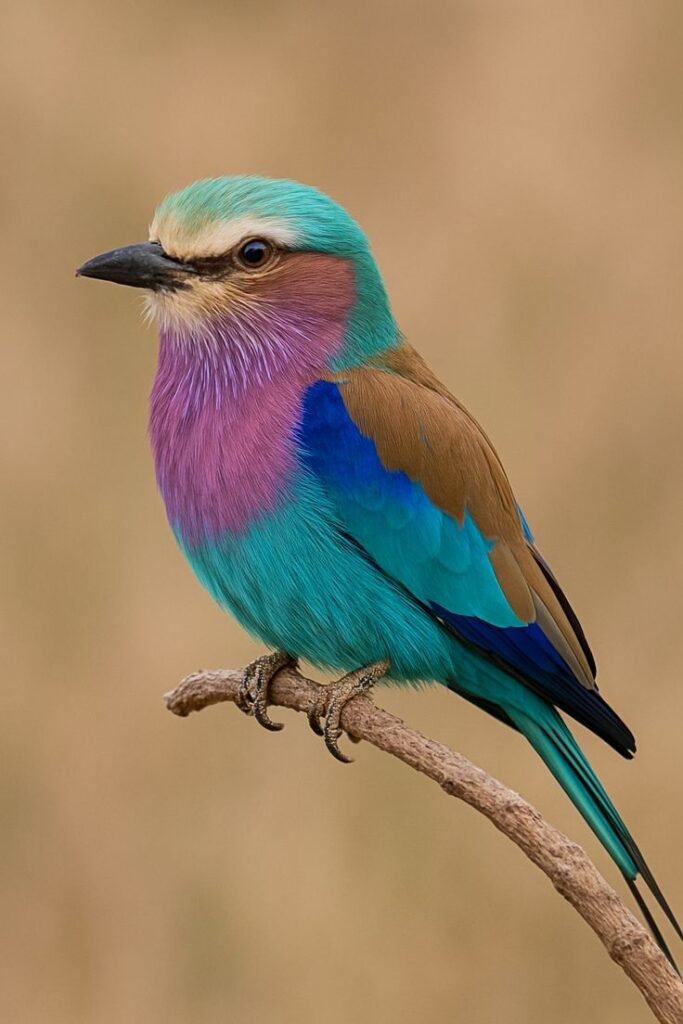
Scientific Name: Coracias caudatus
Class: Aves
Diet: Carnivore (insects)
The lilac-breasted roller is a striking bird cloaked in lilac, blue, green, and turquoise. Its rainbow of colors makes it a favorite on safari. It is one of Africa’s most beautiful birds.
What sets the roller apart is its dazzling flight and colorful feathers. During courtship, it performs rolling, tumbling flights that show off its colors. Both sexes are brightly colored.
Lilac-breasted rollers live in the savannas and woodlands of sub-Saharan Africa. As carnivores, they hunt insects and small creatures.
Moreover, rollers help control insect populations. They remain widespread and beloved across their range.
Fun Fact: The lilac-breasted roller performs rolling, tumbling flights during courtship displays.
Read: Animals with Long Tongues
Read: Slowest Animals in the World
Read: Birds With Long Necks in The World
Read: Rarest Animals in the World
Read: Animals Like Weasels in The World
Frequently Asked Questions
Conclusion
From the electric mandarinfish to the rainbow-hued lorikeet, the most colorful animals in the world turn nature into a living work of art. Their dazzling colors are far more than decoration, serving to attract mates, warn off predators, and help them survive in vivid habitats. Each hue is a masterpiece of evolution, whether made from pigment, light, or borrowed defenses.
2 Comments