
Top 12 Animals That Live in Swamps (With Images)
What kind of creature calls a soggy, tangled world of water and mud its home? Swamps may seem murky and forbidding, yet they are among the richest habitats on Earth. The animals that live in swamps have adapted to a watery world of dense vegetation, shifting mud, and hidden dangers. Far from wastelands, swamps teem with life and act as vital nurseries, water filters, and flood barriers.
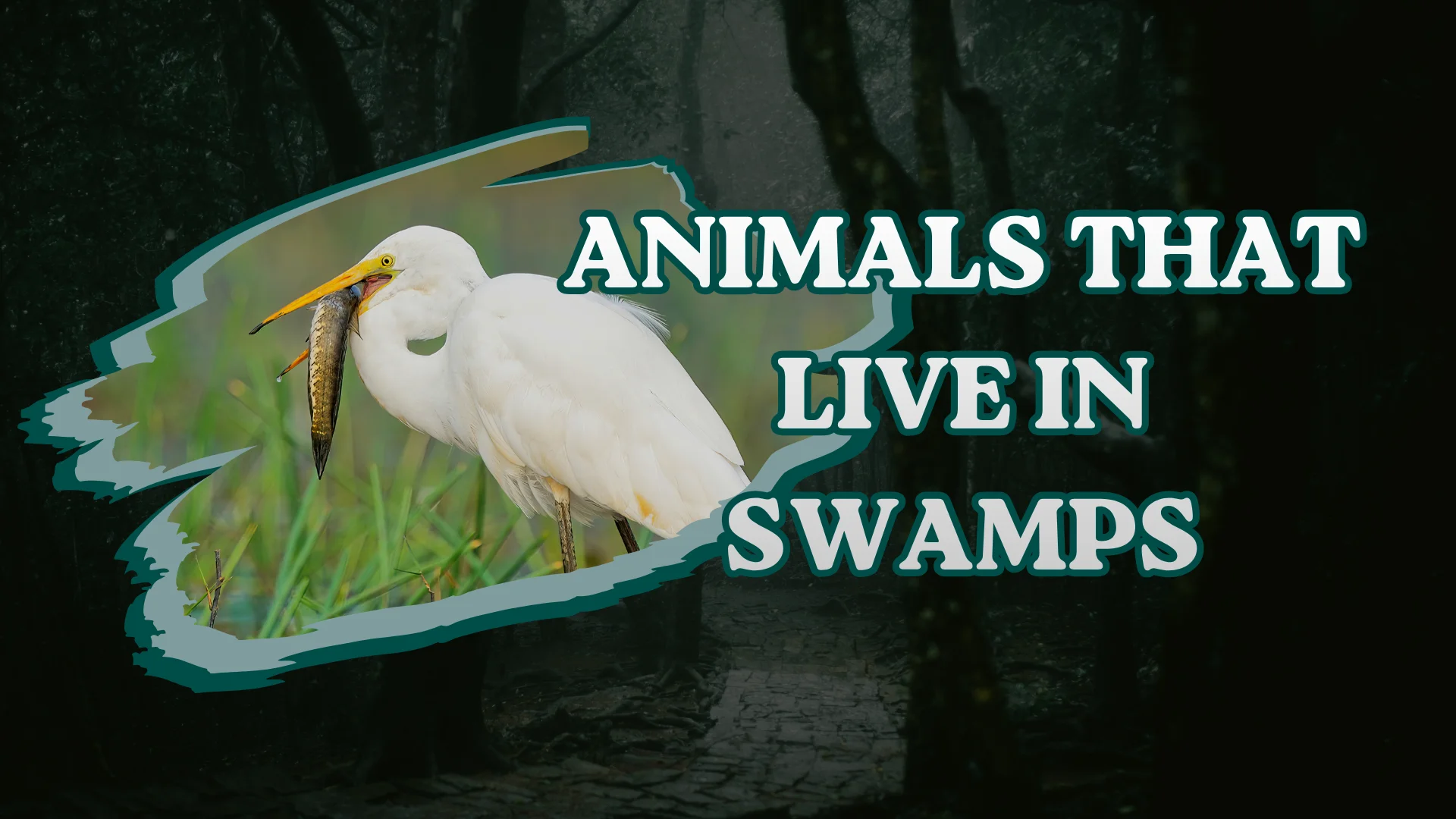
From powerful alligators lurking in the shallows to gentle manatees grazing among the reeds, swamp dwellers are perfectly suited to this unique environment. Let’s explore the most fascinating animals that live in swamps and the remarkable ways they thrive in the wetlands.
Quick List Table
| Rank | Animal Name | Scientific Name |
|---|---|---|
| 1 | American Alligator | Alligator mississippiensis |
| 2 | Common Snapping Turtle | Chelydra serpentina |
| 3 | Nutria | Myocastor coypus |
| 4 | American Bullfrog | Lithobates catesbeianus |
| 5 | Cottonmouth | Agkistrodon piscivorus |
| 6 | Great Egret | Ardea alba |
| 7 | West Indian Manatee | Trichechus manatus |
| 8 | Muskrat | Ondatra zibethicus |
| 9 | Capybara | Hydrochoerus hydrochaeris |
| 10 | Anhinga | Anhinga anhinga |
| 11 | American Beaver | Castor canadensis |
| 12 | Great Blue Heron | Ardea herodias |
American Alligator
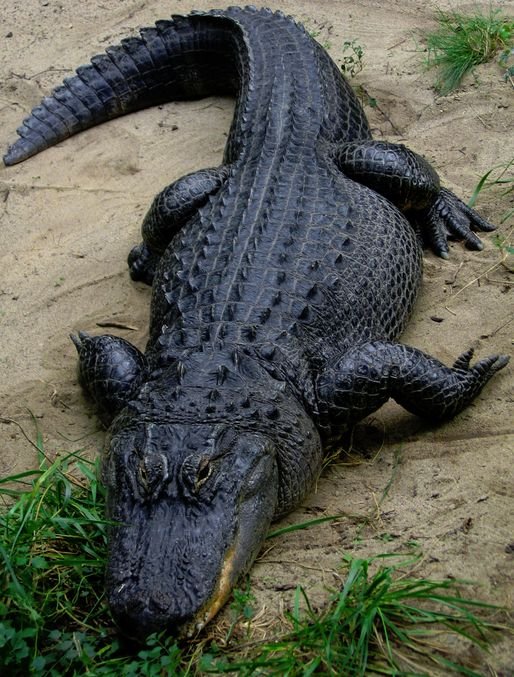
Scientific Name: Alligator mississippiensis
Class: Reptilia
Diet: Carnivore
The American alligator is the iconic ruler of the swamp. It lurks in the shallow, murky waters as a powerful predator. Few animals are more at home in the wetlands.
Interestingly, the alligator digs “gator holes” that hold water during dry spells, helping many other animals survive. A stealthy ambush hunter, it waits motionless before striking with tremendous force. Its armored body is built for swamp life.
American alligators live in the swamps, marshes, and rivers of the southeastern United States. As carnivores, they eat fish, birds, turtles, and mammals.
Moreover, alligators are keystone species whose gator holes support entire wetland communities. Once endangered, they have made a strong recovery.
Fun Fact: Alligators dig “gator holes” that provide water and refuge for many swamp animals.
Common Snapping Turtle
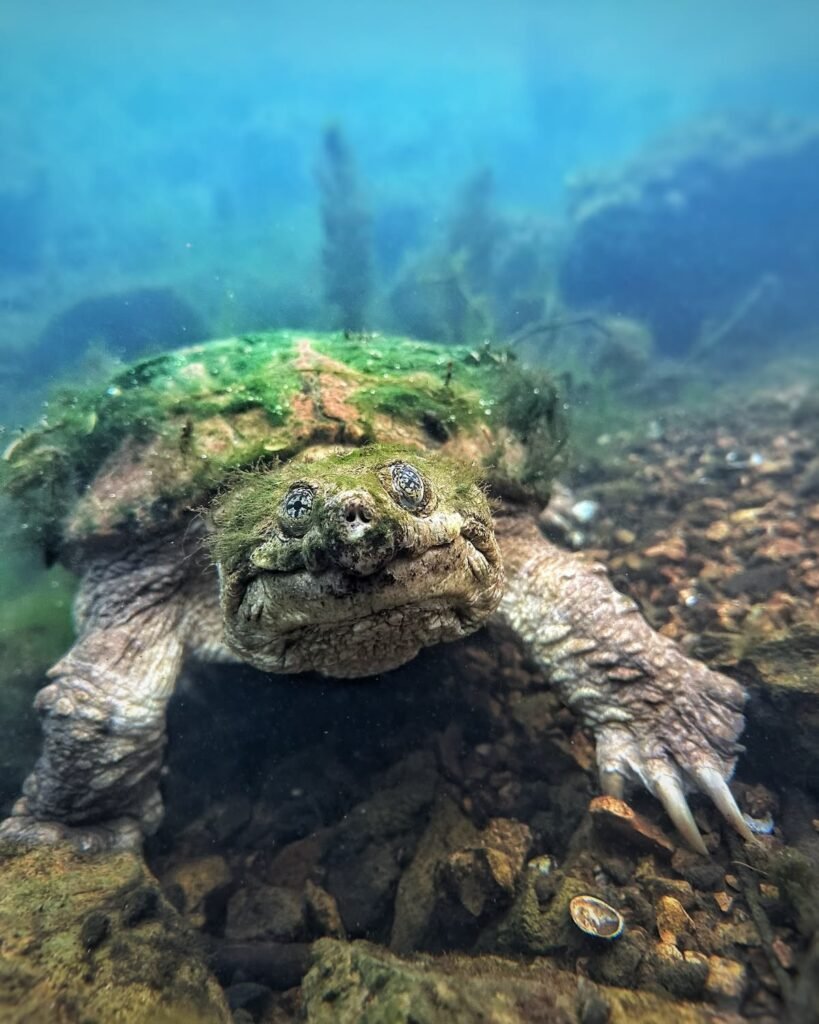
Scientific Name: Chelydra serpentina
Class: Reptilia
Diet: Omnivore
The common snapping turtle is a formidable reptile well suited to swamp life. It lurks in muddy shallows, waiting for prey. Its powerful jaws make it a fearsome swamp hunter.
What sets the snapping turtle apart is its ambush style and strong bite. It buries itself in mud with only its eyes showing, then snaps up passing prey. It spends most of its life in the water.
Common snapping turtles live in the swamps, ponds, and slow rivers of North America. As omnivores, they eat fish, frogs, plants, and carrion.
Moreover, snapping turtles help balance swamp ecosystems as both predators and scavengers. They remain widespread across their range.
Nutria
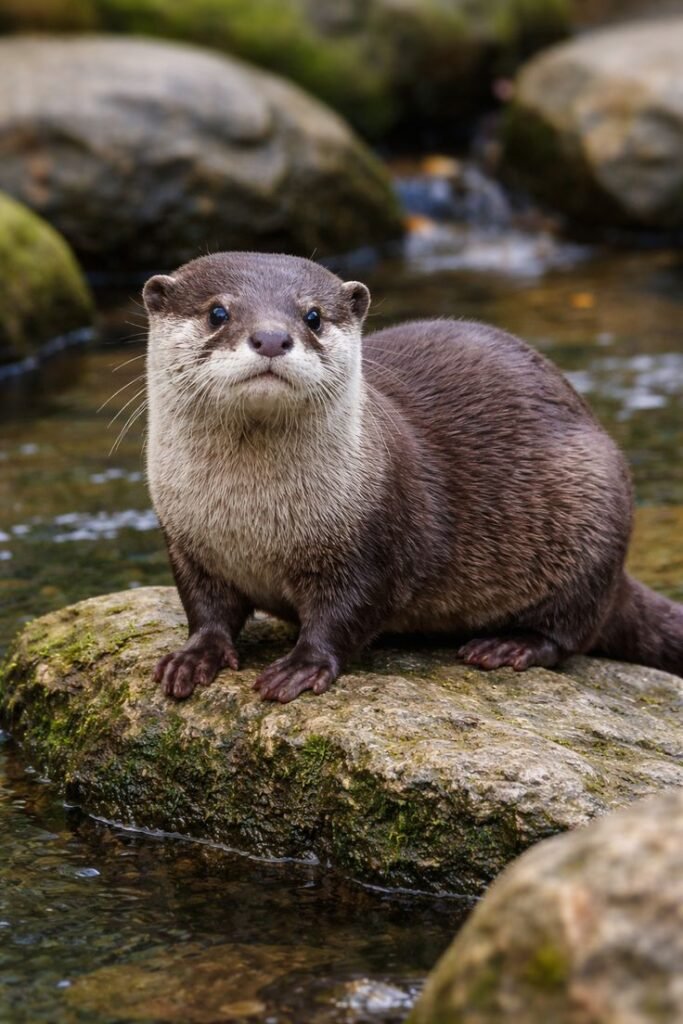
Scientific Name: Myocastor coypus
Class: Mammalia
Diet: Herbivore
The nutria, or coypu, is a large rodent that thrives in swamps and marshes. It lives among the reeds and shallow water. Wetlands provide it with food and shelter.
Interestingly, the nutria has webbed hind feet for swimming and bright orange front teeth for gnawing plants. It builds burrows along the water’s edge and feeds heavily on wetland vegetation. It is an excellent swimmer.
Nutria are native to South America but now live in wetlands worldwide. As herbivores, they feed on aquatic plants, roots, and stems.
Moreover, nutria shape wetland vegetation, though in some regions they are invasive and damaging. Where native, they are part of the local ecosystem.
Fun Fact: The nutria has bright orange front teeth, colored by iron in the enamel.
American Bullfrog
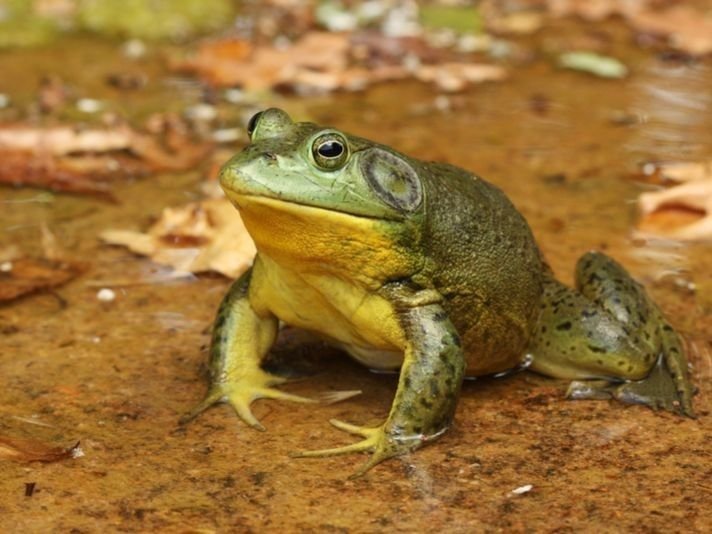
Scientific Name: Lithobates catesbeianus
Class: Amphibia
Diet: Carnivore
The American bullfrog is a large amphibian perfectly at home in the swamp. Its deep, booming call echoes across the wetlands. Swamps are its ideal breeding ground.
What sets the bullfrog apart is its powerful voice and appetite. Males call loudly to attract mates and defend territory in the water. As a sit-and-wait predator, it eats almost anything it can swallow.
American bullfrogs live in the swamps, ponds, and marshes of North America and beyond. As carnivores, they eat insects, fish, and other small creatures.
Moreover, bullfrogs are part of many wetland food webs. Outside their native range, they can become invasive.
Fun Fact: A bullfrog’s deep, booming call can be heard from up to a kilometer away.
Cottonmouth
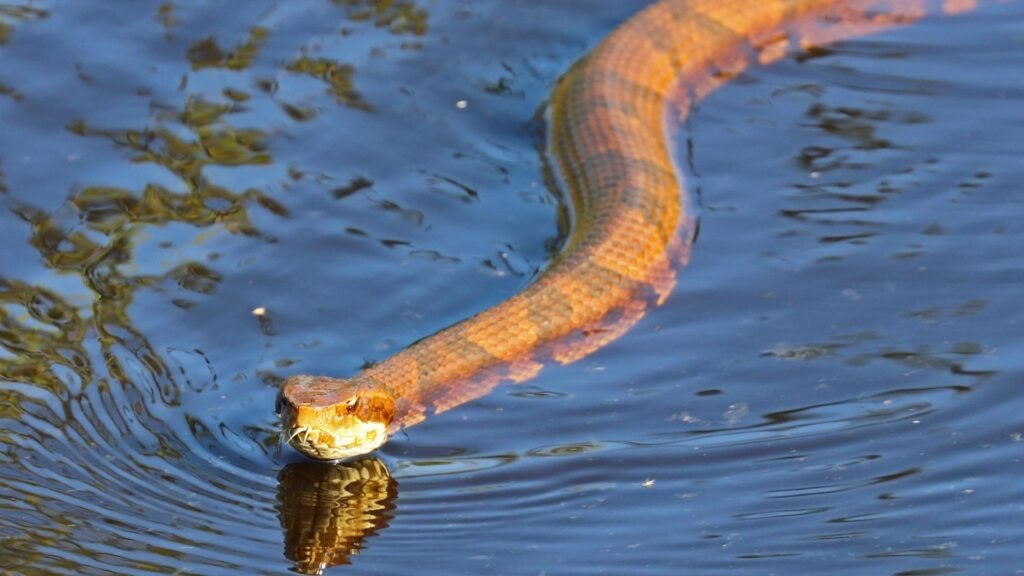
Scientific Name: Agkistrodon piscivorus
Class: Reptilia
Diet: Carnivore
The cottonmouth, or water moccasin, is a venomous snake that lives in swamps. It swims through the water in search of prey. It is well adapted to the wetland world.
Interestingly, the cottonmouth gets its name from the white lining of its mouth, which it shows as a warning. It is one of the few venomous snakes that hunts largely in water. It preys on fish, frogs, and other swamp animals.
Cottonmouths live in the swamps, marshes, and streams of the southeastern United States. As carnivores, they eat fish, amphibians, and small animals.
Moreover, cottonmouths help control fish and amphibian populations. They remain fairly common across their range.
Fun Fact: The cottonmouth flashes the white inside of its mouth as a warning to threats.
Great Egret
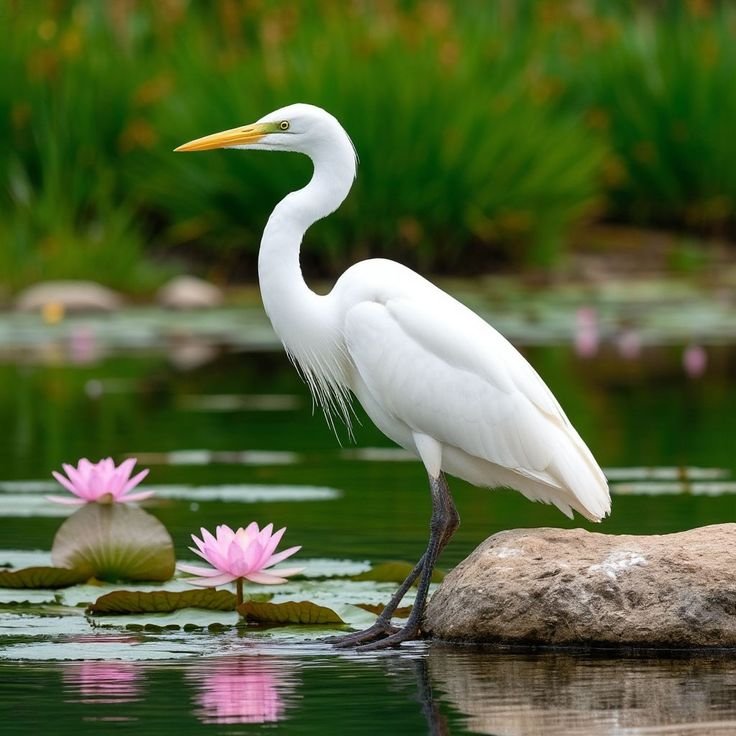
Scientific Name: Ardea alba
Class: Aves
Diet: Carnivore (fish, amphibians)
The great egret is an elegant wading bird commonly found in swamps. It stalks the shallow waters on long legs. Wetlands are its perfect hunting ground.
What sets the egret apart is its patient hunting style. It stands or wades slowly, then spears fish and frogs with a swift jab of its bill. Its long legs let it hunt in deeper water than many birds.
Great egrets live in swamps, marshes, and wetlands across much of the world. As carnivores, they hunt fish, amphibians, and small animals.
Moreover, egrets help balance swamp populations and indicate wetland health. Once hunted for their plumes, they have recovered strongly.
West Indian Manatee
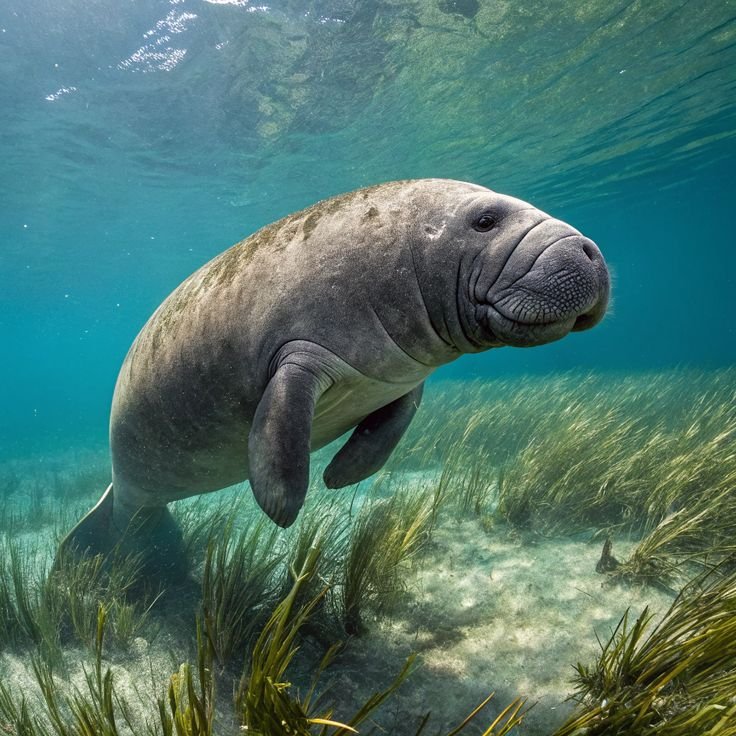
Scientific Name: Trichechus manatus
Class: Mammalia
Diet: Herbivore (aquatic plants)
The West Indian manatee is a gentle giant that grazes in swamps and slow waterways. It drifts calmly through the wetlands. Swamps and rivers provide its plant-based diet.
Interestingly, the manatee spends its days grazing lazily on aquatic plants in warm, shallow waters. It moves slowly and peacefully, coming up to breathe every few minutes. It seeks out warm swamps and springs in colder months.
Manatees live in the coastal waters, rivers, and swamps of the southeastern United States and the Caribbean. As herbivores, they feed on seagrasses and aquatic plants.
Moreover, manatees help maintain healthy waterways by grazing on plant growth. Boat strikes and habitat loss have made them a conservation concern.
Fun Fact: A manatee can eat around a tenth of its body weight in plants each day.
Muskrat
Scientific Name: Ondatra zibethicus
Class: Mammalia
Diet: Herbivore (mostly)
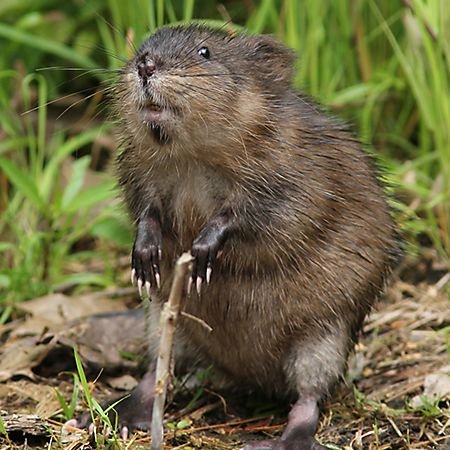
The muskrat is a semi-aquatic rodent that thrives in swamps and marshes. It builds lodges among the reeds. Wetlands are essential to its way of life.
What sets the muskrat apart is its swimming skill and building habits. It has a long, flattened tail and partly webbed feet for swimming, and it constructs dome-shaped lodges from plants. It can stay underwater for many minutes.
Muskrats live in the wetlands of North America and beyond. As herbivores, they feed mainly on aquatic plants, along with some small animals.
Moreover, muskrats shape wetland vegetation, and their lodges shelter other creatures. They remain common across their range.
Fun Fact: A muskrat can swim underwater for up to 15 minutes at a time.
Capybara
Scientific Name: Hydrochoerus hydrochaeris
Class: Mammalia
Diet: Herbivore (grasses, aquatic plants)
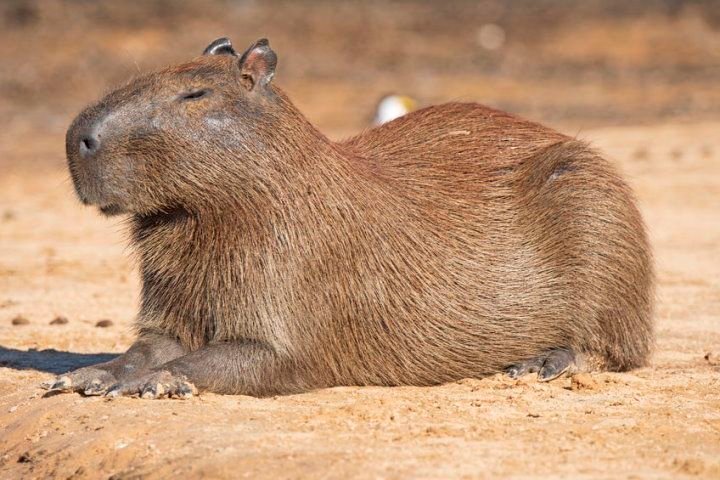
The capybara, the world’s largest rodent, thrives in swamps and wetlands. It grazes near the water in relaxed groups. Wetlands provide both food and safety.
Interestingly, the capybara is a strong swimmer with partly webbed feet and eyes and nostrils set high on its head. This lets it stay mostly submerged while watching for danger. It dives into the water to escape predators.
Capybaras live near swamps, rivers, and marshes across much of South America. As herbivores, they feed on grasses and aquatic plants.
Moreover, capybaras shape wetland vegetation and support many predators. They remain common wherever water and grassland meet.
Anhinga

Scientific Name: Anhinga anhinga
Class: Aves
Diet: Carnivore (fish)
The anhinga is a striking water bird well adapted to swamp life. It swims with only its neck above water, earning the name “snakebird.” Wetlands are its hunting ground.
What sets the anhinga apart is its spearfishing skill. It dives underwater and stabs fish with its sharp, pointed bill. Because its feathers are not fully waterproof, it spreads its wings to dry in the sun.
Anhingas live in the swamps and slow waters of the Americas. As carnivores, they hunt fish and other aquatic prey.
Moreover, anhingas help balance fish populations in the swamp. They remain common across their range.
Fun Fact: The anhinga swims with only its snakelike neck above water, earning it the name “snakebird.”
American Beaver
Scientific Name: Castor canadensis
Class: Mammalia
Diet: Herbivore
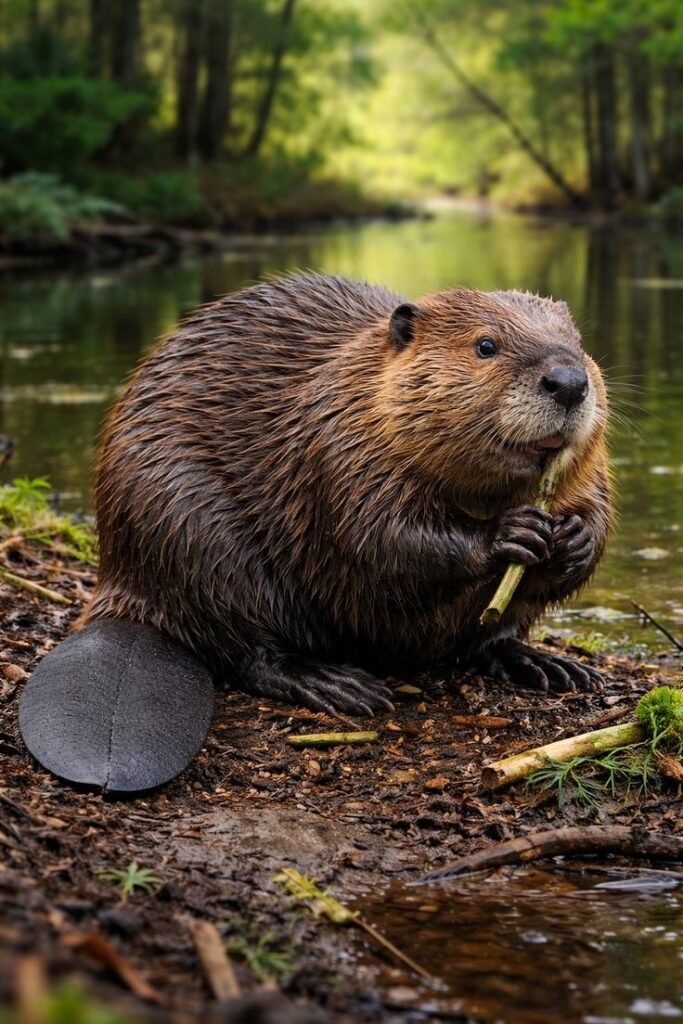
The American beaver is a master builder that shapes swamps and wetlands. It creates ponds and lodges with its dams. In doing so, it engineers its own watery home.
Interestingly, the beaver fells trees and builds dams that flood areas into wetlands, creating habitat for countless species. It builds sturdy lodges with underwater entrances for safety. Its work transforms entire landscapes.
American beavers live in the rivers, streams, and wetlands of North America. As herbivores, they feed on bark, leaves, and aquatic plants.
Moreover, beavers are ecosystem engineers whose dams create rich wetlands. They have recovered strongly after past overhunting.
Fun Fact: Beaver dams create wetlands that support a huge variety of other wildlife.
Great Blue Heron

Scientific Name: Ardea herodias
Class: Aves
Diet: Carnivore (fish, amphibians)
The great blue heron is a tall wading bird often seen hunting in swamps. It stalks the shallow waters with patience. Wetlands are its favored hunting ground.
What sets the heron apart is its stillness and precise strike. It stands motionless for long periods, then spears fish and frogs with a lightning jab. Its long legs let it wade through the swamp.
Great blue herons live near swamps, marshes, and wetlands across North and Central America. As carnivores, they hunt fish, amphibians, and small animals.
Moreover, herons help balance swamp populations and indicate wetland health. They remain common across their range.
Read: Animals with Wings That Can’t Fly
Read: Animals That Can’t Swim
Read: Quiet Animals in the World
Read: Animals With Bushy Tails
Read: Most Shy Animals in The World
Read: Most Docile Animals in the World
Frequently Asked Questions
Conclusion
From powerful alligators to gentle manatees, the animals that live in swamps reveal the astonishing richness of the world’s wetlands. Perfectly adapted to a world of water and mud, these creatures hunt, build, and graze in ways found nowhere else. In doing so, they help keep swamps healthy, and swamps in turn filter water, prevent floods, and shelter countless species.
One Comment