Top 12 Territorial Animals in the World (With Images)
Why would an animal risk its life to defend a patch of land or water? In the wild, territory can mean the difference between survival and starvation. The most territorial animals in the world fiercely guard their space to protect food, mates, and their young. Far from simple aggression, this behavior is a finely tuned strategy that keeps ecosystems balanced.
From a tiger patrolling miles of forest to a tiny robin defending a single hedge, territoriality comes in every size. Let’s explore the most territorial animals on Earth and the powerful instincts that drive them to hold their ground, along with the vital roles they play in nature.
Quick List Table
| Rank | Animal Name | Scientific Name |
|---|---|---|
| 1 | Bengal Tiger | Panthera tigris |
| 2 | Gray Wolf | Canis lupus |
| 3 | Hippopotamus | Hippopotamus amphibius |
| 4 | White Rhinoceros | Ceratotherium simum |
| 5 | Lar Gibbon | Hylobates lar |
| 6 | European Robin | Erithacus rubecula |
| 7 | Siamese Fighting Fish | Betta splendens |
| 8 | Wolverine | Gulo gulo |
| 9 | Brown Bear | Ursus arctos |
| 10 | Leopard | Panthera pardus |
| 11 | Cheetah | Acinonyx jubatus |
| 12 | Meerkat | Suricata suricatta |
Bengal Tiger
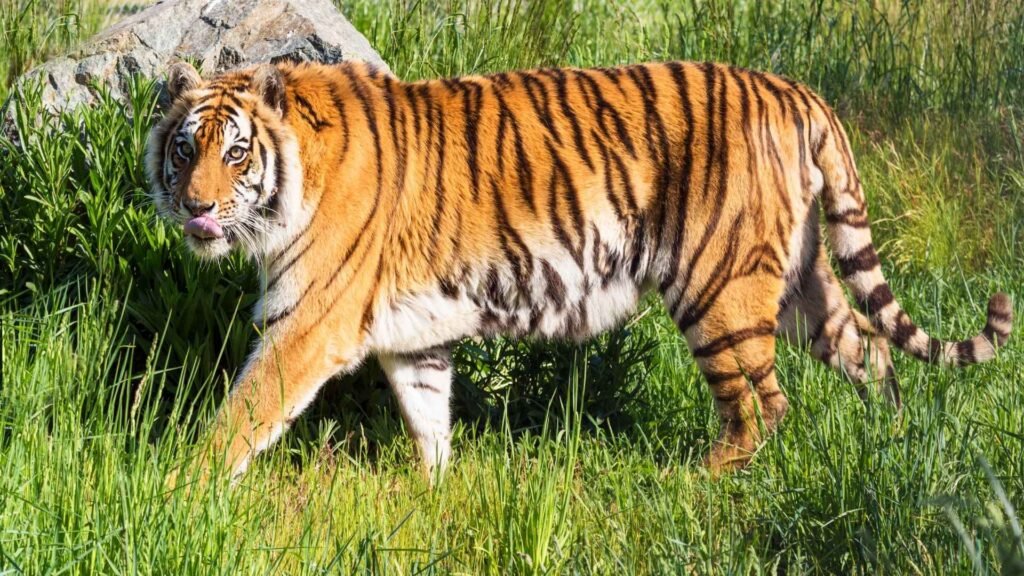
Scientific Name: Panthera tigris
Class: Mammalia
Diet: Carnivore
The Bengal tiger is one of the most territorial big cats in the world. A single tiger may defend a range covering many square kilometers. It patrols and marks its domain with great determination.
Interestingly, tigers mark their territory with scent, scratches, and roars to warn off rivals. Males hold larger territories that overlap with several females. Intruders may face fierce, sometimes deadly, confrontations.
Bengal tigers live in the forests, grasslands, and mangroves of the Indian subcontinent. As carnivores, they hunt deer, wild boar, and other large mammals.
Moreover, tigers are apex predators that keep their ecosystems in balance. Poaching and habitat loss have made them endangered.
Fun Fact: A tiger’s roar can carry for over two kilometers, warning rivals to stay away.
Gray Wolf

Scientific Name: Canis lupus
Class: Mammalia
Diet: Carnivore
The gray wolf defends its territory as a united pack. Wolves patrol and scent-mark the boundaries of their range. They will fiercely confront rival packs that intrude.
What sets the wolf apart is its coordinated territorial defense. The whole pack shares the work of marking borders and warning off intruders through howling. These calls announce their presence across great distances.
Gray wolves range across North America, Europe, and Asia, in forests, tundra, and mountains. As carnivores, they hunt large prey through cooperation.
Moreover, wolves are keystone predators whose presence shapes entire ecosystems. Once nearly wiped out in many areas, they have recovered in some through conservation.
Fun Fact: Wolves howl partly to announce and defend their pack’s territory from rivals.
Hippopotamus

Scientific Name: Hippopotamus amphibius
Class: Mammalia
Diet: Herbivore
The hippopotamus is intensely territorial, especially in the water. Dominant males guard stretches of river fiercely. They will charge any intruder that dares to enter.
Interestingly, the hippo’s territory centers on water, where males control access and mating. They display dominance by gaping their huge jaws and bellowing loudly. Such confrontations can turn violent between rival bulls.
Hippos live in the rivers, lakes, and wetlands of sub-Saharan Africa. As herbivores, they graze on grass at night, returning to defend their water by day.
Moreover, hippos shape their ecosystems, enriching waterways and carving paths through vegetation. Habitat loss and poaching have made them vulnerable.
White Rhinoceros
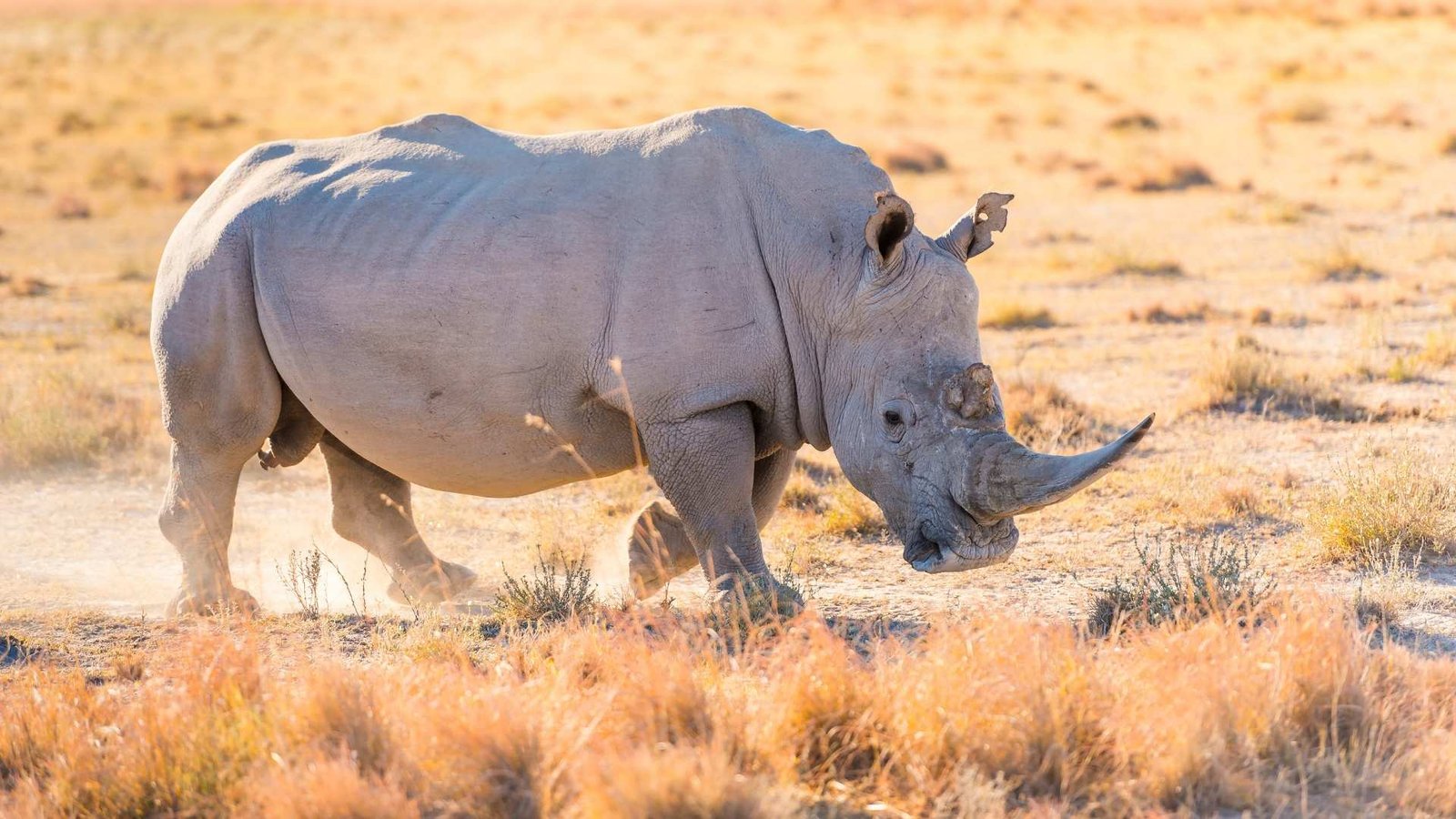
Scientific Name: Ceratotherium simum
Class: Mammalia
Diet: Herbivore
The white rhinoceros is a strongly territorial grazer. Dominant males mark and defend clear boundaries. They challenge rivals that stray onto their turf.
What sets the white rhino apart is how it marks territory. Males use dung piles and scent-marking to signal ownership, and they patrol the edges of their range. Confrontations between bulls can be serious.
White rhinos live in the grasslands and savannas of southern Africa. As herbivores, they graze on grass with their broad, square lips.
Moreover, rhinos shape grasslands through grazing and support their ecosystems. Poaching for their horns has made them a conservation priority.
Fun Fact: Male white rhinos mark their territory with large, strategically placed dung piles.
Lar Gibbon
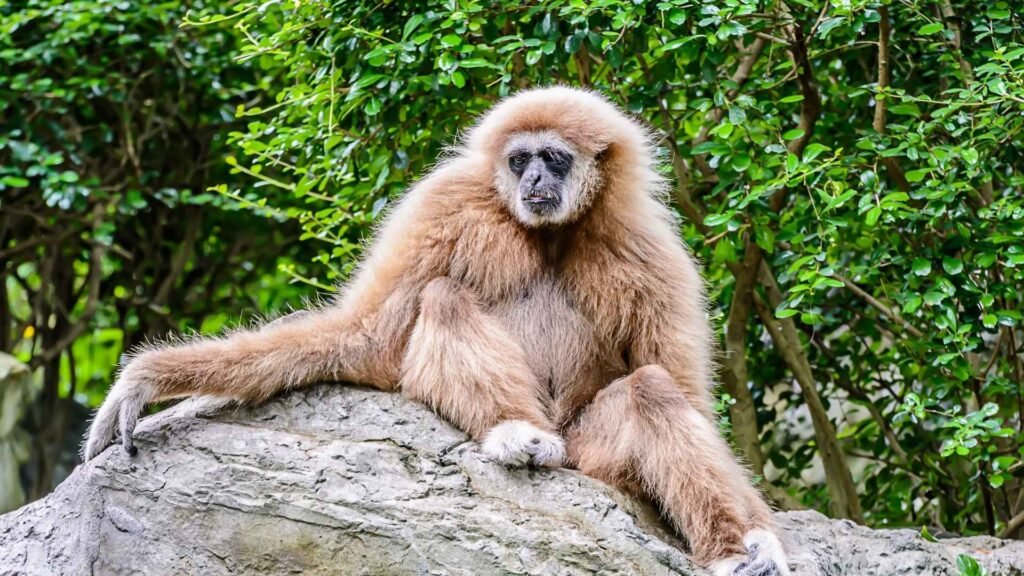
Scientific Name: Hylobates lar
Class: Mammalia
Diet: Herbivore (fruit, leaves)
The lar gibbon is highly territorial, defending its patch of forest with song. Mated pairs guard a shared territory in the canopy. Their voices are their main weapon against rivals.
Interestingly, gibbon pairs sing loud, coordinated duets each morning to announce their territory. These calls warn neighboring gibbons to keep their distance. The songs both strengthen the pair bond and defend their space.
Lar gibbons live in the rainforests of Southeast Asia. As frugivores, they feed mainly on fruit, swinging swiftly through the treetops.
Moreover, gibbons disperse seeds and help maintain healthy forests. Deforestation and the pet trade have made them endangered.
European Robin
Scientific Name: Erithacus rubecula
Class: Aves
Diet: Omnivore (insects, seeds)
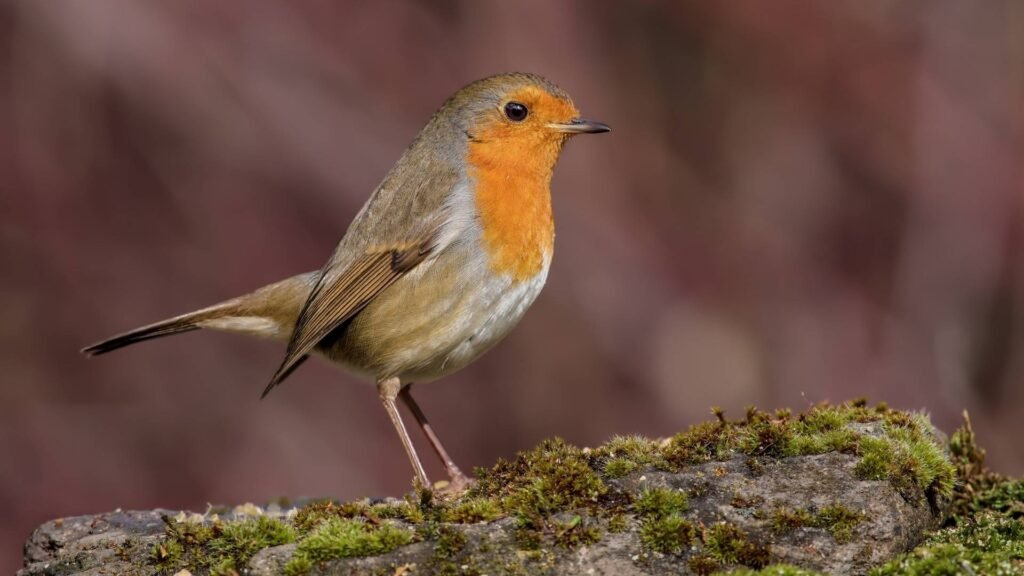
The European robin is famously territorial despite its small size and cheerful looks. It fiercely defends its patch year-round. Its bold behavior belies its tiny frame.
What sets the robin apart is its intense defense of territory. Males sing loudly to claim their space and will attack intruding robins without hesitation. Their bright red breast serves as a warning signal to rivals.
European robins live in gardens, woodlands, and hedgerows across Europe. As omnivores, they eat insects, worms, seeds, and fruit.
Moreover, robins help control insect populations and are beloved garden visitors. They remain common across their wide range.
Fun Fact: A robin’s red breast is a bold warning that helps it defend its territory.
Siamese Fighting Fish

Scientific Name: Betta splendens
Class: Actinopterygii
Diet: Carnivore (insects, larvae)
The Siamese fighting fish, or betta, is one of the most territorial of all aquarium fish. Males will not tolerate rivals in their space. Their fierce defensiveness is well known to fish keepers.
Interestingly, male bettas flare their gills and fins to appear larger when challenging a rival. Two males placed together may fight intensely. This territorial nature is why they are usually kept alone.
Siamese fighting fish are native to the shallow waters and rice paddies of Southeast Asia. As carnivores, they feed on insects and larvae at the water’s surface.
Moreover, bettas are popular pets admired for their vivid colors. In the wild, they remain part of their native freshwater habitats.
Wolverine
Scientific Name: Gulo gulo
Class: Mammalia
Diet: Carnivore
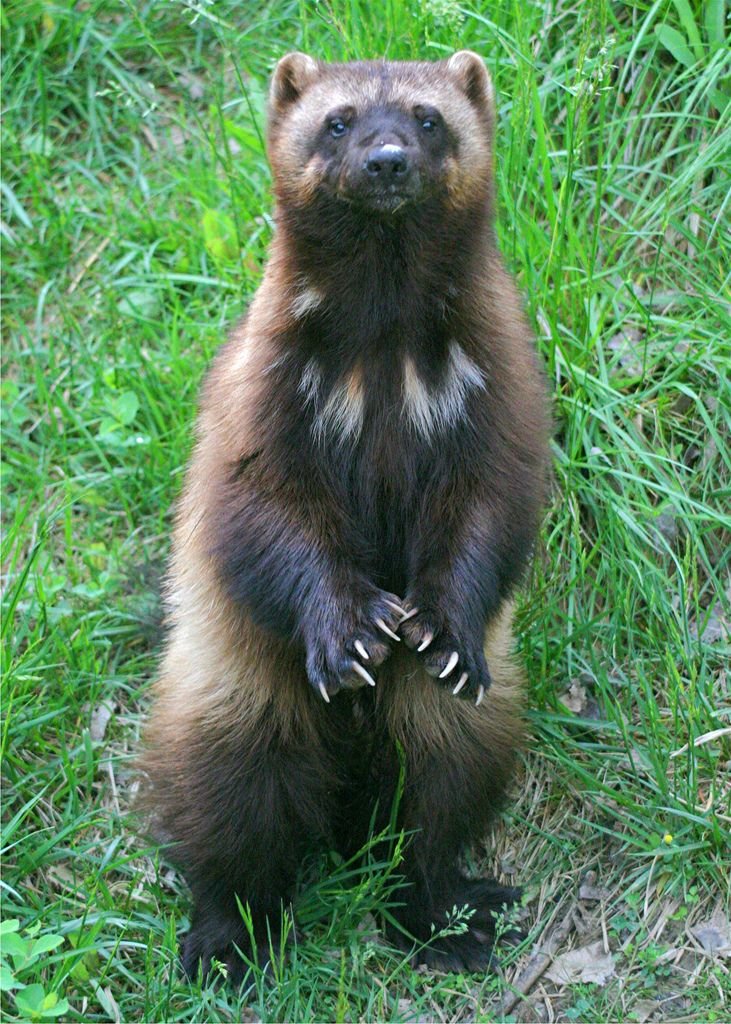
The wolverine defends an enormous territory across the frozen north. A single animal may roam and guard hundreds of square kilometers. It marks and patrols this vast range relentlessly.
What sets the wolverine apart is the sheer size of its territory. It travels great distances to patrol its boundaries and scent-marks to warn off rivals. Its fierce nature helps it defend such a huge area.
Wolverines live in the cold forests and tundra of the Northern Hemisphere. As carnivores and scavengers, they hunt small animals and feed on carrion.
Moreover, wolverines help clean the landscape by consuming carrion. Habitat loss and climate change threaten their remote homes.
Fun Fact: A single wolverine may patrol a territory larger than several hundred square kilometers.
Brown Bear
Scientific Name: Ursus arctos
Class: Mammalia
Diet: Omnivore
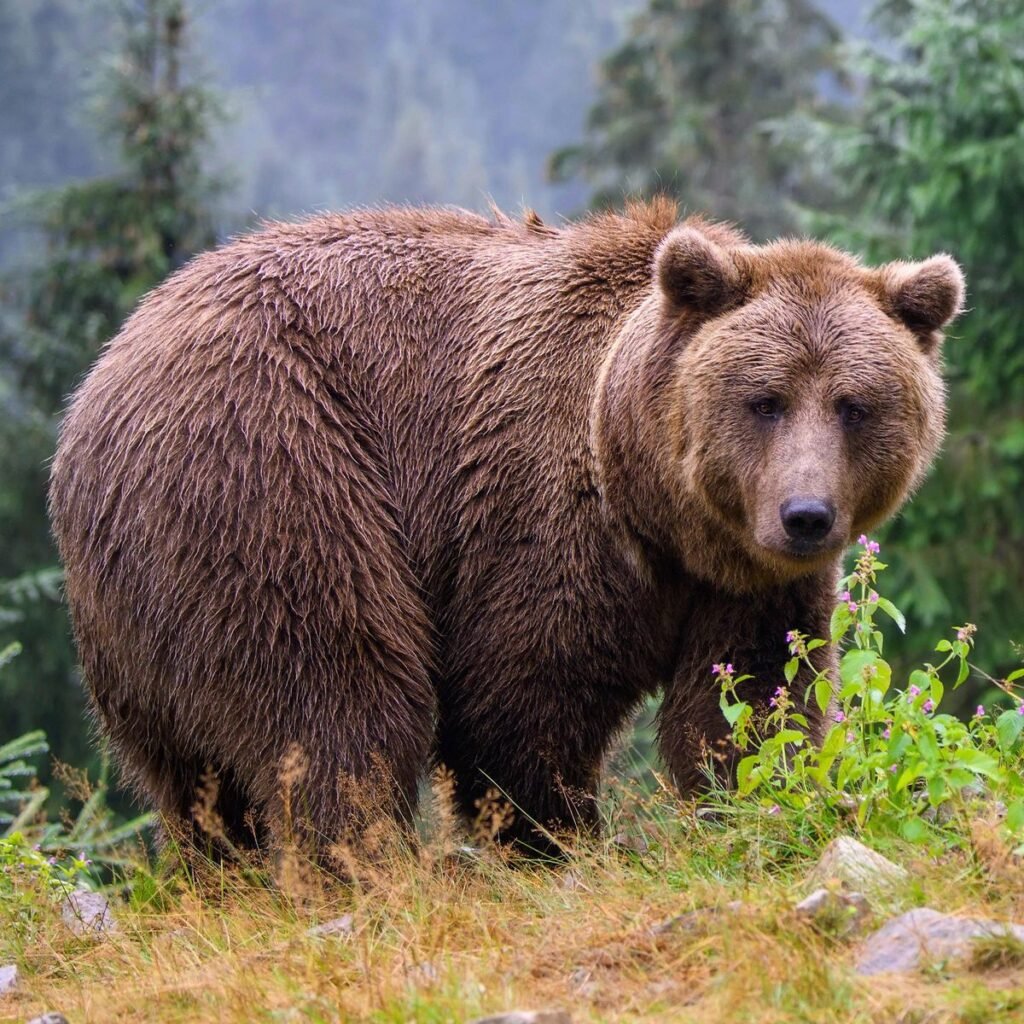
The brown bear maintains and defends a large home range. Dominant bears claim the best feeding grounds. They mark trees and confront rivals to hold their space.
Interestingly, brown bears rub against and claw trees to leave scent marks that signal their presence. During salmon runs, the strongest bears defend the prime fishing spots. Confrontations establish a clear hierarchy.
Brown bears live across North America, Europe, and Asia, in forests, mountains, and tundra. As omnivores, they eat fish, plants, insects, and small animals.
Moreover, brown bears disperse seeds and transport nutrients across the landscape. They remain widespread, though some populations are threatened.
Leopard
Scientific Name: Panthera pardus
Class: Mammalia
Diet: Carnivore
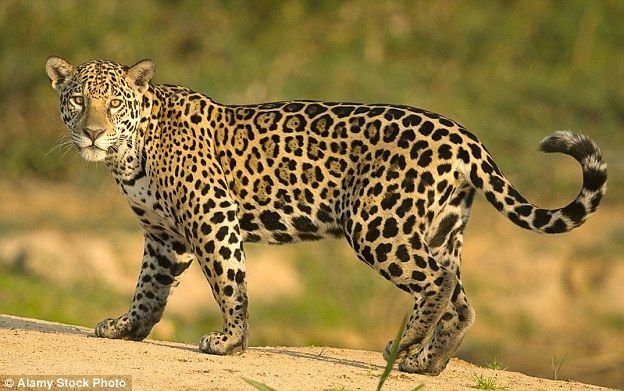
The leopard is a solitary, strongly territorial big cat. Each leopard defends its own range from others of the same sex. It marks its boundaries with scent and claw marks.
What sets the leopard apart is its stealthy defense of territory. Males patrol large ranges that overlap with several females, warning off rivals through scent and vocal calls. Intruders risk fierce confrontation.
Leopards live across parts of Africa and Asia, in forests, grasslands, and mountains. As carnivores, they hunt a wide range of prey.
Moreover, leopards are adaptable apex predators that help balance their ecosystems. Habitat loss and poaching threaten many populations.
Cheetah
Scientific Name: Acinonyx jubatus
Class: Mammalia
Diet: Carnivore
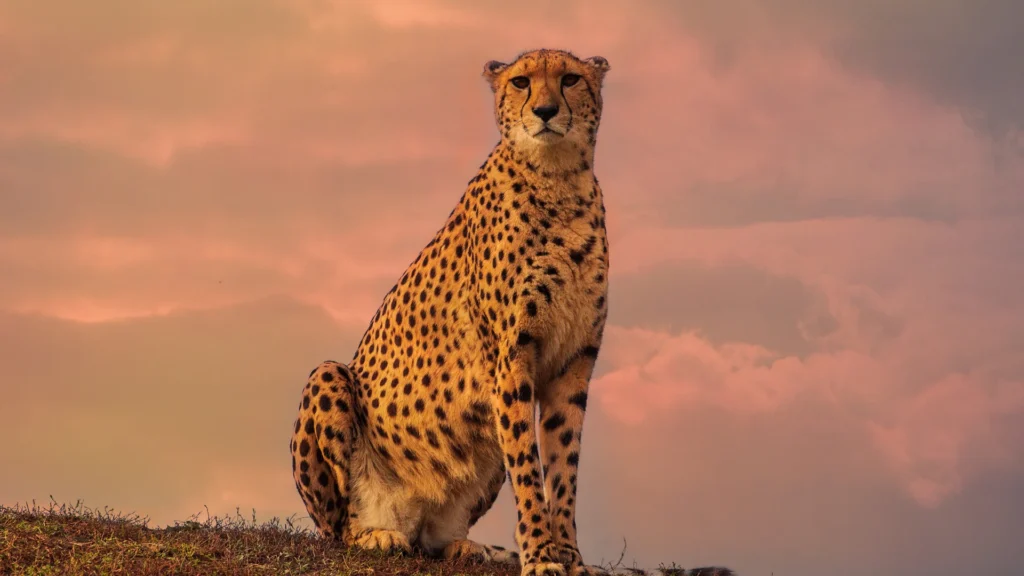
The cheetah shows a unique form of territorial behavior. Males often team up in small groups called coalitions to hold territory. Together they defend prime areas from rivals.
Interestingly, cheetah coalitions, often brothers, cooperate to claim and guard the best hunting grounds. They mark their territory with scent to warn off other males. Females, by contrast, range more widely.
Cheetahs live in the grasslands and open plains of sub-Saharan Africa. As carnivores, they hunt gazelles, impalas, and hares with bursts of incredible speed.
Moreover, cheetahs keep herbivore numbers in check and maintain healthy grasslands. Habitat loss and dwindling prey have made them vulnerable.
Fun Fact: Male cheetahs often form lifelong coalitions with their brothers to defend territory.
Meerkat
Scientific Name: Suricata suricatta
Class: Mammalia
Diet: Omnivore (insects, small animals)
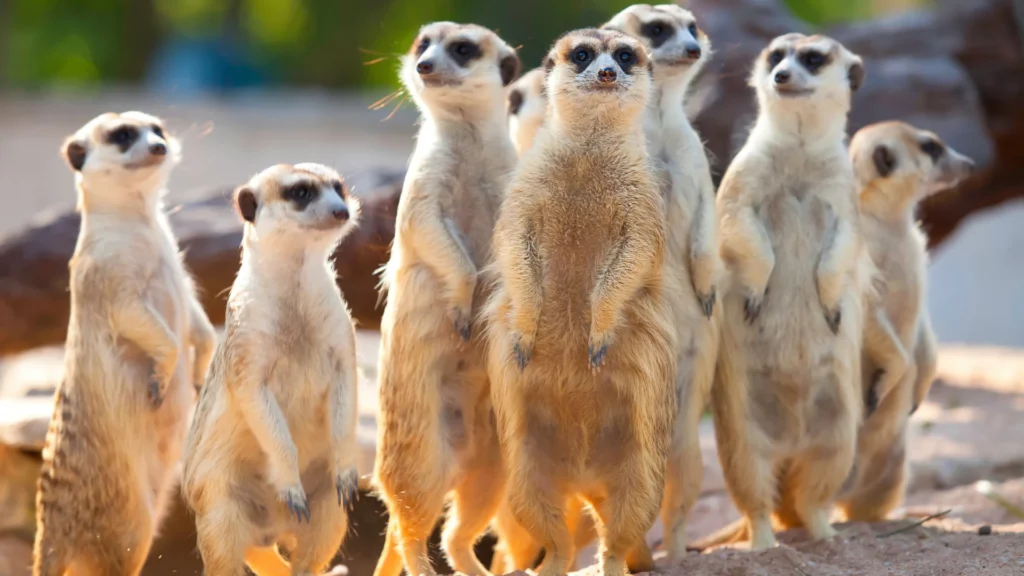
The meerkat defends its territory as a tight-knit group. Mobs guard their burrow systems and foraging grounds. They will confront rival groups that intrude.
What sets the meerkat apart is its cooperative territorial defense. The whole mob scent-marks boundaries and may face off against neighboring groups in dramatic standoffs. Sentries also watch for both predators and rivals.
Meerkats live in the arid Kalahari and scrublands of southern Africa. As omnivores, they eat insects, small animals, and plants.
Moreover, meerkats aerate desert soil through digging and control insect populations. They remain common across their range.
Fun Fact: Rival meerkat mobs sometimes face off in dramatic, war-like territorial standoffs.
Read: Animals With Webbed Feet
Read: Animals That Eat Ants in The World
Read: Animals That Sleep a Lot
Read: How Strong is a Kangaroo?
Read: Most Energetic Animals in The World
Frequently Asked Questions
Conclusion
From the patrolling tiger to the fearless little robin, the most territorial animals in the world reveal how vital space is to survival. By defending their turf, these animals secure the food, mates, and safety their families need to thrive. Their territorial instincts also help keep ecosystems balanced, spreading populations across the landscape.