
Top 15 Animals With No Tails in The World (With Images)
Did you know that humans belong to a rare group of animals born without a tail? While most creatures rely on tails for balance, communication, or movement, a fascinating handful thrive completely without one. These tailless animals have evolved clever alternatives powerful limbs, flexible spines, and expressive body language to survive and flourish.
From gentle forest giants to tiny garden dwellers, animals with no tails prove that this feature is far from essential. Their unique adaptations reveal the endless creativity of evolution. In this guide, we’ll explore the top 15 animals with no tails, uncovering how they move, communicate, and survive, and why these remarkable species deserve our attention.
List of Animals With No Tails
| Rank | Animal | Scientific Name |
|---|---|---|
| 1 | Gorilla | Gorilla gorilla |
| 2 | Orangutan | Pongo pygmaeus |
| 3 | Chimpanzee | Pan troglodytes |
| 4 | Gibbon | Hylobates lar |
| 5 | Koala | Phascolarctos cinereus |
| 6 | Capybara | Hydrochoerus hydrochaeris |
| 7 | Guinea Pig | Cavia porcellus |
| 8 | Frog | Anura |
| 9 | Manx Cat | Felis catus |
| 10 | Hedgehog | Erinaceus europaeus |
| 11 | Brown Bear | Ursus arctos |
| 12 | Starfish | Asterias rubens |
| 13 | Octopus | Octopus vulgaris |
| 14 | Sea Urchin | Echinus esculentus |
| 15 | Jellyfish | Aurelia aurita |
Gorilla

Scientific Name: Gorilla gorilla
Class: Mammalia
Diet: Herbivore
The gorilla is the largest primate on Earth and, like all great apes, has no tail. Its powerful, muscular body and flattened spine give it the balance and stability that other animals gain from a tail.
Interestingly, gorillas evolved from a tailless ancestor around 25 million years ago. Without a tail, they rely on strong limbs, upright posture, and knuckle-walking to move through their forest home.
Gorillas inhabit the tropical rainforests and mountain forests of central Africa, feeding mainly on leaves, stems, fruit, and shoots.
As seed dispersers and forest shapers, gorillas are vital to their ecosystems. Sadly, habitat loss, poaching, and disease have left several gorilla populations Critically Endangered.
Fun Fact: Gorillas share around 98% of their DNA with humans, making them among our closest living relatives.
Orangutan
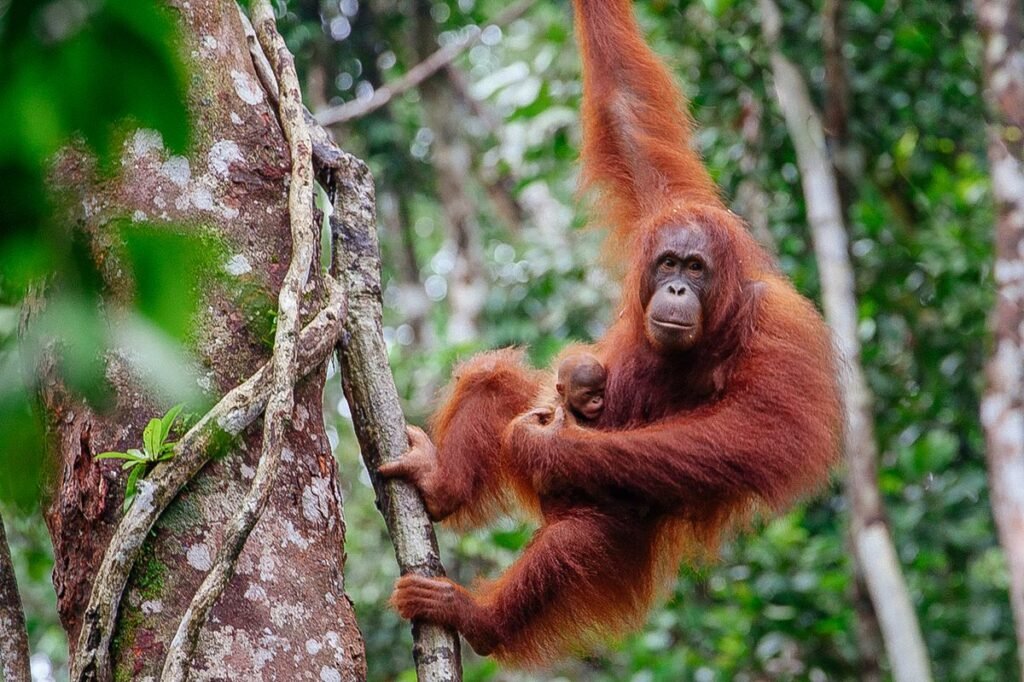
Scientific Name: Pongo pygmaeus
Class: Mammalia
Diet: Omnivore
The orangutan is a large, red-haired great ape with no tail, perfectly built for a life in the trees. Its long, powerful arms and grasping hands replace any need for a tail while climbing.
Moreover, orangutans are remarkably intelligent, using tools and building fresh sleeping nests high in the canopy each night. Without a tail, they depend on their flexible joints and strong grip to move gracefully between branches.
Orangutans inhabit the rainforests of Borneo and Sumatra, feeding on fruit, leaves, bark, and insects across their forest range.
As key seed dispersers, orangutans help regenerate tropical forests. Rampant deforestation and the palm oil trade have made them Critically Endangered.
Fun Fact: Orangutans are the largest tree-dwelling animals in the world, spending almost their entire lives above the ground.
Chimpanzee
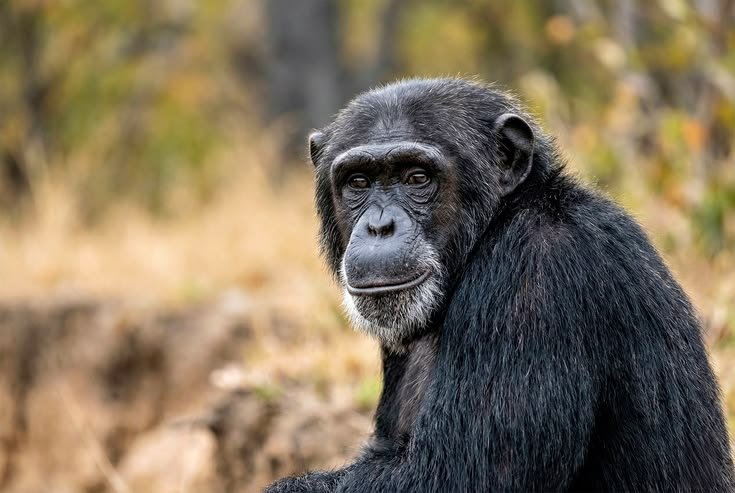
Scientific Name: Pan troglodytes
Class: Mammalia
Diet: Omnivore
The chimpanzee is a highly intelligent great ape that, like its relatives, has no tail. Its agile, muscular body and long arms give it exceptional balance both in trees and on the ground.
What sets the chimpanzee apart is its rich social and mental life. Without a tail for signaling, chimps communicate through facial expressions, gestures, vocal calls, and complex body language.
Chimpanzees inhabit the rainforests and savanna woodlands of central and western Africa, feeding on fruit, leaves, insects, and occasionally small animals.
As seed dispersers and keystone forest animals, chimpanzees are essential to their habitats. Deforestation, poaching, and disease have made them Endangered.
Fun Fact: Chimpanzees use tools such as sticks to fish for termites and stones to crack open nuts.
Gibbon
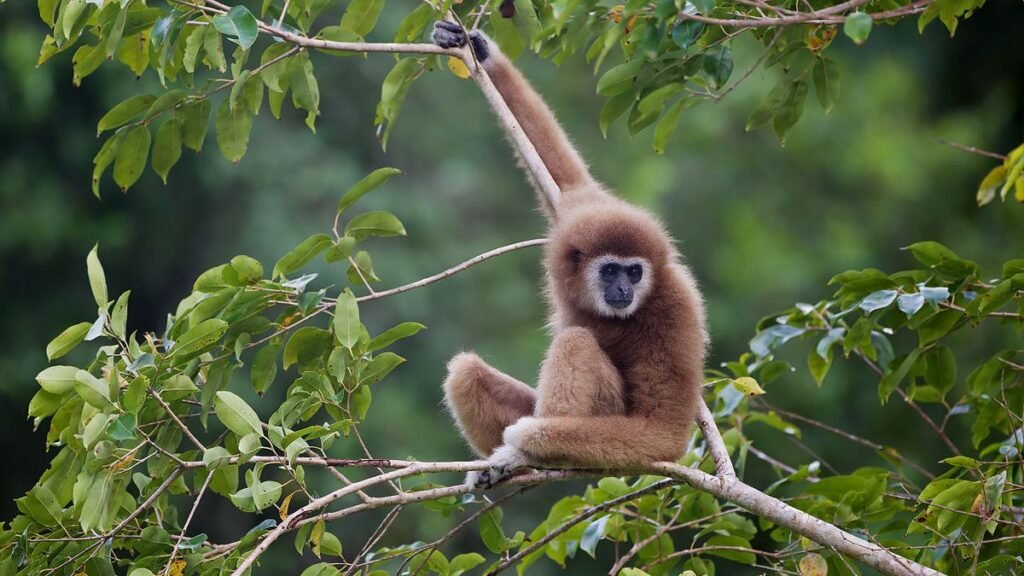
Scientific Name: Hylobates lar
Class: Mammalia
Diet: Frugivore
The gibbon is a small, acrobatic ape with no tail, famous for its breathtaking swinging through the trees. Its extraordinarily long arms let it move with speed and grace no tail could match.
Interestingly, gibbons are among the fastest tree-dwelling mammals, using a swinging motion called brachiation to fly between branches. Their balance comes entirely from their limbs and body, not a tail.
Gibbons inhabit the tropical rainforests of Southeast Asia, feeding mainly on ripe fruit, along with leaves, flowers, and insects.
As seed dispersers, gibbons help keep their forests healthy and diverse. Habitat loss and the illegal pet trade have left many gibbon species Endangered.
Fun Fact: Gibbons sing loud, melodic “duets” with their mates each morning to defend their territory.
Koala
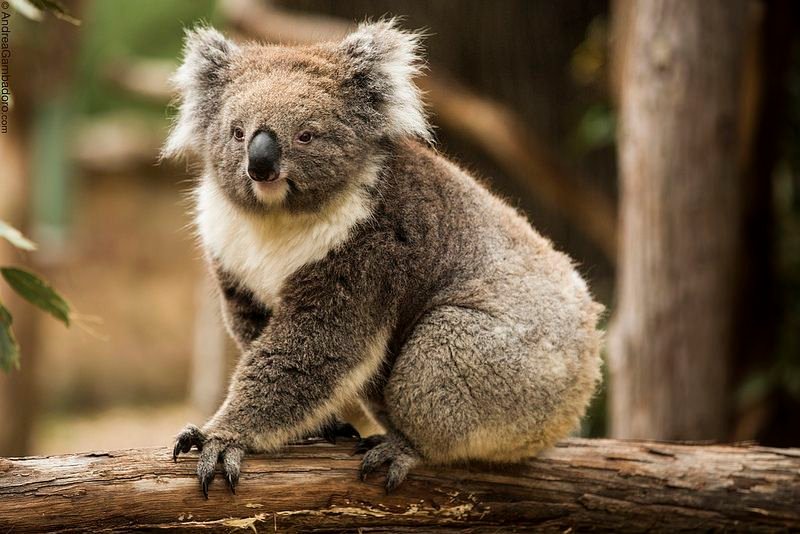
Scientific Name: Phascolarctos cinereus
Class: Mammalia
Diet: Herbivore
The koala is an iconic Australian marsupial with no external tail, having only a vestigial remnant hidden beneath its fur. Its sturdy body and strong limbs keep it steady high in the trees.
Moreover, the koala relies on powerful claws and a specialized grip rather than a tail for balance. It even has a cartilage-padded rear end that lets it sit comfortably wedged in tree forks for hours.
Koalas inhabit the eucalyptus woodlands of eastern and southeastern Australia, feeding almost exclusively on eucalyptus leaves.
As specialized browsers, koalas are woven into the health of their forests. Bushfires, disease, and habitat loss have made some koala populations Endangered.
Fun Fact: Koalas sleep up to 20 hours a day to conserve energy from their low-nutrient eucalyptus diet.
Capybara
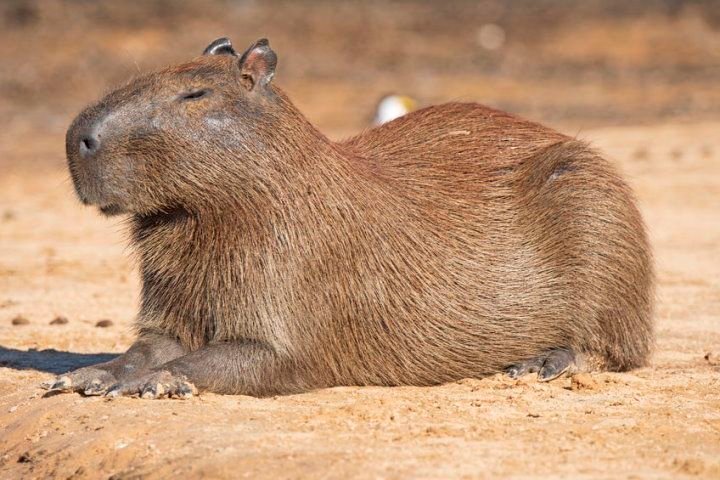
Scientific Name: Hydrochoerus hydrochaeris
Class: Mammalia
Diet: Herbivore
The capybara is the largest rodent in the world, and unlike most rodents, it has no tail. Its stocky, barrel-shaped body sits low to the ground, supported entirely by short, sturdy legs.
Interestingly, the capybara is semi-aquatic, with partially webbed feet that make it an excellent swimmer. Without a tail as a rudder, it steers through water using its body and powerful legs.
Capybaras inhabit the wetlands, rivers, and grasslands of South America, grazing on grasses and aquatic plants.
As grazers and prey, capybaras play a central role in their ecosystems. Currently of Least Concern, they still depend on healthy wetlands and waterways.
Fun Fact: Capybaras are famously social and calm, often seen with birds, monkeys, and even other species resting on their backs.
Guinea Pig
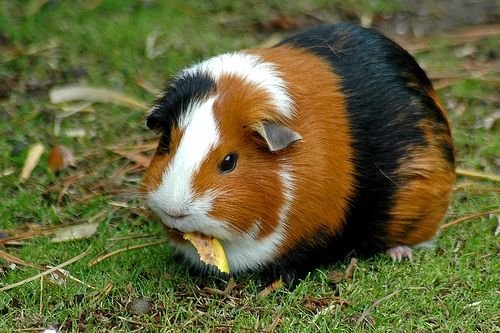
Scientific Name: Cavia porcellus
Class: Mammalia
Diet: Herbivore
The guinea pig is a small, tailless rodent that has been domesticated for over 3,000 years. Where most rodents have long tails, the guinea pig shows only a tiny vestigial remnant hidden beneath its fur.
Beyond their charm, guinea pigs are highly social and vocal, communicating through a range of squeaks, purrs, and chirps rather than tail signals. They thrive in the company of others.
Originally from the Andes of South America, guinea pigs now live worldwide as beloved pets, feeding on hay, grasses, and fresh vegetables.
As domesticated herbivores, guinea pigs have a long history alongside humans. Their wild relatives depend on healthy grassland habitats across South America.
Fun Fact: Guinea pigs “popcorn,” leaping joyfully into the air when they are excited or happy.
Frog
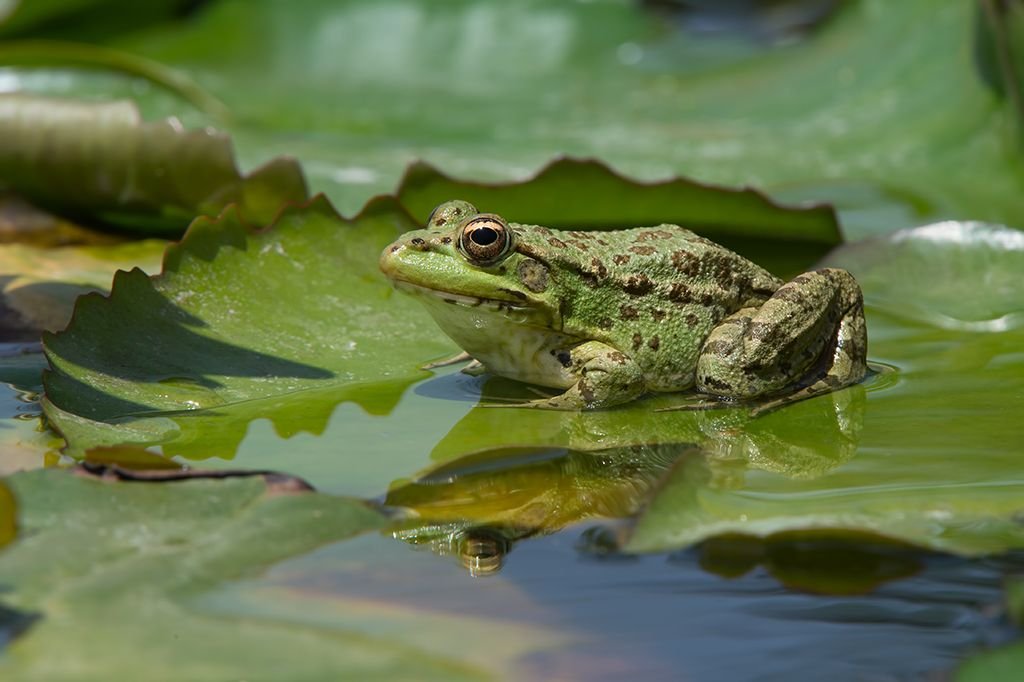
Scientific Name: Anura
Class: Amphibia
Diet: Carnivore
The frog is a classic tailless animal, so much so that its entire order, Anura, means “without tail.” While tadpoles have tails, adult frogs lose them completely during metamorphosis.
Interestingly, adult frogs rely on powerful hind legs rather than a tail for movement. These muscular limbs let them leap great distances, swim swiftly, and escape predators in an instant.
Frogs inhabit nearly every habitat on Earth, from rainforests to deserts, always staying close to moisture, and feed on insects and other small invertebrates.
As both predator and prey, frogs are vital indicators of environmental health. Pollution, habitat loss, and disease threaten amphibians worldwide.
Fun Fact: Some frogs can leap more than 20 times their own body length in a single jump.
Manx Cat
Scientific Name: Felis catus
Class: Mammalia
Diet: Carnivore
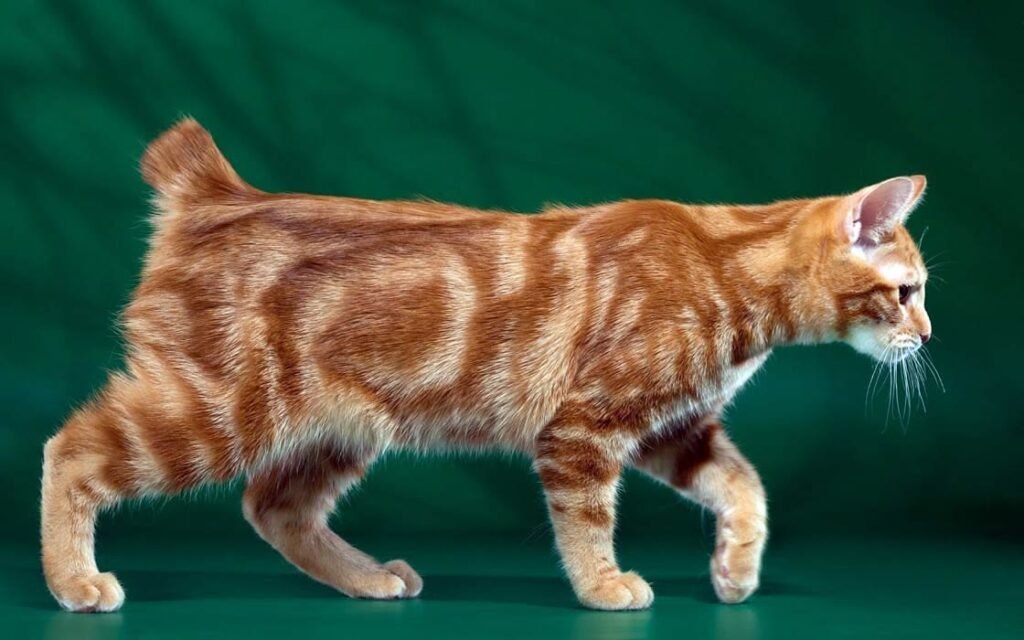
The Manx cat is a distinctive domestic breed famous for having no tail, the result of a natural genetic mutation. Some Manx cats are completely tailless, while others have only a small stub.
Moreover, the Manx cat balances perfectly well without a tail, using its strong, rounded body and powerful hind legs. It is known for its playful, dog-like personality and agility.
Originating on the Isle of Man, the Manx cat is now kept as a companion around the world, thriving in homes as a domestic pet.
As a domesticated breed, the Manx shows how taillessness can arise and persist through selective breeding. Responsible care helps avoid the health issues linked to the tailless gene.
Fun Fact: The Manx cat’s taillessness comes from a single gene that also gives it unusually long hind legs.
Hedgehog
Scientific Name: Erinaceus europaeus
Class: Mammalia
Diet: Omnivore
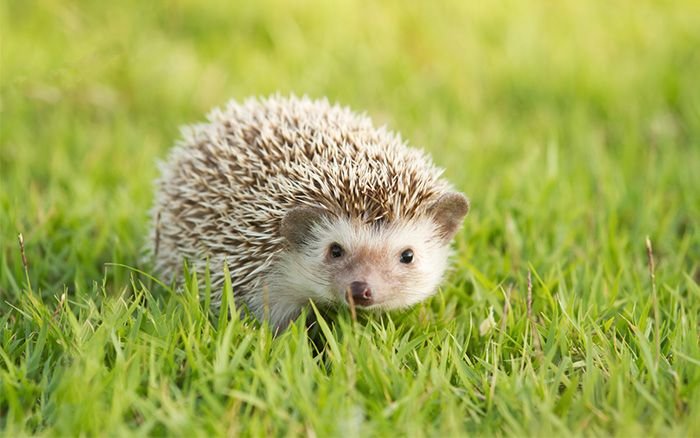
The hedgehog is a small, spiny mammal that appears entirely tailless, with only a tiny tail hidden beneath its coat of quills. Its rounded body relies on spines and posture, not a tail, for defense.
Interestingly, when threatened, a hedgehog curls into a tight, prickly ball, tucking away its head, legs, and stubby tail. This clever defense makes a tail unnecessary for survival.
Hedgehogs inhabit woodlands, hedgerows, gardens, and grasslands across Europe, Asia, and Africa, feeding on insects, worms, and other small creatures.
As natural pest controllers, hedgehogs are valuable garden allies. Populations in some regions are declining due to habitat loss, roads, and pesticide use.
Fun Fact: A single hedgehog can have around 5,000 spines, each lasting about a year before being replaced.
Brown Bear
Scientific Name: Ursus arctos
Class: Mammalia
Diet: Omnivore
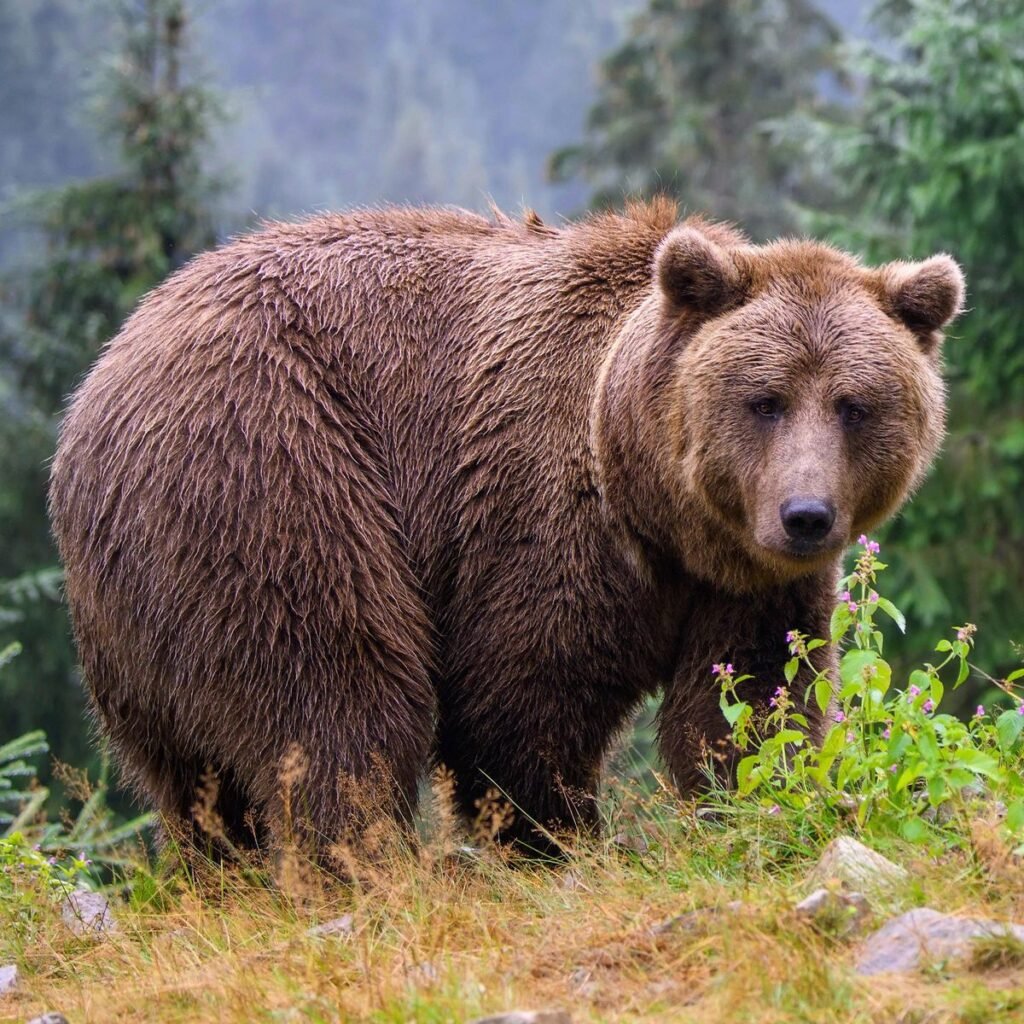
The brown bear appears to have no tail, with only a short, stubby remnant almost hidden in its thick fur. Its massive, powerful body needs no tail for balance or movement.
Moreover, the brown bear relies on sheer strength and keen senses rather than a tail. Its muscular build lets it run, climb, and swim with surprising agility despite its bulk.
Brown bears inhabit forests, mountains, and tundra across North America, Europe, and Asia, feeding on berries, plants, fish, and small mammals.
As apex omnivores, brown bears shape their ecosystems by dispersing seeds and controlling prey. Widespread but locally threatened, they depend on large, wild habitats.
Fun Fact: Despite weighing hundreds of pounds, a brown bear can run at speeds up to 35 miles per hour.
Starfish

Scientific Name: Asterias rubens
Class: Asteroidea
Diet: Carnivore
The starfish, or sea star, is a marine invertebrate with a radial body and no tail at all. Its arms extend symmetrically from a central disc, giving it a shape unlike any tailed animal.
What sets the starfish apart is its unique method of movement. Instead of a tail, it uses hundreds of tiny tube feet powered by a water-based system to glide across the seafloor.
Starfish inhabit oceans worldwide, from shallow tide pools to the deep sea, feeding on clams, mussels, and other slow-moving prey.
As predators, starfish help shape marine communities and control shellfish populations. Warming seas and disease outbreaks threaten some starfish species.
Fun Fact: A starfish can regrow a lost arm, and some species can regenerate an entire body from a single limb.
Octopus
Scientific Name: Octopus vulgaris
Class: Cephalopoda
Diet: Carnivore
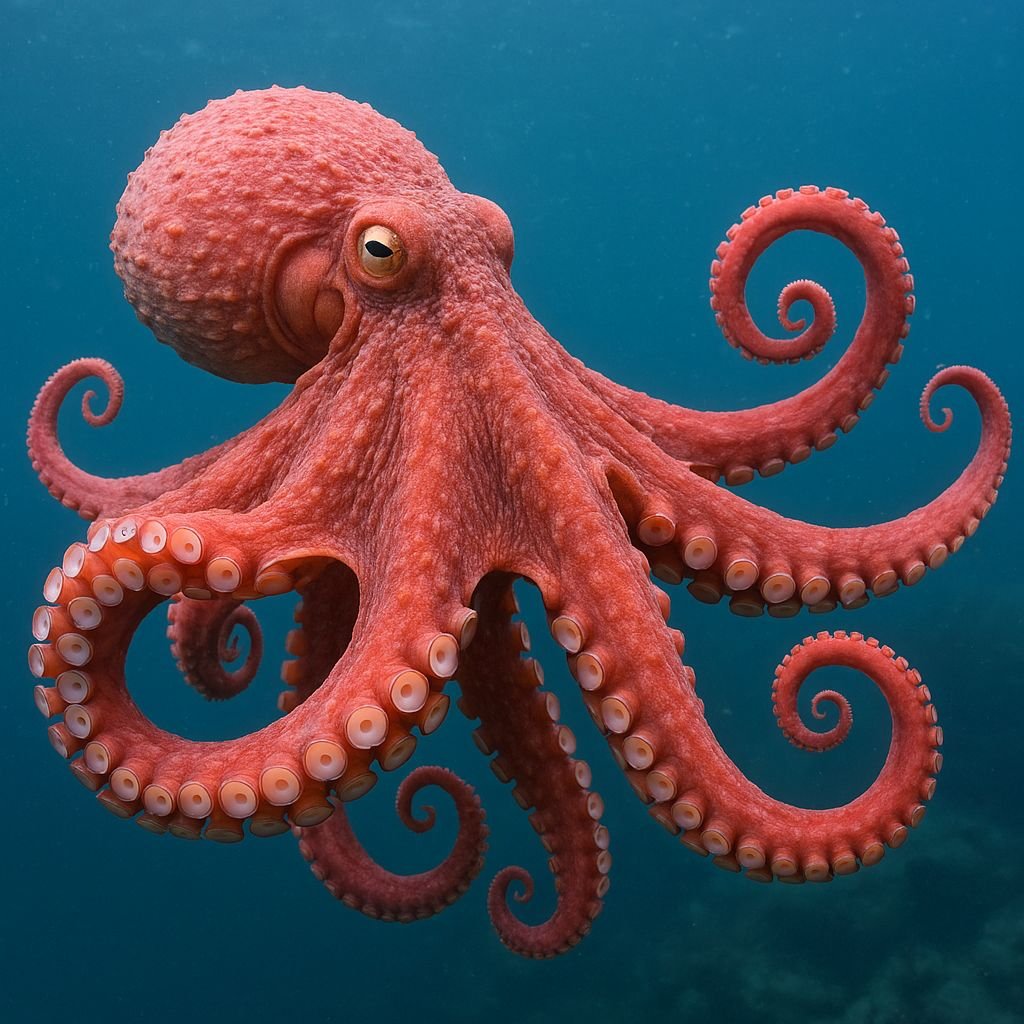
The octopus is a soft-bodied marine animal with eight arms and no tail whatsoever. Its boneless, flexible body lets it move and hunt without any need for a tail.
Interestingly, the octopus is one of the most intelligent invertebrates on Earth. It jets through the water by expelling water from its body and uses its arms to crawl, grip, and manipulate objects.
Octopuses inhabit oceans around the world, from coral reefs to rocky seabeds, ambushing crabs, shrimp, and mollusks.
As both predator and prey, the octopus is a key part of marine food webs. Overfishing and habitat degradation threaten some octopus populations.
Fun Fact: An octopus has three hearts and blue blood, and can squeeze through nearly any gap larger than its beak.
Sea Urchin
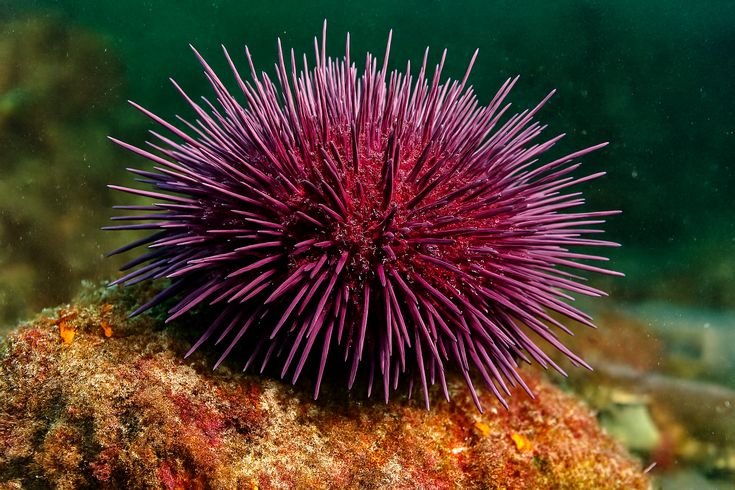
Scientific Name: Echinus esculentus
Class: Echinoidea
Diet: Herbivore
The sea urchin is a spiny, round marine invertebrate with no tail and no clear front or back. Its globe-shaped body is covered in movable spines that provide protection and help it move.
Moreover, the sea urchin travels using tiny tube feet and its spines rather than a tail. It grazes slowly across the seabed, scraping algae from rocks with a specialized mouth.
Sea urchins inhabit oceans worldwide, from shallow reefs to the deep sea, feeding mainly on algae and kelp.
As grazers, sea urchins help regulate algae and shape underwater ecosystems. When their predators decline, urchin numbers can explode and damage kelp forests.
Fun Fact: A sea urchin’s mouth, called “Aristotle’s lantern,” has five tooth-like plates that never stop growing.
Jellyfish
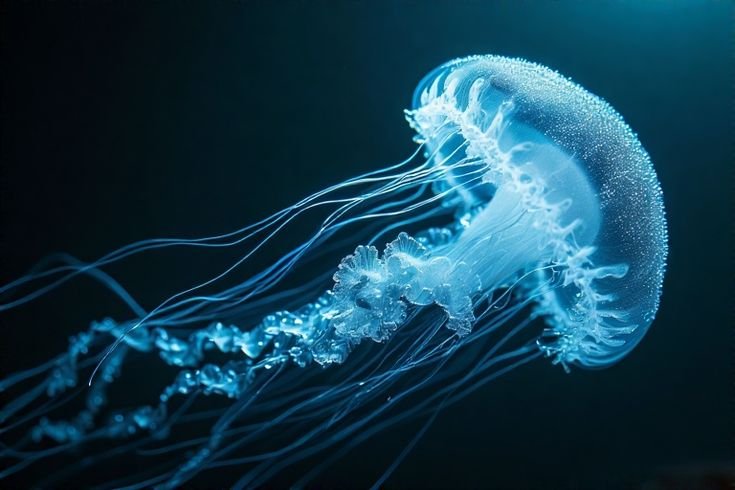
Scientific Name: Aurelia aurita
Class: Scyphozoa
Diet: Carnivore
The jellyfish is one of the ocean’s most ancient animals, drifting through the water with a bell-shaped body and no tail. Instead of a tail, it trails delicate tentacles beneath its pulsing dome.
Interestingly, the jellyfish moves by rhythmically contracting its bell to push itself along, letting ocean currents do much of the work. It has no tail, brain, heart, or bones.
Jellyfish inhabit every ocean on Earth, from sunlit surface waters to the deep sea, feeding on plankton, fish eggs, and small fish.
As both predator and prey, jellyfish are important to marine food webs. Warming seas and pollution are causing some jellyfish populations to surge dramatically.
Fun Fact: Jellyfish have existed for more than 500 million years, long before dinosaurs roamed the Earth.
Read: How High Can a Golden Eagle Fly
Read: Badgers in Maine
Read: Loyal Animals in the World
Read: Animals That Live in Swamps
Read: Animals with Wings That Can’t Fly
Frequently Asked Questions
Conclusion
From knuckle-walking gorillas to drifting jellyfish, animals with no tails reveal just how adaptable life can be. Each species whether a swinging gibbon, a swimming capybara, or a spiny sea urchin has evolved its own ingenious way to move, balance, and survive without a tail. Their diversity reminds us that there is no single blueprint for success in nature.
One Comment