
Top 20 Most Shy Animals in The World (With Images)
Did you know that some animals are so shy they went unknown to science for centuries, hiding deep in forests and mountains? In the animal kingdom, shyness is far more than timidity it is a brilliant survival strategy. The world’s most shy animals rely on camouflage, silence, solitude, and stealth to avoid predators and thrive unseen.
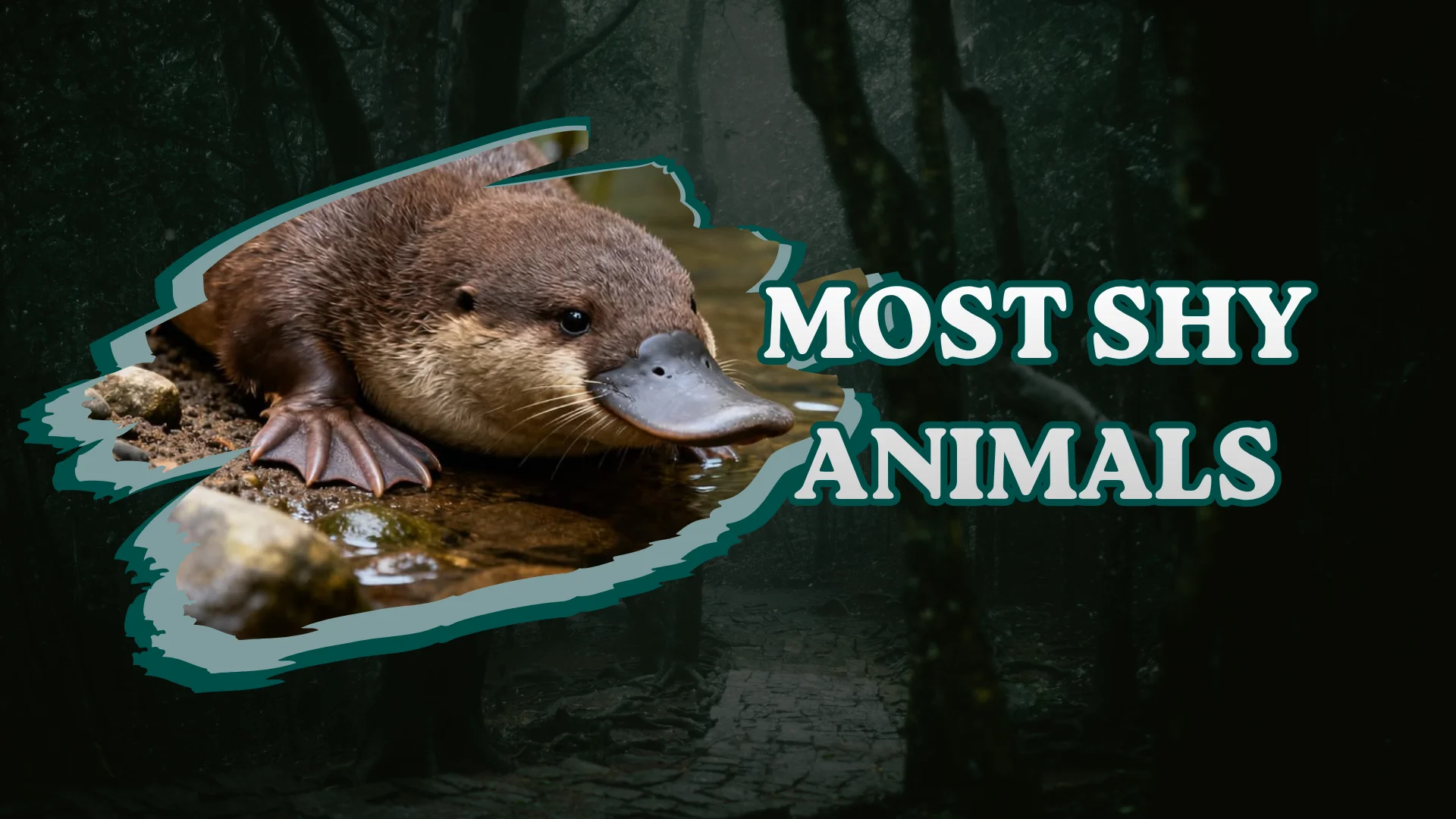
From the elusive “ghost of the mountains” to a creature that curls into a scaly ball at the first hint of danger, these reclusive species are as fascinating as they are rare. In this guide, we’ll explore the top 20 most shy animals in the world, uncovering their secretive lives and why protecting them matters.
List of Most Shy Animals in The World
| Rank | Animal | Scientific Name |
|---|---|---|
| 1 | Red Panda | Ailurus fulgens |
| 2 | Okapi | Okapia johnstoni |
| 3 | Snow Leopard | Panthera uncia |
| 4 | Pangolin | Manis javanica |
| 5 | Sloth | Bradypus variegatus |
| 6 | Clouded Leopard | Neofelis nebulosa |
| 7 | Platypus | Ornithorhynchus anatinus |
| 8 | Quokka | Setonix brachyurus |
| 9 | Giant Panda | Ailuropoda melanoleuca |
| 10 | Fennec Fox | Vulpes zerda |
| 11 | Aardvark | Orycteropus afer |
| 12 | Tapir | Tapirus terrestris |
| 13 | Slow Loris | Nycticebus coucang |
| 14 | Aye-aye | Daubentonia madagascariensis |
| 15 | Duiker | Sylvicapra grimmia |
| 16 | European Mole | Talpa europaea |
| 17 | Numbat | Myrmecobius fasciatus |
| 18 | Pika | Ochotona princeps |
| 19 | Dik-dik | Madoqua kirkii |
| 20 | Binturong | Arctictis binturong |
Red Panda
Scientific Name: Ailurus fulgens
Class: Mammalia
Diet: Herbivore
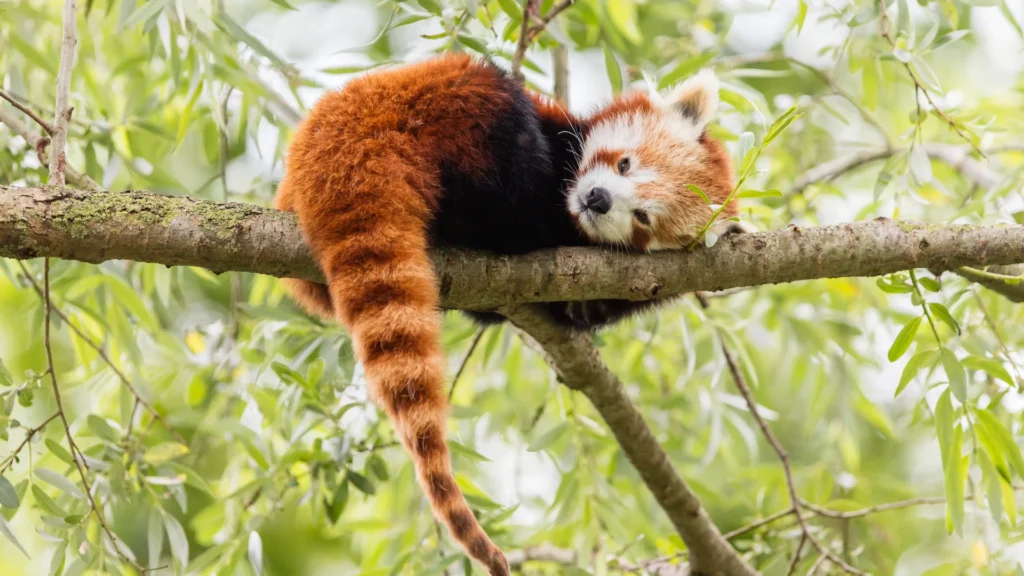
The red panda is a small, shy mammal that spends most of its life high in the treetops, curled on branches or tucked inside tree hollows. Its reclusive nature makes it a rare and treasured sight.
Interestingly, the red panda is solitary and mostly active at dawn and dusk, avoiding attention whenever possible. When threatened, it retreats upward into the canopy, relying on stealth rather than confrontation.
Red pandas inhabit the cool temperate forests of the Himalayas and southwestern China, feeding mainly on bamboo, along with berries, insects, and eggs.
As bamboo eaters, red pandas are part of the delicate balance of their forest homes. Habitat loss and poaching have made them Endangered.
Fun Fact: A red panda’s tree hollow makes the perfect hiding spot for such a shy, solitary animal.
Okapi
Scientific Name: Okapia johnstoni
Class: Mammalia
Diet: Herbivore
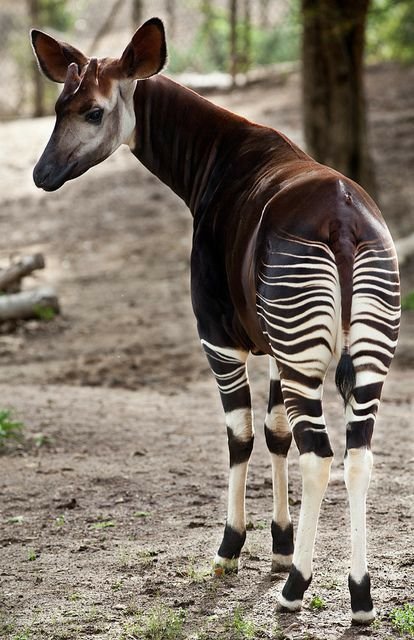
The okapi is so elusive that it remained unknown to the Western world until the 20th century. With a velvety brown coat and zebra-striped legs, this shy forest dweller is a master of staying hidden.
Moreover, the okapi lives a solitary, secretive life in some of the darkest, densest forests on Earth. Its striped hindquarters help it vanish into the dappled shadows of the rainforest.
The okapi is found only in the Ituri Rainforest of the Democratic Republic of Congo, browsing on leaves, buds, and fruit.
As a browser, the okapi helps shape its forest habitat. Habitat loss and civil unrest have made this elusive giraffe relative Endangered.
Fun Fact: Despite its zebra-like stripes, the okapi’s closest living relative is actually the giraffe.
Snow Leopard
Scientific Name: Panthera uncia
Class: Mammalia
Diet: Carnivore
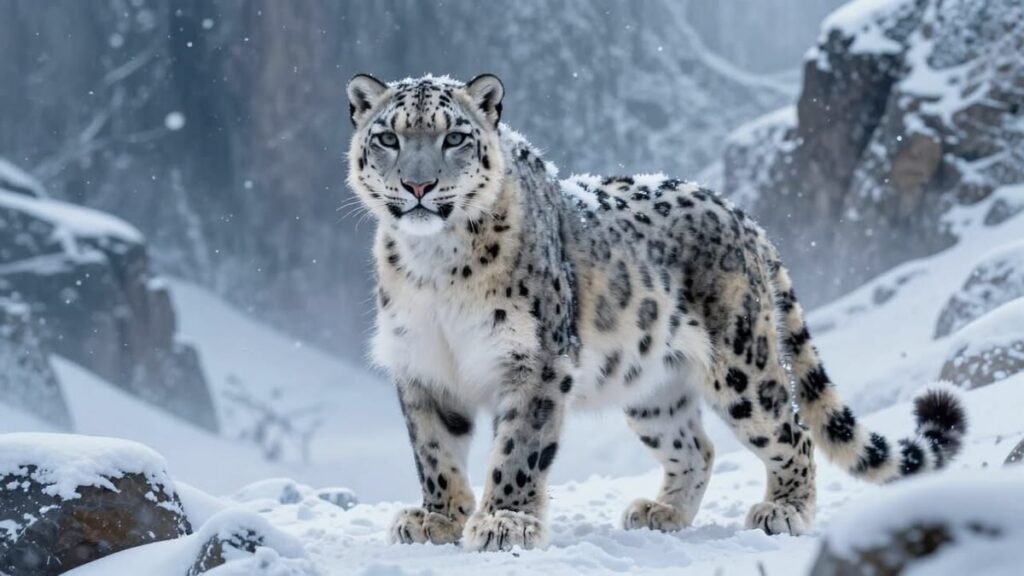
The snow leopard is so rarely seen that it is famously called the “ghost of the mountains.” This shy, solitary big cat roams vast mountain territories entirely alone, almost never encountered by humans.
Interestingly, the snow leopard is a secretive, patient hunter, stalking prey in silence across steep slopes. Its thick, spotted coat provides perfect camouflage against the rocky, snowy landscape.
Snow leopards inhabit the rugged mountains of Central and South Asia, hunting blue sheep, ibex, and other high-altitude animals.
As apex predators, snow leopards keep mountain ecosystems in balance. Poaching, habitat loss, and climate change have made them Vulnerable.
Fun Fact: Snow leopards are so elusive that scientists often rely on camera traps just to confirm their presence.
Pangolin
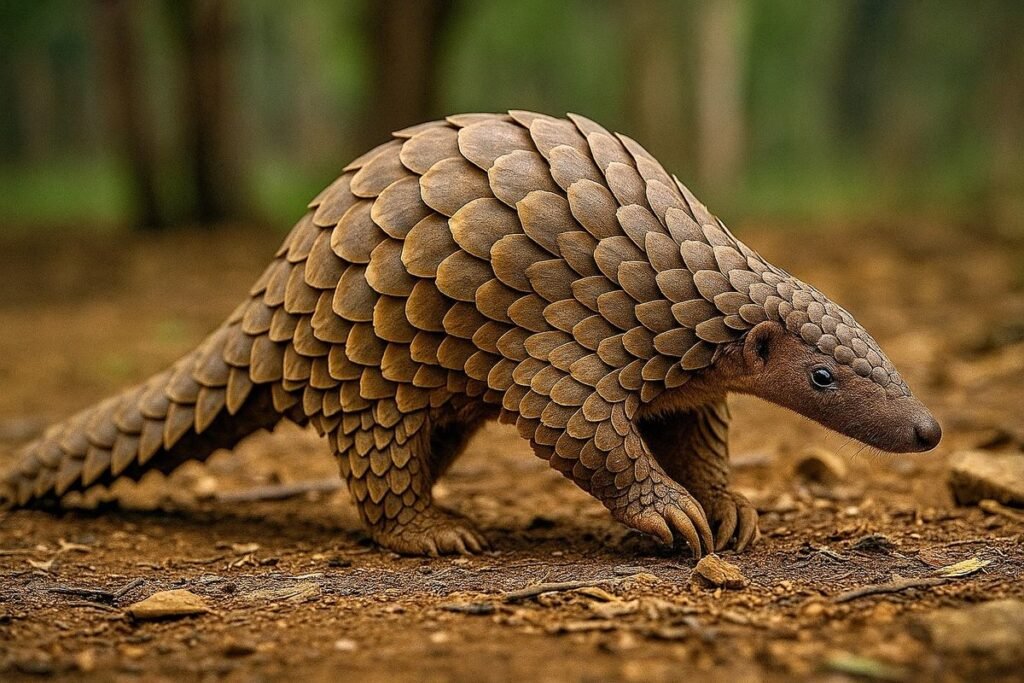
Scientific Name: Manis javanica
Class: Mammalia
Diet: Insectivore
The pangolin is a shy, nocturnal mammal famous for curling into a tight, scaly ball at the slightest hint of danger. Covered in tough, overlapping scales, it is the only mammal with such armor.
Moreover, the pangolin is intensely secretive, foraging quietly at night and hiding in burrows by day. Rather than fight, it relies on its armor and its instinct to roll up and stay perfectly still.
Pangolins inhabit the forests and grasslands of Asia and Africa, feeding on ants and termites with their long, sticky tongues.
As insect-eaters, pangolins help regulate ant and termite numbers. Tragically, they are the most trafficked mammals on Earth and are Critically Endangered.
Fun Fact: A pangolin’s protective scales are made of keratin, the same material as human fingernails.
Sloth
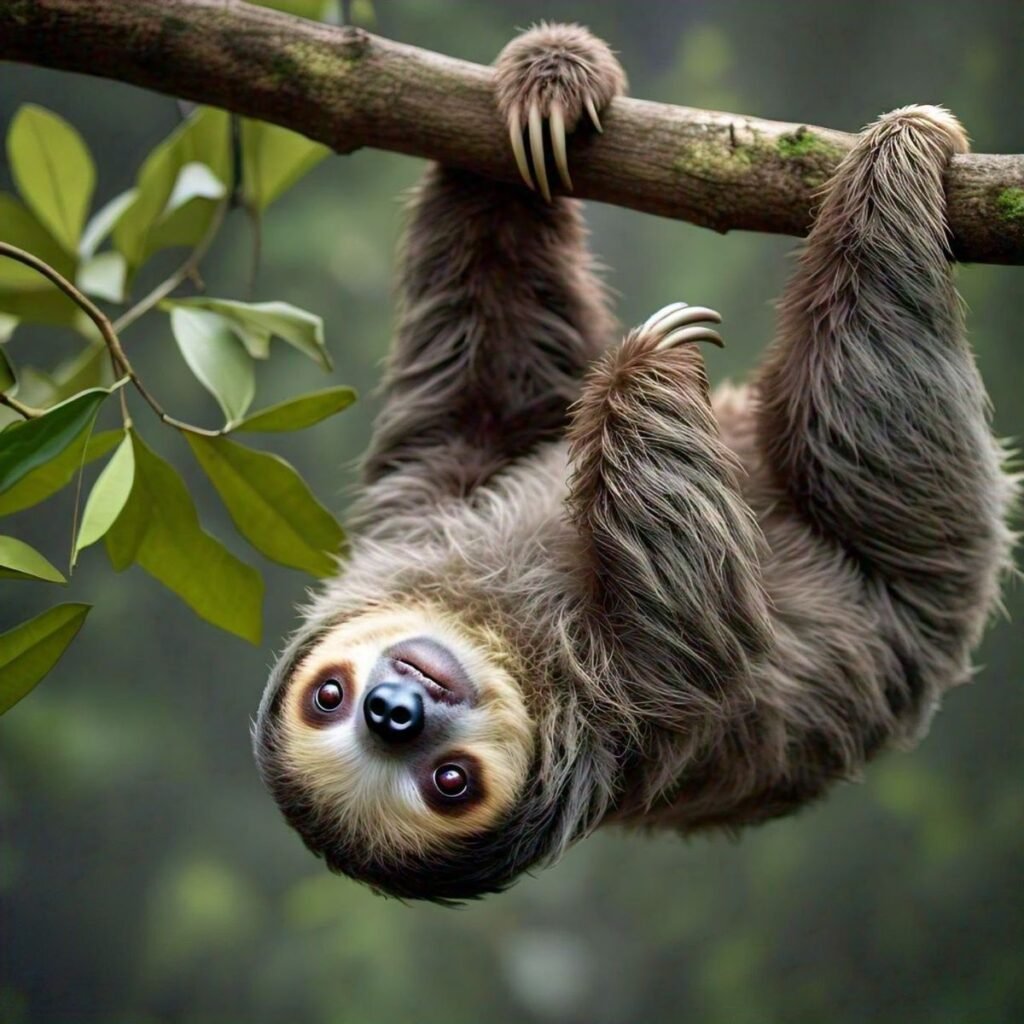
Scientific Name: Bradypus variegatus
Class: Mammalia
Diet: Herbivore
The sloth is the ultimate introvert, living a slow, solitary, and reclusive life high in the trees. It is so shy and quiet that even its movements are designed to go completely unnoticed.
Interestingly, the sloth’s extreme slowness is a form of hiding in plain sight. By moving almost imperceptibly, and with algae growing on its fur for camouflage, it avoids drawing the attention of predators.
Sloths inhabit the tropical rainforests of Central and South America, spending nearly their entire lives in the canopy, feeding on leaves and buds.
As gentle herbivores, sloths support a tiny ecosystem in their fur. Deforestation is their greatest threat, shrinking the trees they depend on.
Fun Fact: A sloth moves so slowly and quietly that predators relying on motion often fail to spot it entirely.
Clouded Leopard
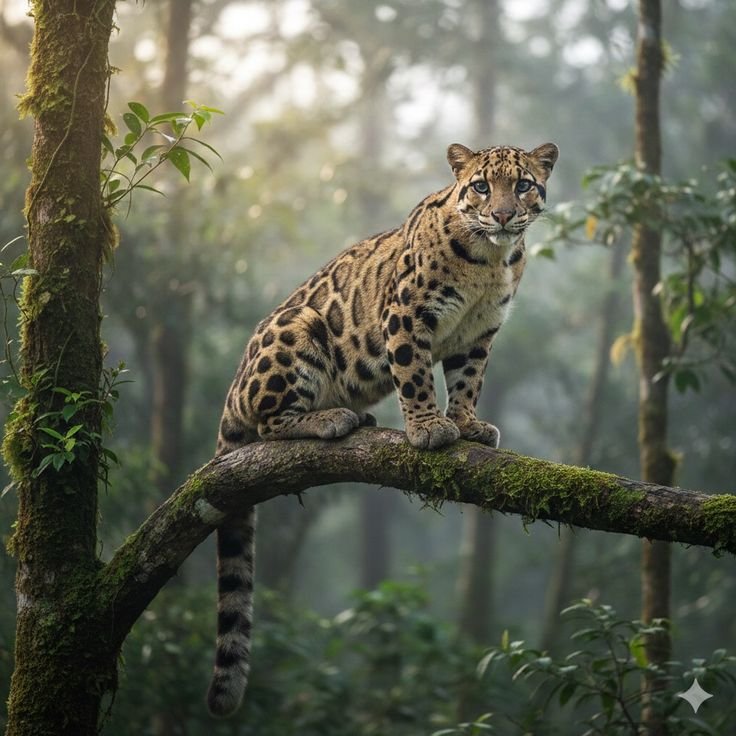
Scientific Name: Neofelis nebulosa
Class: Mammalia
Diet: Carnivore
The clouded leopard is one of the most secretive and rarely seen wild cats in the world. Named for the cloud-like patches on its coat, this shy predator is mostly active under the cover of night.
Moreover, the clouded leopard avoids humans and spends much of its time hidden in trees. Its beautiful camouflage and elusive habits make sightings in the wild extremely uncommon.
Clouded leopards inhabit the dense forests of Southeast Asia and the foothills of the Himalayas, hunting birds, monkeys, and small mammals.
As stealthy predators, clouded leopards help maintain balance in their forest ecosystems. Habitat loss and poaching have made them Vulnerable.
Fun Fact: The clouded leopard has the longest canine teeth relative to skull size of any living cat.
Platypus
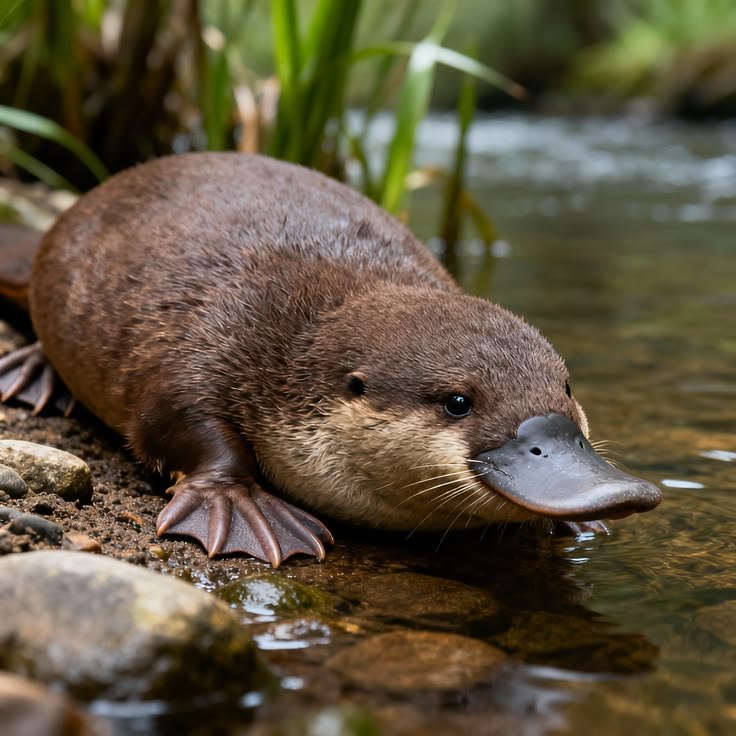
Scientific Name: Ornithorhynchus anatinus
Class: Mammalia
Diet: Carnivore
The platypus is a shy, largely solitary egg-laying mammal whose elusive nature makes it wary of humans. At the slightest disturbance, it quickly retreats to the safety of its riverbank burrow.
Interestingly, the platypus is most active at dawn and dusk, foraging quietly underwater with its eyes closed. It hunts using electroreception, sensing the tiny electrical signals of its prey.
Platypuses inhabit the freshwater rivers and streams of eastern Australia, feeding on insects, larvae, and small crustaceans.
As freshwater foragers, platypuses reflect the health of their waterways. Habitat loss and drought have made them Near Threatened.
Fun Fact: The male platypus has venomous spurs on its hind legs, making it one of the few venomous mammals.
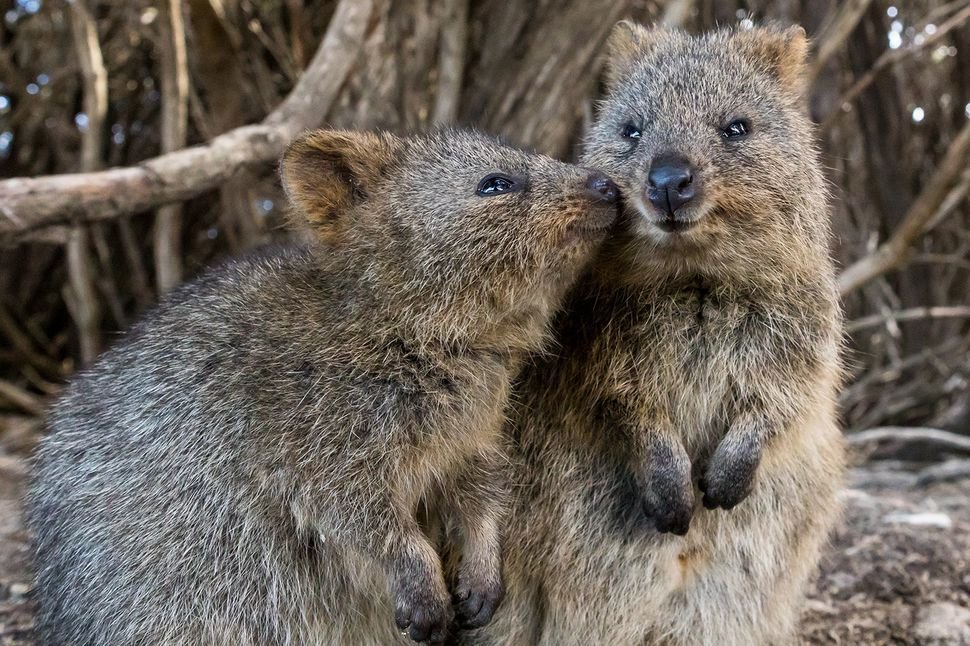
Quokka
Scientific Name: Setonix brachyurus
Class: Mammalia
Diet: Herbivore
The quokka may be famous for its “smile,” but it is naturally shy and reclusive. It prefers to live in dense scrubland, away from noise and disturbance, emerging mainly at dawn and dusk.
Moreover, the quokka is a solitary herbivore that keeps a low profile in thick vegetation. Its shy habits help it avoid predators while it forages quietly for food.
Quokkas live on a few islands and small mainland areas off Western Australia, especially Rottnest Island, feeding on grasses, leaves, and shrubs.
As grazers, quokkas play a role in shaping their island vegetation. Habitat loss and introduced predators have made them Vulnerable.
Fun Fact: Though it looks happy in photos, the quokka is actually a shy animal that prefers hidden, quiet habitats.
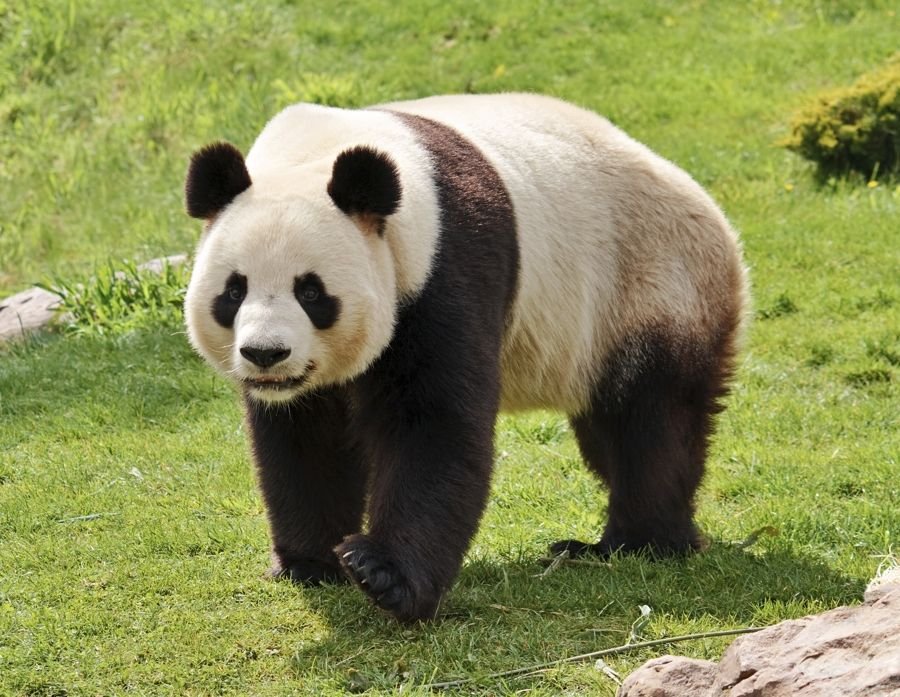
Giant Panda
Scientific Name: Ailuropoda melanoleuca
Class: Mammalia
Diet: Herbivore
The giant panda embodies shyness, preferring solitude and the seclusion of dense bamboo forests. Reserved and elusive, it spends most of its time alone, quietly munching bamboo.
Interestingly, wild pandas avoid contact with other pandas outside the breeding season. Their reclusive lifestyle in remote mountain forests makes them difficult to observe in the wild.
Giant pandas inhabit the misty mountain forests of central China, depending almost entirely on bamboo for food.
As bamboo consumers, pandas help shape forest growth. Thanks to conservation efforts, they were downgraded from endangered to Vulnerable, though threats remain.
Fun Fact: A giant panda spends up to 14 hours a day quietly eating bamboo in the solitude of the forest.
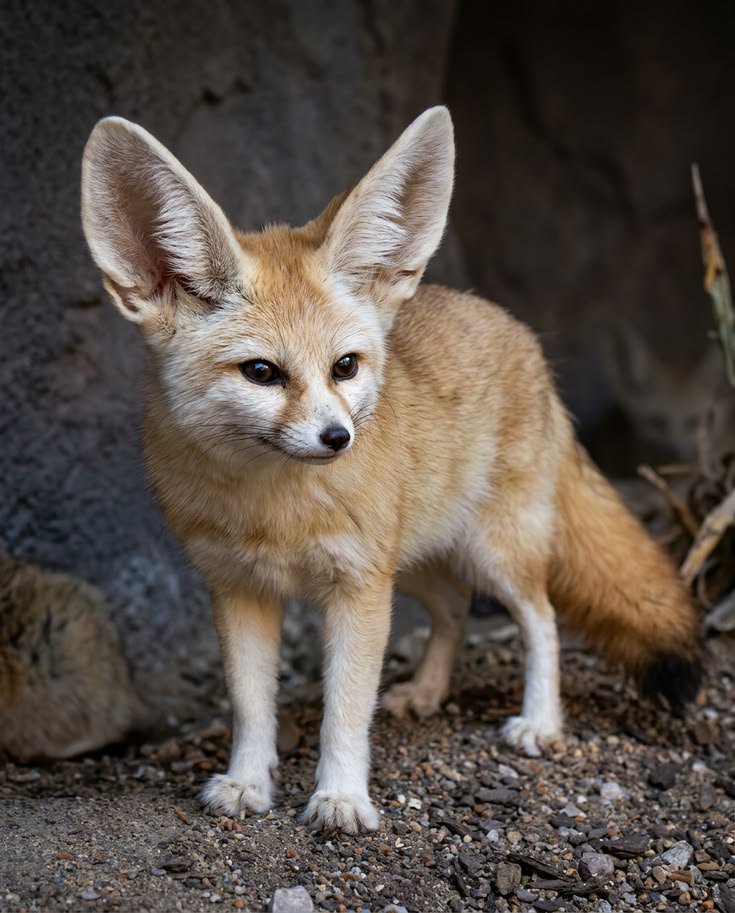
Fennec Fox
Scientific Name: Vulpes zerda
Class: Mammalia
Diet: Omnivore
The fennec fox is the smallest fox in the world and a quiet, cautious creature that keeps a low profile. It relies on its keen senses to detect danger and slip away unseen.
Moreover, the fennec fox is nocturnal, spending hot days hidden in cool underground burrows and emerging under the safety of darkness. Its shy, alert nature helps it survive the harsh desert.
Fennec foxes inhabit the deserts and sandy regions of North Africa, feeding on insects, small animals, eggs, and plants.
As small desert predators, fennec foxes help control insect and rodent populations. Currently of Least Concern, they are sometimes threatened by the pet trade.
Fun Fact: The fennec fox’s huge ears help it hear prey moving underground and release excess body heat.
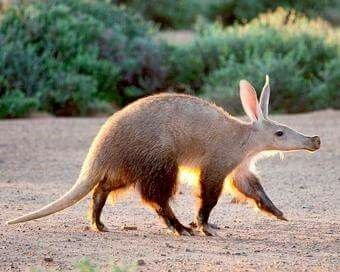
Aardvark
Scientific Name: Orycteropus afer
Class: Mammalia
Diet: Insectivore
The aardvark is a shy, nocturnal mammal rarely seen by people, spending its days hidden deep within burrows. This secretive creature emerges only after dark to search for food.
Interestingly, the aardvark is solitary and cautious, using powerful claws to dig and a long snout to sniff out insects. At the first sign of danger, it can burrow out of sight with astonishing speed.
Aardvarks inhabit the savannas, grasslands, and woodlands of sub-Saharan Africa, feeding almost entirely on ants and termites.
As insect-eaters, aardvarks help control ant and termite populations, and their burrows shelter many other animals. They are currently of Least Concern.
Fun Fact: An aardvark can dig itself completely out of sight in just a few minutes when threatened.
Tapir
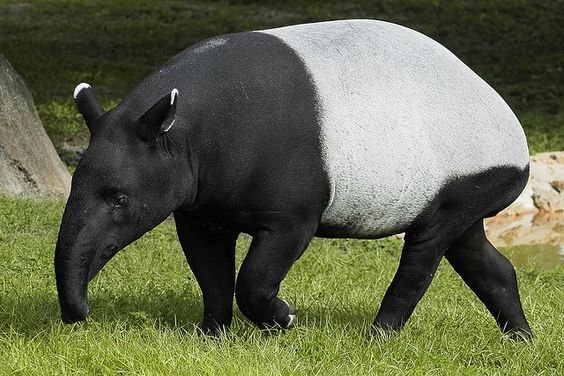
Scientific Name: Tapirus terrestris
Class: Mammalia
Diet: Herbivore
The tapir is a large but remarkably shy and secretive forest animal. Despite its size, it moves quietly through dense vegetation and prefers to avoid contact with humans.
Moreover, the tapir is mostly nocturnal and solitary, often staying near water where it can quickly dive to escape predators. Its shy nature keeps it hidden in the thickest parts of the forest.
Tapirs inhabit the rainforests and grasslands of South America, feeding on fruit, leaves, and aquatic plants.
As seed dispersers, tapirs are vital “gardeners” of the rainforest. Habitat loss and hunting have made the South American tapir Vulnerable.
Fun Fact: A tapir’s flexible, trunk-like snout is used to grab leaves and even acts as a snorkel underwater.
Slow Loris
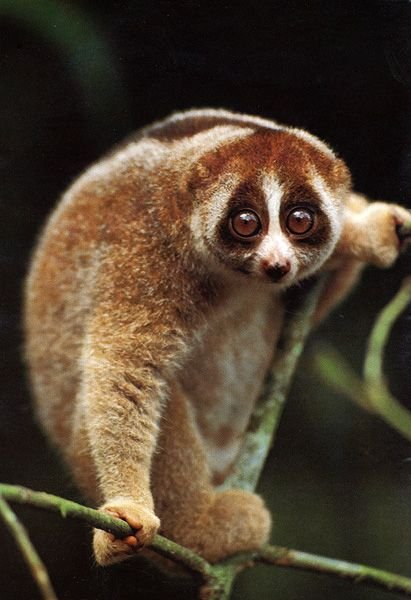
Scientific Name: Nycticebus coucang
Class: Mammalia
Diet: Omnivore
The slow loris is a shy, nocturnal primate that creeps quietly through the forest under the cover of darkness. Its slow, deliberate movements help it avoid detection by predators and prey alike.
Interestingly, the slow loris relies on stealth and stillness rather than speed. When threatened, it freezes or moves with hypnotic slowness, staying hidden among the branches.
Slow lorises inhabit the tropical forests of Southeast Asia, feeding on insects, fruit, nectar, and tree gum.
As quiet foragers, slow lorises help disperse seeds and control insects. Habitat loss and the illegal pet trade have made several species Endangered.
Fun Fact: The slow loris is one of the world’s only venomous mammals, producing a toxin from glands near its elbows.
Aye-aye
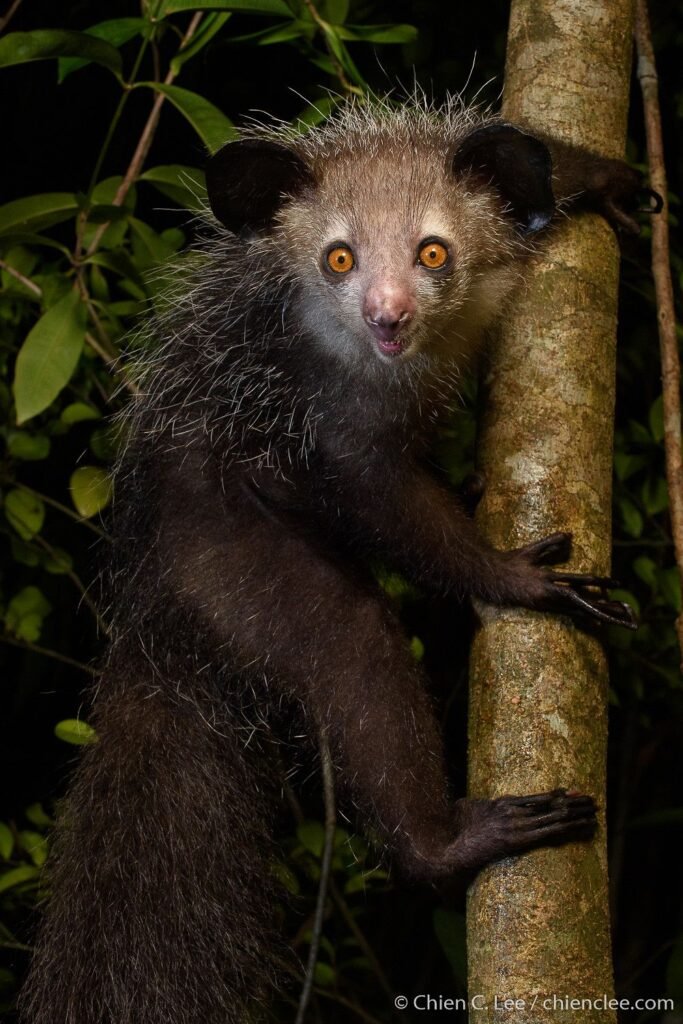
Scientific Name: Daubentonia madagascariensis
Class: Mammalia
Diet: Omnivore
The aye-aye is a strange, shy, nocturnal primate that hides in the treetops and is rarely seen by humans. Its secretive habits and eerie appearance long made it a creature of myth.
Moreover, the aye-aye forages alone in the dark, tapping on wood to find hidden grubs. Its shy, solitary nature keeps it well hidden in the dense forest canopy.
Aye-ayes inhabit the rainforests of Madagascar, foraging for insect larvae, fruit, and seeds using a specialized, elongated middle finger.
As unique foragers, aye-ayes fill an ecological niche like a woodpecker’s. Habitat loss and persecution have made them Endangered.
Fun Fact: The aye-aye uses its long, thin middle finger to fish grubs out of tree bark, tapping to find them first.
Duiker
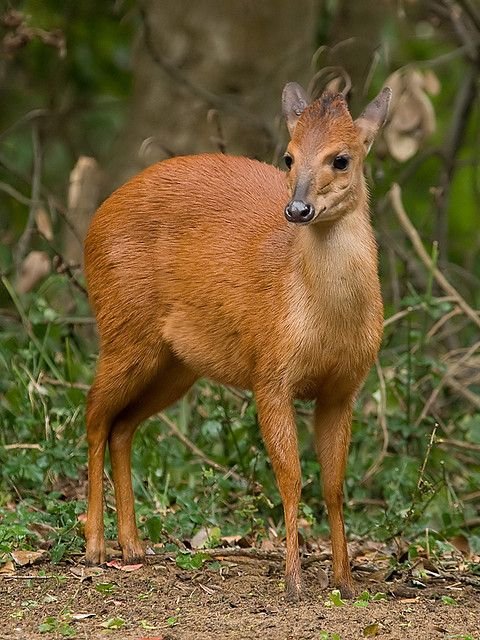
Scientific Name: Sylvicapra grimmia
Class: Mammalia
Diet: Herbivore
The duiker is a small, extremely shy forest antelope that darts for cover at the slightest disturbance. Its name comes from a word meaning “diver,” describing how it dives into dense undergrowth to hide.
Interestingly, the duiker is solitary and secretive, freezing or fleeing into thick vegetation when threatened. Its small size and quiet habits help it slip away unnoticed.
Duikers inhabit the forests, savannas, and bushlands of sub-Saharan Africa, feeding on leaves, fruit, and shoots.
As browsers and seed dispersers, duikers play a role in their ecosystems. The common duiker is widespread and of Least Concern, though some forest species are threatened.
Fun Fact: The duiker’s name means “diver,” reflecting its habit of diving into bushes to escape danger.
European Mole
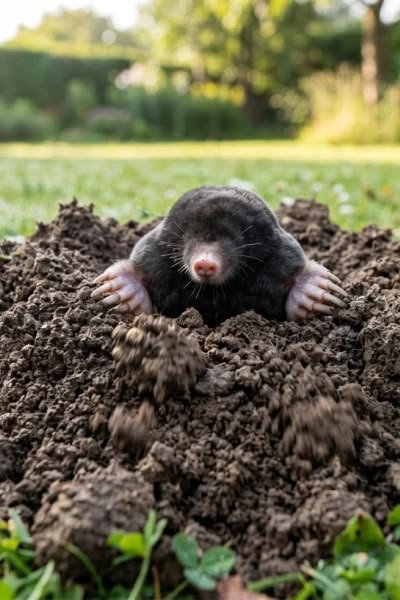
Scientific Name: Talpa europaea
Class: Mammalia
Diet: Insectivore
The European mole is a shy, secretive creature that spends almost its entire life hidden underground. It is so reclusive that most people never see one, only the molehills it leaves behind.
Moreover, the mole is solitary and rarely comes to the surface, tunneling through the soil in near-total darkness. Its hidden lifestyle keeps it safe from most predators.
European moles inhabit grasslands, forests, and farmland across Europe and parts of Asia, feeding mainly on earthworms and insects.
As soil engineers, moles aerate the earth and help control insect pests. They are widespread and currently of Least Concern.
Fun Fact: A mole can dig a tunnel system stretching many meters in a single night in search of earthworms.
Numbat
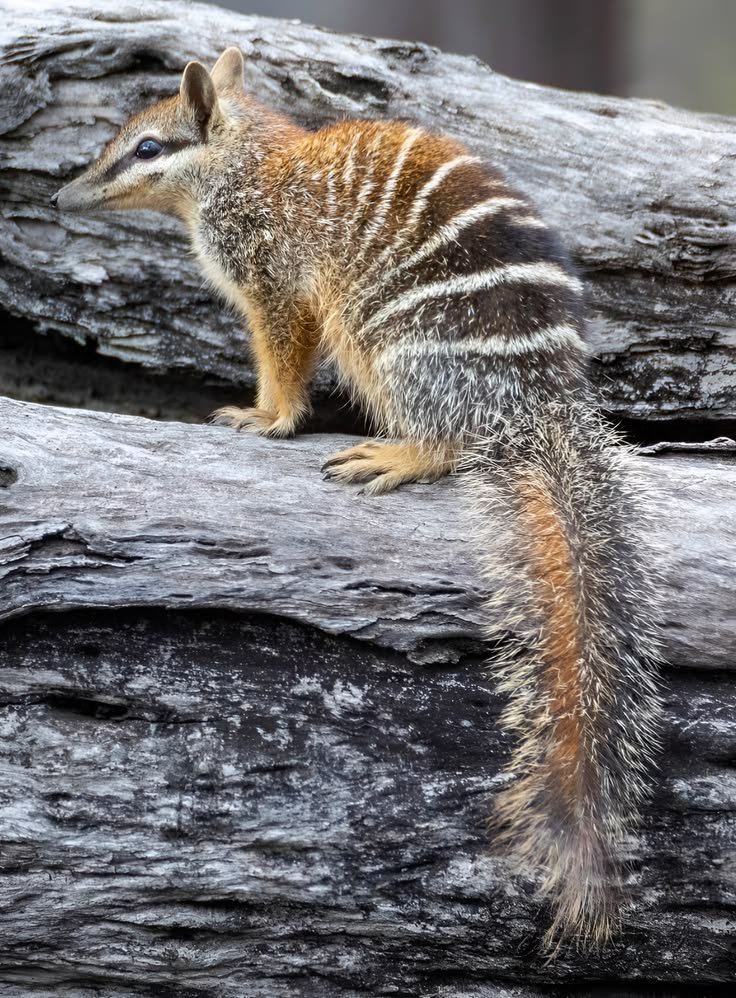
Scientific Name: Myrmecobius fasciatus
Class: Mammalia
Diet: Insectivore
The numbat is a small, shy marsupial with distinctive white stripes across its back. Reclusive and easily startled, it is rarely seen in the wild and quickly darts for cover when disturbed.
Interestingly, unlike most marsupials, the numbat is active by day, quietly searching for termites. It shelters in hollow logs and burrows, staying hidden from predators.
Numbats inhabit the eucalyptus woodlands of southwestern Australia, feeding almost exclusively on termites.
As termite specialists, numbats help control termite populations. Habitat loss and introduced predators have made them Endangered.
Fun Fact: A numbat can eat up to 20,000 termites in a single day using its long, sticky tongue.
Pika

Scientific Name: Ochotona princeps
Class: Mammalia
Diet: Herbivore
The pika is a small, shy mountain mammal that hides among rocks and darts out of sight at the first sign of danger. Its cautious nature makes it a fleeting glimpse for most hikers.
Moreover, the pika stays alert and close to cover, quickly retreating into crevices when threatened. Its shy habits help it survive in exposed, rocky alpine terrain.
Pikas inhabit rocky mountain slopes across Asia and North America, feeding on grasses, herbs, and wildflowers.
As alpine herbivores, pikas are important prey and sensitive indicators of climate change. Rising temperatures threaten many pika populations.
Fun Fact: Pikas gather “haypiles” of dried plants in summer to survive the long, harsh mountain winter.
Dik-dik
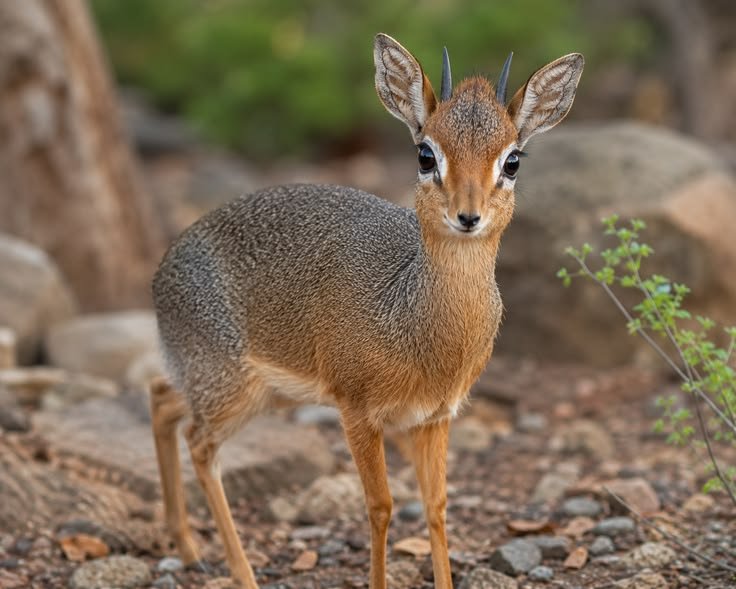
Scientific Name: Madoqua kirkii
Class: Mammalia
Diet: Herbivore
The dik-dik is one of the smallest and shyest antelopes in the world, standing only about knee-high. Timid and easily alarmed, it relies on stealth and quick escapes to survive.
Interestingly, the dik-dik freezes at the first sign of danger, then darts away in a zigzag pattern to confuse predators. It gets its name from the alarm call the female makes when startled.
Dik-diks inhabit the shrublands and savannas of eastern and southern Africa, feeding on leaves, shoots, and fruit.
As small browsers, dik-diks are important prey and part of their ecosystem’s balance. They are currently of Least Concern.
Fun Fact: Dik-diks mate for life and mark their territory with secretions from glands near their eyes.
Binturong
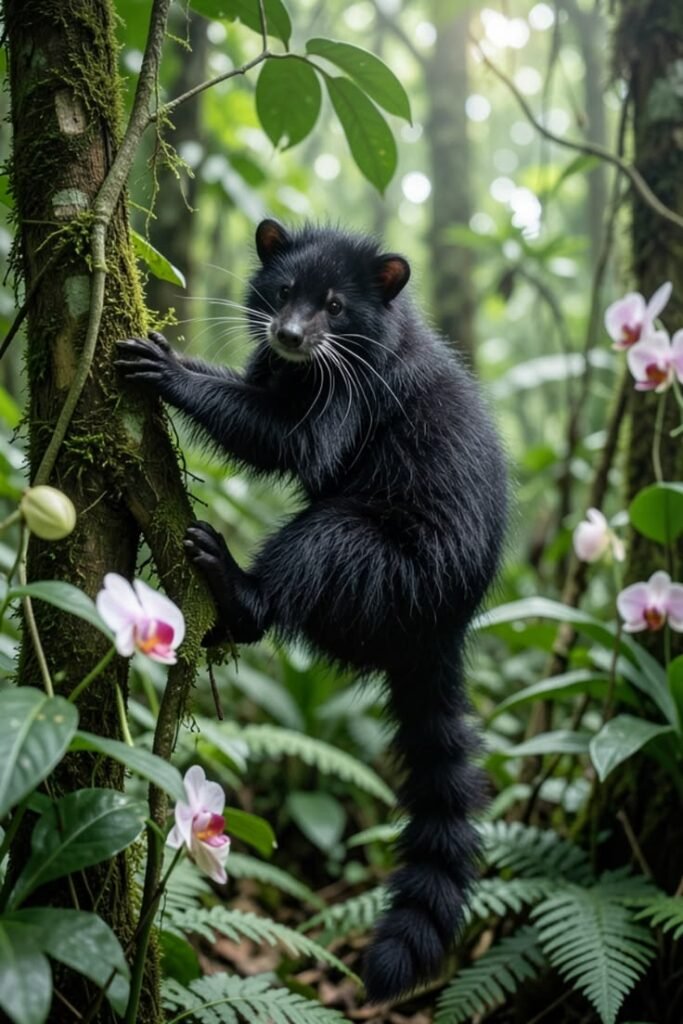
Scientific Name: Arctictis binturong
Class: Mammalia
Diet: Omnivore
The binturong, also called the “bearcat,” is a shy, secretive mammal that spends most of its time hidden in the treetops. Slow-moving and solitary, it is rarely seen in the wild.
Moreover, the binturong is mostly nocturnal, quietly moving through the canopy under cover of darkness. Its shy, reclusive habits keep it well hidden in dense rainforest.
Binturongs inhabit the forests of Southeast Asia, feeding on fruit, small animals, insects, and eggs.
As fruit-eaters, binturongs are important seed dispersers, especially for strangler figs. Habitat loss has made them Vulnerable.
Fun Fact: The binturong is famous for smelling like buttered popcorn, thanks to a compound in its scent markings.
Read: Ugliest Animals in the World
Read: Most Colorful Animals in the World
Read: Animals with Long Tongues
Read: Stubborn Animals in The World
Read: Mischievous Animals in The World
Frequently Asked Questions
Conclusion
From the ghostly snow leopard to the ball-rolling pangolin, the world’s most shy animals prove that timidity can be a powerful survival tool. Each species whether a solitary sloth, a burrowing aardvark, or a treetop binturong uses stealth, silence, and camouflage to thrive unseen. Their elusive lives remind us how much of the natural world remains hidden from view.
2 Comments