
Top 22 Greedy Animals in the World (With Images)
Did you know that a single moth caterpillar can eat up to 86,000 times its own body weight in under two months? The world’s greediest animals have jaw-dropping appetites, gorging, hoarding, and devouring far more than seems possible. Yet this “greed” is rarely simple gluttony it is often a brilliant survival strategy driven by fast metabolisms, harsh seasons, and unpredictable food supplies.
From tiny shrews that starve within hours to giant whales that swallow tons of krill, these ravenous creatures play surprising roles in their ecosystems. In this guide, we’ll explore the top 22 greedy animals in the world, uncovering the fascinating science behind their insatiable hunger.
List of Greedy Animals in the World
| Rank | Animal | Scientific Name |
|---|---|---|
| 1 | Wolverine | Gulo gulo |
| 2 | Honey Badger | Mellivora capensis |
| 3 | Pig | Sus scrofa domesticus |
| 4 | Polyphemus Moth Caterpillar | Antheraea polyphemus |
| 5 | Pygmy Shrew | Sorex hoyi |
| 6 | Hummingbird | Archilochus colubris |
| 7 | Brown Bear | Ursus arctos |
| 8 | Squirrel | Sciurus carolinensis |
| 9 | Griffon Vulture | Gyps fulvus |
| 10 | Blue Whale | Balaenoptera musculus |
| 11 | Desert Locust | Schistocerca gregaria |
| 12 | Burmese Python | Python bivittatus |
| 13 | Weasel | Mustela nivalis |
| 14 | Lion | Panthera leo |
| 15 | Great White Shark | Carcharodon carcharias |
| 16 | Tasmanian Devil | Sarcophilus harrisii |
| 17 | Hamster | Mesocricetus auratus |
| 18 | Goat | Capra aegagrus hircus |
| 19 | Komodo Dragon | Varanus komodoensis |
| 20 | Piranha | Pygocentrus nattereri |
| 21 | Seagull | Larus argentatus |
| 22 | Raccoon | Procyon lotor |
Wolverine
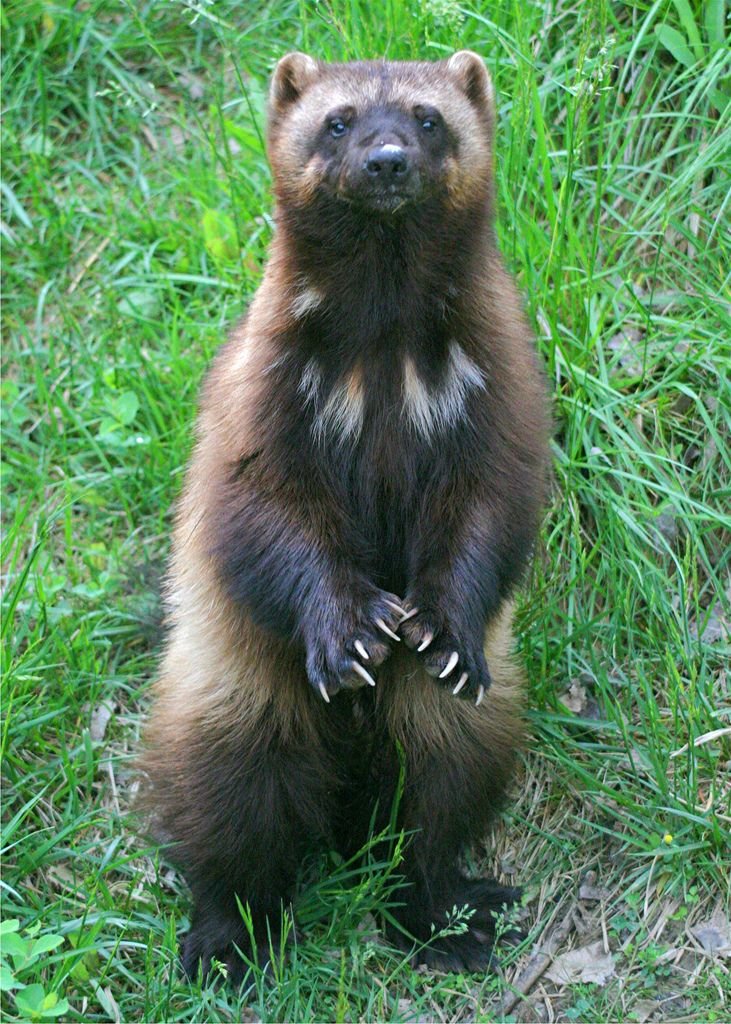
Scientific Name: Gulo gulo
Class: Mammalia
Diet: Carnivore
The wolverine is so notoriously greedy that its scientific name, Gulo gulo, literally means “glutton, glutton.” This stocky, powerful predator has a voracious appetite that far outmatches its size.
Interestingly, the wolverine both scavenges and hoards, dragging away chunks of carrion to store for later. Its incredible strength lets it take down prey much larger than itself, from deer to caribou.
Wolverines inhabit the remote forests and tundra of the northern Hemisphere, roaming vast territories in search of food.
As scavengers and predators, wolverines help clean up carcasses and control prey. Habitat loss and climate change threaten their cold, wild homes.
Fun Fact: A wolverine can crush frozen bones and meat with jaws powerful enough to eat prey solid with ice.
Honey Badger
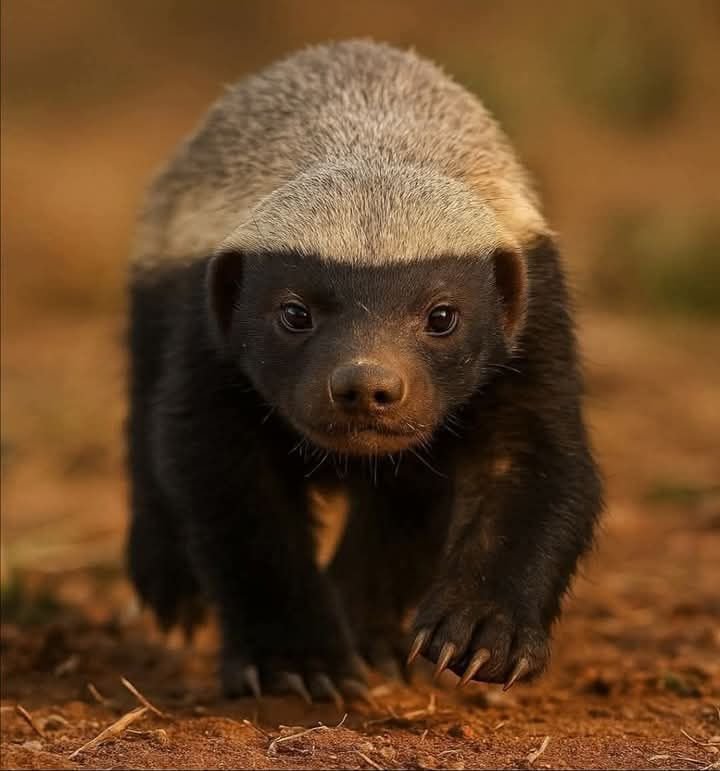
Scientific Name: Mellivora capensis
Class: Mammalia
Diet: Carnivore
The honey badger often tops the list of the world’s greediest animals, famous for its insatiable appetite and fearless attitude. It will go after almost anything, from bee larvae to venomous snakes.
Moreover, the honey badger’s boldness matches its hunger. It raids beehives for honey and grubs, ignoring stings, and tackles prey far larger and more dangerous than itself without hesitation.
Honey badgers inhabit the savannas, grasslands, and forests of Africa, the Middle East, and parts of Asia, eating a huge variety of foods.
As opportunistic hunters, honey badgers help control insects, rodents, and snakes. Widespread and adaptable, they are currently of Least Concern.
Fun Fact: The honey badger’s thick, loose skin lets it twist around and bite back even when caught by a predator.
Pig
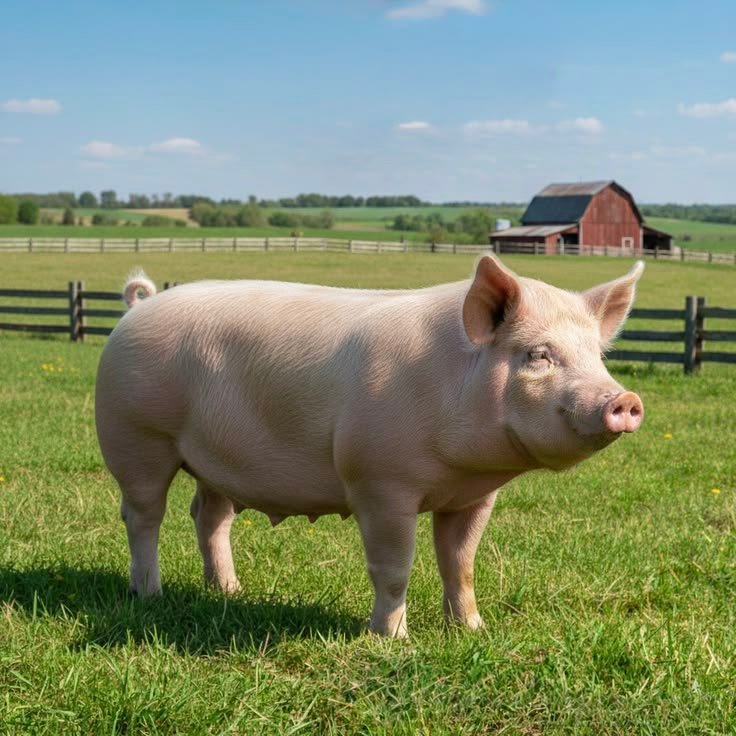
Scientific Name: Sus scrofa domesticus
Class: Mammalia
Diet: Omnivore
The pig is the animal most associated with greed, thanks to its habit of near-constant eating. With a weak sense of fullness, it will keep eating well past satisfaction if given the chance.
Interestingly, this hearty appetite reflects the pig’s intelligence and adaptability. Pigs will root, forage, and sample almost anything edible, making them among the most opportunistic eaters on the farm.
Originally descended from wild boar, domestic pigs are now raised worldwide, thriving on grains, vegetables, and scraps.
As intelligent omnivores, pigs have long lived alongside humans. Responsible feeding is important, as their appetites can easily lead to obesity.
Fun Fact: Pigs are considered smarter than dogs and can quickly learn to solve puzzles for a food reward.
Polyphemus Moth Caterpillar
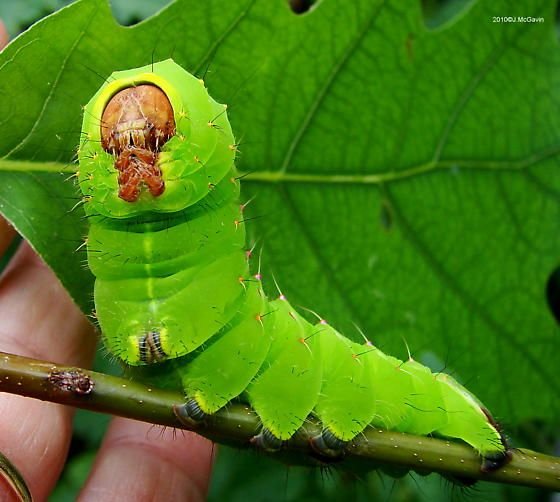
Scientific Name: Antheraea polyphemus
Class: Insecta
Diet: Herbivore
The Polyphemus moth caterpillar is often called the greediest animal on Earth, relative to its size. In just 56 days, it can eat an astonishing 86,000 times its own body weight in leaves.
Moreover, this extreme feeding fuels a dramatic transformation. The caterpillar must consume enormous amounts of food to grow rapidly and store the energy needed to become a moth.
Polyphemus moths are found across North America, where their caterpillars feed on the leaves of many trees and shrubs.
As leaf-eaters and later pollinators, they are part of the forest’s food web. Habitat loss and pesticides can affect local populations.
Fun Fact: The adult Polyphemus moth has large eyespots on its wings but no functional mouth, so it never eats at all.
Pygmy Shrew
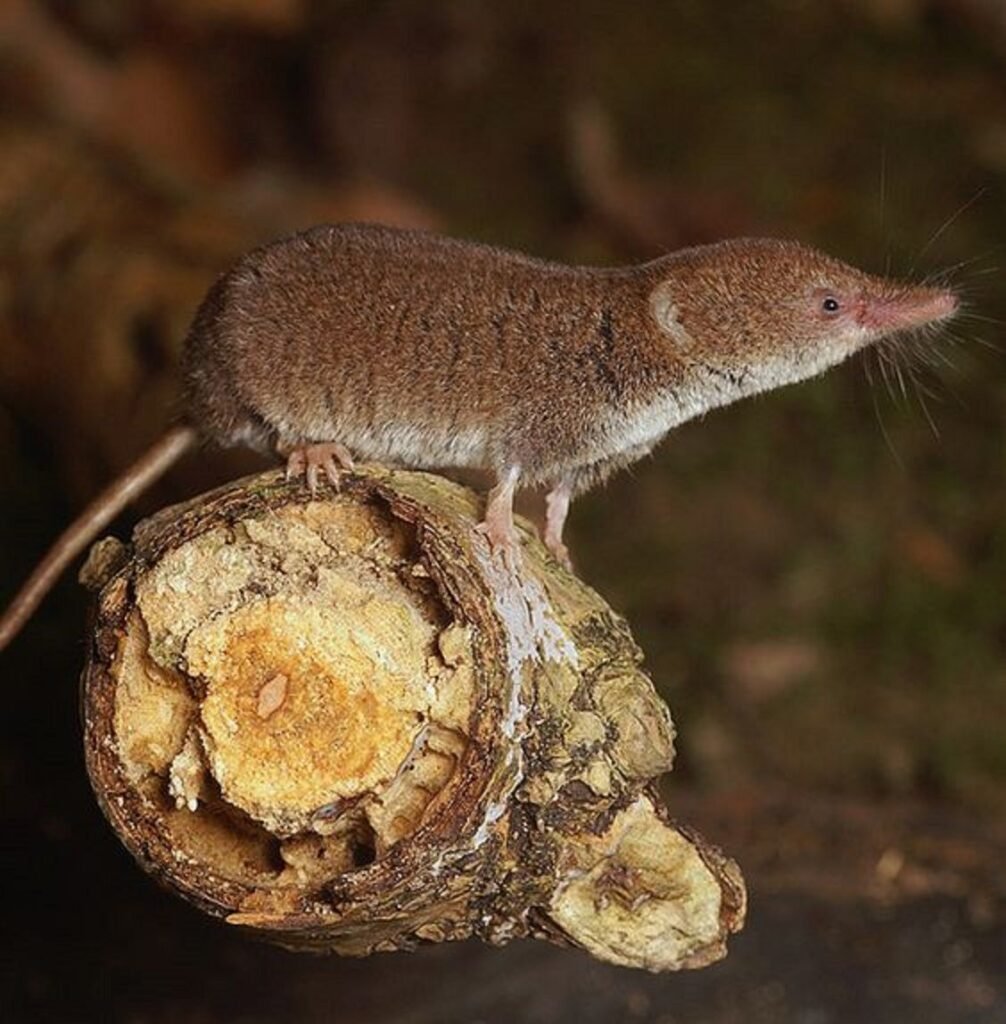
Scientific Name: Sorex hoyi
Class: Mammalia
Diet: Insectivore
The pygmy shrew is one of the tiniest yet greediest mammals, driven by an extreme metabolism. It consumes around half its body weight in food every day, foraging almost without pause.
Interestingly, this relentless eating is a matter of life and death. A pygmy shrew can survive only a few hours without food, so it hunts insects and invertebrates around the clock.
Pygmy shrews inhabit forests, grasslands, and wetlands across North America and Eurasia, hunting through leaf litter and undergrowth.
As voracious insect hunters, shrews help control invertebrate populations. Habitat destruction is a quiet but real threat to some populations.
Fun Fact: The pygmy shrew’s heart can beat over 1,000 times per minute to power its ravenous metabolism.
Hummingbird
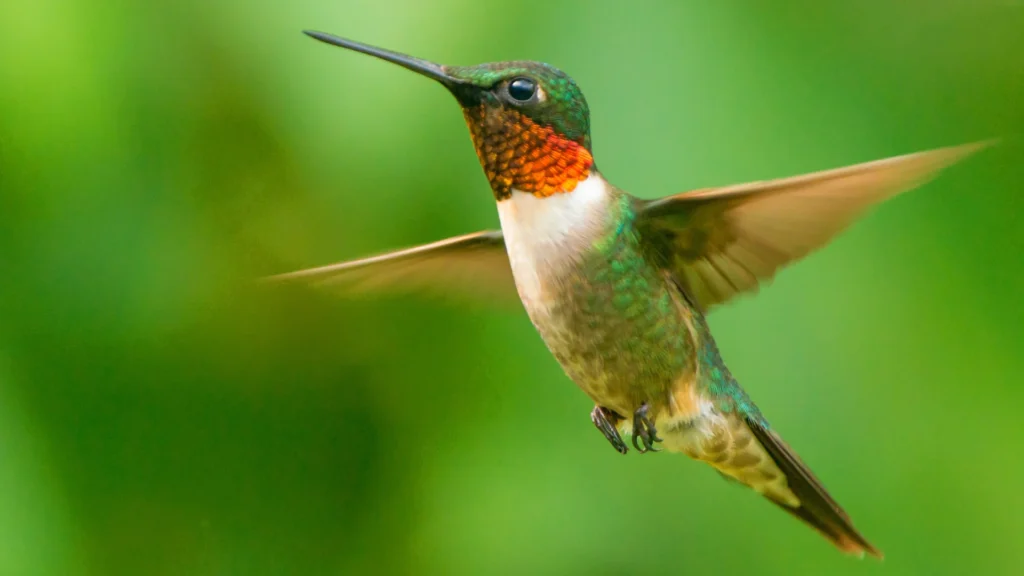
Scientific Name: Archilochus colubris
Class: Aves
Diet: Nectarivore
The hummingbird may look delicate, but its appetite is enormous. Powered by one of the fastest metabolisms in nature, it can consume up to twice its body weight in nectar in a single day.
Moreover, the hummingbird feeds almost constantly, visiting hundreds of flowers and catching food roughly every ten minutes. In eight hours, it may eat dozens of times just to stay alive.
Hummingbirds inhabit the Americas, from Alaska to Argentina, favoring gardens, forests, and meadows rich in flowers.
As tireless pollinators, hummingbirds are vital to countless plants. Habitat loss and climate change threaten many populations.
Fun Fact: To survive cold nights without food, hummingbirds enter a deep, energy-saving state called torpor.
Brown Bear
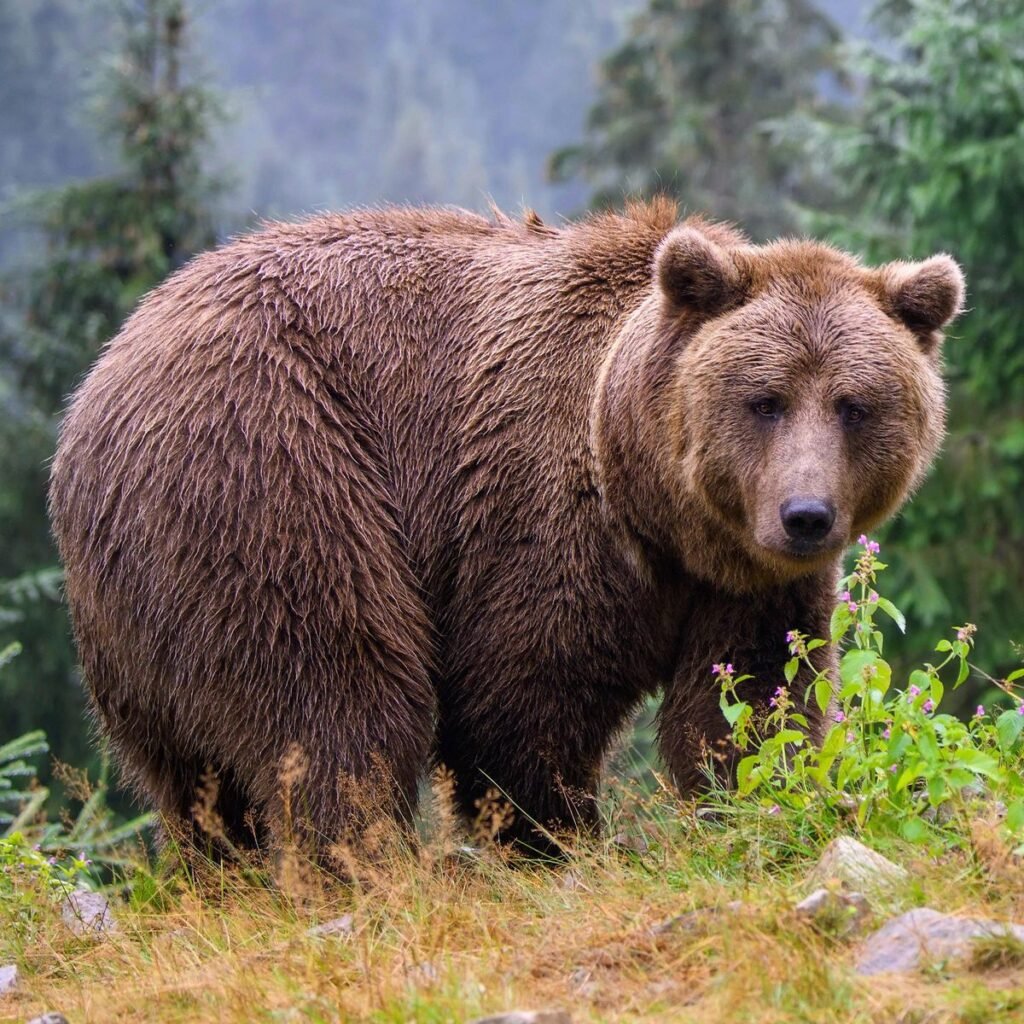
Scientific Name: Ursus arctos
Class: Mammalia
Diet: Omnivore
The brown bear is one of the greediest eaters in the animal kingdom, especially before winter. During peak feeding season, it can devour up to 20,000 calories in a single day.
Interestingly, this massive intake is essential for survival. In a phase called hyperphagia, the bear gorges relentlessly to build the fat reserves it needs to survive months of hibernation.
Brown bears inhabit forests, mountains, and tundra across North America, Europe, and Asia, feeding on berries, plants, fish, and small mammals.
As apex omnivores, brown bears shape ecosystems by dispersing seeds and controlling prey. Widespread but locally threatened, they need large, wild habitats.
Fun Fact: During salmon runs, a single brown bear may eat dozens of fish in one day to fatten up for winter.
Squirrel
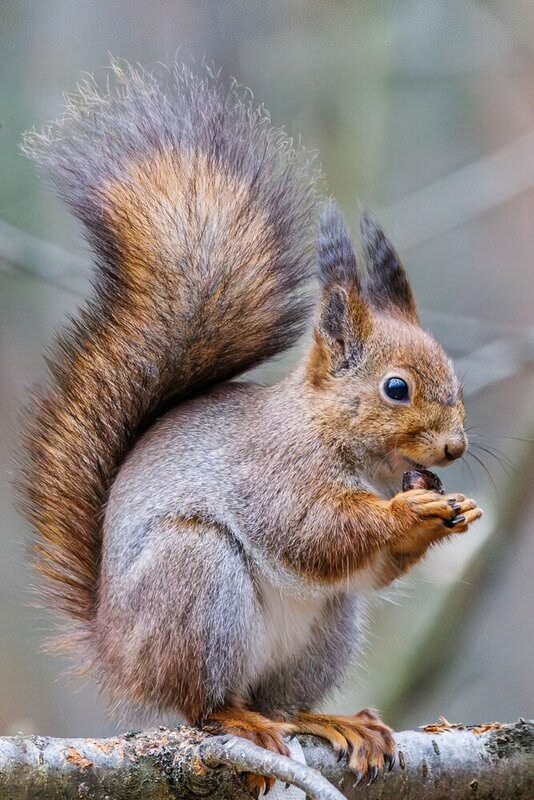
Scientific Name: Sciurus carolinensis
Class: Mammalia
Diet: Omnivore
The squirrel is the champion hoarder of the animal world, driven by a greedy urge to gather far more food than it can eat at once. In a single season, it may bury up to 10,000 separate food caches.
Moreover, this “scatter-hoarding” is a clever survival strategy. By hiding nuts and seeds in countless locations, the squirrel protects its winter supply from thieves — even if it forgets many caches.
Squirrels inhabit forests, woodlands, and city parks across much of the world, feeding on nuts, seeds, fruit, and fungi.
As seed hoarders, squirrels accidentally plant countless trees by forgetting buried caches. Most species thrive, though some face habitat loss.
Fun Fact: A squirrel’s forgotten buried nuts grow into new trees, making this greedy hoarder an accidental forester.
Griffon Vulture
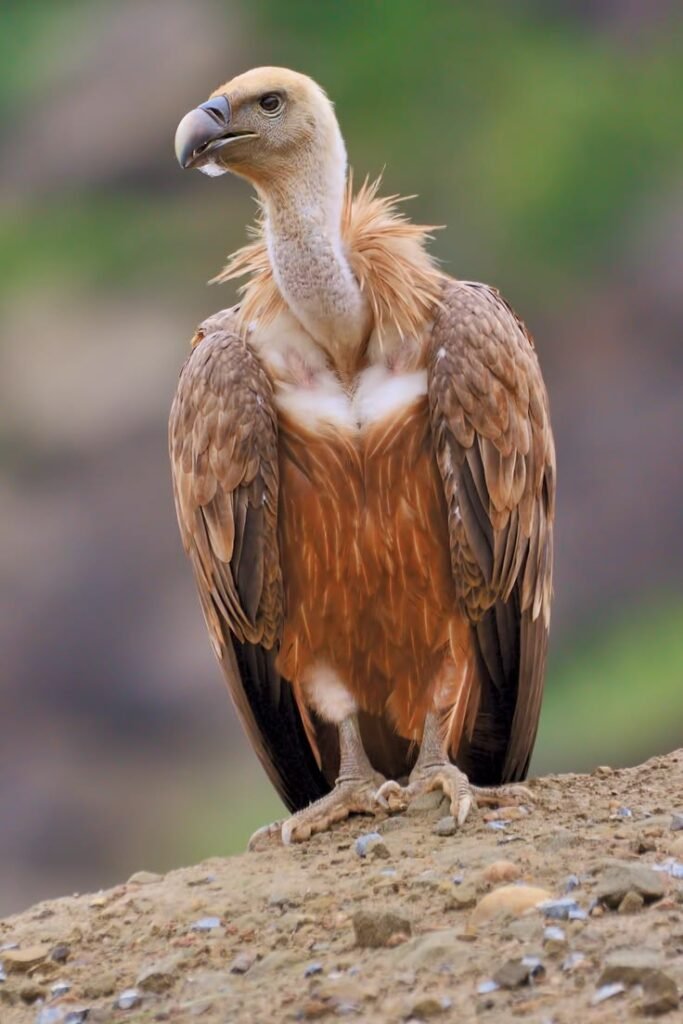
Scientific Name: Gyps fulvus
Class: Aves
Diet: Carnivore
The griffon vulture is a legendary glutton of the skies, capable of gorging on enormous amounts of meat in a single sitting. An eight-kilogram vulture may eat a full kilogram of flesh at once.
Interestingly, this greedy feeding suits its scavenging lifestyle. Since carcasses are unpredictable, the vulture eats as much as it can whenever food appears, storing energy for lean days ahead.
Griffon vultures inhabit mountains, plains, and open country across parts of Europe, Africa, and Asia, feeding almost entirely on carrion.
As nature’s cleanup crew, vultures prevent the spread of disease by consuming dead animals. Poisoning and habitat loss have made several vulture species threatened.
Fun Fact: After a huge meal, a griffon vulture may be too heavy to fly and must wait before taking off.
Blue Whale
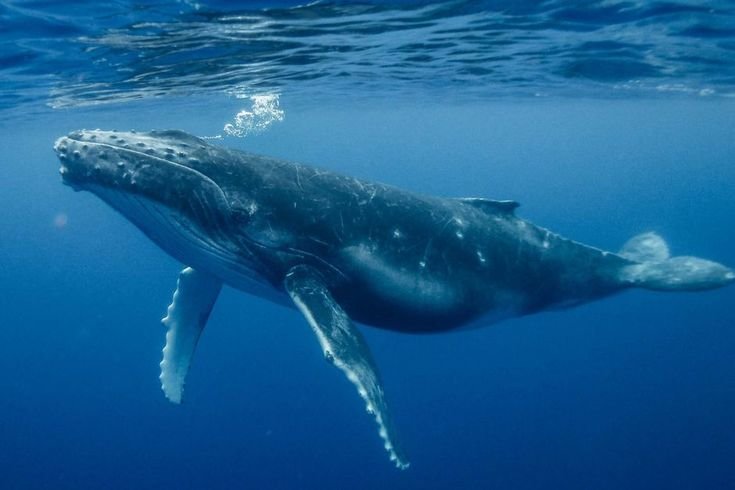
Scientific Name: Balaenoptera musculus
Class: Mammalia
Diet: Carnivore
The blue whale is the largest animal ever to exist, and its appetite is equally colossal. During feeding season, it can consume up to four tons of tiny krill in a single day.
Moreover, this greedy feeding fuels an enormous body. The blue whale gulps huge mouthfuls of water and krill, then filters out the food through comb-like baleen plates.
Blue whales roam oceans around the world, migrating between cold feeding grounds and warmer breeding waters.
As massive filter feeders, blue whales help cycle nutrients through the ocean. Once hunted to the brink, they remain Endangered and slowly recovering.
Fun Fact: A single mouthful of water and krill can weigh as much as the blue whale’s entire body.
Desert Locust
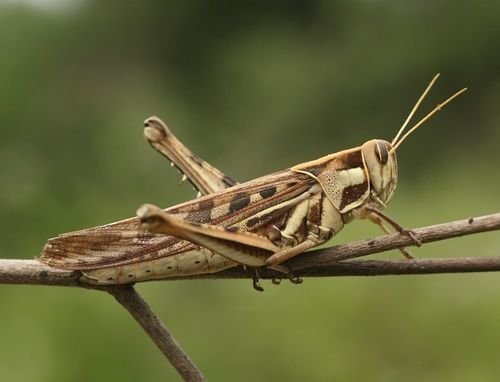
Scientific Name: Schistocerca gregaria
Class: Insecta
Diet: Herbivore
The desert locust is one of the most destructive greedy animals on Earth. Each locust can eat roughly its own body weight in vegetation every single day.
Interestingly, the true danger comes in numbers. When conditions are right, locusts gather into massive swarms of billions, stripping entire fields and threatening the food supply of millions of people.
Desert locusts inhabit the dry regions of Africa, the Middle East, and Asia, feeding on crops, grasses, and wild plants.
As plant-eaters, solitary locusts are a normal part of their ecosystem, but swarms can cause devastating agricultural crises requiring urgent management.
Fun Fact: A large locust swarm can contain tens of billions of insects and cover hundreds of square miles.
Burmese Python

Scientific Name: Python bivittatus
Class: Reptilia
Diet: Carnivore
The Burmese python is a supremely greedy predator, able to swallow prey far larger than its own head. Its jaws unhinge to engulf animals as big as deer and even alligators.
Moreover, the python eats enormous meals infrequently. After a massive feast, it can go weeks or even months without eating while it slowly digests its oversized prey.
Burmese pythons are native to the grasslands and forests of Southeast Asia, though they have become invasive in places like Florida.
As ambush predators, pythons help control prey populations in their native range. In invasive areas, however, their greed devastates local wildlife.
Fun Fact: A Burmese python’s stretchy ligaments let its jaws open wide enough to swallow prey several times the width of its own head.
Weasel
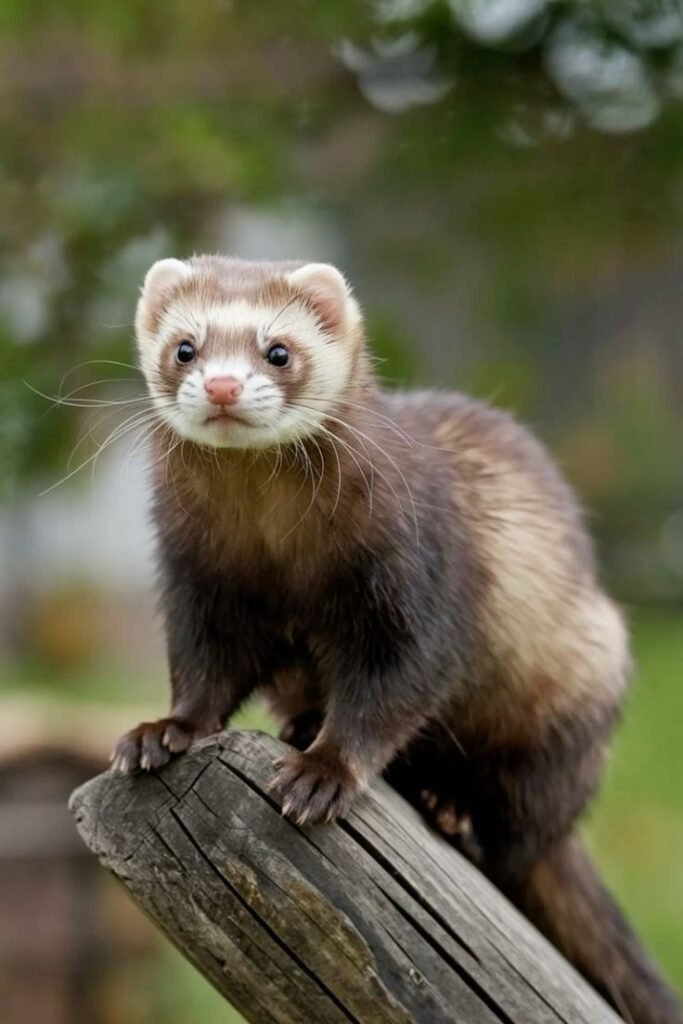
Scientific Name: Mustela nivalis
Class: Mammalia
Diet: Carnivore
The weasel is a tiny but relentlessly greedy hunter, fueled by an extremely high metabolism. It must eat roughly one-third of its body weight every single day to survive.
Interestingly, this hunger makes the weasel a bold and tireless predator. It hunts almost constantly and will often kill more than it can immediately eat, caching the surplus for later.
Weasels inhabit forests, farmlands, and grasslands across much of the Northern Hemisphere, hunting mice, voles, and other small animals.
As efficient predators, weasels help keep rodent populations in check. Widespread and adaptable, they are of Least Concern.
Fun Fact: A weasel’s slim body lets it chase prey right into their burrows, leaving them nowhere to hide.
Lion
Scientific Name: Panthera leo

Class: Mammalia
Diet: Carnivore
The lion is a famously greedy feeder when the opportunity arises. In a single sitting, a hungry lion can gorge on up to 40 kilograms of meat — a huge share of a fresh kill.
Moreover, this feast-or-famine feeding suits its lifestyle. Since hunts often fail, lions eat as much as possible when they succeed, then may rest for days before hunting again.
Lions inhabit the savannas and grasslands of sub-Saharan Africa, with a small population in India, hunting large herbivores.
As apex predators, lions help regulate herbivore populations and shape their ecosystems. Habitat loss and conflict have made them Vulnerable.
Fun Fact: After a big kill, a lion may sleep and rest for up to 20 hours while it digests its enormous meal.
Great White Shark
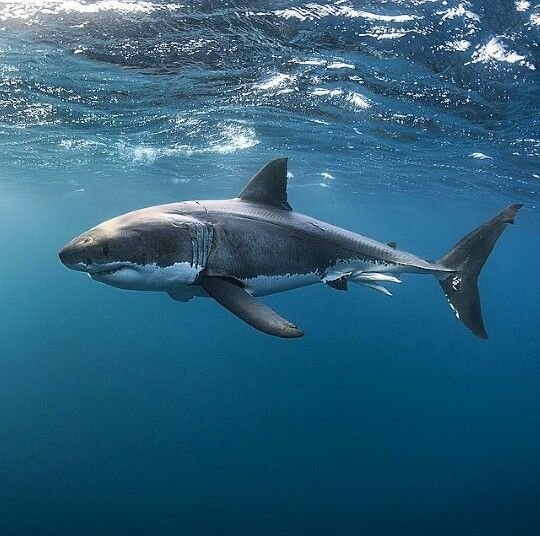
Scientific Name: Carcharodon carcharias
Class: Chondrichthyes
Diet: Carnivore
The great white shark is a powerful, greedy hunter capable of eating huge amounts in one feeding. A large meal, such as a seal, can sustain it for days or even weeks.
Interestingly, the great white gorges when food is plentiful, storing energy in its oily liver. This lets it endure long stretches between successful hunts in the open ocean.
Great white sharks roam coastal and open waters worldwide, especially in cool, temperate seas rich in seals and fish.
As apex predators, great whites help keep marine populations balanced. Overfishing and bycatch have made them Vulnerable.
Fun Fact: A great white shark can detect a single drop of blood in the water from a remarkable distance away.
Tasmanian Devil
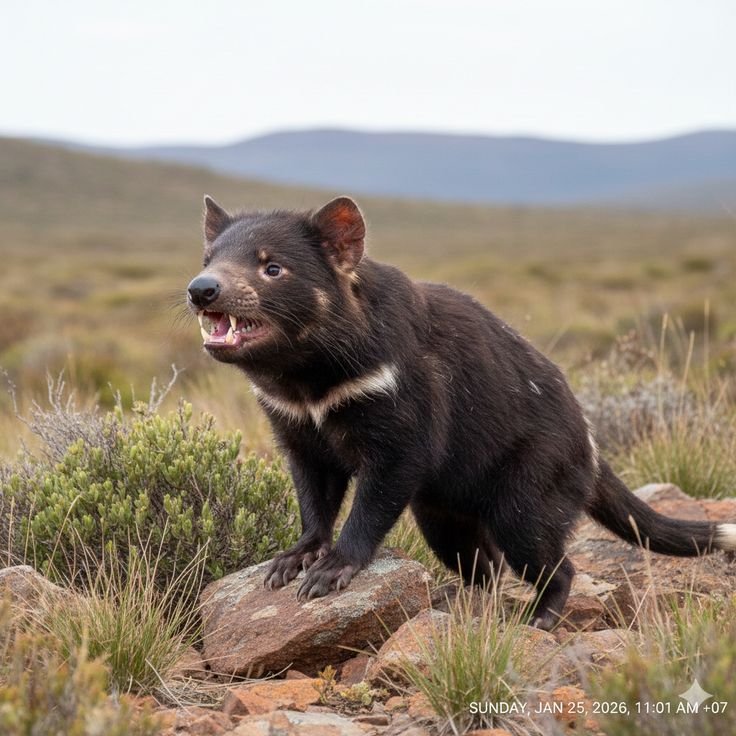
Scientific Name: Sarcophilus harrisii
Class: Mammalia
Diet: Carnivore
The Tasmanian devil is an astonishingly greedy eater for its size, able to consume up to 40 percent of its body weight in a single feeding. It devours nearly every part of a carcass.
Moreover, the devil wastes nothing, crushing and eating bones, fur, and organs with its powerful jaws. This voracious appetite makes it one of nature’s most thorough scavengers.
Tasmanian devils are found only on the Australian island of Tasmania, scavenging and hunting for carrion, small mammals, and birds.
As scavengers, devils clean up carcasses and help limit the spread of disease. A contagious facial tumor disease has made them Endangered.
Fun Fact: The Tasmanian devil has one of the strongest bites for its size of any mammal, able to crunch through solid bone.
Hamster

Scientific Name: Mesocricetus auratus
Class: Mammalia
Diet: Omnivore
The hamster is a greedy little hoarder, famous for stuffing its cheek pouches with as much food as they can hold. Its very name comes from a German word meaning “to hoard.”
Interestingly, this behavior is a survival instinct. In the wild, the hamster gathers far more food than it needs at once, carrying it back to store in underground chambers for leaner times.
Hamsters originally come from the dry regions of Europe and Asia, where they dig burrows, but are now popular pets worldwide.
As seed and grain gatherers, wild hamsters influence local plant life. Some wild species are declining rapidly due to habitat loss.
Fun Fact: A hamster’s cheek pouches can stretch all the way back to its shoulders when packed with food.
Goat
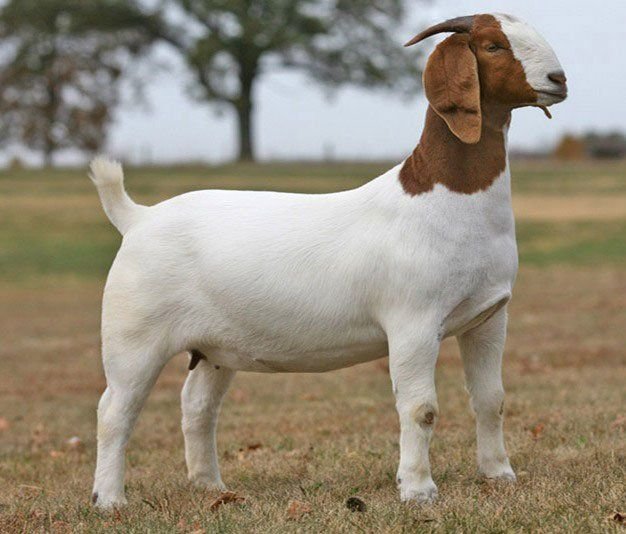
Scientific Name: Capra aegagrus hircus
Class: Mammalia
Diet: Herbivore
The goat is famous for its greedy, nearly non-stop grazing and its willingness to nibble almost anything. Curious and always hungry, it samples leaves, bark, shrubs, and even unusual objects.
Moreover, the goat’s constant eating reflects its efficient digestion. As a browsing herbivore, it forages throughout the day, thriving on rough vegetation that many other animals ignore.
Goats were among the first animals domesticated by humans and are now found worldwide, from farms to rugged mountains.
As hardy grazers, goats have supported human life for thousands of years. Overgrazing by large herds can, however, damage fragile landscapes.
Fun Fact: Contrary to myth, goats don’t really eat tin cans — but they will nibble almost anything out of sheer curiosity.
Komodo Dragon
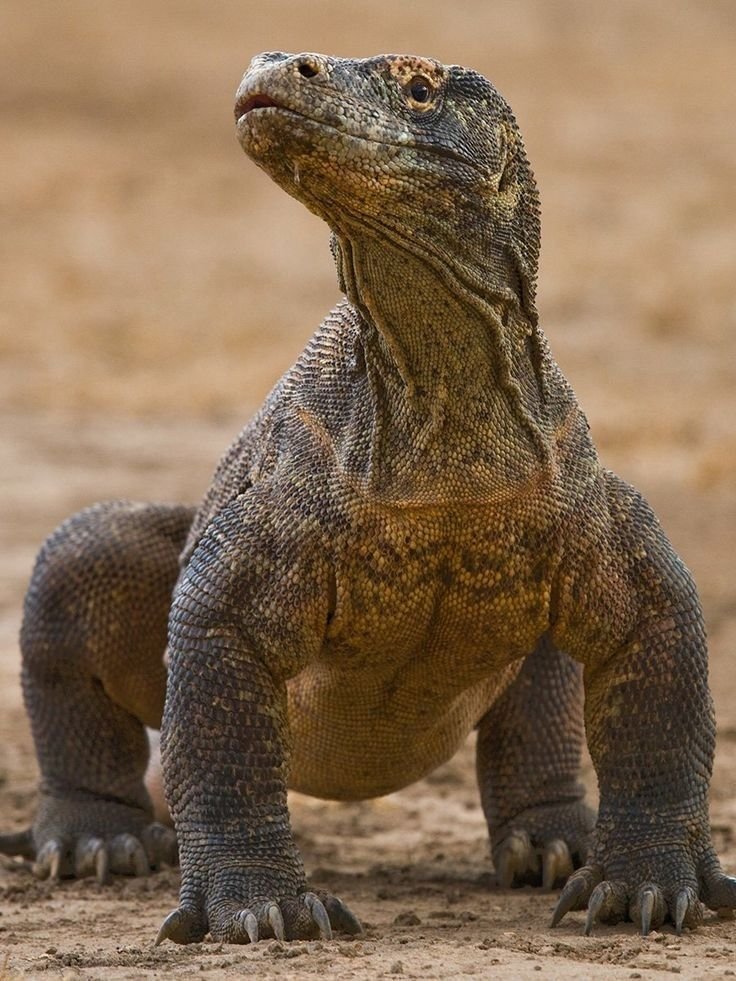
Scientific Name: Varanus komodoensis
Class: Reptilia
Diet: Carnivore
The Komodo dragon is an extraordinarily greedy predator, capable of eating up to 80 percent of its body weight in a single meal. This giant lizard rarely leaves anything behind.
Interestingly, the Komodo dragon consumes nearly the entire carcass, including bones, hooves, and hide. After such a feast, it may not need to eat again for weeks.
Komodo dragons are found only on a few Indonesian islands, ambushing deer, pigs, and other large prey.
As apex predators, Komodo dragons help control prey populations on their islands. With a tiny range, they are considered Endangered.
Fun Fact: A Komodo dragon’s bite delivers venom that lowers blood pressure and prevents clotting, weakening its prey.
Piranha
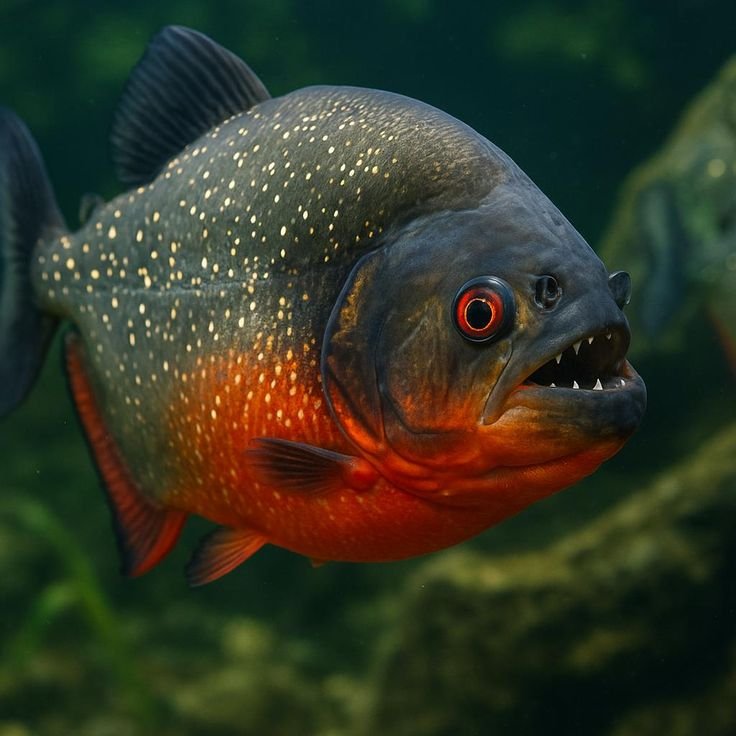
Scientific Name: Pygocentrus nattereri
Class: Actinopterygii
Diet: Carnivore
The piranha is infamous for its greedy feeding frenzies, in which a shoal can strip prey with astonishing speed. Razor-sharp teeth make quick work of flesh.
Moreover, much of the piranha’s fearsome reputation is exaggerated. While feeding frenzies do occur when food is scarce, piranhas are also scavengers and often eat plants, insects, and smaller fish.
Piranhas inhabit the rivers and lakes of South America, especially the Amazon basin, feeding on fish, insects, and carrion.
As predators and scavengers, piranhas help keep river ecosystems clean and balanced. Habitat disruption can affect local populations.
Fun Fact: Piranhas communicate with barking and croaking sounds, especially when they feel threatened.
Seagull

Scientific Name: Larus argentatus
Class: Aves
Diet: Omnivore
The seagull is one of the greediest and most opportunistic eaters among birds. It will devour almost anything, from fish and crabs to scraps snatched straight from people’s hands.
Interestingly, the seagull’s boldness is a mark of its adaptability. It steals food from other birds, raids trash, and cleverly exploits any easy meal it can find.
Seagulls inhabit coastlines, harbors, and increasingly inland cities across much of the world, feeding on a huge range of foods.
As opportunistic scavengers, seagulls help clean up waste and carrion. Highly adaptable, most species are widespread and of Least Concern.
Fun Fact: Some seagulls stamp their feet on the ground to mimic rain, tricking earthworms into surfacing.
Raccoon
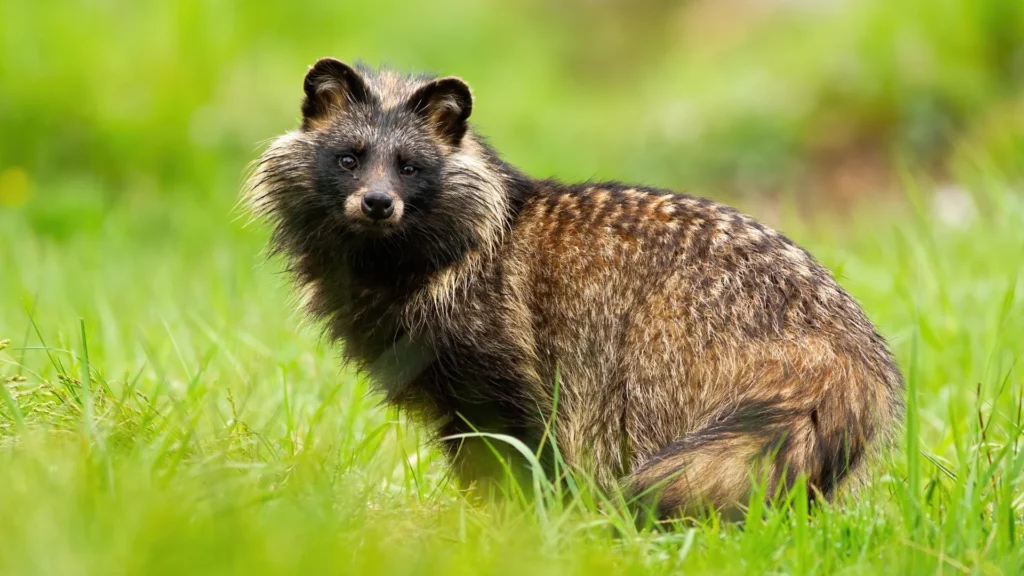
Scientific Name: Procyon lotor
Class: Mammalia
Diet: Omnivore
The raccoon is a cunning, greedy omnivore that will eat almost anything it can find. With nimble paws and sharp intelligence, it raids gardens, trash cans, and campsites with ease.
Moreover, the raccoon’s greed is fueled by its adaptability. It forages opportunistically for fruit, insects, eggs, small animals, and human leftovers, thriving wherever food is available.
Raccoons inhabit forests, wetlands, and urban areas across North America and beyond, eating a remarkably varied diet.
As opportunistic omnivores, raccoons help disperse seeds and control pests. Highly adaptable, they are widespread and of Least Concern.
Fun Fact: Raccoons often “wash” their food in water, a curious habit linked to their extremely sensitive paws.
Read: Animals With Bushy Tails
Read: Most Shy Animals in The World
Read: Stubborn Animals in The World
Read: Mischievous Animals in The World
Read: Most Docile Animals
Frequently Asked Questions
Conclusion
From bone-crushing wolverines to krill-gulping blue whales, the world’s greedy animals reveal the astonishing lengths creatures go to in order to survive. Each species whether a hoarding squirrel, a gorging vulture, or a ravenous caterpillar has evolved its enormous appetite to meet the demands of its environment. Far from simple gluttony, this “greed” often supports entire ecosystems by controlling pests, cleaning up carrion, and dispersing seeds.
2 Comments