
Top 13 Laziest Animals in the World (With Images)
What if doing almost nothing was the secret to survival? While speed and stamina often steal the spotlight, some of the animal kingdom’s greatest masters of energy do the exact opposite they rest. The laziest animals in the world have turned stillness into a finely tuned survival strategy, conserving precious calories in harsh or food-poor environments. Far from being useless, their slow lives shape forests, balance food webs, and inspire scientists studying metabolism and sleep.
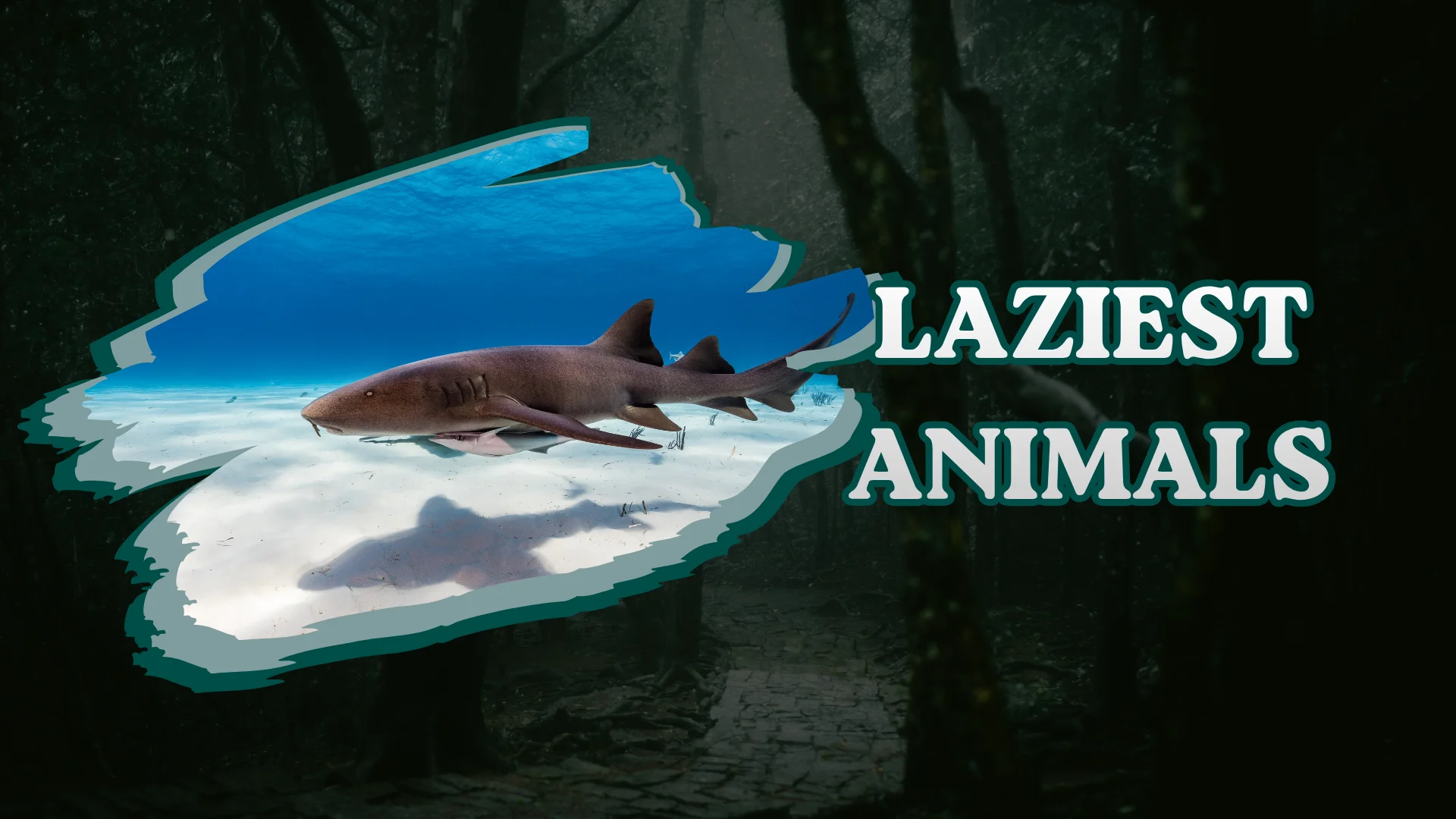
From a koala dozing high in a eucalyptus tree to a sloth that barely moves for days, these creatures prove that rest is its own kind of genius. Let’s explore the world’s sleepiest, slowest, and most wonderfully idle animals.
Quick List Table
| Rank | Animal Name | Scientific Name |
|---|---|---|
| 1 | Koala | Phascolarctos cinereus |
| 2 | Three-Toed Sloth | Bradypus variegatus |
| 3 | Giant Panda | Ailuropoda melanoleuca |
| 4 | Lion | Panthera leo |
| 5 | Hippopotamus | Hippopotamus amphibius |
| 6 | Opossum | Didelphis virginiana |
| 7 | Ball Python | Python regius |
| 8 | Nine-Banded Armadillo | Dasypus novemcinctus |
| 9 | Short-Beaked Echidna | Tachyglossus aculeatus |
| 10 | Nurse Shark | Ginglymostoma cirratum |
| 11 | Little Brown Bat | Myotis lucifugus |
| 12 | Slow Loris | Nycticebus coucang |
| 13 | Domestic Cat | Felis catus |
Koala
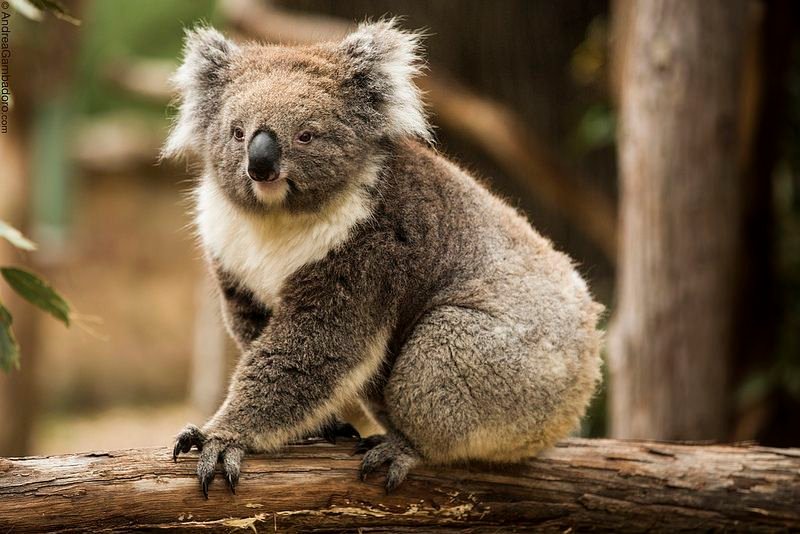
Scientific Name: Phascolarctos cinereus
Class: Mammalia
Diet: Herbivore (eucalyptus leaves)
The koala is perhaps the most famous sleepyhead in the animal kingdom, dozing for up to 20 hours a day. Clinging to eucalyptus branches, it spends most of its life in a drowsy, motionless state. This extreme rest is not laziness for its own sake but a clever answer to a difficult diet.
Interestingly, koalas eat eucalyptus leaves, which are tough, toxic, and extremely low in energy. Digesting them takes enormous effort and yields little fuel, so the koala saves energy by moving as little as possible. Its slow metabolism and long rests are perfectly matched to this meager menu.
Koalas live in the eucalyptus forests of eastern and southern Australia, rarely descending to the ground. Each animal favors particular trees within its home range, feeding on select leaves and sleeping wedged in the forks of branches.
Beyond their charm, koalas are icons of Australia’s woodlands and indicators of forest health. Sadly, habitat loss, bushfires, and disease have made them vulnerable, with populations declining across much of their range.
Fun Fact: Koalas sleep so much partly because eucalyptus provides barely enough energy to stay awake.
Three-Toed Sloth

Scientific Name: Bradypus variegatus
Class: Mammalia
Diet: Herbivore (leaves, buds)
The three-toed sloth moves so slowly that algae grows on its fur, giving it a greenish camouflage. It is the very symbol of a slow, lazy life, spending most of its days hanging motionless in the rainforest canopy. Every movement is deliberate, measured, and astonishingly unhurried.
What sets the sloth apart is its record-breaking slowness. It has one of the lowest metabolic rates of any mammal, and its muscles make up a tiny fraction of its body weight. It may travel just 40 meters in a day and descends to the ground only about once a week to defecate.
Three-toed sloths inhabit the tropical forests of Central and South America. They feed on leaves, which are low in nutrients and take up to a month to digest in their multi-chambered stomachs.
Moreover, sloths are miniature ecosystems, hosting algae, insects, and fungi in their fur. Deforestation and habitat fragmentation threaten these gentle creatures, making rainforest conservation vital to their survival.
Giant Panda
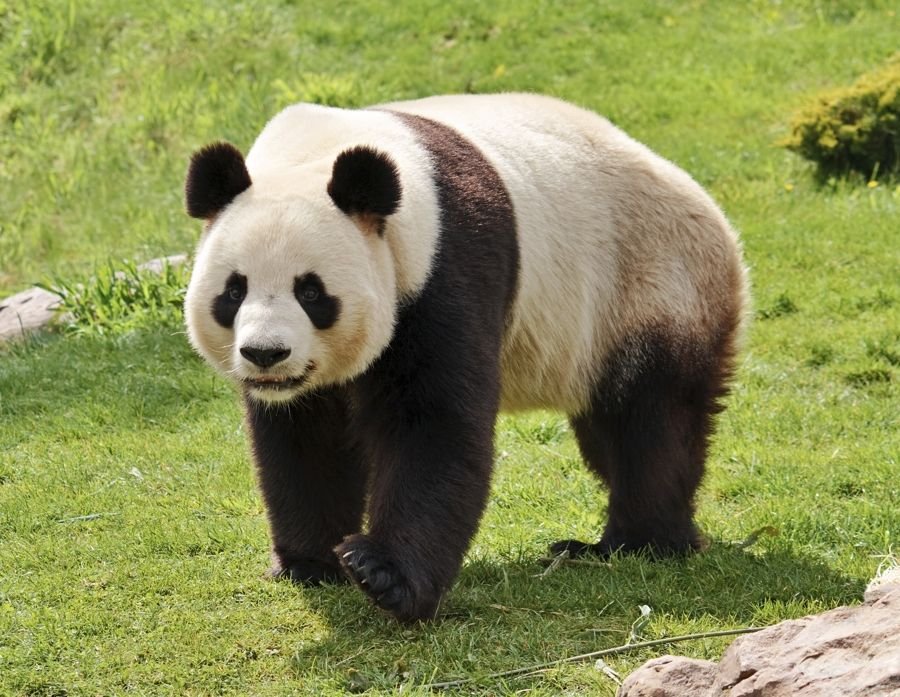
Scientific Name: Ailuropoda melanoleuca
Class: Mammalia
Diet: Herbivore (bamboo)
The giant panda divides its day almost entirely between two activities: eating and sleeping. When it is not munching bamboo for up to 14 hours, it is usually resting to recover its energy. This slow, deliberate rhythm defines the life of one of the world’s most beloved animals.
Interestingly, the panda’s laziness stems from its unusual diet. Although classified as a carnivore, it survives almost entirely on bamboo, which is so low in nutrients that a panda must eat 12 to 38 kilograms daily. To cope, it moves slowly and avoids wasting precious calories.
Giant pandas live in the misty bamboo forests of central China’s mountains. Their strong jaws and a special “pseudo-thumb” wrist bone help them grip and strip bamboo stalks with ease.
Beyond their status as a conservation symbol, pandas help maintain healthy bamboo forests. Decades of protection have lifted them from endangered to vulnerable, a rare conservation success worth celebrating.
Fun Fact: A panda’s digestive system is built for meat, yet it eats almost nothing but bamboo.
Lion

Scientific Name: Panthera leo
Class: Mammalia
Diet: Carnivore
The lion, the so-called king of beasts, is also one of the laziest big cats, resting up to 20 hours a day. Between hunts, lions sprawl in the shade, conserving energy under the hot African sun. Their idle hours are as vital to survival as their explosive bursts of hunting power.
What sets the lion apart is how it balances effort and rest. Hunting demands huge energy, and success is far from guaranteed, so lions rest whenever possible to stay ready. Much of the hunting falls to the lionesses, while males guard the pride’s territory.
Lions inhabit the savannas and grasslands of sub-Saharan Africa, with a small population in India’s Gir Forest. They prey on large herbivores such as zebras, wildebeest, and buffalo, often feeding heavily then resting for days.
Beyond their power, lions are keystone predators that regulate herbivore populations and shape the savanna. Habitat loss and conflict with humans have made them vulnerable, with numbers falling sharply across Africa.
Hippopotamus

Scientific Name: Hippopotamus amphibius
Class: Mammalia
Diet: Herbivore
The hippopotamus spends its days lounging almost motionless in rivers and lakes, conserving energy in the water’s cool embrace. For up to 16 hours a day, it simply floats, wallows, and rests. This water-bound idleness protects its massive body from the scorching sun.
Interestingly, the hippo’s lazy daytime life is a clever adaptation. Its skin dries and burns easily, so it stays submerged during the heat, becoming active only at night to graze. It can even sleep underwater, surfacing to breathe automatically without waking.
Hippos live in the rivers, lakes, and wetlands of sub-Saharan Africa. At dusk they leave the water to feed on grass, sometimes walking several kilometers before returning to their aquatic resting spots by dawn.
Moreover, hippos shape their ecosystems, their dung enriching rivers and their paths creating channels for water. Habitat loss and poaching for meat and ivory teeth have left them vulnerable in many regions.
Fun Fact: A hippo can hold its breath underwater for around five minutes while it rests.
Opossum

Scientific Name: Didelphis virginiana
Class: Mammalia
Diet: Omnivore
The opossum is a champion of rest, sleeping for around 18 hours a day. This slow-moving marsupial ambles through its nightly routine at an unhurried pace, avoiding unnecessary effort. Its relaxed lifestyle helps it thrive in a wide range of habitats.
What sets the opossum apart is its famous defense: when threatened, it collapses and “plays dead,” an involuntary response that can last for hours. Beyond this dramatic trick, it prefers to conserve energy and avoid confrontation whenever possible.
Opossums range across much of North America, from forests to suburban backyards. As opportunistic omnivores, they eat almost anything, including insects, fruit, carrion, and even ticks, which they groom from their fur.
Beyond their sleepy reputation, opossums are valuable cleanup crews, consuming pests and carrion. They are widespread and adaptable, coexisting surprisingly well alongside human neighborhoods.
Ball Python

Scientific Name: Python regius
Class: Reptilia
Diet: Carnivore
The ball python is a master of stillness, capable of remaining motionless for days at a time. As a cold-blooded reptile, it relies on the environment for warmth and moves only when necessary. This energy-saving lifestyle makes it one of the laziest reptiles around.
Interestingly, the ball python earns its name from its habit of curling into a tight ball when frightened. It ambushes prey rather than chasing it, lying in wait before striking with sudden speed. After a large meal, it may not eat again for weeks.
Ball pythons live in the grasslands, savannas, and forests of West and Central Africa. They shelter in burrows and termite mounds by day, hunting rodents mainly at night when temperatures cool.
Beyond their calm nature, ball pythons help control rodent populations across their range. While popular in the pet trade, wild collection and habitat loss can pressure local populations.
Nine-Banded Armadillo
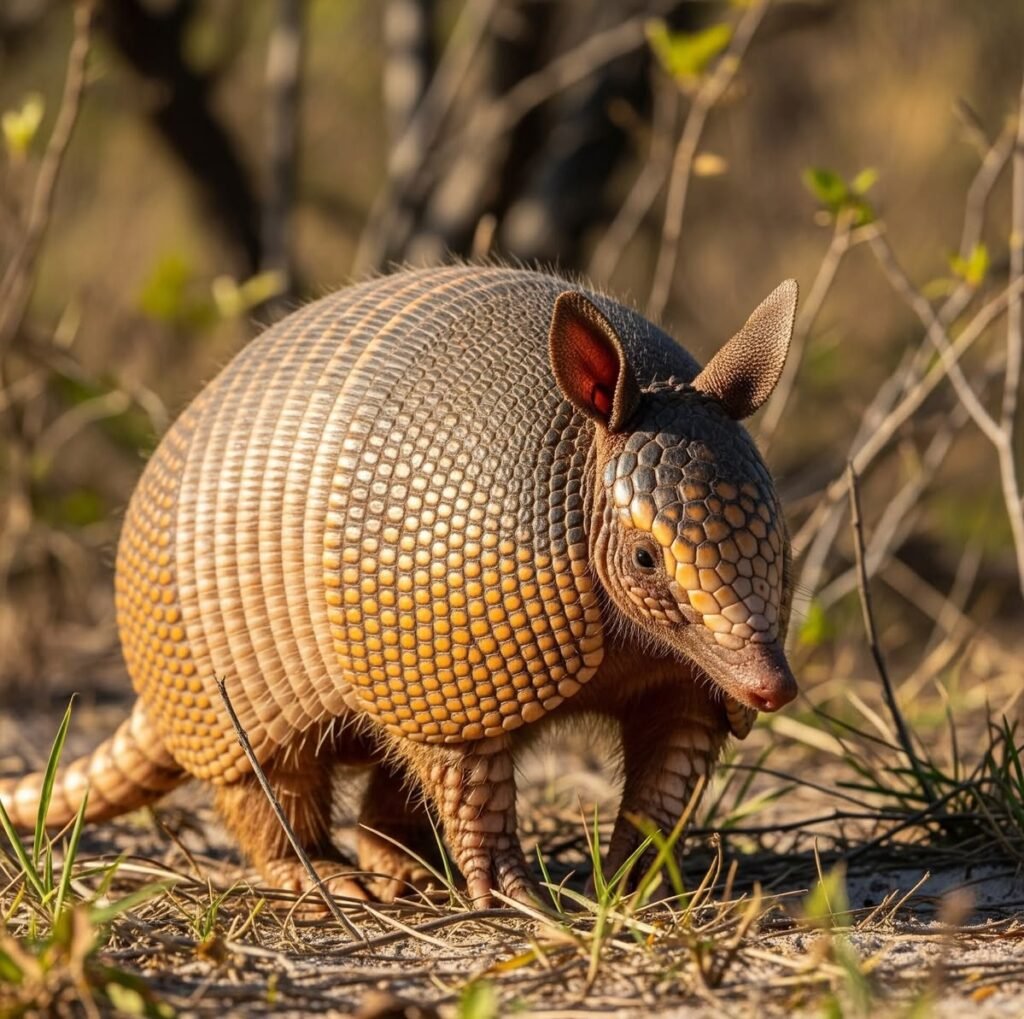
Scientific Name: Dasypus novemcinctus
Class: Mammalia
Diet: Omnivore (insects, invertebrates)
The nine-banded armadillo spends up to 16 hours a day asleep in its burrow, emerging only to forage. Encased in bony armor, this slow, deliberate digger lives life at an unrushed pace. Its long rests help it conserve energy between feeding trips.
What sets the armadillo apart is its remarkable armor and digging skill. Its low metabolism and poor ability to regulate body heat make long rests essential, especially in cooler weather. When active, it snuffles through soil in search of food.
Nine-banded armadillos range from the southern United States through Central and South America. They feed mainly on insects, grubs, and other invertebrates, using powerful claws to unearth their meals.
Moreover, armadillos aerate soil and control insect pests through their constant digging. They are common and expanding their range northward, adapting well to varied landscapes.
Fun Fact: A nine-banded armadillo almost always gives birth to four identical quadruplets.
Short-Beaked Echidna
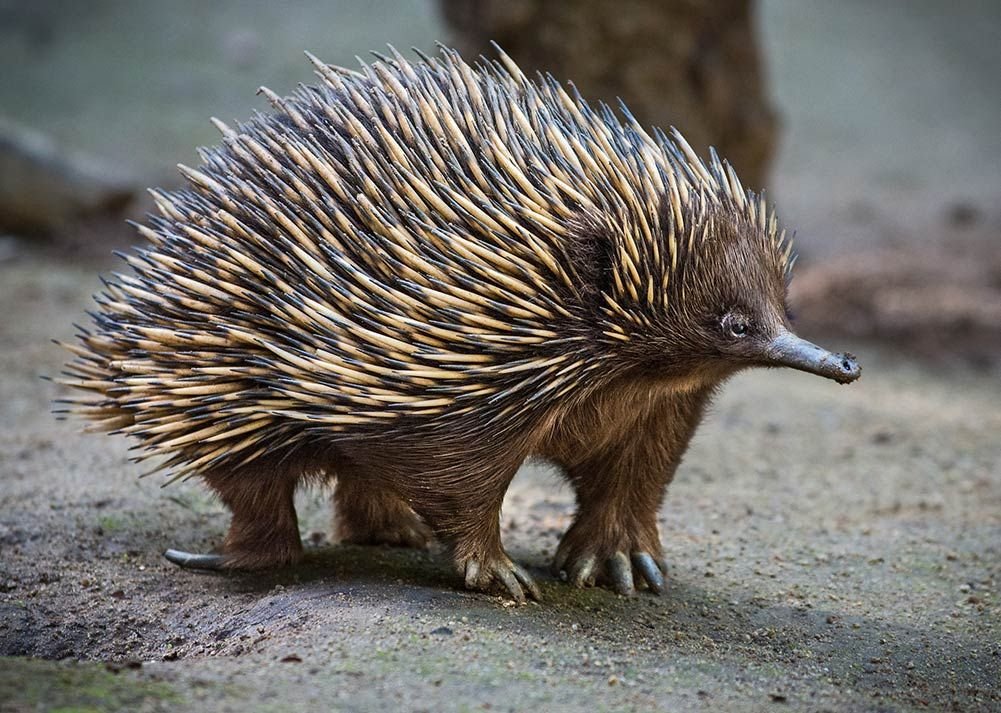
Scientific Name: Tachyglossus aculeatus
Class: Mammalia
Diet: Carnivore (ants, termites)
The short-beaked echidna lives a slow, low-energy life, moving deliberately as it forages for ants and termites. One of only a few egg-laying mammals, it maintains a remarkably low body temperature and unhurried metabolism. This gentle pace helps it thrive in tough conditions.
Interestingly, the echidna’s cool body and slow metabolism make it exceptionally energy-efficient. It can enter torpor and even hibernate, dropping its activity to conserve resources during cold or dry spells. Its relaxed rhythm suits its patient feeding style.
Echidnas are found across Australia and New Guinea, in habitats from deserts to forests. They use a long, sticky tongue to lap up ants and termites, breaking open nests with strong claws.
Beyond their oddity as monotremes, echidnas help control insect populations. They remain widespread and are one of Australia’s most successful native mammals.
Nurse Shark
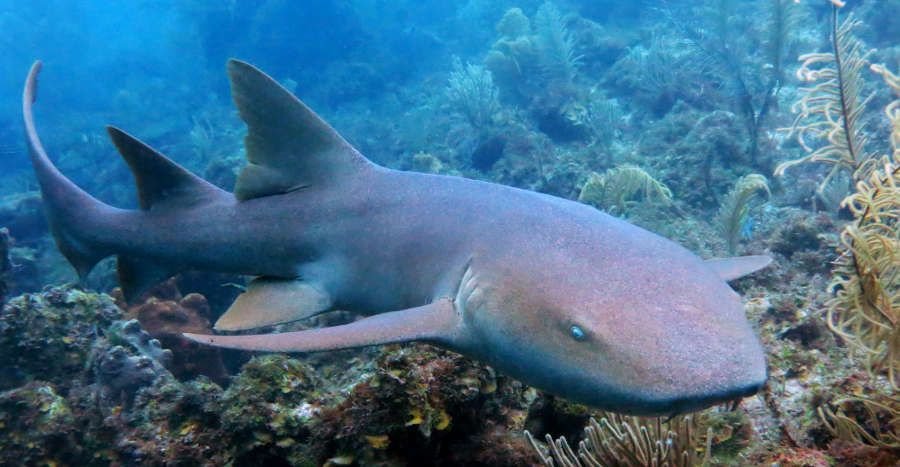
Scientific Name: Ginglymostoma cirratum
Class: Chondrichthyes
Diet: Carnivore
The nurse shark is one of the ocean’s laziest predators, spending much of the day resting motionless on the seafloor. Unlike sharks that must swim constantly to breathe, it can lie still and pump water over its gills. This ability lets it conserve energy for hours on end.
What sets the nurse shark apart is its calm, sluggish nature. It often piles together with others in caves and under ledges during the day, becoming active only at night. It feeds by suction, vacuuming prey from the seabed with surprising force.
Nurse sharks inhabit warm, shallow waters of the Atlantic and eastern Pacific, near reefs and rocky bottoms. They hunt crustaceans, mollusks, and small fish under the cover of darkness.
Moreover, nurse sharks help keep reef ecosystems balanced by controlling prey populations. Though not endangered, they face pressure from habitat loss and targeted fishing in some areas.
Little Brown Bat
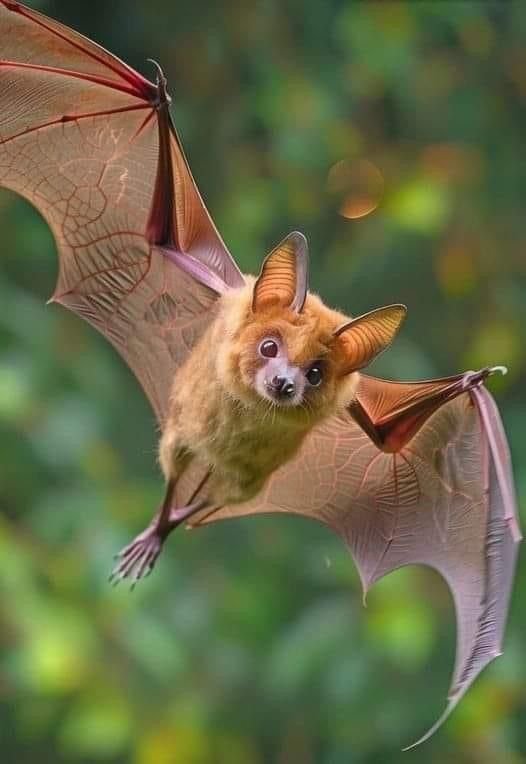
Scientific Name: Myotis lucifugus
Class: Mammalia
Diet: Carnivore (insects)
The little brown bat may hold the record for sleep, resting up to 19 or 20 hours a day. During daylight it hangs motionless in roosts, conserving energy for its brief, active nights. Its extreme rest is a masterclass in survival efficiency.
Interestingly, this bat’s laziness extends into winter, when it hibernates for months in caves. By lowering its body temperature and heart rate, it survives long periods without food. These deep rests are essential to enduring cold seasons.
Little brown bats live across North America, roosting in caves, trees, and buildings. On warm nights they emerge to hunt insects, catching mosquitoes and moths in mid-air using echolocation.
Beyond their sleepy days, these bats are vital insect controllers, eating thousands of pests nightly. Sadly, the disease white-nose syndrome has devastated their populations, raising serious conservation concern.
Fun Fact: A single little brown bat can catch hundreds of mosquitoes in just one hour.
Slow Loris
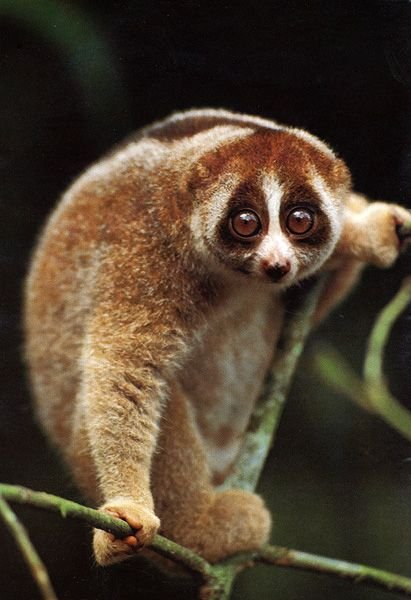
Scientific Name: Nycticebus coucang
Class: Mammalia
Diet: Omnivore
The slow loris lives up to its name, creeping through the trees with slow, deliberate movements. This small nocturnal primate rarely rushes, gripping branches with a careful, unhurried pace. Its calm slowness helps it avoid detection by predators.
What sets the slow loris apart is its surprising secret: it is one of the few venomous mammals. It moves so quietly and slowly that it can approach prey unnoticed, then strike. By day, it curls into a ball and sleeps hidden among the leaves.
Slow lorises inhabit the rainforests of Southeast Asia. They feed on insects, fruit, tree gum, and small animals, foraging quietly through the canopy at night.
Moreover, slow lorises help pollinate plants and disperse seeds as they feed. Tragically, the illegal pet trade and deforestation have pushed several loris species toward endangerment.
Domestic Cat
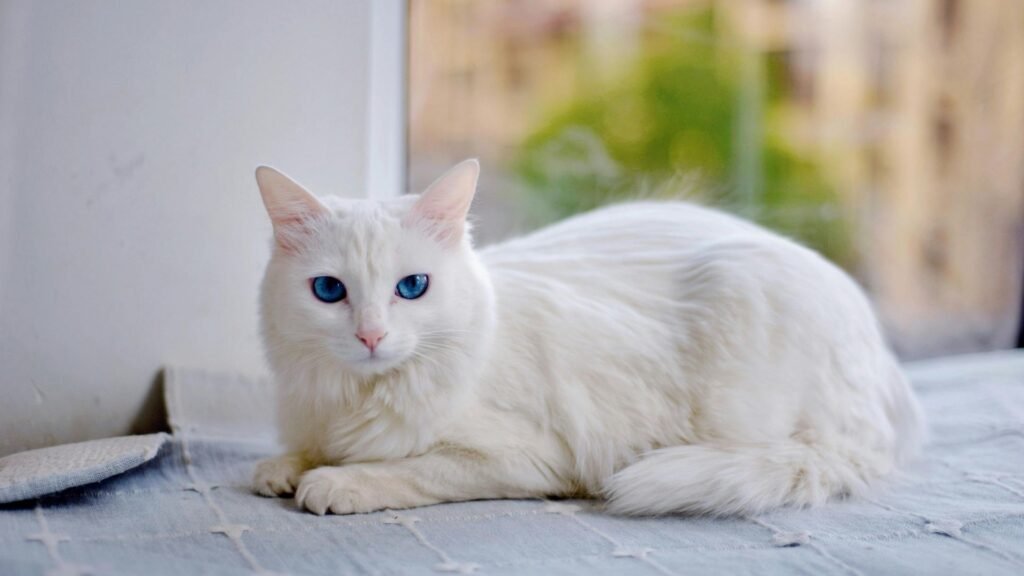
Scientific Name: Felis catus
Class: Mammalia
Diet: Carnivore
The domestic cat is a familiar champion of laziness, sleeping between 12 and 16 hours a day. Curled on a warm spot, it spends much of its life in blissful rest. This love of sleep is inherited directly from its wild hunting ancestors.
Interestingly, a cat’s long naps are a legacy of the ambush predator lifestyle. Hunting requires intense bursts of energy, so cats rest deeply to stay ready for the chase. Even well-fed house cats keep this energy-saving instinct.
Domestic cats live alongside humans across the globe, from city apartments to farms. Though fed by their owners, they retain sharp hunting instincts and will stalk insects, toys, or prey given the chance.
Beyond companionship, cats have shaped human history by controlling rodents for thousands of years. As a species they are thriving, though free-roaming cats can impact local wildlife.
Read: Greedy Animals in the World
Read: Animals With Bushy Tails
Read: Most Shy Animals in The World
Read: Stubborn Animals in The World
Read: Mischievous Animals in The World
Frequently Asked Questions
Conclusion
From the dozing koala to the motionless sloth, the laziest animals in the world reveal that rest can be a powerful survival tool. Their slow lives are finely tuned to conserve energy, endure poor diets, and outlast harsh conditions. Yet these gentle creatures are far from idle in the ecosystem they disperse seeds, control pests, and shape the habitats they call home. Sadly, many now face threats from habitat loss, disease, and human activity.

One Comment