
Top 22 Quiet Animals in the World (With Images)
Did you know that some of the most fascinating creatures on Earth communicate without ever making a sound? The world’s quiet animals move through life in near-silence, relying on body language, color, scent, and stealth instead of noise. Yet these silent species are far more than peaceful curiosities they are stealthy hunters, gentle giants, and vital threads in the web of life, pollinating plants, controlling pests, and balancing ecosystems.
Their quietness is often a brilliant survival strategy, honed over millions of years. In this guide, we’ll explore the top 22 quiet animals in the world, uncovering the secrets behind their silence and why protecting them matters.
List of Quiet Animals in the World
| Rank | Animal | Scientific Name |
|---|---|---|
| 1 | Giraffe | Giraffa camelopardalis |
| 2 | Sloth | Bradypus variegatus |
| 3 | Octopus | Octopus vulgaris |
| 4 | Snail | Cornu aspersum |
| 5 | Butterfly | Danaus plexippus |
| 6 | Sea Turtle | Chelonia mydas |
| 7 | Manatee | Trichechus manatus |
| 8 | Jellyfish | Aurelia aurita |
| 9 | Seahorse | Hippocampus hippocampus |
| 10 | Rabbit | Oryctolagus cuniculus |
| 11 | Snake | Serpentes |
| 12 | White-tailed Deer | Odocoileus virginianus |
| 13 | Snow Leopard | Panthera uncia |
| 14 | Barn Owl | Tyto alba |
| 15 | Chameleon | Chamaeleo chamaeleon |
| 16 | Starfish | Asterias rubens |
| 17 | Praying Mantis | Mantis religiosa |
| 18 | Stick Insect | Carausius morosus |
| 19 | Goldfish | Carassius auratus |
| 20 | Salamander | Ambystoma maculatum |
| 21 | Whale Shark | Rhincodon typus |
| 22 | Slow Loris | Nycticebus coucang |
Giraffe
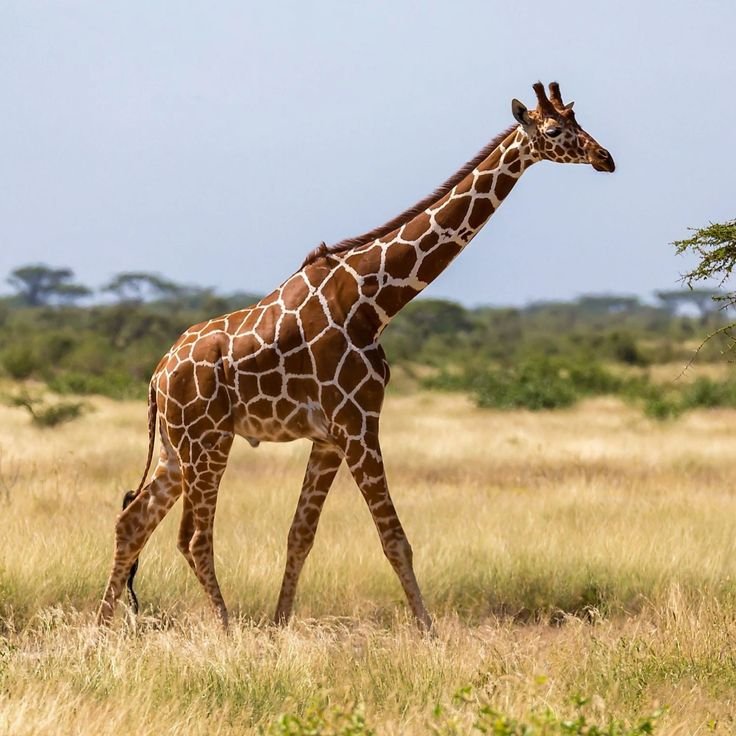
Scientific Name: Giraffa camelopardalis
Class: Mammalia
Diet: Herbivore
The giraffe is often called the quietest animal in the world, a towering giant that moves through the savanna in near-total silence. Despite its enormous size, it rarely makes sounds humans can hear.
Interestingly, giraffes do communicate — through low-frequency infrasound and rich body language. The tilt of a neck or the position of the ears can signal mood and intent across long distances, no audible noise required.
Giraffes inhabit the savannas and open woodlands of sub-Saharan Africa, browsing on acacia leaves high above the reach of other herbivores.
As tall browsers, giraffes shape tree growth and disperse seeds across the plains. Sadly, habitat loss and poaching have made them Vulnerable, with populations declining across much of Africa.
Fun Fact: Giraffes “hum” to each other at night using frequencies too low for human ears to detect.
Sloth
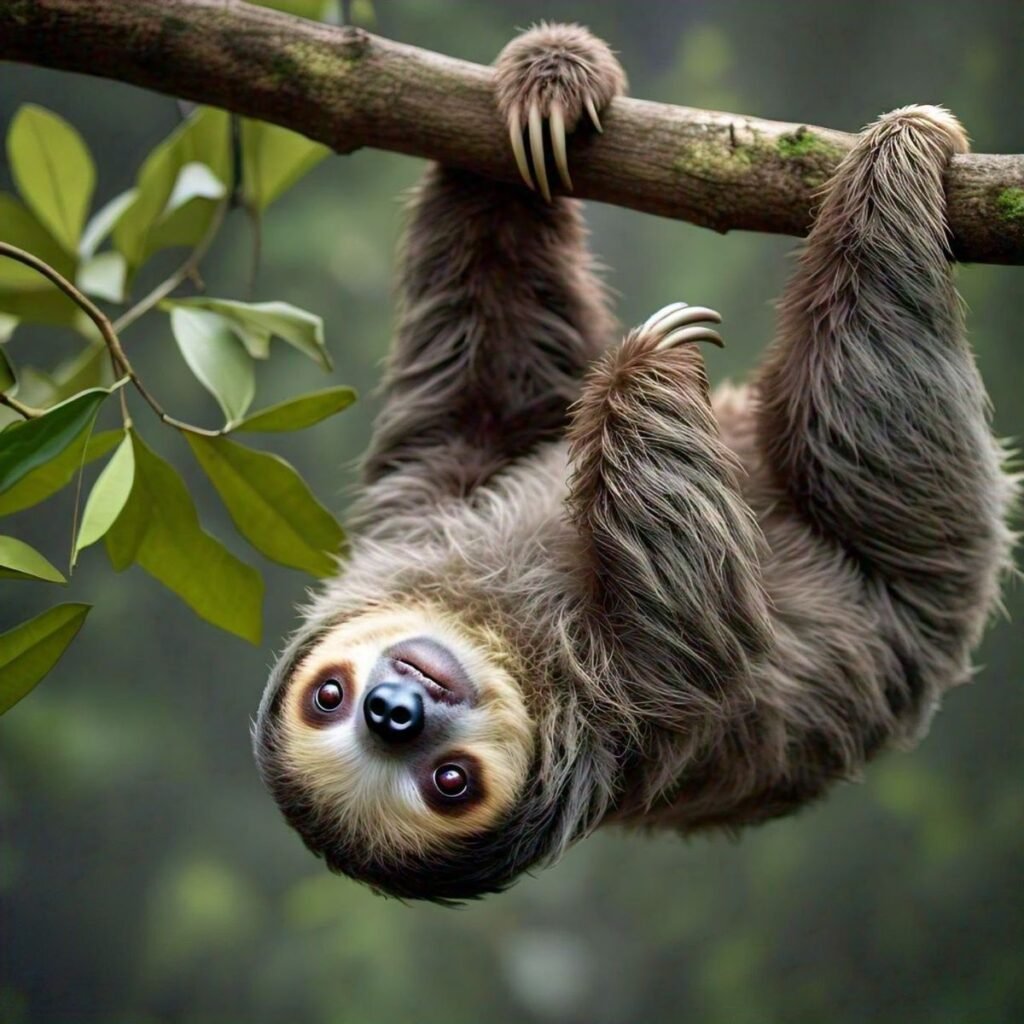
Scientific Name: Bradypus variegatus
Class: Mammalia
Diet: Herbivore
The sloth is a master of quiet living, drifting through the rainforest canopy in slow, silent motion. Its unhurried movements make almost no sound, helping it vanish among the leaves.
Moreover, this silence is a survival tool. By moving slowly and quietly, sloths avoid attracting predators like eagles and jaguars, while algae growing on their fur provides natural camouflage.
Sloths inhabit the tropical rainforests of Central and South America, spending nearly their entire lives high in the trees, feeding on leaves and buds.
As gentle herbivores, sloths support a tiny ecosystem of insects and algae in their fur. Deforestation is their greatest threat, shrinking the canopy they depend on.
Fun Fact: A sloth moves so quietly and slowly that predators relying on motion often fail to notice it at all.
Octopus
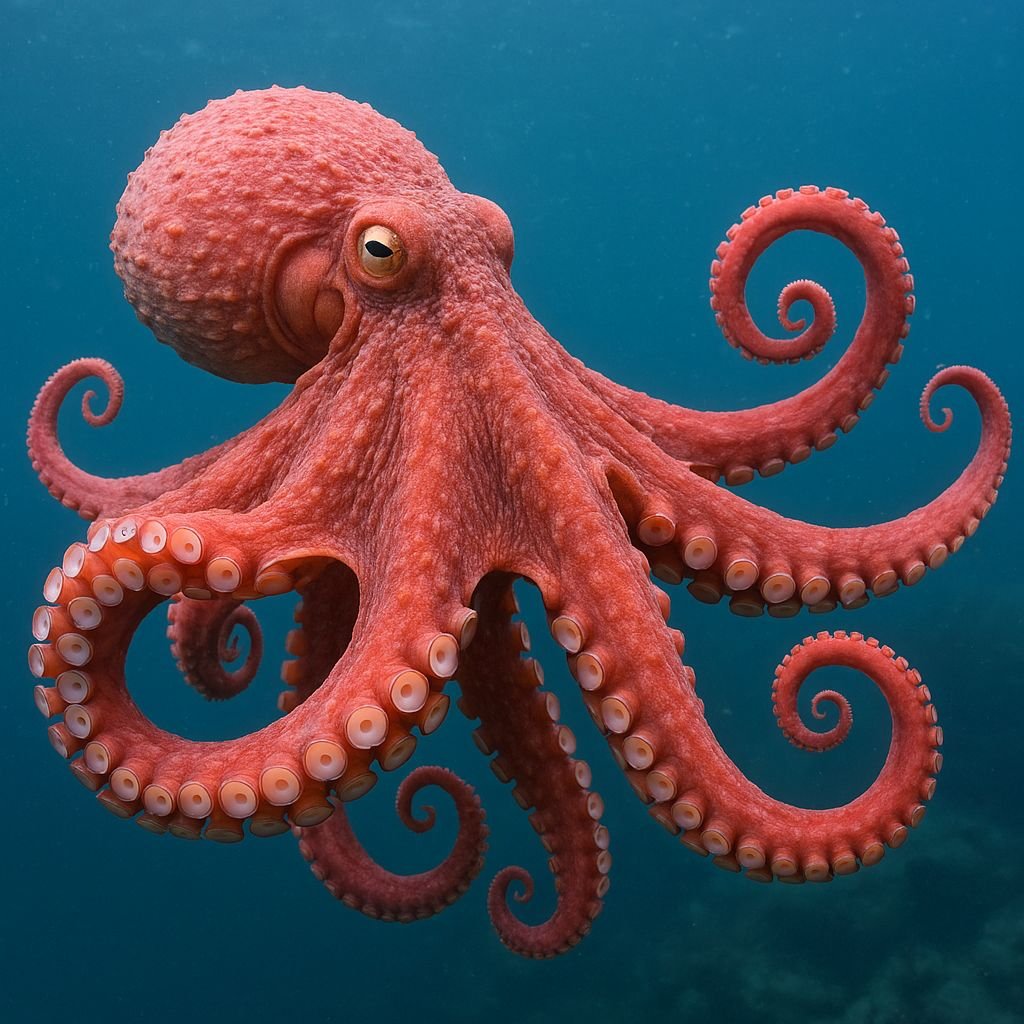
Scientific Name: Octopus vulgaris
Class: Cephalopoda
Diet: Carnivore
The octopus is a silent genius of the sea, hunting and hiding without making a sound. It has no vocal organs, relying instead on stealth, camouflage, and intelligence to survive.
What sets the octopus apart is its astonishing ability to change color and texture in an instant. It solves complex problems, escapes tight spaces, and outwits predators — all in complete silence.
Octopuses inhabit oceans worldwide, from coral reefs to rocky seabeds, ambushing crabs, shrimp, and mollusks with their eight dexterous arms.
As both predator and prey, the octopus plays a key role in marine food webs. Overfishing and habitat degradation threaten some populations, making healthy oceans essential.
Fun Fact: An octopus can squeeze its soft body through any gap larger than its beak — the only hard part of its body.
Snail
Scientific Name: Cornu aspersum
Class: Gastropoda
Diet: Herbivore
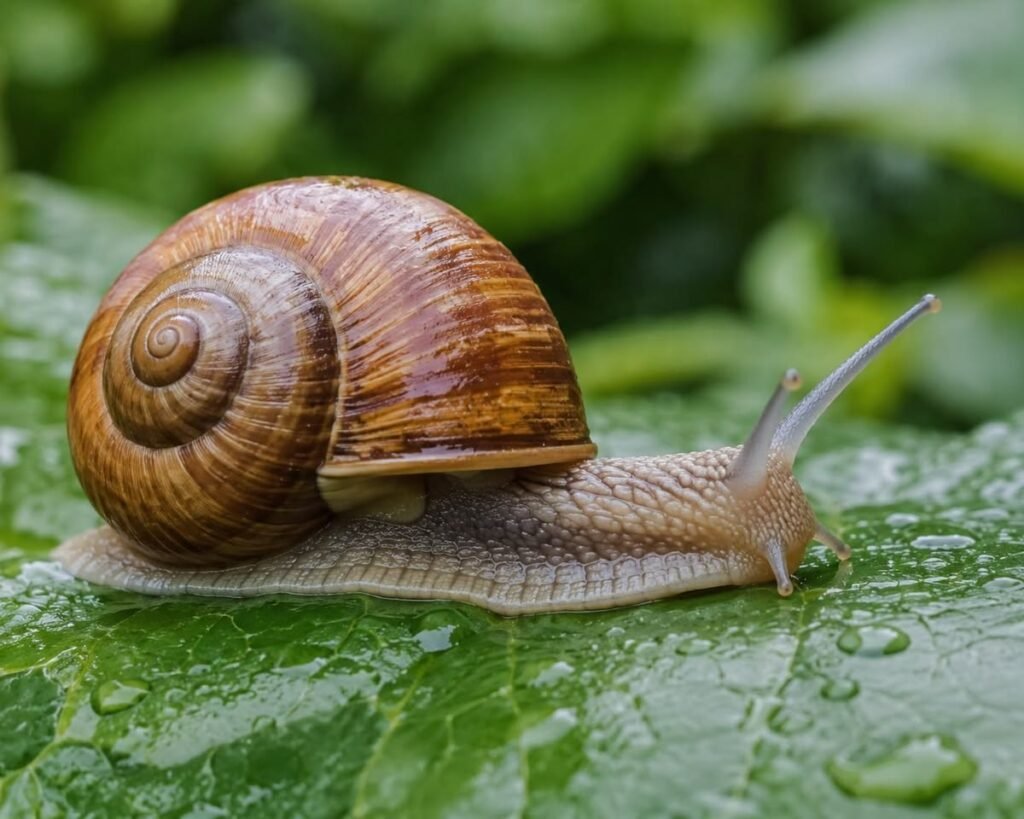
The snail is one of the quietest creatures on Earth, gliding silently on a trail of mucus. Lacking vocal cords entirely, it lives its entire life in perfect silence.
Beyond their stillness, snails are surprisingly resilient. They retreat into their spiral shells for protection and can seal themselves inside to survive dry or cold conditions for months.
Snails are found almost everywhere — gardens, forests, and wetlands across the globe — feeding on leaves, fungi, and decaying plant matter.
As decomposers, snails help recycle nutrients and enrich the soil. While many species are common, habitat loss and pollution threaten specialized snails around the world.
Fun Fact: Snails are hermaphrodites, meaning each individual has both male and female reproductive organs.
Butterfly
Scientific Name: Danaus plexippus
Class: Insecta
Diet: Nectarivore
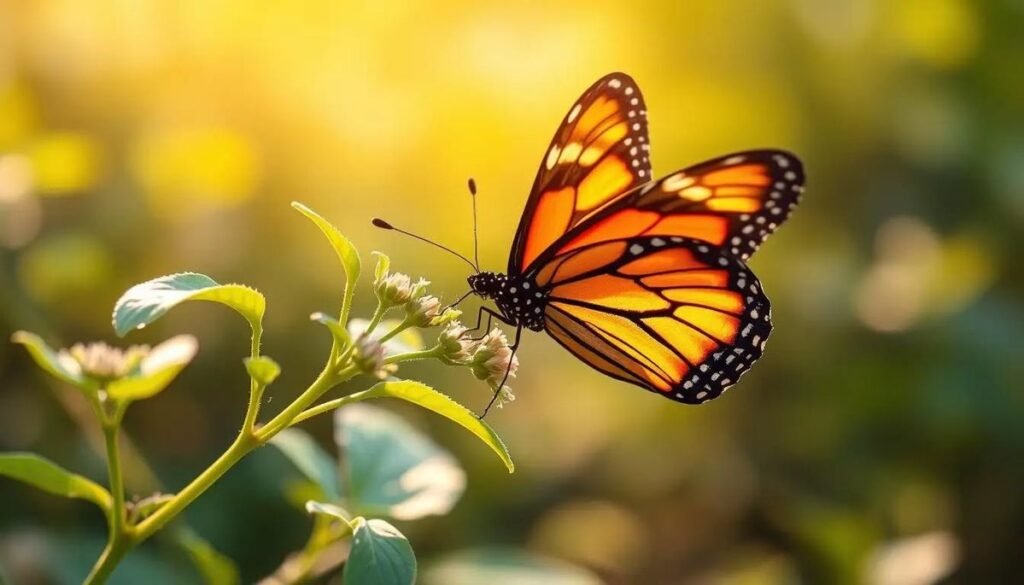
The butterfly floats through the air in peaceful silence, its delicate wings never making a sound as it drifts from flower to flower. It is a living emblem of quiet grace.
Interestingly, butterflies communicate entirely without noise. They rely on vivid wing colors, patterns, and movement to send signals to mates and rivals, painting messages in silence.
Monarch butterflies range across the Americas, migrating thousands of miles between breeding and wintering grounds rich in milkweed and nectar plants.
As silent pollinators, butterflies help countless flowering plants reproduce. Habitat loss, pesticides, and climate change threaten many species, including the iconic monarch.
Fun Fact: Monarch butterflies migrate up to 3,000 miles, an astonishing journey made in complete silence.
Sea Turtle
Scientific Name: Chelonia mydas
Class: Reptilia
Diet: Herbivore
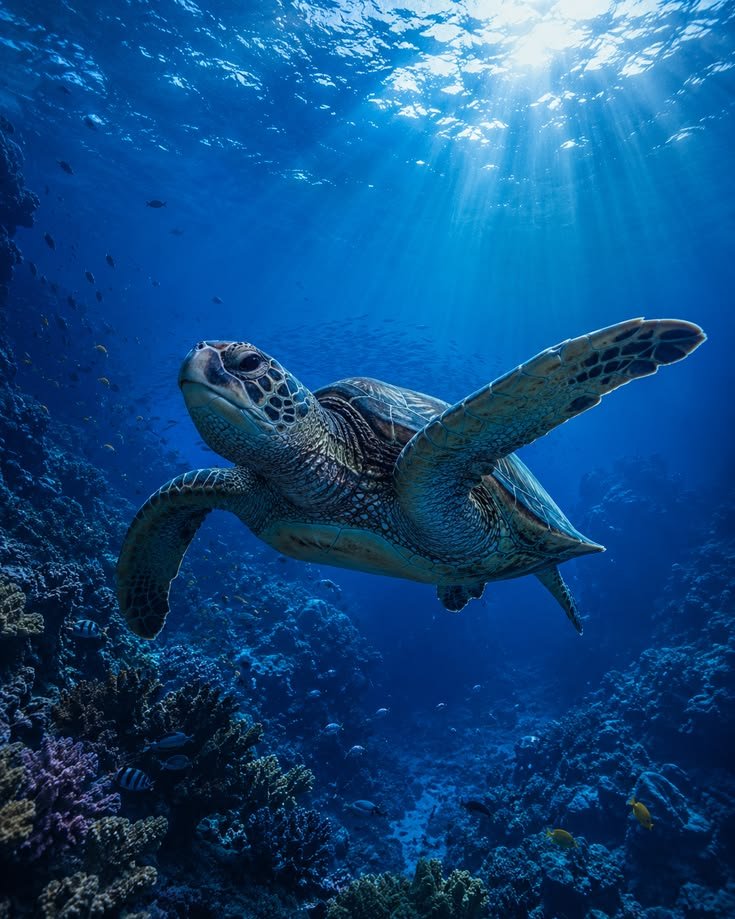
The sea turtle glides through the ocean with quiet, ancient grace, one of the calmest travelers of the deep. Adults are largely silent, moving through the water with slow, deliberate strokes.
Moreover, sea turtles are remarkable navigators, crossing entire oceans to return to the very beaches where they hatched. They rely on Earth’s magnetic field rather than sound to find their way.
Green sea turtles inhabit tropical and subtropical seas worldwide, grazing on seagrass and algae in warm coastal waters.
As grazers, they keep seagrass meadows healthy and support marine biodiversity. Sadly, green sea turtles are Endangered, threatened by fishing nets, pollution, and habitat loss.
Fun Fact: A sea turtle can hold its breath for hours while resting, drifting silently beneath the waves.
Manatee
Scientific Name: Trichechus manatus
Class: Mammalia
Diet: Herbivore
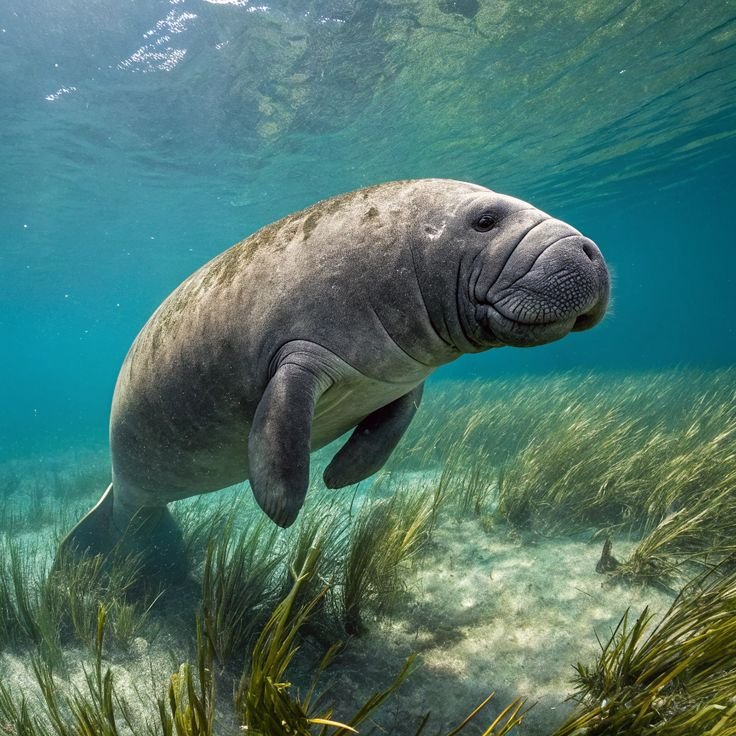
The manatee, often called the “sea cow,” is a gentle, quiet giant of warm coastal waters. It drifts peacefully through shallow rivers and lagoons, rarely making any noise.
Interestingly, manatees do communicate using soft chirps and squeaks, but these gentle sounds are quiet and infrequent. Much of their interaction relies on touch and slow, graceful movement.
Manatees inhabit the warm waters of the southeastern United States, the Caribbean, and parts of South America, grazing on seagrass and aquatic plants.
As voracious grazers, manatees help keep waterways healthy. Boat collisions, habitat loss, and cold stress make them Vulnerable, requiring careful protection.
Fun Fact: A manatee can eat up to 10% of its body weight in aquatic plants every single day.
Jellyfish
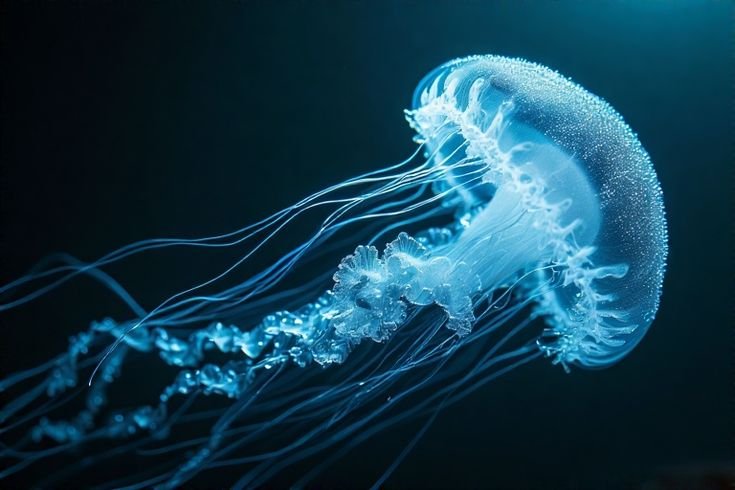
Scientific Name: Aurelia aurita
Class: Scyphozoa
Diet: Carnivore
The jellyfish is one of the most silent creatures in the ocean, pulsing through the water without a single sound. Lacking a brain, heart, or vocal organs, it drifts in serene quiet.
What sets the jellyfish apart is its otherworldly beauty. Many species glow with bioluminescence, using light rather than sound to attract prey or startle predators in the dark depths.
Jellyfish inhabit oceans across the globe, from sunlit surface waters to the deep sea, feeding on plankton, fish eggs, and small fish.
As both predator and prey, jellyfish are important to ocean food webs. Warming seas and pollution are causing some jellyfish blooms to grow, signaling shifting marine health.
Fun Fact: Some jellyfish are considered biologically immortal, able to revert to an earlier life stage and start over.
Seahorse
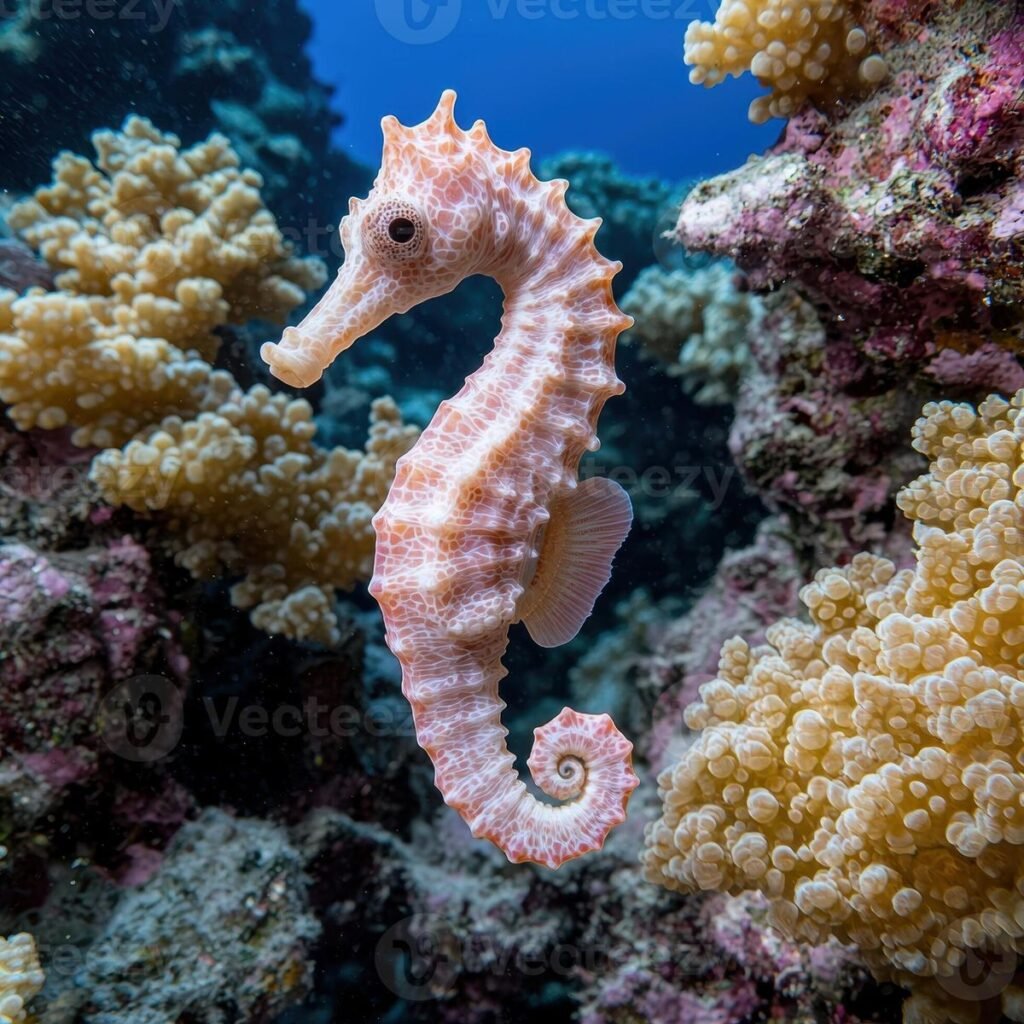
Scientific Name: Hippocampus hippocampus
Class: Actinopterygii
Diet: Carnivore
The seahorse is a tiny, silent wonder of the sea, drifting upright through seagrass with almost no movement or sound. Its delicate, horse-like head and curling tail make it instantly recognizable.
Beyond their charm, seahorses are quiet ambush hunters, sucking up tiny prey with a soft, near-silent snap of their snout. They anchor themselves to plants with their prehensile tails.
Seahorses inhabit shallow tropical and temperate waters, especially seagrass beds, coral reefs, and mangroves around the world.
As delicate predators, seahorses help control tiny crustacean populations. Habitat loss and overharvesting for traditional medicine threaten many seahorse species.
Fun Fact: In seahorses, it is the male that becomes pregnant and gives birth to the young.
Rabbit
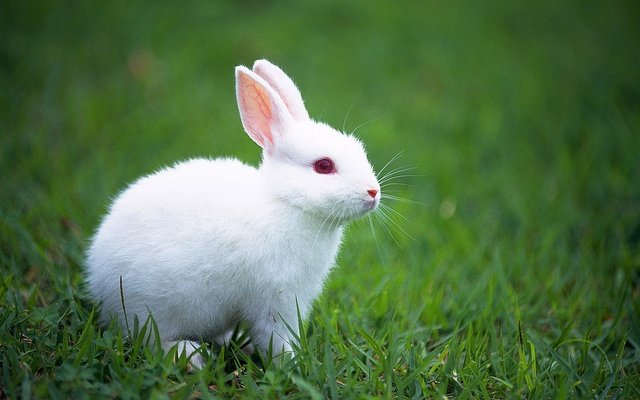
Scientific Name: Oryctolagus cuniculus
Class: Mammalia
Diet: Herbivore
The rabbit is a famously quiet mammal, moving softly through meadows and burrows with barely a sound. It rarely vocalizes, staying silent to avoid drawing the attention of predators.
Interestingly, rabbits communicate mostly through body language, scent, and touch. When danger threatens, they thump their powerful hind legs on the ground, sending a silent vibration as a warning.
Rabbits inhabit grasslands, forests, and meadows across much of the world, feeding on grasses, leaves, and other vegetation.
As grazers and prey, rabbits are vital to many ecosystems and food chains. In their native range, the European rabbit is now listed as Endangered due to disease and habitat loss.
Fun Fact: A frightened rabbit can scream, but normally it stays completely silent, relying on speed and stealth.
Snake
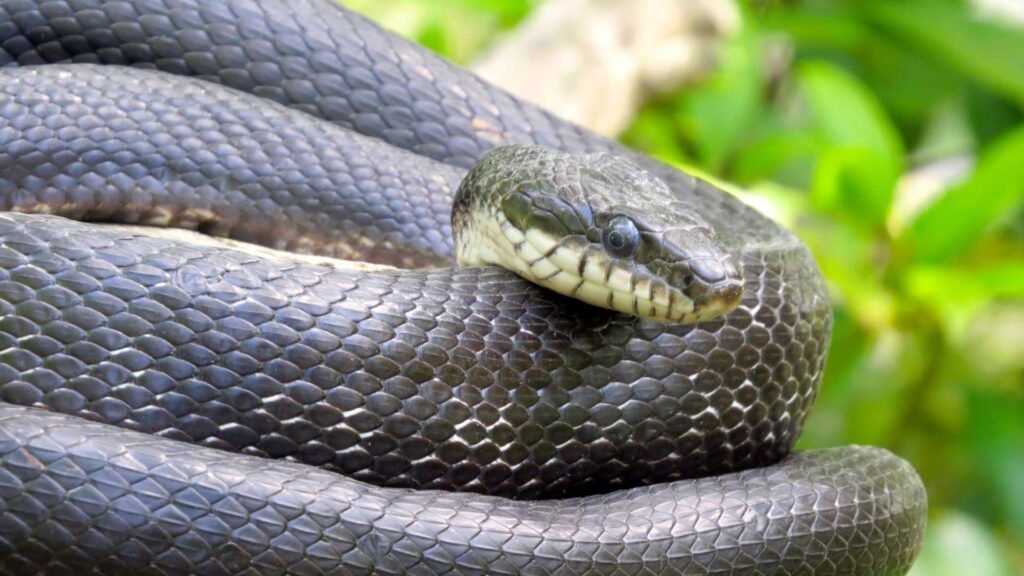
Scientific Name: Serpentes
Class: Reptilia
Diet: Carnivore
The snake is a silent glider, slipping across the ground without making a sound. Its smooth, scaled body moves in near-total quiet, making it one of nature’s stealthiest hunters.
Moreover, snakes communicate through body language and chemical signals rather than sound. They flick their tongues to “taste” the air, detecting prey and rivals in complete silence.
Snakes inhabit nearly every habitat on Earth, from deserts and forests to rivers and grasslands, preying on rodents, birds, insects, and other animals.
As predators, snakes help control rodent and pest populations. Many species face threats from habitat loss, persecution, and the illegal wildlife trade.
Fun Fact: Snakes have no external ears and “hear” by sensing vibrations through their jawbones and the ground.
White-tailed Deer
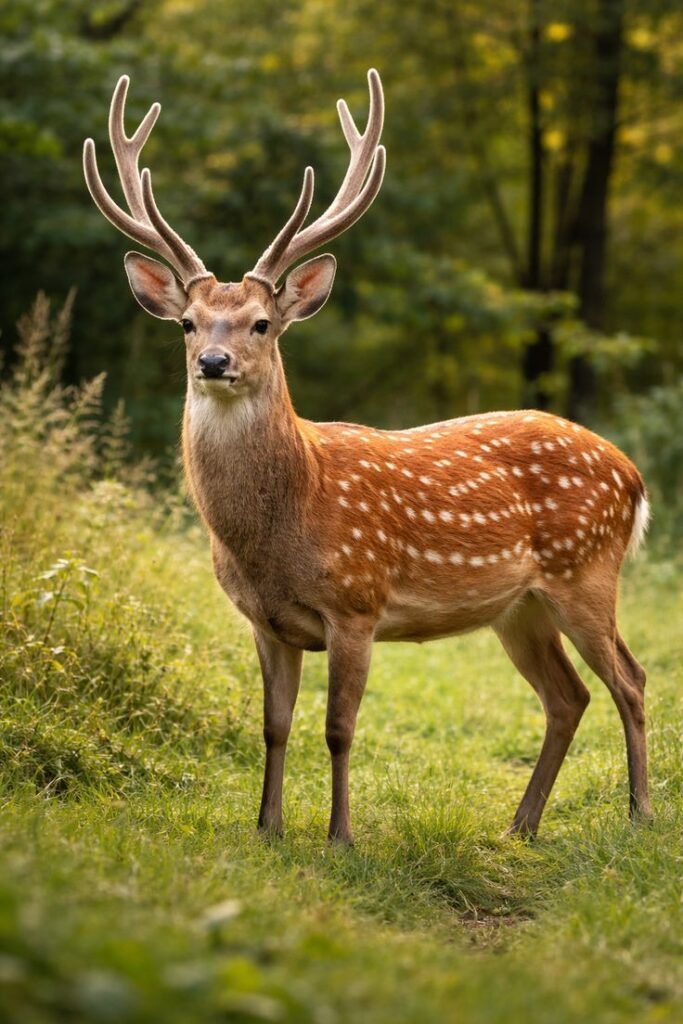
Scientific Name: Odocoileus virginianus
Class: Mammalia
Diet: Herbivore
The white-tailed deer is a quiet, elusive creature that moves through forests with soft, careful steps. It prefers to stay silent and hidden in dense cover, slipping away at the first sign of danger.
Interestingly, deer communicate largely without sound, using scent, body posture, and the flash of their white tails as an alarm signal. Vocalizations are rare and usually reserved for distress or the mating season.
White-tailed deer inhabit the forests, grasslands, and farmlands of the Americas, browsing on leaves, twigs, fruit, and grasses.
As browsers, deer shape plant communities and support predators. Widespread and adaptable, they are of Least Concern, though local populations depend on healthy habitats.
Fun Fact: When alarmed, a white-tailed deer raises its tail like a white flag to silently warn others of danger.
Snow Leopard
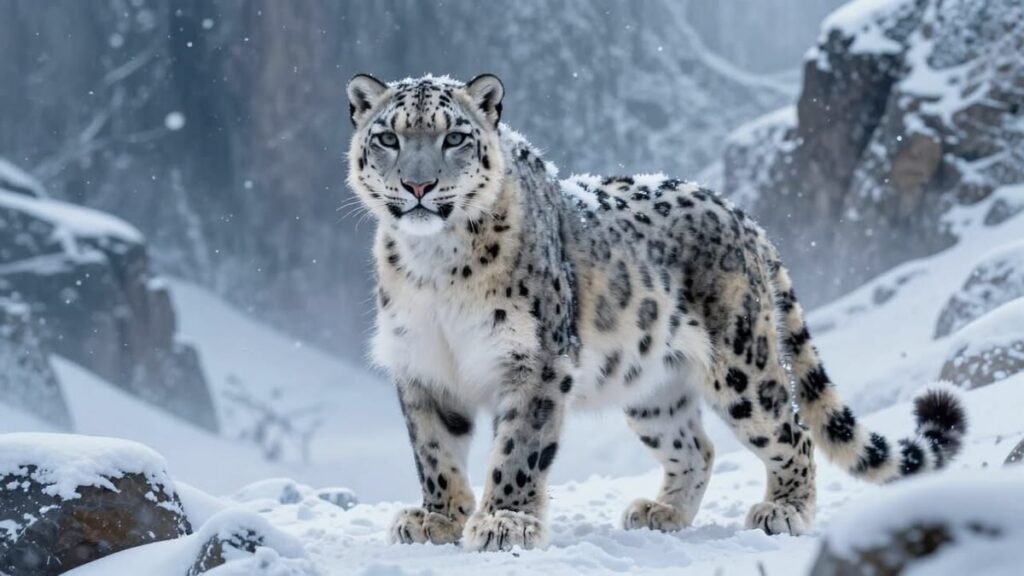
Scientific Name: Panthera uncia
Class: Mammalia
Diet: Carnivore
The snow leopard, often called the “ghost of the mountains,” is a silent phantom of the high peaks. It stalks its prey without a sound, blending perfectly into the rocky, snowy terrain.
What sets the snow leopard apart is that, unlike other big cats, it cannot roar. Instead, it communicates through soft chuffs, growls, and scent markings left across its vast mountain range.
Snow leopards inhabit the rugged mountains of Central and South Asia, hunting wild sheep, goats, and smaller mammals across steep, remote slopes.
As apex predators, snow leopards keep mountain ecosystems in balance. Poaching, habitat loss, and climate change have made them Vulnerable and elusive.
Fun Fact: A snow leopard’s thick tail is nearly as long as its body, used for balance and as a warm wrap in the cold.
Barn Owl
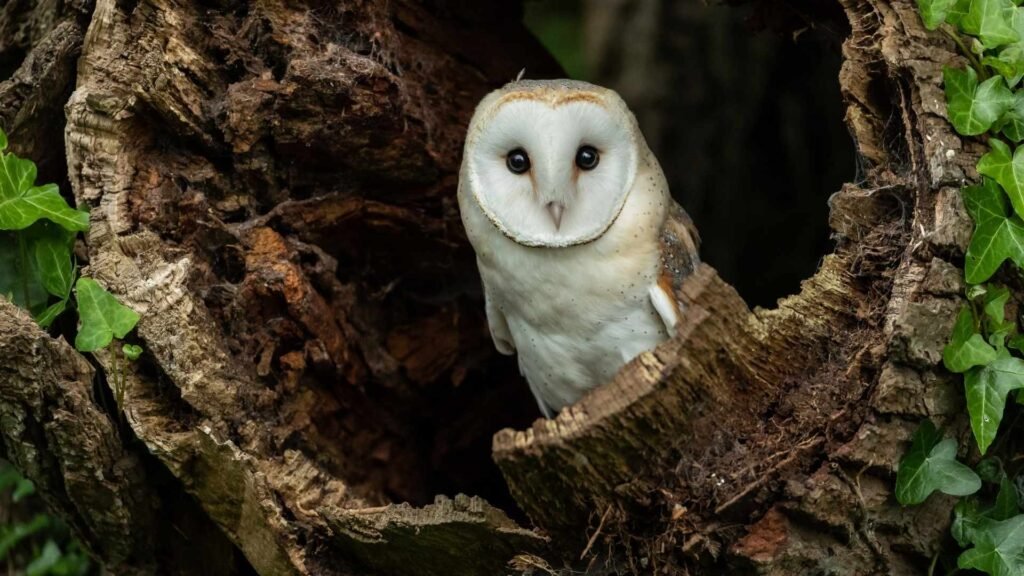
Scientific Name: Tyto alba
Class: Aves
Diet: Carnivore
The barn owl is the silent assassin of the night sky, flying so quietly that its prey never hears it coming. Specialized feathers muffle the sound of its wingbeats almost completely.
Beyond their silent flight, barn owls rely on extraordinary hearing to hunt in darkness. They can pinpoint a mouse rustling in the grass using sound alone, striking without warning.
Barn owls are found on nearly every continent, hunting over farmland, grasslands, and open country for rodents and small mammals.
As natural pest controllers, barn owls are invaluable to farmers and ecosystems alike. Habitat loss and pesticide use threaten populations in many regions.
Fun Fact: A barn owl’s flight is so silent that even sensitive microphones struggle to detect the sound of its wings.
Chameleon
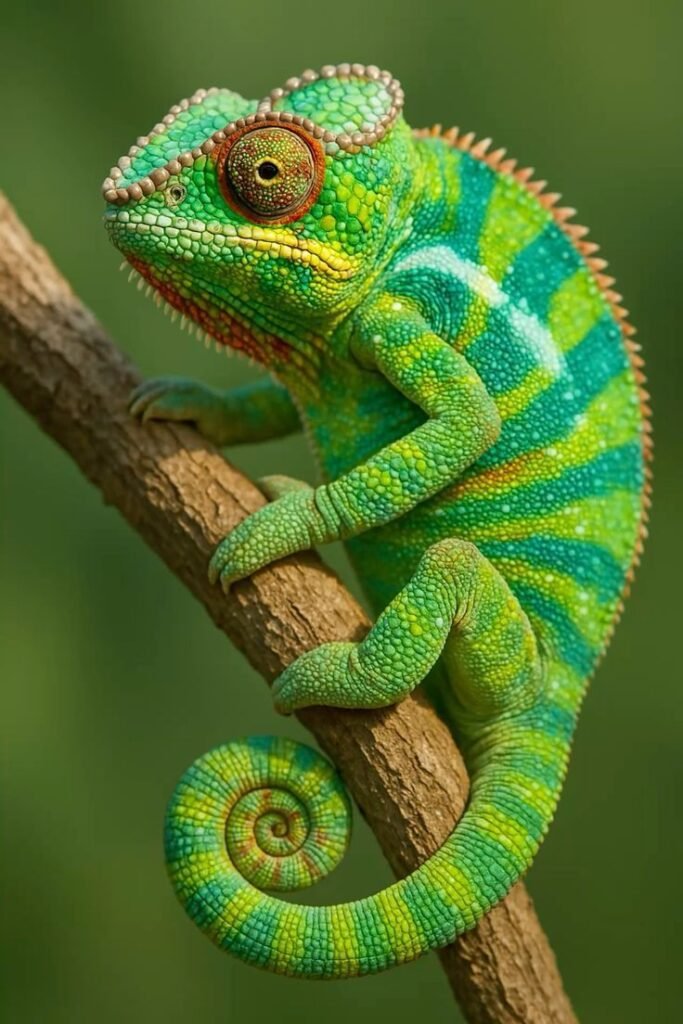
Scientific Name: Chamaeleo chamaeleon
Class: Reptilia
Diet: Insectivore
The chameleon is a silent, slow-moving master of disguise, creeping through branches without a sound. Its careful, swaying steps help it blend into the swaying leaves around it.
Interestingly, chameleons communicate through color rather than noise. Shifting skin tones signal mood, territory, and readiness to mate, turning their bodies into silent, living billboards.
Chameleons inhabit the forests, scrublands, and deserts of Africa, Madagascar, and parts of southern Europe and Asia, hunting insects with lightning-fast tongues.
As insect predators, chameleons help control pest populations. Habitat destruction and the pet trade threaten many chameleon species, especially those found nowhere else.
Fun Fact: A chameleon’s tongue can shoot out faster than a sports car accelerates, snatching prey in a silent flash.
Starfish

Scientific Name: Asterias rubens
Class: Asteroidea
Diet: Carnivore
The starfish, or sea star, is a completely silent inhabitant of the ocean floor. Moving on hundreds of tiny tube feet, it glides across the seabed without a whisper of sound.
What sets the starfish apart is its remarkable regeneration. It can regrow lost arms, and some species can even rebuild an entire body from a single limb — all in perfect silence.
Starfish inhabit oceans worldwide, from tide pools to the deep sea, feeding on clams, mussels, and other slow-moving prey.
As predators, starfish help control shellfish populations and shape marine communities. Warming seas and disease outbreaks threaten some starfish species significantly.
Fun Fact: A starfish has no brain and no blood, using filtered seawater to move its body and feed.
Praying Mantis
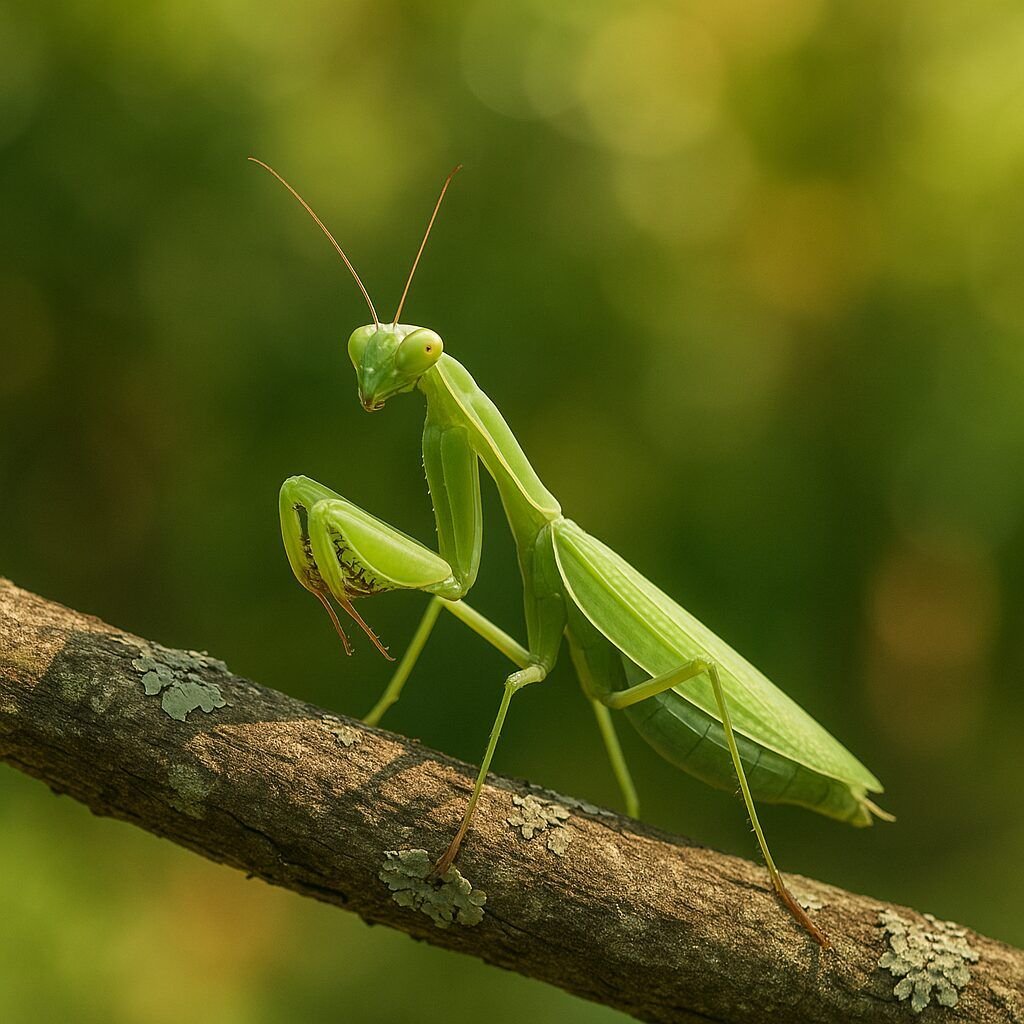
Scientific Name: Mantis religiosa
Class: Insecta
Diet: Carnivore
The praying mantis is a silent, patient predator, holding utterly still as it waits to ambush its prey. Its stealth and stillness make it one of the quietest hunters in the insect world.
Moreover, the mantis relies entirely on silence and camouflage. Blending into leaves and stems, it strikes with lightning speed, seizing insects in its spiked forelegs without a sound.
Praying mantises inhabit gardens, grasslands, and forests across temperate and tropical regions worldwide, hunting flies, moths, and other insects.
As insect predators, mantises provide natural pest control in gardens and ecosystems. Most species are common, though habitat loss and pesticides can affect local populations.
Fun Fact: A praying mantis can rotate its head nearly 180 degrees to silently track prey with its large, forward-facing eyes.
Stick Insect
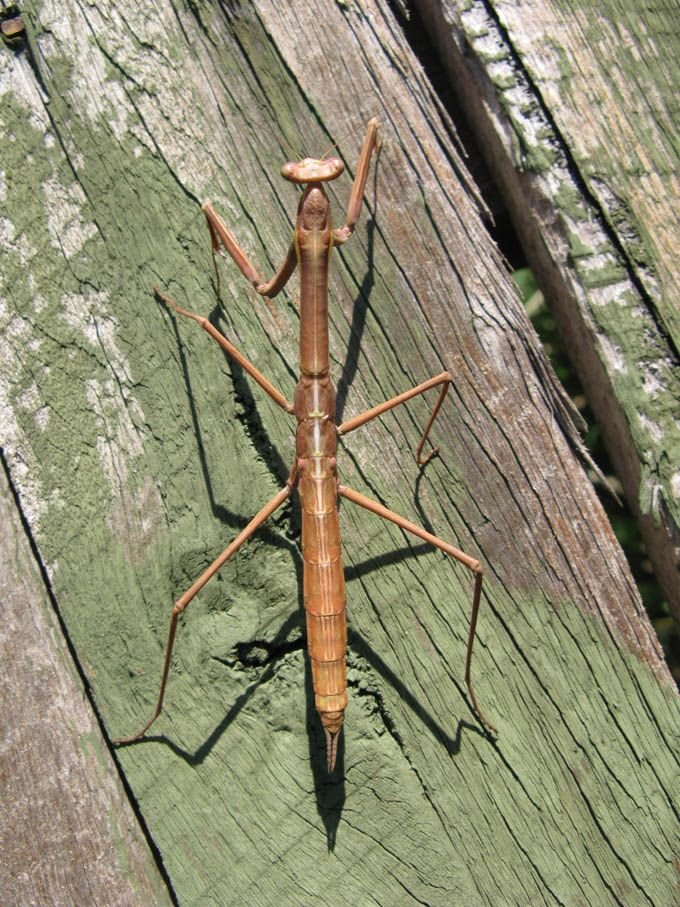
Scientific Name: Carausius morosus
Class: Insecta
Diet: Herbivore
The stick insect is a silent marvel of camouflage, perfectly disguised as a twig or leaf. It stays motionless for hours, making no sound as it hides in plain sight.
Interestingly, the stick insect’s silence and stillness are its main defenses. By mimicking vegetation and swaying gently like a branch in the breeze, it fools predators without ever moving quickly or noisily.
Stick insects inhabit forests and woodlands across the world’s warmer regions, feeding quietly on leaves at night.
As leaf-eaters, stick insects are part of the delicate balance of their forest homes. Habitat loss threatens some specialized species found only in small areas.
Fun Fact: Some female stick insects can reproduce without a mate, laying eggs that hatch into perfect copies of themselves.
Goldfish
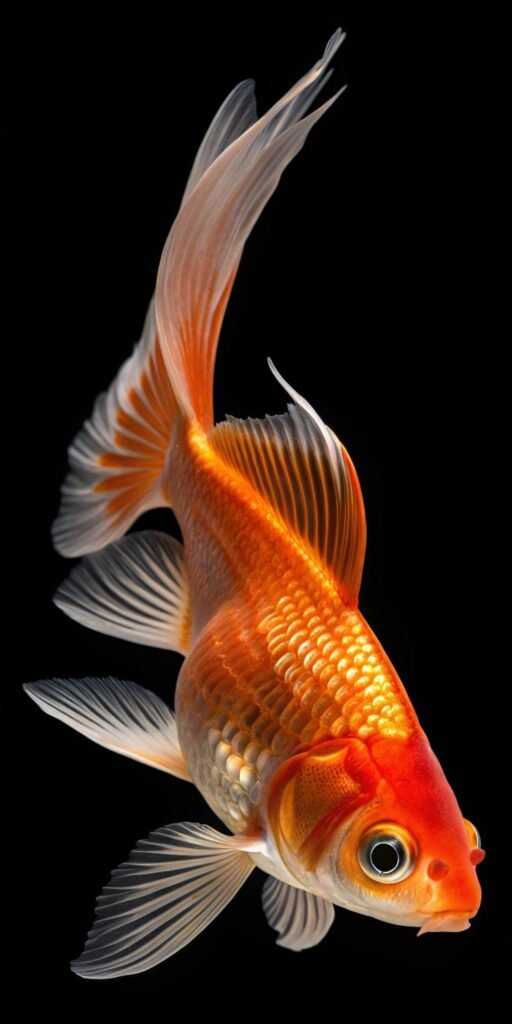
Scientific Name: Carassius auratus
Class: Actinopterygii
Diet: Omnivore
The goldfish is a quiet, graceful swimmer, gliding silently through the water with gentle sweeps of its fins. Like most fish, it lives without producing sounds audible to human ears.
Beyond their silence, goldfish are surprisingly perceptive. They sense vibrations and movement through the water and can even recognize familiar faces, all without making a sound.
Originally from East Asia, goldfish now live in ponds and aquariums worldwide, feeding on plants, insects, and small aquatic creatures.
As adaptable omnivores, goldfish reflect the quiet resilience of freshwater fish. Released pet goldfish can, however, become invasive and disrupt wild waterways.
Fun Fact: Goldfish have a far better memory than the myth suggests, able to remember things for months.
Salamander
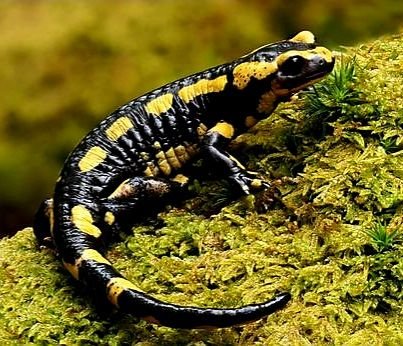
Scientific Name: Ambystoma maculatum
Class: Amphibia
Diet: Carnivore
The salamander is a silent amphibian, slipping through damp forests and streams without a sound. Unlike noisy frogs, most salamanders have no vocal cords and live in near-total quiet.
Moreover, salamanders communicate through scent and touch rather than calls. Their smooth, moist skin also lets them breathe and sense their surroundings, helping them stay hidden and silent.
Salamanders inhabit moist woodlands, streams, and ponds across the Americas, Europe, and Asia, feeding on insects, worms, and other small invertebrates.
As predators and prey, salamanders are important indicators of a healthy environment. Pollution, habitat loss, and disease threaten many salamander species worldwide.
Fun Fact: Many salamanders can regrow lost limbs, tails, and even parts of vital organs.
Whale Shark
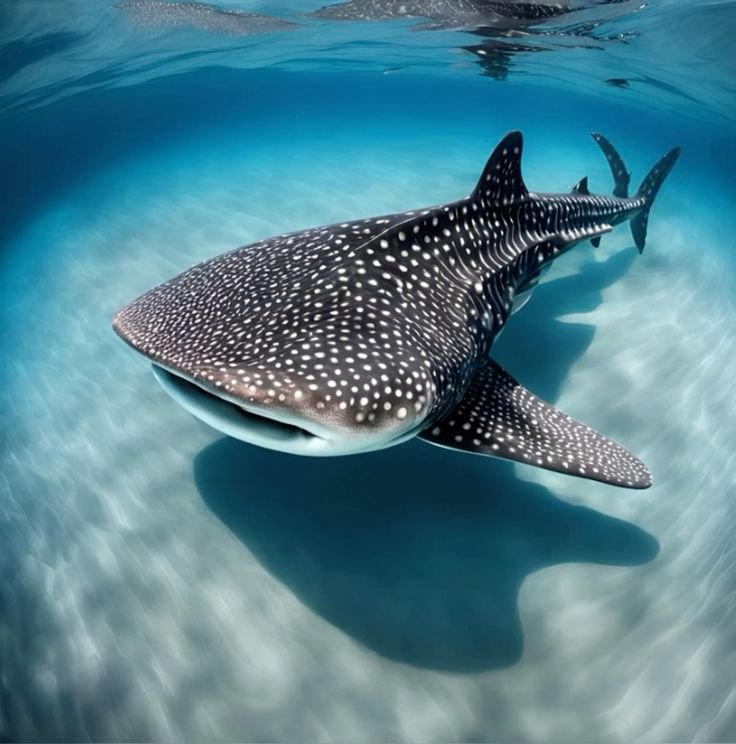
Scientific Name: Rhincodon typus
Class: Chondrichthyes
Diet: Carnivore
The whale shark is the largest fish in the ocean, yet it is a gentle, silent giant. Despite its immense size, it glides through the sea peacefully, making no sound as it feeds.
What sets the whale shark apart is its calm, filter-feeding lifestyle. It cruises slowly with its huge mouth open, quietly straining plankton and tiny fish from the water.
Whale sharks roam warm tropical oceans worldwide, often gathering where plankton blooms provide abundant food.
As filter feeders, whale sharks help reflect the health of ocean ecosystems. Sadly, they are Endangered, threatened by ship strikes, fishing, and habitat disturbance.
Fun Fact: Each whale shark has a unique pattern of spots, like a fingerprint, used by scientists to identify individuals.
Slow Loris
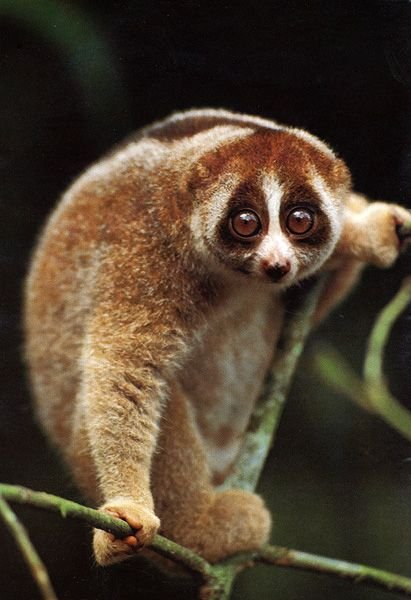
Scientific Name: Nycticebus coucang
Class: Mammalia
Diet: Omnivore
The slow loris is a quiet, slow-moving primate that creeps through the night forest in silence. Its deliberate, careful movements help it avoid detection by predators and prey alike.
Interestingly, the slow loris relies on stealth rather than sound. Moving with almost hypnotic slowness, it sneaks up on insects and creeps between branches without a whisper.
Slow lorises inhabit the tropical forests of Southeast Asia, feeding on insects, fruit, nectar, and tree gum under the cover of darkness.
As quiet foragers, slow lorises help disperse seeds and control insects. Habitat loss and the illegal pet trade have made several species Endangered.
Fun Fact: The slow loris is one of the world’s only venomous mammals, producing a toxin from glands near its elbows.
Read: Most Docile Animals in the World
Read: Clumsy Animals in The World
Read: Animals That Eat Oranges
Read: Animals That Look Like Rats
Read: Laziest Animals in the World
Frequently Asked Questions
Conclusion
From the towering, infrasound-humming giraffe to the silent glide of a barn owl, the world’s quiet animals prove that silence can be a powerful force. Each species whether a camouflaged chameleon or a gentle whale shark has mastered the art of communicating and surviving without noise, enriching its ecosystem in subtle but vital ways.
2 Comments