Top 15 Thickest Skin Animals in The World (With Images)
Did you know that one ocean giant has skin up to 14 inches thick, tougher than any armor humans could design? In the animal kingdom, thick skin is one of nature’s most effective forms of protection. It shields animals from predators, brutal fights, harsh sun, biting insects, and crushing ocean pressure.
From the collagen-packed hide of a rhinoceros to the record-breaking skin of a whale shark, these tough-skinned survivors are built like living tanks. In this guide, we’ll explore the top 15 thickest skin animals in the world, uncovering just how thick their hides are and why this remarkable armor helps them thrive.
List of Thickest Skin Animals in The World
| Rank | Animal | Scientific Name |
|---|---|---|
| 1 | Sperm Whale | Physeter macrocephalus |
| 2 | Whale Shark | Rhincodon typus |
| 3 | Hippopotamus | Hippopotamus amphibius |
| 4 | White Rhinoceros | Ceratotherium simum |
| 5 | Indian Rhinoceros | Rhinoceros unicornis |
| 6 | African Elephant | Loxodonta africana |
| 7 | Nile Crocodile | Crocodylus niloticus |
| 8 | Walrus | Odobenus rosmarus |
| 9 | Honey Badger | Mellivora capensis |
| 10 | Armadillo | Dasypus novemcinctus |
| 11 | Pangolin | Manis javanica |
| 12 | Blue Whale | Balaenoptera musculus |
| 13 | Cape Buffalo | Syncerus caffer |
| 14 | Komodo Dragon | Varanus komodoensis |
| 15 | Elephant Seal | Mirounga angustirostris |
Sperm Whale
Scientific Name: Physeter macrocephalus
Class: Mammalia
Diet: Carnivore
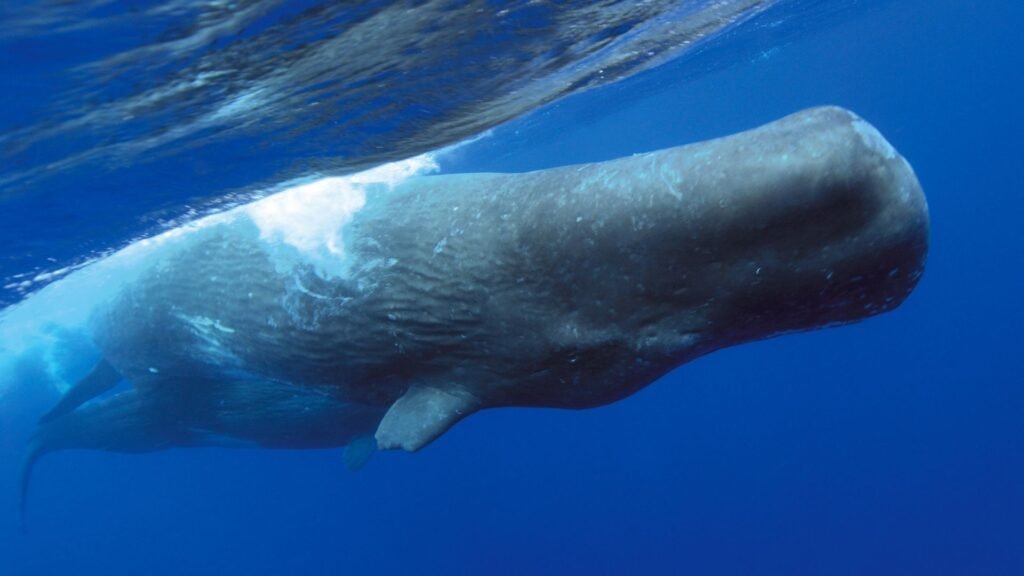
The sperm whale has the thickest skin of any animal, reaching an astounding 14 inches thick over much of its body. This incredible hide protects it in the crushing deep sea.
Interestingly, the sperm whale’s thick skin guards it against intense ocean pressure and helps it withstand attacks from predators like orcas. Its tough hide also bears scars from battles with giant squid.
Sperm whales roam oceans worldwide, diving to great depths to hunt squid, sharks, and large fish.
As deep-diving predators, sperm whales help balance ocean ecosystems. Once heavily hunted, they remain Vulnerable.
Fun Fact: A sperm whale’s skin can be up to 14 inches thick, the thickest of any creature on Earth.
Whale Shark
Scientific Name: Rhincodon typus
Class: Chondrichthyes
Diet: Carnivore
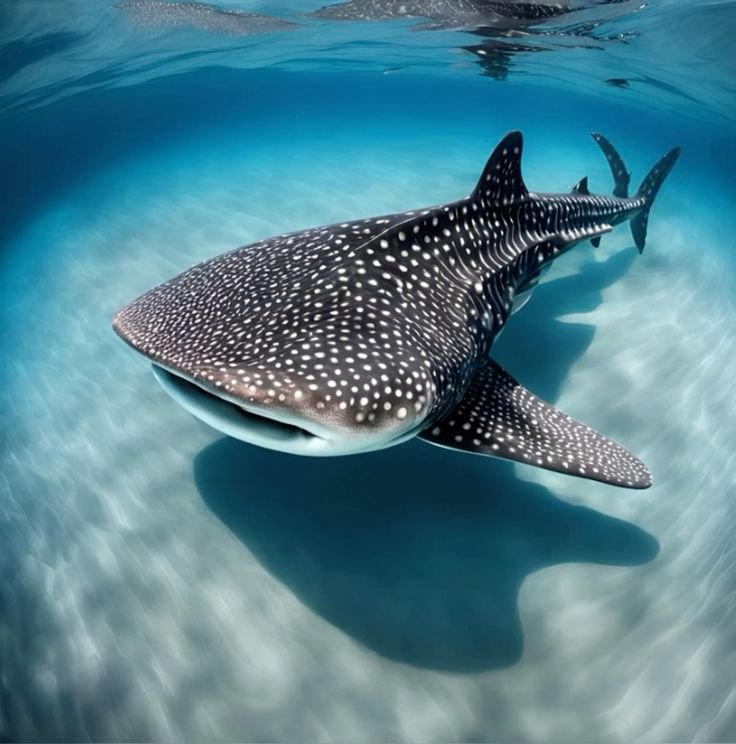
The whale shark has the thickest skin of any fish, measuring up to 10 centimeters in some areas. Hard and rough to the touch, it is among the toughest hides in the ocean.
Moreover, the whale shark’s incredibly thick skin protects it from parasites, injuries, and the occasional predator. Its tiny tooth-like scales add another layer of defense to its massive body.
Whale sharks roam warm tropical oceans worldwide, filtering plankton and small fish through their enormous mouths.
As gentle filter feeders, whale sharks reflect the health of ocean ecosystems. Sadly, they are Endangered, threatened by ship strikes and fishing.
Fun Fact: The whale shark has the thickest skin of any living fish, so tough it can resist most bites and scrapes.
Hippopotamus

Scientific Name: Hippopotamus amphibius
Class: Mammalia
Diet: Herbivore
The hippopotamus has skin up to 6 centimeters thick, built from dense layers of collagen. This tough hide is vital for surviving its aggressive, semi-aquatic life.
Interestingly, the hippo’s thick skin protects it from the sun and from the vicious bites of rival hippos. It even secretes a reddish “blood sweat” that acts as a natural sunscreen and antibiotic.
Hippos inhabit the rivers, lakes, and wetlands of sub-Saharan Africa, grazing on grasses at night.
As semi-aquatic grazers, hippos enrich aquatic ecosystems by moving nutrients between land and water. Habitat loss and poaching have made them Vulnerable.
Fun Fact: A hippo’s thick skin loses water quickly out of the water, so it must stay wet or shaded to avoid drying out.
White Rhinoceros
Scientific Name: Ceratotherium simum
Class: Mammalia
Diet: Herbivore
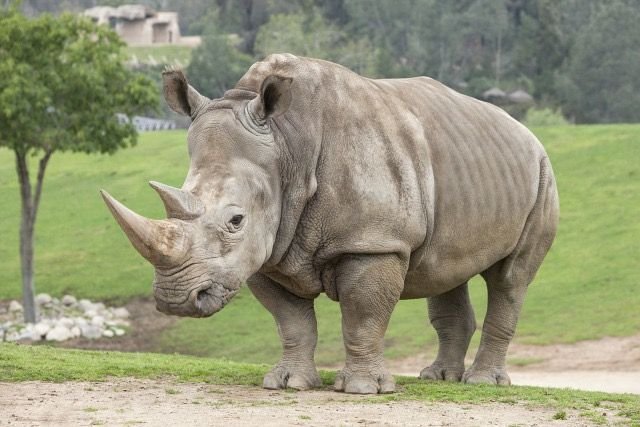
The white rhinoceros has famously thick skin, reaching up to 5 centimeters in places. Built from dense layers of collagen, it forms a natural suit of armor.
Moreover, the rhino’s thick hide shields it during fierce fights and from thorny vegetation. Despite its toughness, the skin is surprisingly sensitive to sunburn and biting insects.
White rhinoceroses inhabit the savannas and grasslands of Africa, grazing on grasses.
As large grazers, rhinos shape their landscapes and support entire ecosystems. Poaching for their horns has made them Near Threatened.
Fun Fact: A rhino’s thick skin is still sensitive enough that it wallows in mud to protect itself from sunburn and bugs.
Indian Rhinoceros
Scientific Name: Rhinoceros unicornis
Class: Mammalia
Diet: Herbivore
The Indian rhinoceros has thick, deeply folded skin that looks like riveted armor plating. These dramatic folds give it a distinctive, armored appearance.
Interestingly, the Indian rhino’s thick hide protects it in battles and while pushing through dense vegetation. The deep skin folds allow it to move despite the toughness of its armor-like plates.
Indian rhinoceroses inhabit the grasslands and swamps of the Indian subcontinent, grazing on grasses, leaves, and aquatic plants.
As large grazers, rhinos shape their habitats. Poaching and habitat loss have made them Vulnerable, though careful conservation has boosted their numbers.
Fun Fact: The Indian rhino’s folded skin makes it look like it’s wearing a suit of medieval armor.
African Elephant
Scientific Name: Loxodonta africana
Class: Mammalia
Diet: Herbivore
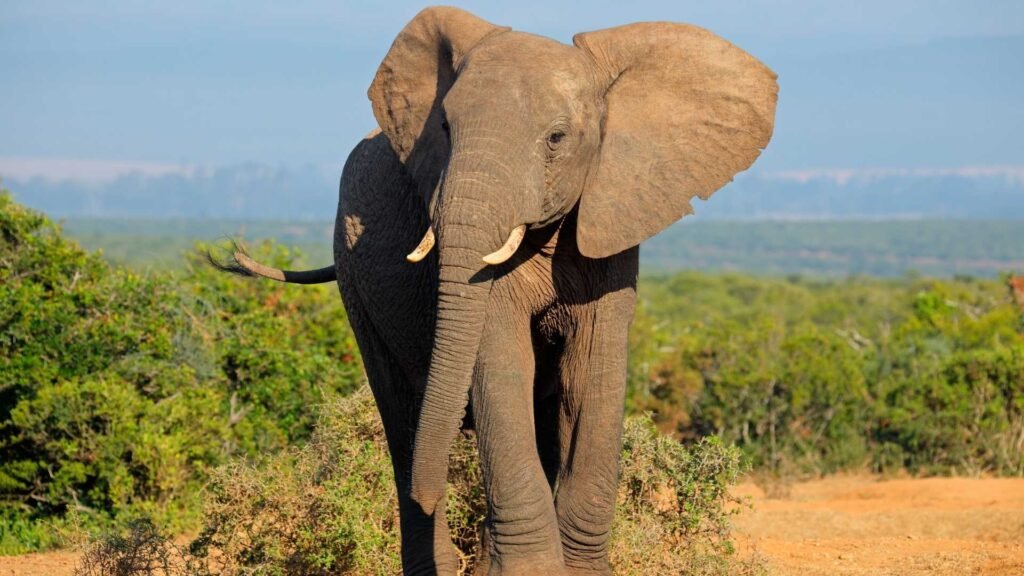
The African elephant has tough, wrinkled skin around 2.5 centimeters thick. Its remarkable hide is covered in deep folds and cracks.
Moreover, the elephant’s thick, wrinkled skin helps it stay cool. The deep folds trap moisture and mud, increasing the surface area for heat loss and protecting the skin from the sun.
African elephants inhabit the savannas, forests, and grasslands of sub-Saharan Africa, feeding on grasses, leaves, bark, and fruit.
As keystone species, elephants shape entire landscapes by dispersing seeds and clearing paths. Habitat loss and poaching have made them Endangered.
Fun Fact: An elephant’s wrinkled skin can hold up to ten times more water than smooth skin, helping it stay cool.
Nile Crocodile
Scientific Name: Crocodylus niloticus
Class: Reptilia
Diet: Carnivore
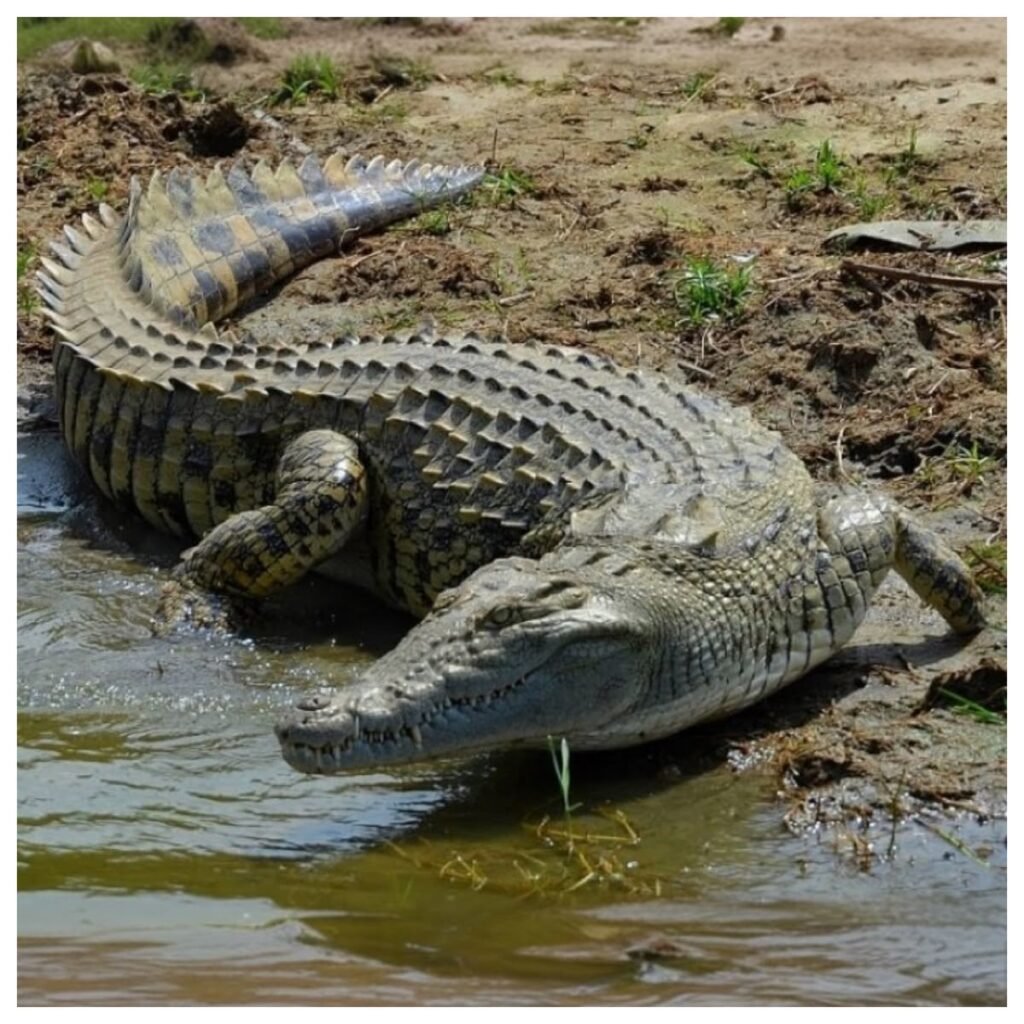
The Nile crocodile has tough, armored skin reinforced with bony plates called osteoderms. This natural armor makes its hide incredibly hard to pierce.
Interestingly, the crocodile’s thick skin also contains sensory pits that detect the faintest ripples in the water. Its armored back protects it during fights and while ambushing prey.
Nile crocodiles inhabit the rivers, lakes, and wetlands of sub-Saharan Africa, preying on fish, birds, and large mammals.
As apex predators, crocodiles help keep aquatic ecosystems balanced. Currently of Least Concern, they still face habitat loss and hunting.
Fun Fact: A crocodile’s bony-plated back is so tough it can deflect blows that would injure most other animals.
Walrus
Scientific Name: Odobenus rosmarus
Class: Mammalia
Diet: Carnivore
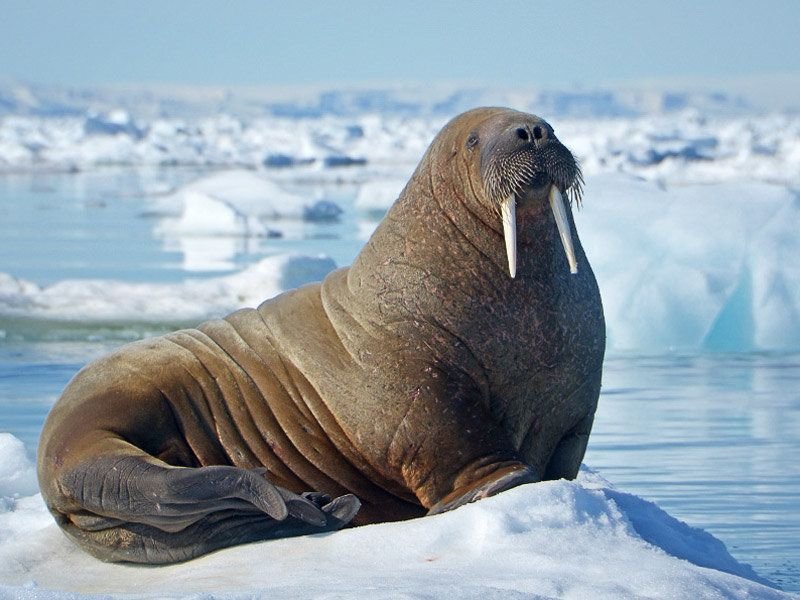
The walrus has very thick, tough skin, especially around its neck and shoulders, where it can be several centimeters deep. Beneath lies a heavy layer of insulating blubber.
Moreover, the walrus’s thick skin protects it during battles between males and shields it from the harsh Arctic environment. Its rugged, wrinkled hide is built for a life among ice and rocks.
Walruses inhabit the frigid Arctic waters and ice floes of the Northern Hemisphere, foraging on the seabed for clams and shellfish.
As bottom-feeders, walruses stir up nutrients that support the Arctic food web. Melting sea ice has made them Vulnerable.
Fun Fact: A male walrus’s neck skin can be extra thick and lumpy, offering protection during fierce clashes with rivals.
Honey Badger
Scientific Name: Mellivora capensis
Class: Mammalia
Diet: Carnivore
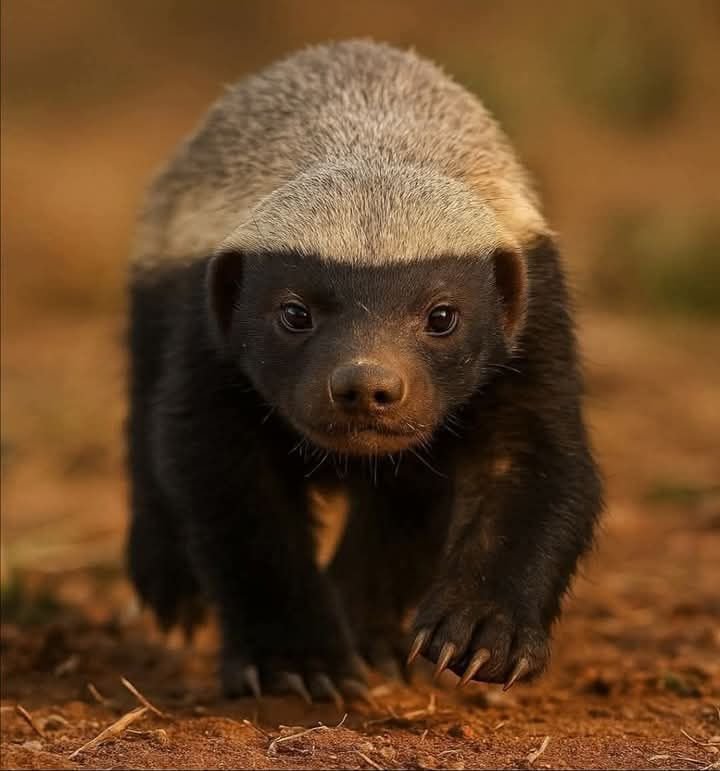
The honey badger has remarkably thick, loose, rubbery skin, nearly a quarter-inch thick in critical areas. This tough hide is one of its greatest defenses.
Interestingly, the honey badger’s loose skin lets it twist around and bite back even when gripped by a predator. It is also thick enough to resist bee stings, porcupine quills, and many snake bites.
Honey badgers inhabit the savannas, forests, and mountains of sub-Saharan Africa, the Middle East, and Asia, eating a huge variety of foods.
As bold, opportunistic hunters, honey badgers help control insects, snakes, and rodents. Widespread and adaptable, they are of Least Concern.
Fun Fact: The honey badger’s skin is so loose that if a predator grabs it, the badger can spin around inside its own hide to fight back.
Armadillo
Scientific Name: Dasypus novemcinctus
Class: Mammalia
Diet: Insectivore
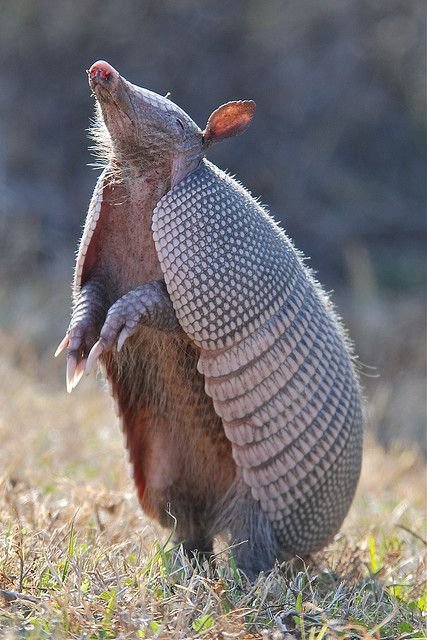
The armadillo has skin reinforced with tough, bony plates called osteoderms, covered in leathery skin. This natural armor is among the toughest of any mammal.
Moreover, the armadillo’s armored skin is both hard and flexible, thanks to bands of movable plates. Some species can even curl into a tight ball, protected entirely by their armored hide.
Armadillos inhabit forests, grasslands, and deserts across the Americas, feeding on insects, grubs, and other small creatures.
As diggers and insect-eaters, armadillos help control pests and aerate soil. Most species are of Least Concern.
Fun Fact: The three-banded armadillo is the only armadillo that can roll into a complete, protective ball.
Pangolin
Scientific Name: Manis javanica
Class: Mammalia
Diet: Insectivore
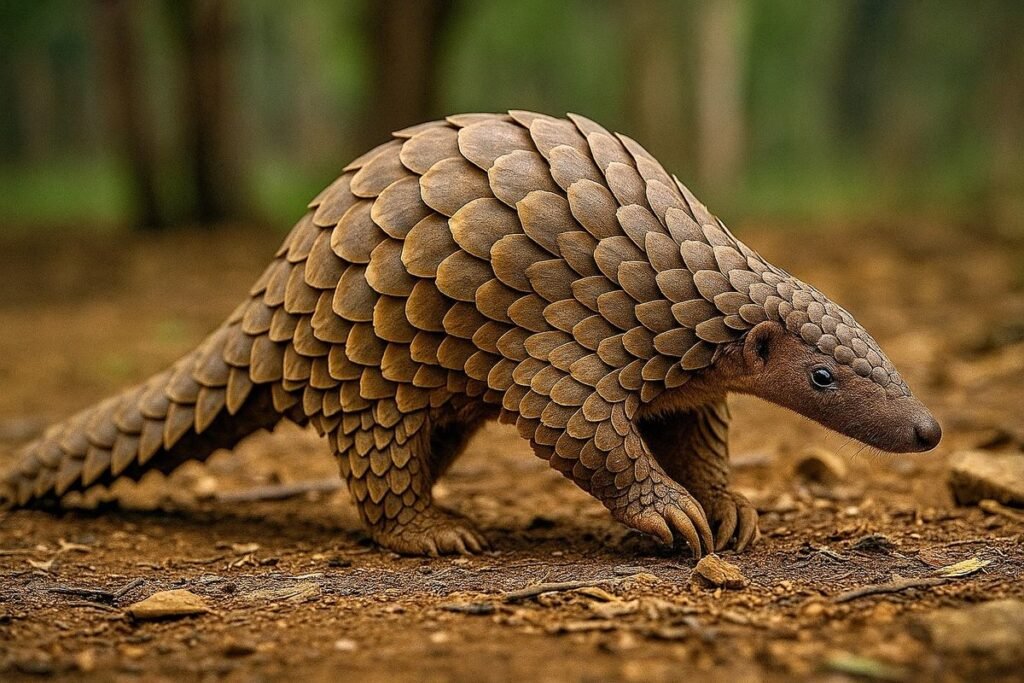
The pangolin is protected by thick, overlapping scales made of keratin that cover its entire body. This scaly armor forms a hide tough enough to resist even lion bites.
Interestingly, when threatened, the pangolin rolls into a tight ball, leaving only its razor-sharp scales exposed. This armored defense is so effective that few predators can breach it.
Pangolins inhabit the forests and grasslands of Asia and Africa, feeding on ants and termites with their long, sticky tongues.
As insect-eaters, pangolins help regulate ant and termite numbers. Tragically, they are the most trafficked mammals on Earth and are Critically Endangered.
Fun Fact: A pangolin’s scales make up about 20% of its entire body weight, forming a nearly impenetrable armor.
Blue Whale
Scientific Name: Balaenoptera musculus
Class: Mammalia
Diet: Carnivore
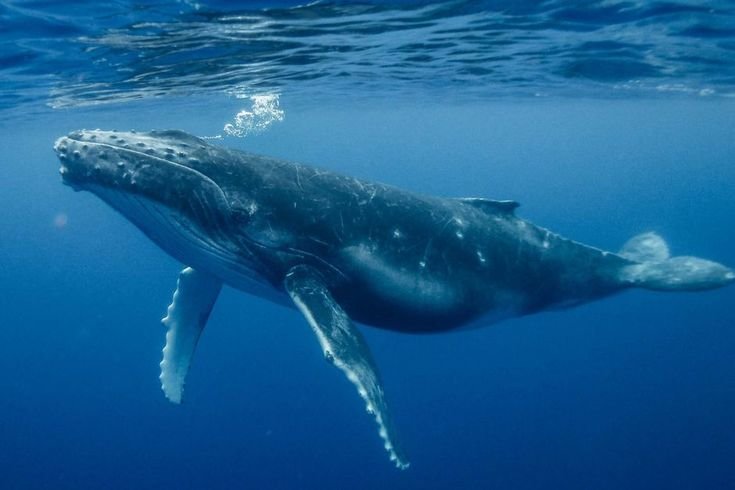
The blue whale, the largest animal ever to exist, has thick, tough skin over an enormous layer of blubber. This combination protects and insulates its colossal body.
Moreover, the blue whale’s thick skin and blubber shield it from cold ocean waters and help store energy. The hide must be tough enough to withstand the pressures of deep dives and long migrations.
Blue whales roam oceans worldwide, migrating between cold feeding grounds and warmer breeding waters, feeding on tiny krill.
As massive filter feeders, blue whales help cycle nutrients through the ocean. Once hunted to the brink, they remain Endangered.
Fun Fact: A blue whale’s blubber layer beneath its skin can be several inches thick, keeping it warm in icy seas.
Cape Buffalo
Scientific Name: Syncerus caffer
Class: Mammalia
Diet: Herbivore
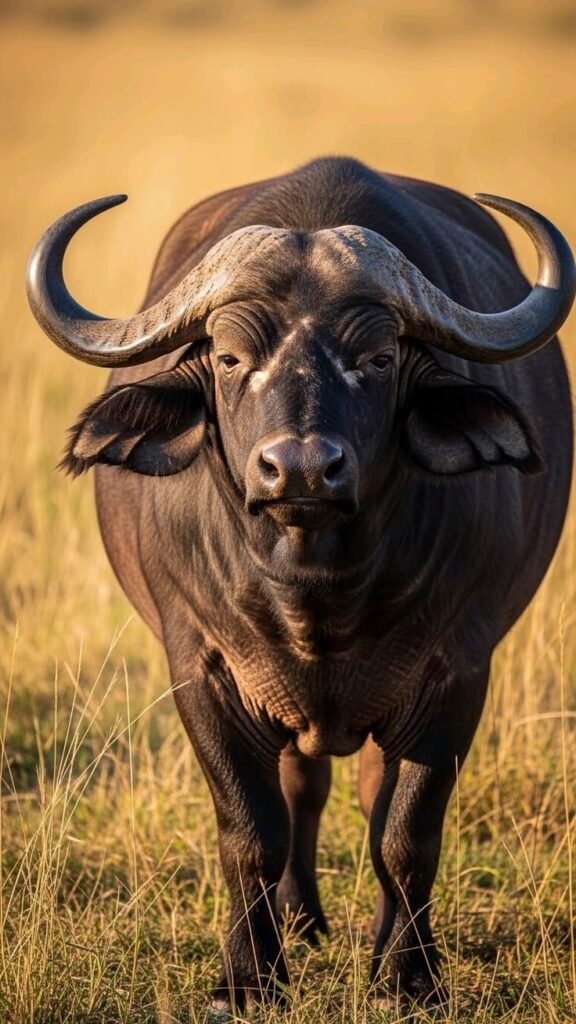
The Cape buffalo has thick, tough hide, especially around its neck, where it can reach several centimeters deep. This rugged skin protects it in fierce fights.
Interestingly, the buffalo’s thick neck skin acts like a shield during clashes between males and against predators. Combined with its powerful build, it makes the Cape buffalo formidable prey.
Cape buffalo inhabit the savannas, grasslands, and wetlands of sub-Saharan Africa, grazing on grasses in large herds.
As powerful grazers, buffalo shape their landscapes and support predators. Currently Near Threatened, they depend on healthy, protected habitats.
Fun Fact: The Cape buffalo’s thick hide is tough enough that predators like lions must work in groups to bring one down.
Komodo Dragon
Scientific Name: Varanus komodoensis
Class: Reptilia
Diet: Carnivore
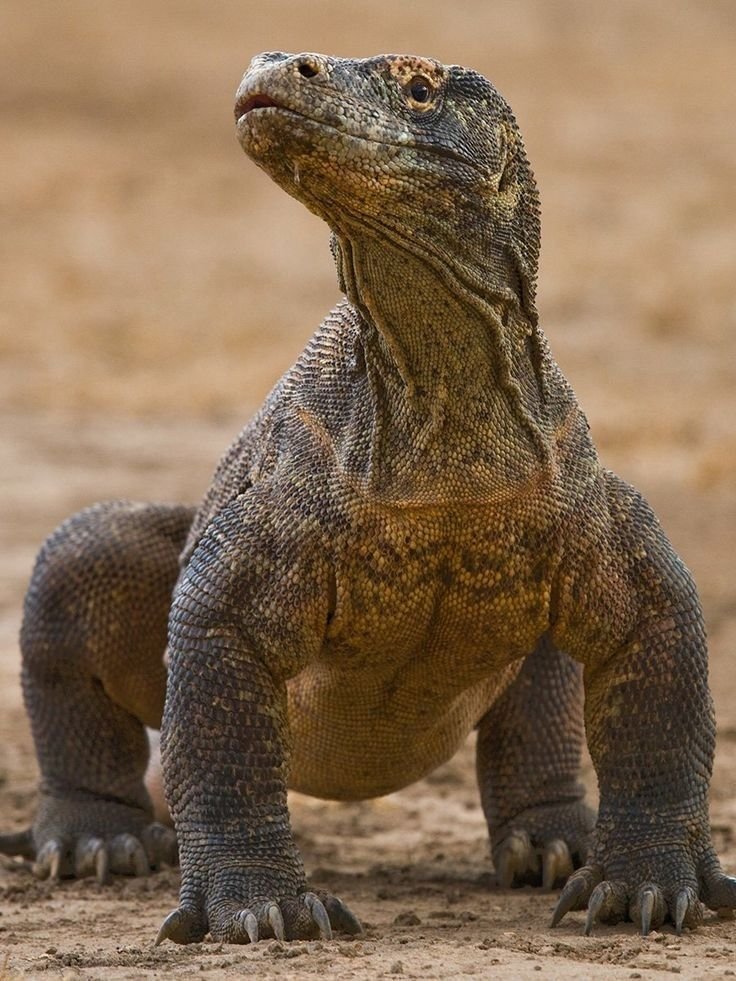
The Komodo dragon has tough, armored skin reinforced with tiny bones called osteoderms. This bony “chain mail” makes its hide remarkably hard to pierce.
Moreover, the Komodo dragon’s armored skin contains sensory patches that help it feel its surroundings. The bony reinforcement grows more extensive with age, protecting adults during fierce battles.
Komodo dragons are found only on a few Indonesian islands, ambushing deer, pigs, and other large prey.
As apex predators, Komodo dragons help control prey populations on their islands. With a tiny range, they are considered Endangered.
Fun Fact: A Komodo dragon’s skin is reinforced with a natural bony armor that resembles medieval chain mail.
Elephant Seal
Scientific Name: Mirounga angustirostris
Class: Mammalia
Diet: Carnivore
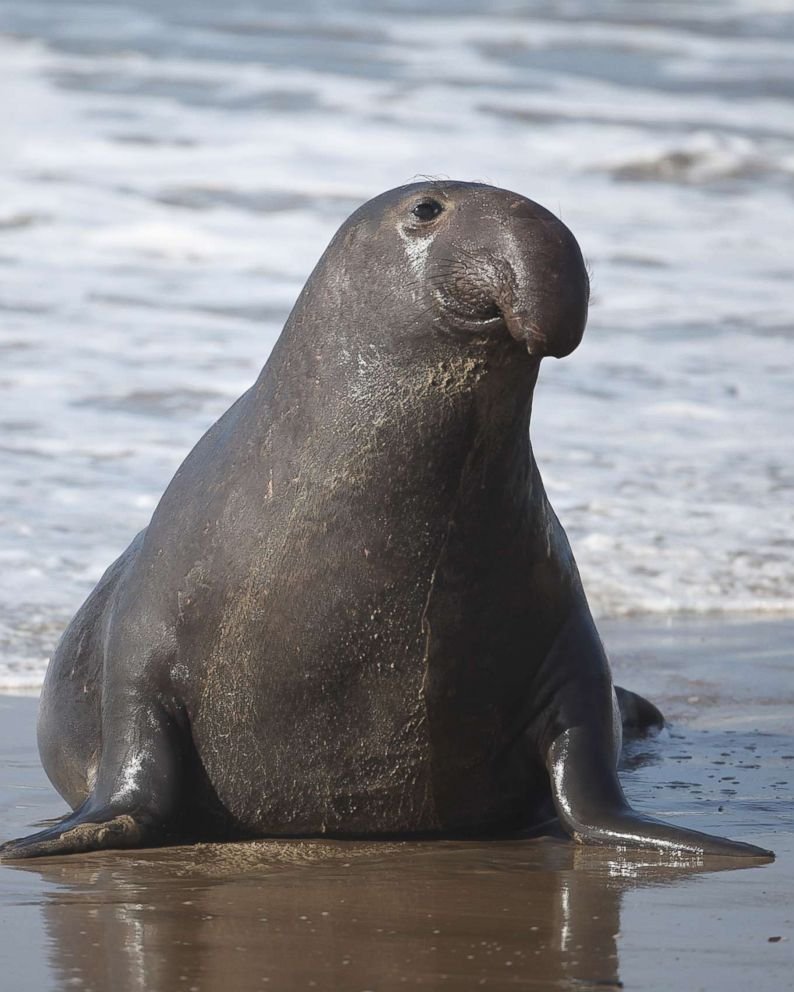
The elephant seal has thick, tough skin over a massive layer of blubber, protecting its huge body. Males, in particular, develop especially thick, scarred hide.
Interestingly, the elephant seal’s thick chest and neck skin shield it during brutal battles between males. This rugged hide, combined with blubber, also insulates it during deep, cold dives.
Elephant seals inhabit the coasts and open oceans of the Pacific, hauling out on beaches to breed and molt.
As deep-diving predators, elephant seals connect surface and deep-ocean ecosystems. Once nearly hunted to extinction, they are now of Least Concern.
Fun Fact: A male elephant seal’s thick chest shield takes the brunt of vicious battles for control of the beach.
Read: Animals Like Hamsters
Read: Animals Like Mongoose
Read: Animals That Are Skinny
Read: Weakest Animals in The World
Read: Animals That Don’t Drink Water
Frequently Asked Questions
Conclusion
From the record-breaking sperm whale to the armored pangolin, the world’s thickest-skinned animals are built like living tanks. Each species whether a collagen-packed rhino, a bony-plated crocodile, or a rubber-hided honey badger relies on its tough skin to survive predators, brutal fights, and harsh environments. This remarkable armor, whether thick hide, bony plates, or keratin scales, shows the many ways nature builds protection.