
Top 10 Animals That Can’t Swim (With Images)
Isn’t it surprising that some of the world’s largest and most powerful animals struggle to stay afloat? While many creatures take to water with ease, a handful cannot swim at all, or manage only with great difficulty. The animals that can’t swim are often held back by their body shape, weight, or simple lack of instinct. Far from a mere quirk, this limitation shapes where they live and how they behave, keeping them away from deep water.
From towering giraffes to mighty gorillas, these animals reveal that not every creature is built for the water. Let’s explore the most fascinating animals that can’t swim and the reasons water remains a challenge for them.
Quick List Table
| Rank | Animal Name | Scientific Name |
|---|---|---|
| 1 | Giraffe | Giraffa camelopardalis |
| 2 | Camel | Camelus dromedarius |
| 3 | Gorilla | Gorilla gorilla |
| 4 | Chimpanzee | Pan troglodytes |
| 5 | Orangutan | Pongo pygmaeus |
| 6 | Galápagos Giant Tortoise | Chelonoidis niger |
| 7 | Hippopotamus | Hippopotamus amphibius |
| 8 | Bat | Order Chiroptera |
| 9 | Indian Peafowl | Pavo cristatus |
| 10 | Domestic Chicken | Gallus gallus domesticus |
Giraffe
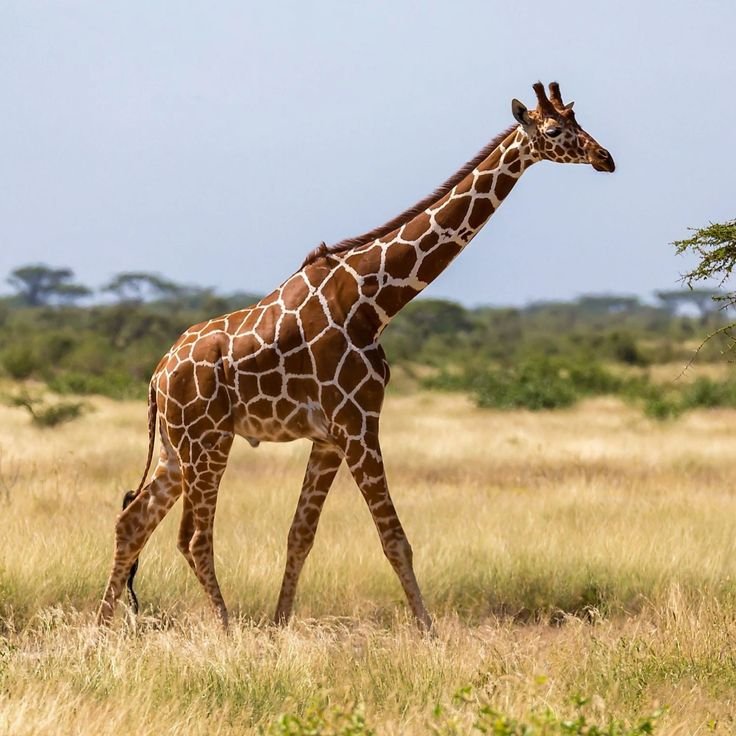
Scientific Name: Giraffa camelopardalis Class: Mammalia Diet: Herbivore
The giraffe is often cited as an animal that cannot swim. Its unusual body makes water a serious challenge. Long thought unable to swim at all, it certainly avoids deep water.
Interestingly, the giraffe’s long legs and heavy body make swimming extremely awkward and inefficient. Its proportions would leave it struggling to keep its head above water. As a result, giraffes avoid rivers and deep crossings whenever possible.
Giraffes roam the savannas and open woodlands of sub-Saharan Africa. As herbivores, they browse mainly on acacia leaves high above the ground.
Moreover, giraffes shape the trees they feed on and support their ecosystems. Habitat loss and poaching have caused declines in some regions.
Fun Fact: A giraffe’s long legs and proportions make swimming extremely difficult and awkward.
Camel
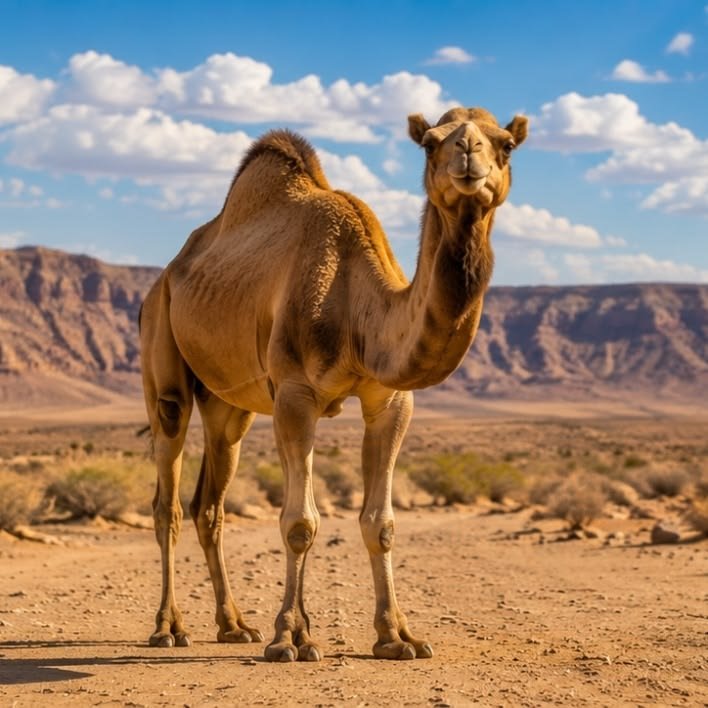
Scientific Name: Camelus dromedarius Class: Mammalia Diet: Herbivore
The camel is a desert animal poorly suited to swimming. Adapted for dry sand, it rarely encounters deep water. It is generally a weak and reluctant swimmer.
What sets the camel apart is how completely it is built for land. Its body and long legs are made for trekking across deserts, not paddling through water. With little need to swim, it never developed the ability well.
Camels live in the deserts of the Middle East, Africa, and Asia. As herbivores, they feed on desert plants, thorns, and dry vegetation.
Moreover, camels have carried and supported people across deserts for thousands of years. They remain vital to many arid regions.
Gorilla

Scientific Name: Gorilla gorilla Class: Mammalia Diet: Herbivore (mostly)
The gorilla is a powerful ape that cannot swim and strongly avoids deep water. Despite its strength, water is a genuine danger. It will go out of its way to stay dry.
Interestingly, gorillas lack the natural buoyancy and instinct to swim, and they tend to sink in deep water. They cross streams carefully, often using logs or shallow spots. Their fear of deep water keeps them on land.
Western gorillas live in the rainforests and swamps of central Africa. As herbivores, they feed mainly on fruit, leaves, and stems.
Moreover, gorillas disperse seeds and help maintain healthy forests. Poaching, disease, and habitat loss have made them endangered.
Fun Fact: Gorillas avoid deep water and often cross streams using logs rather than wading.
Chimpanzee

Scientific Name: Pan troglodytes Class: Mammalia Diet: Omnivore
The chimpanzee, like other great apes, generally cannot swim. It tends to sink in deep water. Chimps usually avoid rivers and lakes for this reason.
What sets the chimpanzee apart is its lack of natural swimming ability. Its body composition and instincts leave it poorly suited to staying afloat. Deep water can be a real hazard for these otherwise agile animals.
Chimpanzees live in the forests and savannas of central and West Africa. As omnivores, they eat fruit, leaves, insects, and small animals.
Moreover, chimpanzees disperse seeds and shape their forest habitats. Deforestation, poaching, and disease have made them endangered.
Orangutan
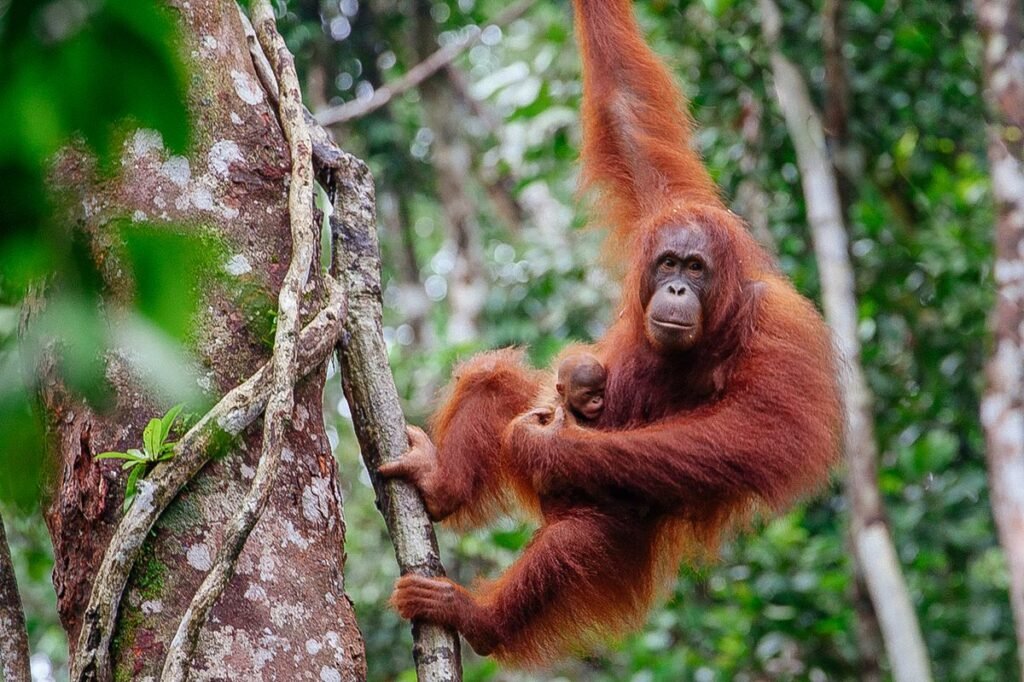
Scientific Name: Pongo pygmaeus Class: Mammalia Diet: Herbivore (mostly fruit)
The orangutan is a tree-dwelling ape that avoids water and does not swim. It keeps to the canopy, far from rivers. Deep water is not part of its world.
Interestingly, the orangutan’s life high in the trees means it rarely needs to enter water, and it lacks the ability to swim. It crosses rivers cautiously when it must, often using branches. Water remains a barrier to these forest apes.
Orangutans live in the rainforests of Borneo and Sumatra. As frugivores, they feed mainly on fruit, along with leaves and bark.
Moreover, orangutans disperse seeds and shape their forest habitat. Deforestation and the palm oil industry have made them critically endangered.
Galápagos Giant Tortoise
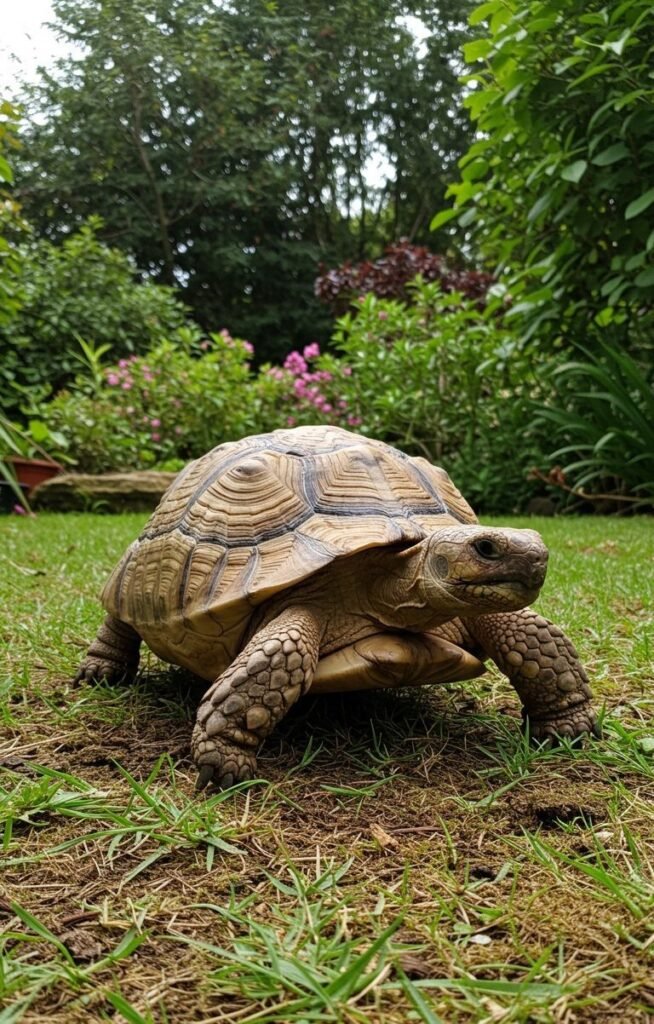
Scientific Name: Chelonoidis niger Class: Reptilia Diet: Herbivore
The Galápagos giant tortoise is a land reptile that cannot truly swim. Unlike sea turtles, it has no swimming adaptations. In deep water it struggles and can sink.
What sets this tortoise apart is its heavy shell and land-based body. Its stumpy, elephant-like legs are built for walking, not paddling. While it can float and be carried by currents, it cannot swim like its marine relatives.
Galápagos giant tortoises live only on the Galápagos Islands off Ecuador. As herbivores, they feed on grasses, leaves, and cactus.
Moreover, these tortoises are vital seed dispersers and ecosystem engineers. Once devastated by hunting, they are now a focus of conservation.
Fun Fact: Unlike sea turtles, land tortoises cannot swim and may sink in deep water.
Hippopotamus

Scientific Name: Hippopotamus amphibius Class: Mammalia Diet: Herbivore
The hippopotamus lives in water yet does not actually swim. Instead of swimming, it moves along the riverbed. This surprising fact makes it a fascinating case.
Interestingly, the hippo is too dense to float, so it walks, trots, or pushes off the bottom to move through water. It can hold its breath and even sleep underwater, surfacing to breathe automatically. This “underwater walking” replaces true swimming.
Hippos live in the rivers, lakes, and wetlands of sub-Saharan Africa. As herbivores, they graze on grass at night and rest in water by day.
Moreover, hippos shape their ecosystems, enriching waterways and carving paths through vegetation. Habitat loss and poaching have made them vulnerable.
Fun Fact: A hippo doesn’t swim at all — it walks and bounces along the riverbed underwater.
Bat
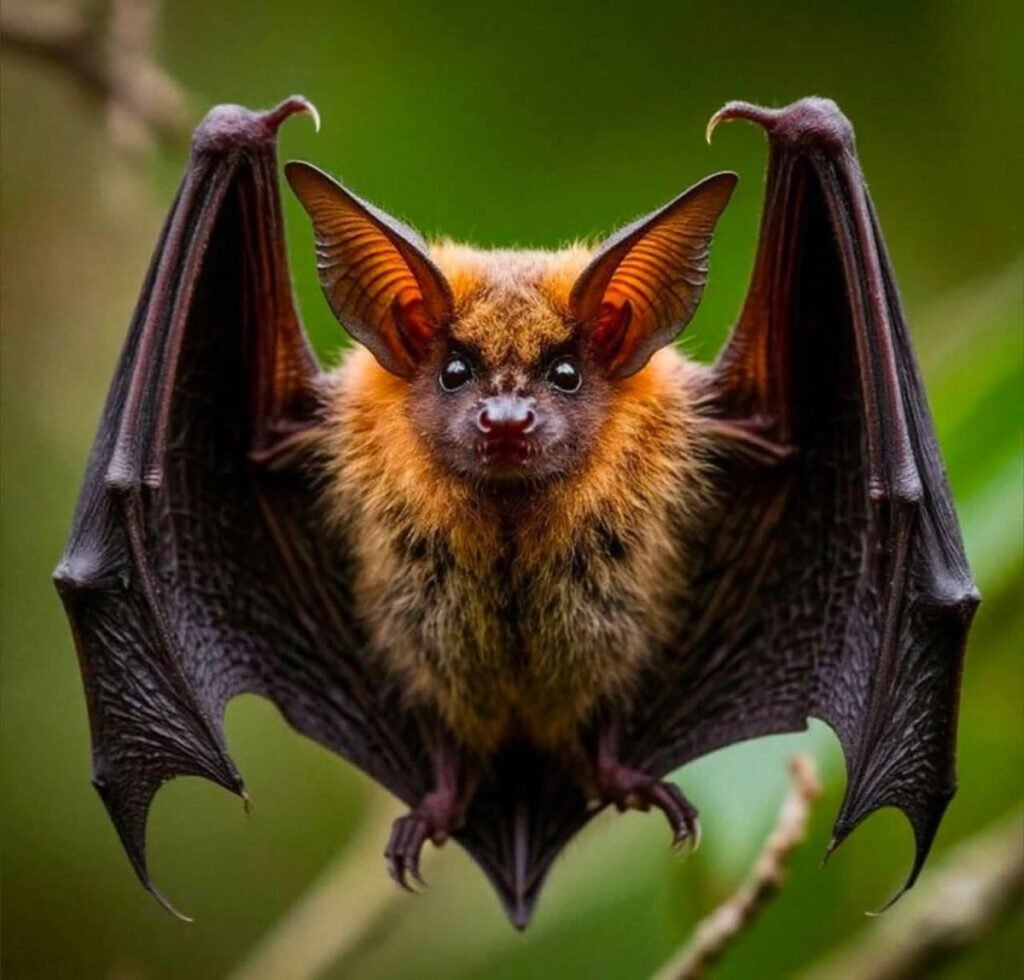
Scientific Name: Order Chiroptera Class: Mammalia Diet: Varied (insects, fruit, nectar)
The bat is built for flight, not swimming, and most cannot swim well. If it falls into water, it struggles. Bats are among the few mammals truly at home only in the air.
What sets the bat apart is its delicate wings, which become heavy and useless when wet. A bat that lands in water may manage to flap toward shore in an emergency, but it cannot swim properly. Its whole body is designed for flight.
Bats live almost everywhere on Earth except the coldest regions. Depending on the species, they eat insects, fruit, nectar, or other foods.
Moreover, bats are vital pollinators, seed dispersers, and insect controllers. Habitat loss and disease threaten many bat species.
Indian Peafowl
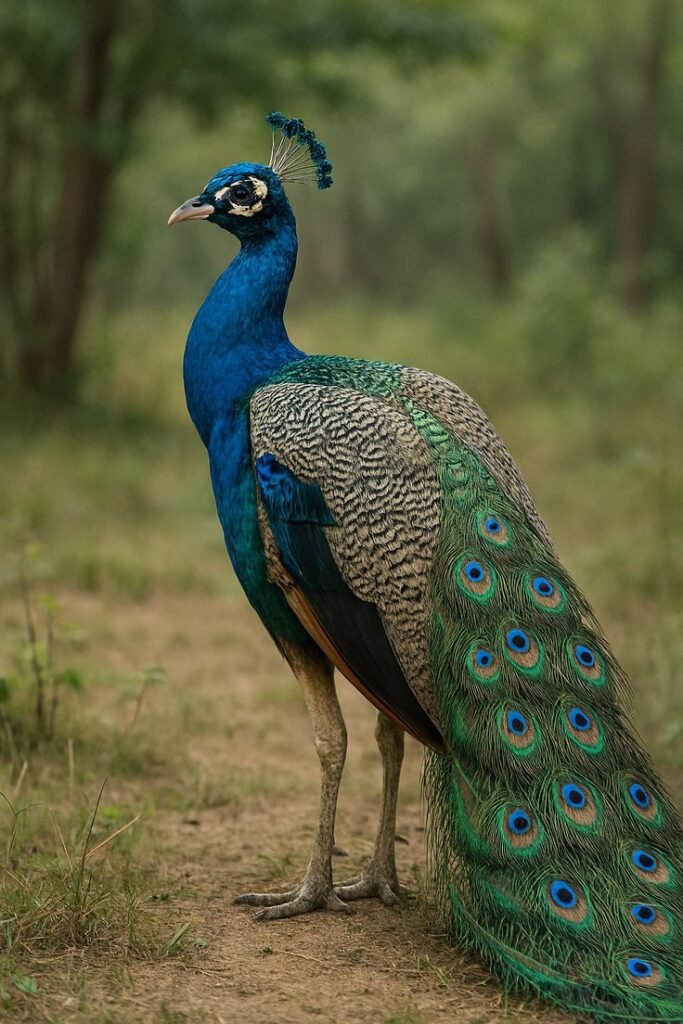
Scientific Name: Pavo cristatus Class: Aves Diet: Omnivore
The Indian peafowl, or peacock, is a heavy ground bird that does not swim. Its body and long tail are ill-suited to water. It keeps firmly to land.
Interestingly, the peafowl’s weight and long, showy feathers make swimming impractical. It prefers to walk and forage on the ground, flying only short distances. Water holds no appeal for this land-loving bird.
Indian peafowl live in the forests and farmlands of South Asia. As omnivores, they eat seeds, insects, fruit, and small animals.
Moreover, peafowl help control insects and disperse seeds. They remain common and are admired for their dazzling plumage.
Fun Fact: A peacock’s long, heavy tail feathers make swimming impractical.
Domestic Chicken
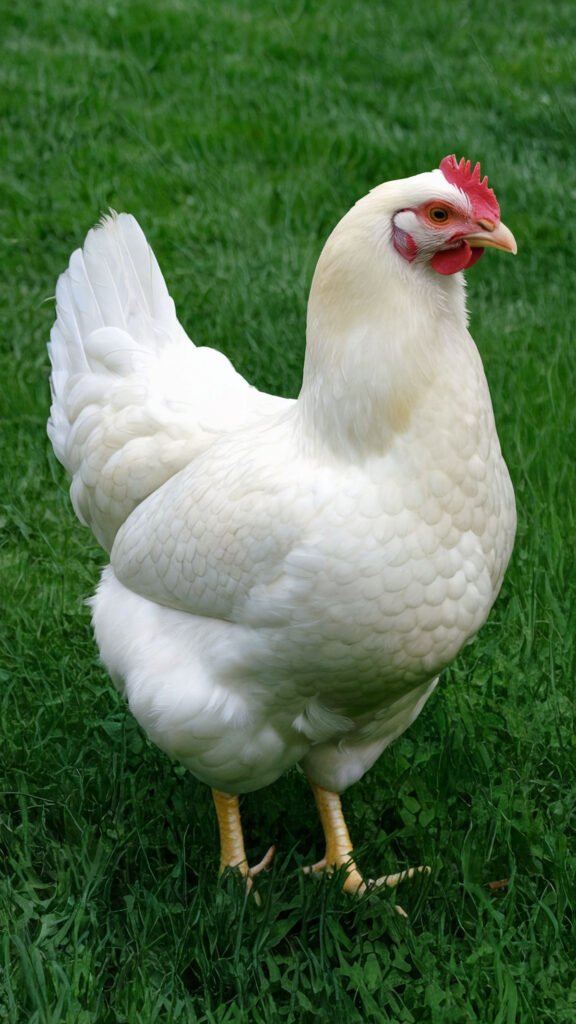
Scientific Name: Gallus gallus domesticus Class: Aves Diet: Omnivore
The domestic chicken is a poor swimmer that generally avoids water. It can paddle briefly but quickly becomes waterlogged. Deep water is dangerous for it.
What sets the chicken apart is its lack of waterproof feathers and swimming ability. While it may flap and paddle for a short time, its feathers soak through and it can tire quickly. Chickens keep to dry land whenever possible.
Domestic chickens are kept worldwide and descend from the wild red junglefowl of Asia. As omnivores, they forage for seeds, insects, and plants.
Moreover, chickens play a huge role in agriculture around the world. As a domestic species, they are among the most numerous birds on Earth.
Fun Fact: A chicken’s feathers are not waterproof, so it quickly becomes waterlogged in water.
Read: Quiet Animals in the World
Read: Laziest Animals in the World
Read: Greedy Animals in the World
Read: Most Shy Animals in The World
Read: Clumsy Animals in The World
Frequently Asked Questions
Conclusion
From towering giraffes to mighty gorillas, the animals that can’t swim remind us that not every creature is built for the water. Whether held back by body shape, weight, or lack of instinct, these animals thrive on land and steer clear of deep water. Their limitations shape where they live and how they move through the world, revealing the fascinating diversity of animal design.
2 Comments